For years, a trip to Europe felt like the default answer to almost any travel question. Need a vacation? Book a flight to Rome, Paris, or Lisbon and figure out the rest later. That casual, half-planned approach to European travel is quietly disappearing, and the reasons have very little to do with nostalgia or personal taste.
Between new entry rules, angrier locals, disappearing rentals, and summers that now come with heat warnings instead of postcards, the continent that used to reward spontaneity is starting to demand something closer to a project plan. What follows isn’t a rant against Europe. It’s a rundown of what’s actually changed, and why a lot of travelers are starting to look elsewhere.
A New Layer of Paperwork Before You Even Land

The days of showing up at a European border with just a passport are numbered. The EU’s Entry/Exit System, which fingerprints and photographs non-EU visitors at the border, has been rolling out gradually since October 2025 and became fully operational from 10 April 2026[1]. On top of that, the European Council confirmed that the ETIAS is likely to be launched in the last quarter of 2026[2], after years of delays.
Once it’s live, ETIAS will affect visa-exempt travelers heading to 30 European countries[3], and an approved authorization will be valid for three years or until the linked passport expires, whichever comes first[4]. None of this is dramatic on its own, but stacked together it turns a simple weekend getaway into something that now needs advance planning, a small fee, and a bit of digital paperwork before you even board the plane.
When Water Pistols Became a Travel Story
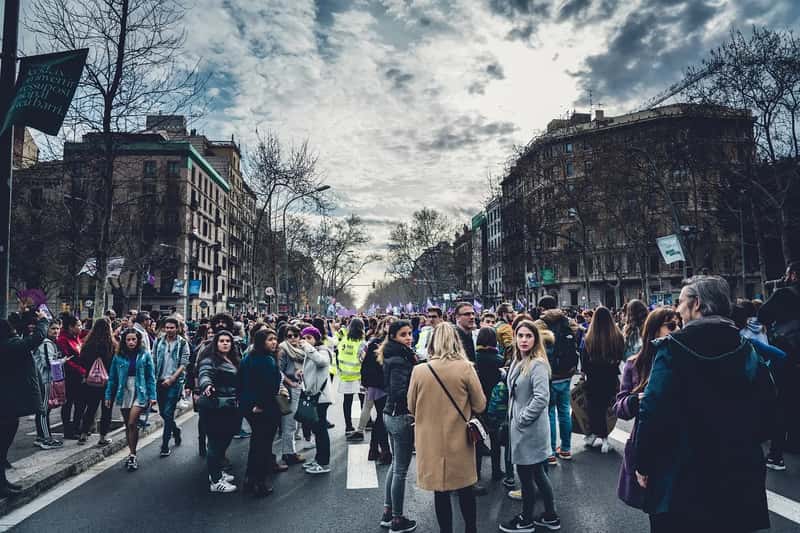
It’s one thing to read about overtourism in the abstract. It’s another to watch it play out as an actual news cycle. 2025 turned into Europe’s summer of discontent, with locals protesting overtourism everywhere from Tenerife to the Louvre[5], and the images from that summer, water guns aimed at diners, marches through packed old towns, were hard to ignore.
The scale mattered too. The largest single protest happened in Majorca, where roughly five thousand people marched through Palma[6], while in Paris, an impromptu staff strike over crowding shut the Louvre’s doors on visitors who had timed tickets in hand[6]. It’s hard to plan a relaxing trip around a destination that’s actively pushing back against having you there.
The Airbnb You Loved Might Not Exist Next Summer

Budget travelers in Europe leaned heavily on short-term rentals for a decade, and that era is closing fast. In late 2024, Paris and several other French cities, including Nice and Marseille, capped short-term rentals of primary homes to just 90 days a year[7], down from 120. Barcelona went further, with plans to eliminate tourist-apartment licenses entirely by 2028[8].
Spain isn’t just writing rules, either. Regulators there fined Airbnb sixty four million euros for advertising unlicensed rentals[9], and Vienna now requires special permits before any apartment can be rented out for more than ninety days a year[10].
Summer Isn’t What It Used to Be
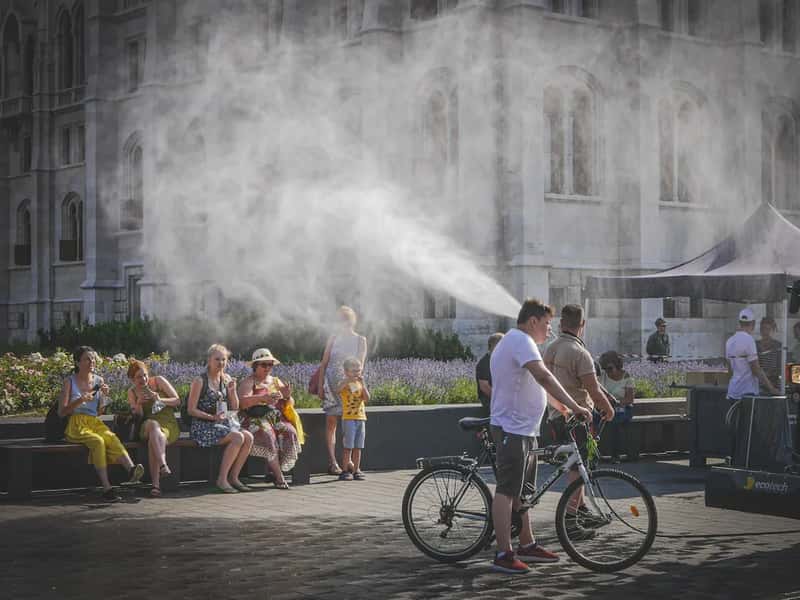
Weather used to be a minor planning detail. Now it’s closer to a health warning. National records for June temperatures in both Portugal and Spain were broken in 2025, with readings surpassing 46 degrees Celsius[12], and similar records fell in at least ten other countries that same season.
The human cost behind those numbers is sobering. A widely cited Nature Medicine study found that more than 62,700 people died from heat across just four months of 2024[13], with Italy hit hardest, recording more than 19,000 of those deaths[13]. That’s not a once-in-a-generation anomaly anymore; it’s becoming a recurring feature of the European summer.
Everyone Wants a Cut: Rising Visitor Taxes and Entry Fees
Cities have figured out that fees are an easier lever to pull than outright bans, and they’re pulling it. Barcelona is raising its visitor taxes while Venice has published a full 2026 calendar for its day-tripper entry fee[8], and similar housing-driven measures are spreading from the Canary Islands to Amsterdam.
Cruise passengers are feeling it too. Barcelona announced plans to close two of its cruise terminals by 2026 specifically to cut down on day-tripper volume[14], while Venice’s own day-tripper charge has already doubled since it was first introduced[14]. None of these fees are large on their own, but they add up, and they signal a city that would rather manage its visitors than simply welcome them.
Housing Pressure Is Turning Locals Against Tourists
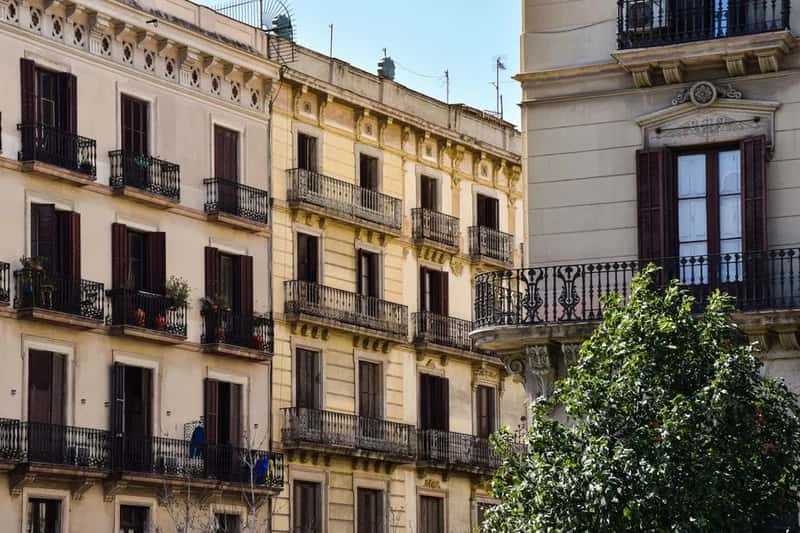
Strip away the slogans and the water guns, and most of these protests trace back to one issue. Housing is the common thread running through the demonstrations, with reporting tying the unrest directly to overcrowding and rising property costs[8]. When apartments get converted into nightly rentals, someone who used to live there full time doesn’t anymore.
That dynamic is especially visible in Spain’s tourist hubs. Housing costs in Barcelona and on Mallorca have climbed sharply as homes get diverted into the short-term rental market[15], and residents increasingly see visitors, fairly or not, as a direct cause of that squeeze. It’s a hard atmosphere to relax into as a guest, no matter how good the food is.
Border Queues and the End of Winging It

The practical side of these new systems deserves its own mention, because it changes how a trip actually feels on arrival. The EES now changes border procedures for every non-EU national on a short stay of up to ninety days within any 180-day window[16], which means fingerprint and photo checks that didn’t exist a couple of years ago.
The rollout itself has been anything but smooth. Starting in October 2025, only a small share of border crossings initially needed to register through the new system[2], and the broader ETIAS program has already slipped past its original target more than once, having been first expected to launch back in 2022[17]. Every delay and phase-in adds a little more uncertainty to trip planning.
There’s No Real Off-Season Left
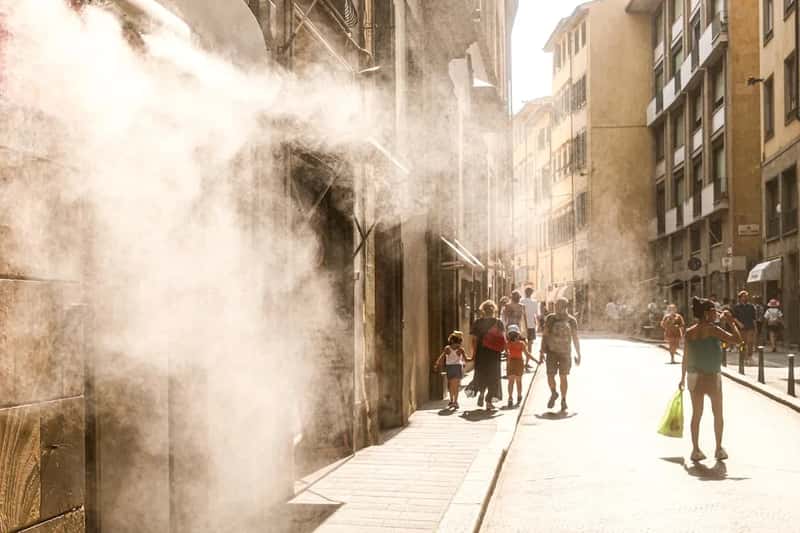
Part of the old logic of European travel was dodging summer entirely. That workaround is losing its edge. Record-breaking temperatures in 2025 arrived as early as April, well before the traditional summer heat set in[12], and by late June 2026, parts of Germany, the Czech Republic, and Poland were already hitting 40 degrees Celsius[18].
The rest of the 2026 season didn’t ease up either. Between mid-July and mid-August 2026, Europe’s EuroMomo monitoring platform estimated more than 32,000 excess deaths tied to the heat[19], and Germany alone recorded 14,000 heat-linked deaths by August[19]. Shoulder season used to be the reward for skipping peak summer. Now it’s often just an earlier start to the same problem.
Where the Energy Is Shifting Instead
None of this means travelers are staying home. It means the map is widening. Quieter corners of the Balkans, the Baltics, and parts of Central Europe are picking up interest precisely because they don’t come with entry queues, protest signs, or an Airbnb ban announced mid-booking.
Destinations outside Europe entirely, from parts of Latin America to Southeast Asia, are also absorbing travelers who used to default to a European itinerary without a second thought. It’s less a boycott and more a redistribution, driven by people who’d rather spend a vacation exploring than navigating friction they didn’t sign up for.