I used to defend Cancún the way some people defend a hometown sports team, loyally and a little irrationally. For years it was my answer whenever someone asked where to go for a easy, reliable beach trip. Somewhere along the way, though, the math stopped adding up, and not in the way I expected.
It wasn’t one bad trip that changed my mind. It was a slow accumulation of small frustrations, higher bills, and a nagging sense that the place I kept returning to wasn’t quite the place I remembered. What follows is less a rant than an honest accounting of what’s actually changed, and why a growing number of travelers are starting to look elsewhere.
The seaweed problem has stopped being a footnote

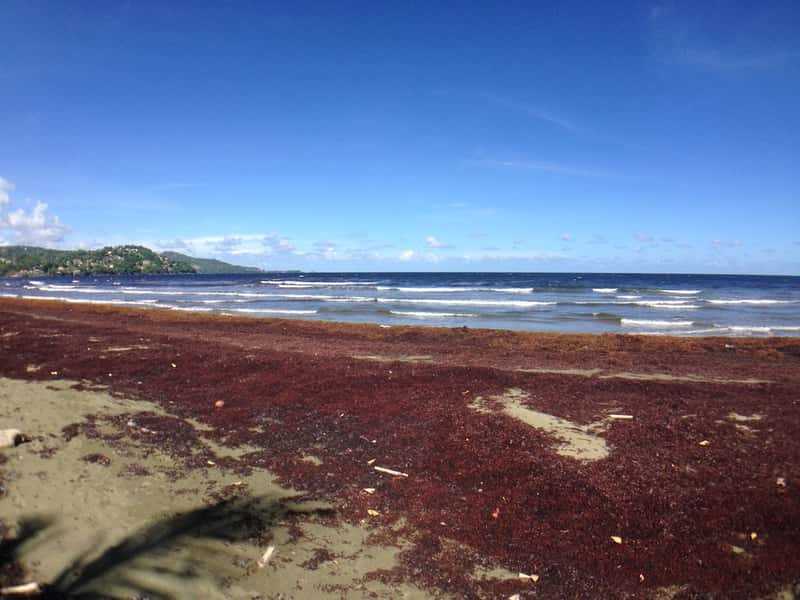
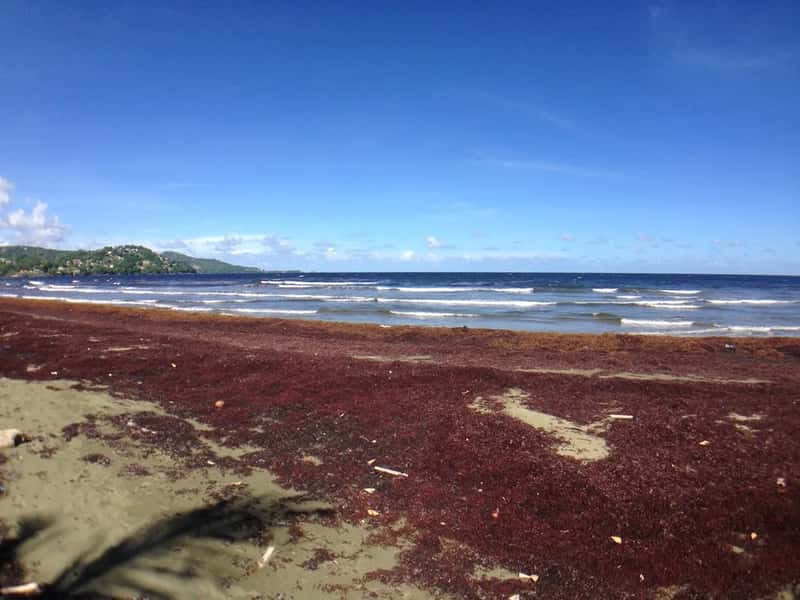
For a long time, sargassum felt like something you could plan around, a seasonal nuisance rather than a defining feature of a trip. That’s shifted. 2026 is shaping up to be a heavy sargassum year, with the University of South Florida’s Optical Oceanography Lab recording the Great Atlantic Sargassum Belt at a record 37.5 million tons in 2025 and reporting the belt continuing to grow into 2026. That’s not a fluke reading, it’s a trend line.
By October 2025, Quintana Roo had already collected over 76,000 tons of sargassum, with Cancún alone removing more than 13,000 tons, nearly four times the previous year. Sargassum season now lines up as minimal from November to April, building through May, and peaking from June to August. Even the traditionally safe winter window is no longer a sure bet, which matters a lot if you’re booking a beach vacation months out and hoping for postcard water.
Cancún now feels like an airport with a beach attached
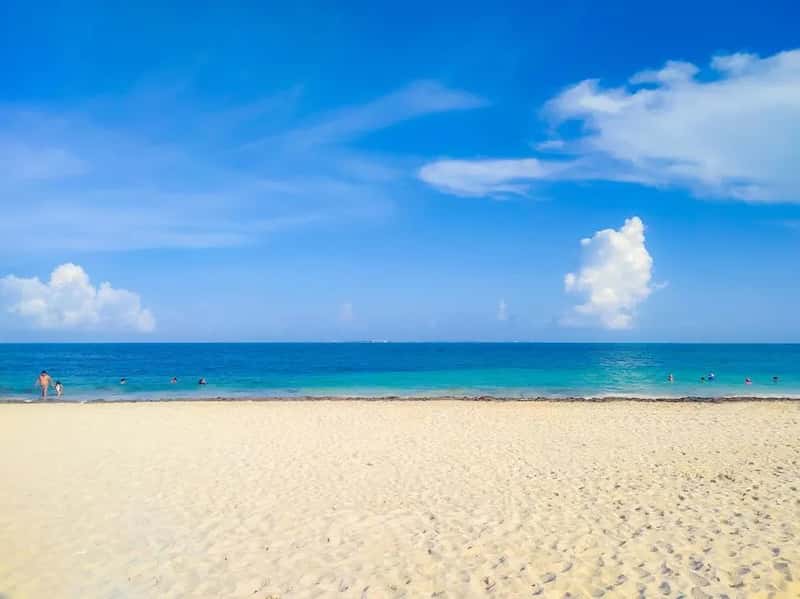
There’s a specific kind of fatigue that sets in when a destination becomes genuinely, measurably enormous. More than 29 million passengers traveled to Cancún and the Riviera Maya in 2025, with visitor numbers expected to increase further in 2026 thanks to major international events and additional flights. That’s not a quiet corner of the Caribbean anymore, that’s a hub operating at industrial scale.
Quintana Roo as a state, including Riviera Maya, Playa del Carmen, Tulum, and Cozumel, welcomed roughly 20 million tourists in 2024. Hotel occupancy has followed the same curve. Cancún hotels achieved an average room occupancy of 74.0 percent in November 2025, an increase of 1.5 percentage points compared with November 2024. None of that is a knock against the destination’s appeal, but it does mean fuller beaches, longer waits, and a lot less breathing room than the brochures suggest.
The tax bill keeps growing before you even land
Nobody loves a tourist tax, but Cancún’s collection of fees has quietly multiplied into something worth budgeting for in advance. The Visitax, a mandatory state tourism fee, currently runs at roughly 283 to 300 pesos per person, but that’s not the ceiling. Officials in Quintana Roo have floated a 25 percent hike to the Visitax and a plan to force hotels and other providers to collect it directly, which would push the roughly 283 peso tax toward the mid 300 peso range.
That’s layered on top of other increases. The lodging tax in Cancún rose from 3 percent to 5 percent, on top of an environmental fee and standard resort charges. Meanwhile, the federal Visitor Permit fee, known as the DNR, climbed to 983 pesos in 2026, up from 861 pesos in 2025. Individually, none of these fees is dramatic. Stacked together, they quietly turn a “budget-friendly” all-inclusive into something considerably pricier than the sticker price ever let on.
All-inclusive doesn’t mean all affordable anymore

The whole appeal of the all-inclusive model was supposed to be predictability, one price, no surprises. That promise has gotten harder to keep as room rates climb across the Hotel Zone. A direct price comparison makes the shift obvious. A Dreams all-inclusive resort in Huatulco was running around 400 dollars per night in February 2026, while the same brand in Cancún cost between 420 and 805 dollars for the same dates.
That’s not a small gap, and it’s not isolated to one brand. Once you factor in the tax stack from the previous section, a week that used to feel like a reasonable splurge starts to look like a genuinely expensive commitment. The frustrating part isn’t that Cancún is pricey, plenty of great destinations are. It’s that the price no longer buys the sense of exclusivity or calm that used to justify it.
The Hotel Zone is buckling under its own success

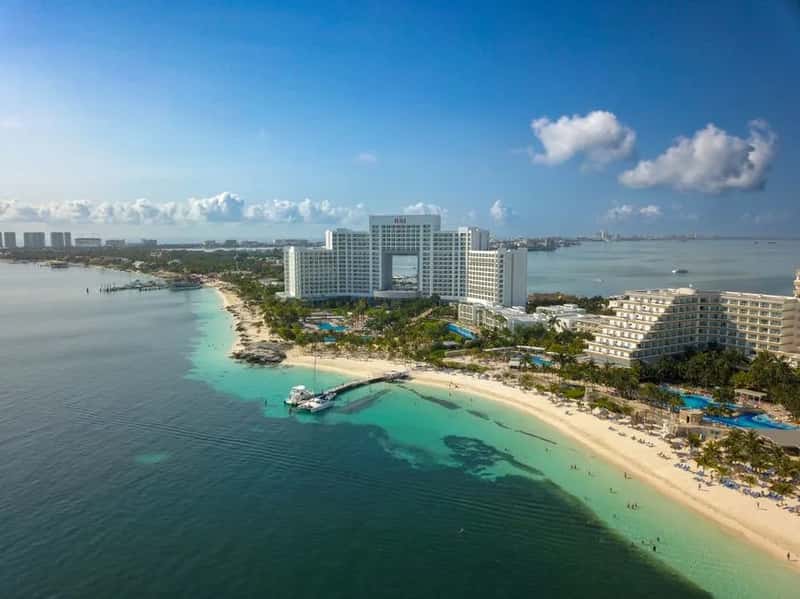
Cancún’s Hotel Zone was built for a smaller version of the demand it now handles. Development hasn’t slowed to match. Cancún and Riviera Maya together dominate hotel construction in Mexico, accounting for more than 90 percent of new hotel rooms built this year. That’s an extraordinary concentration of new supply pouring into an already congested strip of coastline.
More rooms mean more shuttle buses, more restaurant waitlists, and more traffic along the narrow boulevard that connects the whole zone. The infrastructure wasn’t really designed with this density in mind, and it shows most clearly during peak weeks when getting from one end of the strip to the other can eat up more of your day than you’d like. It’s the kind of friction that doesn’t show up in resort marketing photos but absolutely shows up in your actual vacation.
A few safety habits are no longer optional
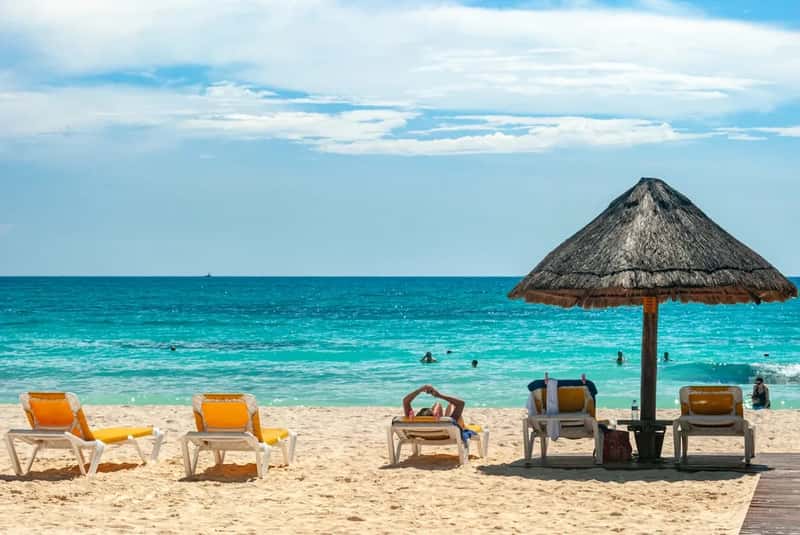
Cancún remains, by most measures, a manageable destination for tourists, but it’s not the sealed-off bubble some travelers assume. Mexico is generally safe for tourists, especially in areas like Mexico City, Cancún, and Playa del Carmen, though like in any big city, petty crime such as pickpocketing can occur, particularly in busy tourist spots. The advice that follows is fairly standard, but worth repeating because it’s easy to get complacent in resort mode.
Sticking to registered taxis or using Uber for safer transport, especially at night, and avoiding walking alone in less populated areas after dark, remain sensible precautions. None of this is meant to scare anyone off. It’s simply a reminder that a heavily touristed destination isn’t automatically a risk-free one, and a little vigilance costs nothing.
The bubble feels harder to ignore

There’s a particular workaround that’s become common enough to say something about the state of the destination itself. When sargassum piles up on the beach, the go-to fix has become buying a resort day pass elsewhere, essentially paying for a pool and a bar instead of the ocean you came for. A resort day pass, offering full pool access, swim-up bars, and food and drinks at a Cancún resort, has become the fastest pivot when travelers arrive to find seaweed on the sand.
That’s a reasonable practical fix, and it works fine in the moment. But it also captures something a little deflating about the whole model. You fly for hours to reach a specific stretch of Caribbean coastline, and increasingly the backup plan is to retreat into a fenced pool complex that could, in theory, exist almost anywhere warm. The beach starts to feel optional rather than the whole point.
Quieter alternatives are finally getting attention

The upside of Cancún’s growing pains is that other parts of Mexico are stepping into the spotlight, and for good reason. Bacalar, a few hours south, has become the destination most often mentioned in the same breath. Bacalar has become a quieter alternative to heavily touristed cities such as Cancún and Tulum, offering Maya ruins, a historic fort, a colorful downtown, and a dazzling lagoon.
On the Pacific side, the appeal is different but the logic is the same. Towns like Bucerías, with its cafe-lined beach and live-music bars, and the golden beach of La Cruz de Huanacaxtle, offer a slower, less commercial pace than Cancún’s Hotel Zone. None of these places offer the exact same convenience or nightlife, but that’s arguably the point. They trade a bit of polish for a lot more room to actually relax.
Timing still matters, but the safe window is shrinking
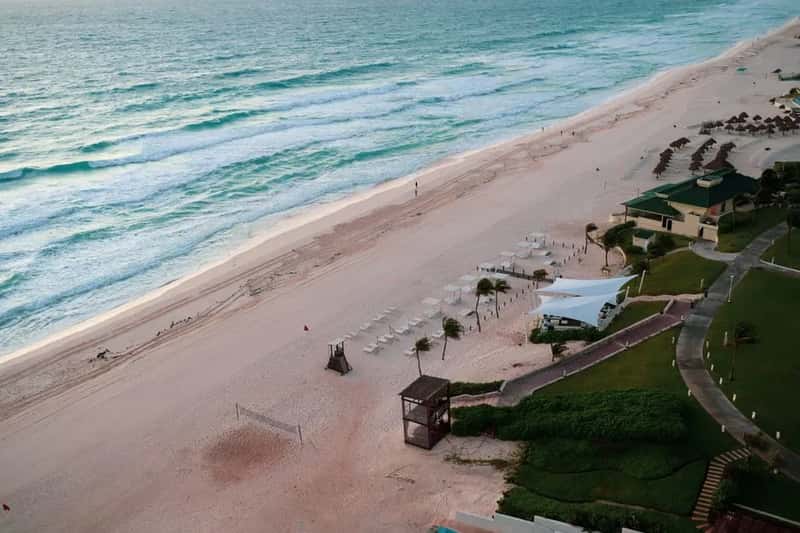
If you’re still set on Cancún, timing your trip carefully makes a real difference, though it’s a smaller safety net than it used to be. December and January are typically the safest months for clear water, though 2026 has shown that even winter is no longer guaranteed. That caveat matters more than it sounds like it should.
Shoulder months still offer some relief from both crowds and costs. For travelers who want to experience Cancún without the heaviest crowds, going during in-between months like late April, May, October, or November tends to bring great weather and fewer tourists, letting visitors enjoy the beaches, nightlife, and local culture without feeling as stressed out. It’s not a perfect fix, but it’s the closest thing to a reliable strategy left for anyone determined to make the trip work.
Final thoughts
None of this means Cancún has lost its appeal entirely, or that it deserves to be written off wholesale. The flights are still convenient, the infrastructure is still extensive, and for a certain kind of traveler, that reliability is worth a great deal. What’s changed is the value equation, the sense that the cost, the crowds, and the unpredictable coastline no longer add up to the effortless escape it once promised.
I didn’t stop loving the idea of a Caribbean beach vacation. I just stopped assuming Cancún was automatically the best way to get one. Sometimes giving up on a place isn’t about resentment, it’s just about noticing that the reasons you loved it have quietly shifted, and being honest enough to shift with them.