For nearly two years, my retirement plan had one word attached to it: Mexico. I built spreadsheets, saved photos of colonial doorways, and pictured myself paying half of what I’d pay back home for a place with a rooftop terrace and decent Wi-Fi.
Then, somewhere between reading fine print on residency visas and comparing notes with people who’d actually made the move, the picture stopped holding together. This is the story of how that happened, and where I ended up putting down roots instead.
The Mexico Dream That Almost Was
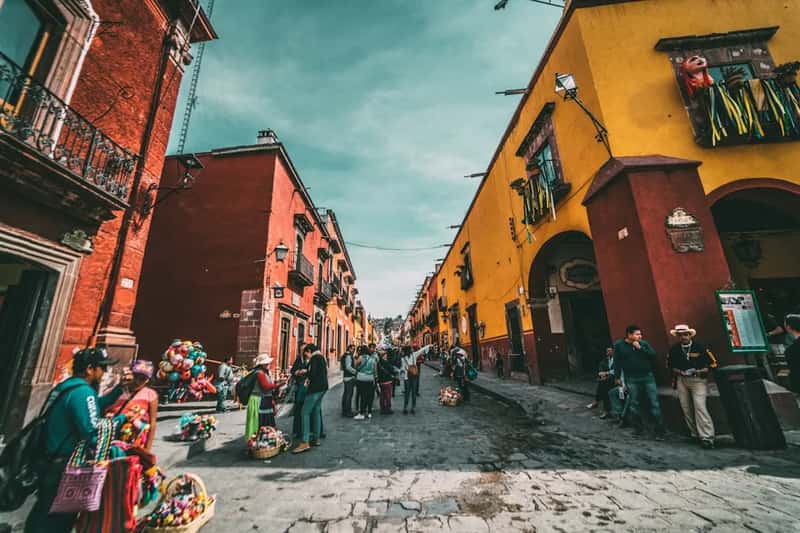
Mexico made sense from the very first search. It’s close, it’s familiar in some ways, and it has long been the default answer for North Americans looking to stretch a fixed income. Mexico has long been the go-to for North American retirees seeking sun, culture, and value, with proximity to the U.S. and Canada often just a few hours’ flight, a low cost of living, excellent healthcare in major cities, and a large expat network.
I looked hard at the classic circuit: Lake Chapala, San Miguel de Allende, Puerto Vallarta. One of the biggest advantages of retiring in Mexico is the sheer variety of places you can call home, whether a cosmopolitan city, a charming colonial town, or a beachside spot to fit every retirement lifestyle and budget. On paper, it looked like exactly the kind of low-risk first move abroad that everyone recommends.
Visa Rules That Kept Moving the Goalposts
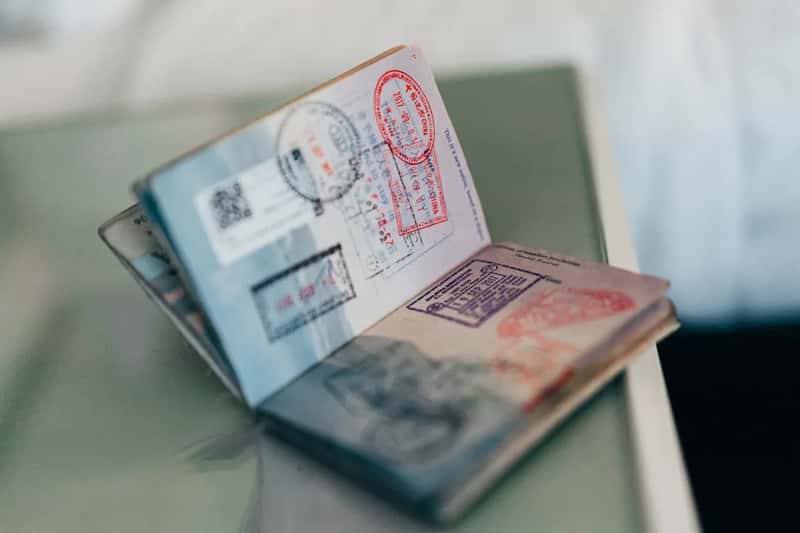
The residency process is where the fantasy started meeting the paperwork. The Temporary Resident Visa is for those intending to stay from six months to four years, requiring a monthly income of approximately $4,350 or savings of around $72,500, while the Permanent Resident Visa requires a higher monthly income of about $7,250 or savings near $290,000. Those numbers aren’t outrageous, but they’re not nothing either, especially once you start comparing them against what other countries ask for.
What struck me most was how much the threshold jumps between temporary and permanent status. A permanent resident visa is less common because you must prove more savings or income to qualify. I kept doing the math and realizing that if my income ever dipped below a certain line, my legal footing in the country could get shakier just when I’d want it to be most stable.
Watching Prices Catch Up With the Dream
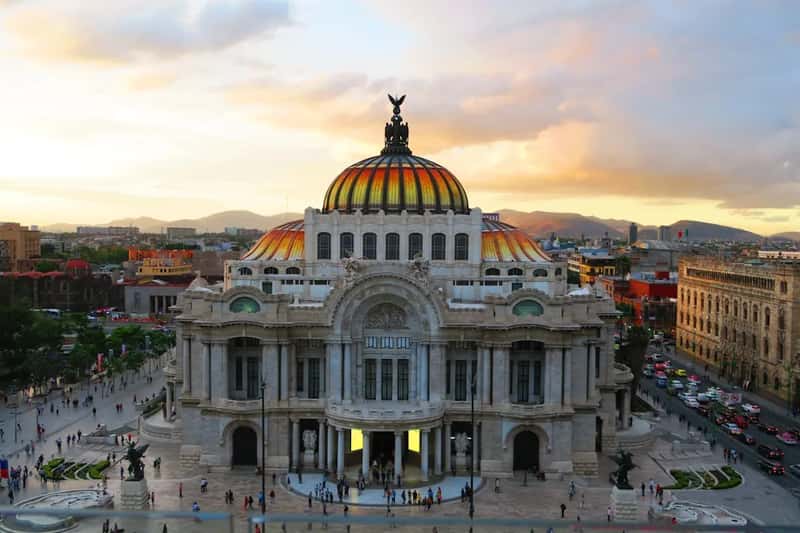
The cost of living argument is the one that pulled me toward Mexico in the first place, and it’s also the one that started to unravel under closer inspection. Popular expat destinations like Puerto Vallarta and Mexico City have experienced dramatic cost increases in recent years. The old promise of an incredibly cheap paradise doesn’t match what current residents are actually reporting.
Rent turned out to be the sharpest edge of that problem. Rent has become especially problematic, and in cities like Monterrey or Guadalajara, housing competition has intensified, leading to price surges that price out both locals and budget-conscious foreigners. I didn’t want to build a retirement around a number that might not hold for five years, let alone twenty.
Healthcare Beyond the Expat Bubble
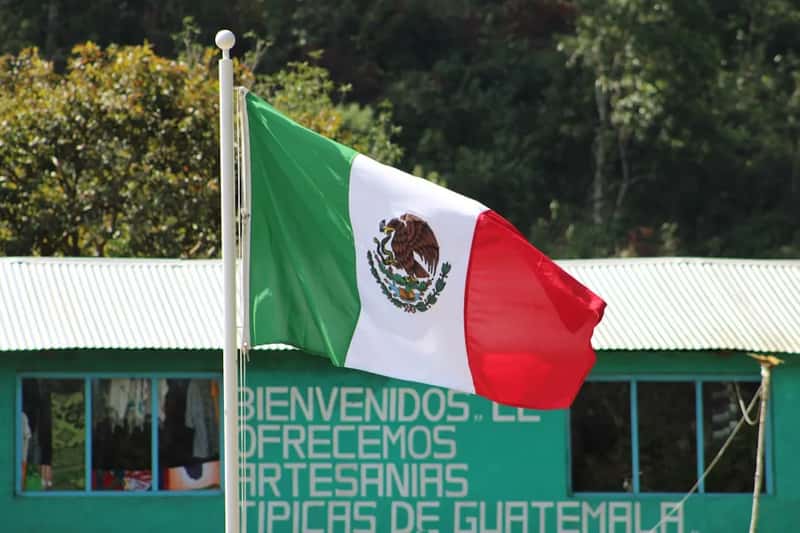
Healthcare in Mexico’s major expat hubs is genuinely solid, and I never doubted that. Public options are also cheap by American standards, since public healthcare through IMSS runs $61 monthly for people ages 50 to 59, $85 for ages 60 to 69, and $88 to $93 for those 70 and older. My hesitation wasn’t about today’s care so much as care a decade or two down the road.
Guides that look past the glossy brochures make a point worth sitting with. While there are great medical facilities in big cities and famous expat spots, rural areas may not have as many high-tech medical services, meaning retirees might have to travel to bigger towns for specialized or long-term care. That’s fine if you stay in a hub, less fine if life pulls you somewhere quieter later on.
Hurricane Season Changed My Math
I hadn’t given much thought to weather risk until I actually looked at the calendar for the coastal towns I liked. Mexico’s coastal areas face hurricane season from June to November, with peak activity from August through October. That’s nearly half the year with some level of storm risk hanging over the exact regions most retirees gravitate toward.
It’s not a dealbreaker by itself, plenty of coastal places worldwide deal with storm seasons. Still, it added another line item to an already growing list of things I’d need to plan and budget around, from insurance to evacuation routes to property upkeep after a bad season.
The Safety Research I Couldn’t Unread
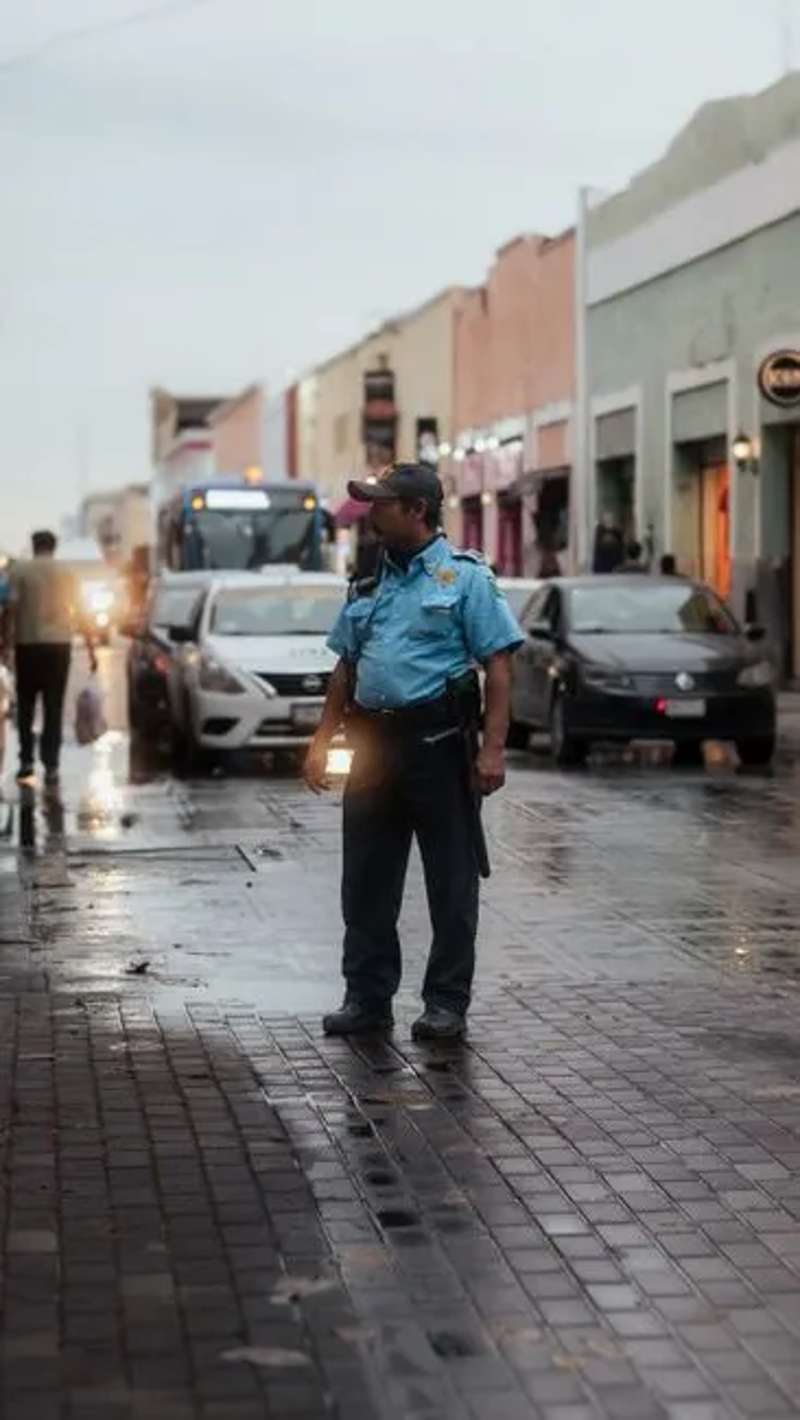
Every balanced source I found repeated some version of the same caveat, and after a while it stopped feeling like boilerplate. Popular areas for expats are usually safe, but there are some places where crime is higher and violence happens from time to time, so it is important to know how safe different places are and use common sense. Reading that once is reassuring. Reading it in guide after guide starts to feel like a pattern worth taking seriously.
None of this means Mexico is unsafe for the retirees who live there happily, and there are millions of them. It just meant I was going to spend real mental energy on neighborhood-level research rather than trusting a general national reputation, and that energy cost started to weigh on me the same way the financial numbers did.
A Different Country Entered the Conversation
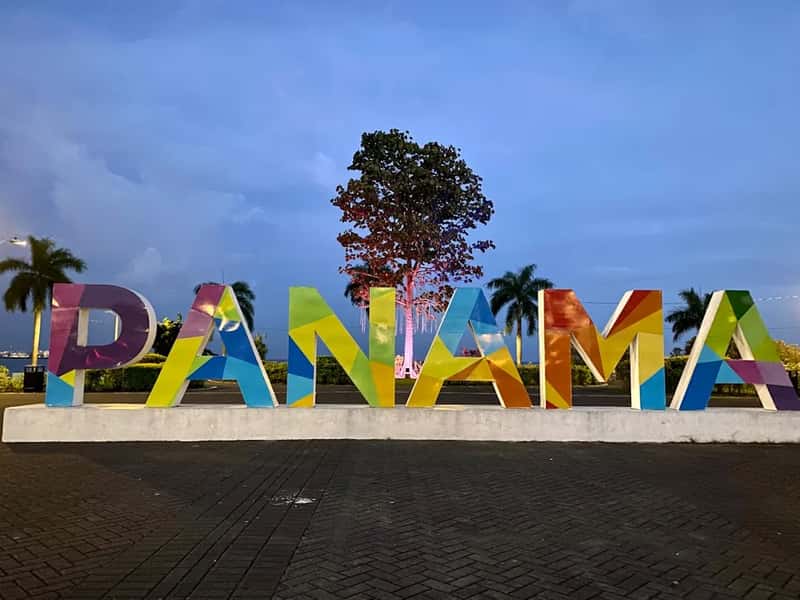
Around the time I was reconsidering everything, Panama kept coming up in comparisons I hadn’t expected. It’s often mentioned in the same breath as Mexico for a simple reason: it offers a similarly easy first move for Americans. Mexico and Panama tend to be easier first moves for Americans, since proximity, dollar economies, and familiar healthcare systems reduce the adjustment.
What pulled me in further was learning that Panama’s entire economy runs on U.S. dollars, which removes an entire category of financial worry. There’s no currency conversion to track, no exchange rate eating into a fixed pension, and no need to guess what a Social Security check will be worth in local terms six months from now.
Why the Pensionado Visa Won Me Over

The visa itself is what finally tipped the decision. Panama’s Pensionado Visa is a permanent residency program for retirees with a verifiable lifetime pension of at least $1,000 per month. That’s roughly a quarter of what Mexico’s permanent residency income requirement runs, and U.S. Social Security counts toward it directly.
The residency itself is also immediate rather than staged. Applicants receive immediate permanent residency and enjoy retiree benefits such as healthcare, transport, entertainment discounts, and territorial tax advantages, and the program is available to retirees with a guaranteed lifetime pension from a foreign government, international organization, or legally operating private company. No years of temporary status, no renewal anxiety, and a documented discount package that isn’t a marketing gimmick but a legal entitlement.
Choosing Boquete Over the Coast
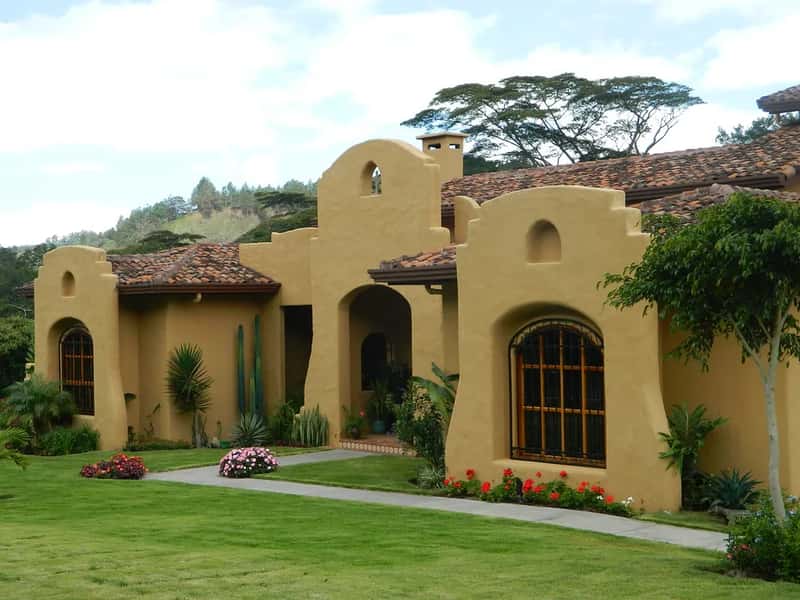
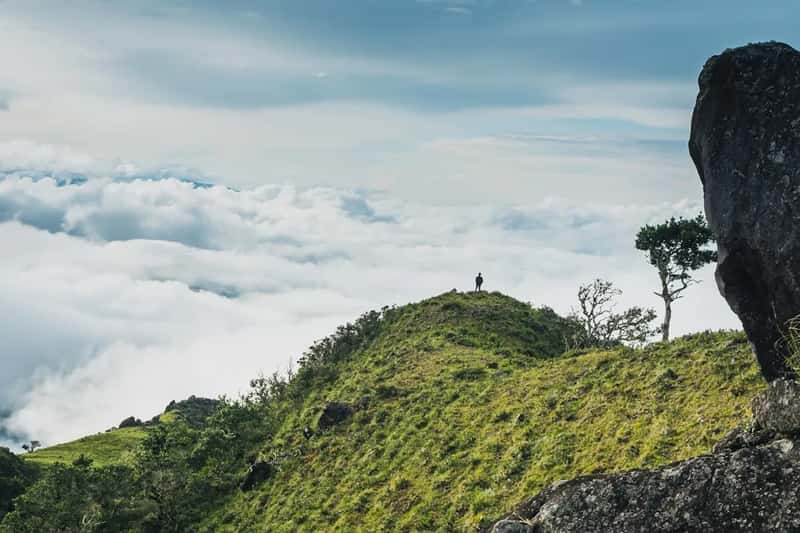
I skipped the beach towns and settled on Boquete, a highland town in Chiriquí province that keeps coming up in retirement rankings for good reason. The average low temperature hovers around 60°F, with highs ranging from 79°F to 87°F, comfortable temperatures that are the reason so many expats and retirees settle there. No hurricane season to track, no brutal humidity, and no air conditioning bill eating into the monthly budget.
The community was another draw. Over 25,000 American retirees live in Panama, with top communities in Boquete, Panama City, and Coronado. It’s a smaller circle than what Mexico’s expat hubs offer, but it’s established, organized, and easy to plug into within the first few months.
What I Gave Up, and What I’d Tell You
None of this came without trade-offs, and I try to be honest about that instead of pretending the move was flawless. Boquete’s expat scene is smaller and more concentrated than the sprawling networks you’ll find around Lake Chapala or Puerto Vallarta, which means a narrower social net for people who need a wider one. Boquete is still Panamanian, and learning some Spanish and respecting local culture goes a long way toward a smoother, more rewarding experience.
For serious medical needs, the nearest major hospital is a real trip rather than a short drive. Mexico still deserves its reputation as one of the easiest, most affordable places for Americans to retire, and for a lot of people it remains the right call. For me, the combination of a lower visa threshold, a dollar economy, a mild climate, and a legally guaranteed discount program made Panama the better fit, and Boquete specifically the place where the numbers and my comfort level finally lined up.
Final Thoughts

Retirement planning abroad rarely comes down to one factor. It’s the slow accumulation of visa fine print, cost trends, weather patterns, and gut feelings about safety that eventually tips a decision one way or another.
Mexico worked for the version of my plan that existed two years ago. Panama’s Pensionado Visa, its dollar economy, and a highland town with spring weather year-round worked for the version of the plan that actually got built. Whichever country ends up making sense for someone else, the lesson that stuck with me is simple: run the numbers past the brochure, and let the details you didn’t expect to matter have their say.