
I think we’re all glad that the COVID pandemic is now so far in the past that we’re not sure if it was a distant memory or a fabricated nightmare. I well remember when it first hit. I arrived in Denver, Colorado the day before Trump imposed travel restrictions on European and, later, British citizens.

The first sign that something was up was that the CBP officer who stamped me in gave me no grilling whatsoever. Instead, he made jokes about “infectious British people” and told me I’d be lucky if I ever got home. At that point, none of us could imagine the magnitude of what was about to hit us.
A Winter Became a Lifetime
The months, then years, which followed weren’t easy for anyone. Life back in southern England became one monotonous bore after another. My small, friendly village had changed for the worse. Whereas once neighbours and strangers would pause to say “good morning” or give a friendly wave as they passed, now we crossed the road to avoid one another, cowering as if each person we looked at was the Grim Reaper.
With travel bans seemingly never-ending, my wings had been clipped and the only chance of any excitement stemmed from the occasional work trip to Germany. Eventually, I’d had enough, and decided I needed some form of adventure. The only legally acceptable form of adventure was to move house.
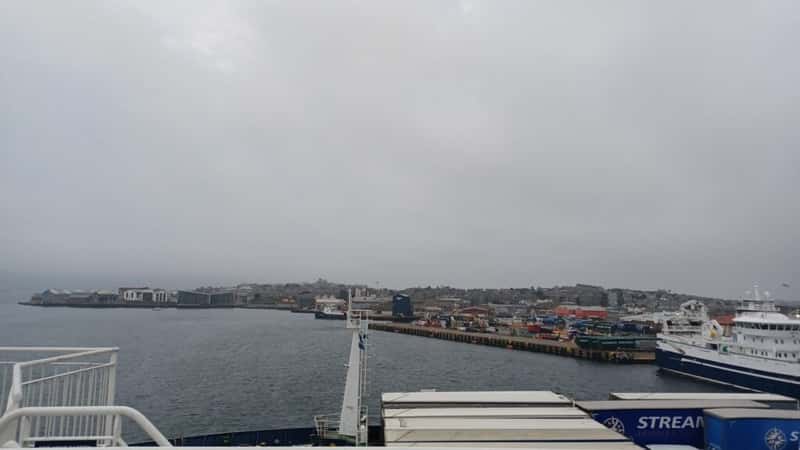
After some days of scrolling through job listings, I found something suitable. That very evening, I’d been offered the job, and had a ferry to Shetland booked for the following week. It was somewhere completely new to me. A family friend kept a second home on the islands and was always raving about how beautiful it was, and unlike a man I met recently who moved here having thought he’d applied for a job on the Isle of Sheppey, I knew where it was. What could go wrong?

My plan was always to stick with it until the pandemic subsided, then return to my former life. Spring came and went, taking the Covid restrictions with it. But five years on, I’m still here in Britain’s northernmost outpost.
Why Shetland?
It’s One of the Safest Places on Earth
Like many isolated places, one thing Shetland is always short of is tradespeople. If you’re a builder, plumber, or otherwise good with your hands, you will never be out of work here. There is, however, one exception to that rule: locksmiths.

When I first moved into a rental property in the north of Shetland’s main islands, I wasn’t even given a key. I asked, but the landlord looked at me as if I wasn’t quite right in the head. Doors here don’t get locked. It took a while to get my head around it, but the lack of need for keys is now so ingrained in my mind, whenever I go back to the mainland, I find I’m leaving my car unlocked in city centre car parks.
Crime here is low, very low. If you think about it, it makes perfect sense. The only way on or off the island is by plane or ferry, and options for both are limited. If anyone did steal something, the chances of them getting away with it are very slim.

Indeed, the only time leaving my front door unlocked has caught me out was waking up one morning to find a neighbour asleep on my living room floor after a night in the pub. And it’s not just your belongings which are safe here.
Despite the hit BBC drama Shetland doing its best to suggest to the contrary, Shetland has one of the lowest violent crime rates in the country. In fact, as violent crimes go, Shetland consistently ranks within the safest three areas of the UK. This is the sort of place children can play on the streets until long after dark without their parents having to worry.
The Scenery is Spectacular
Our winters are long and harsh, there’s no denying that, but they’re worth it. On a sunny day in Shetland, there’s nowhere in the world I’d rather be.

Those winters aren’t all bad either. Wet, windy days are sometimes the best to truly appreciate Shetland’s wild, rugged beauty. After all, no one moves here for the weather; they come for the uniqueness.
That said, if you’re thinking of visiting Shetland, I do recommend coming in spring or summer. Make the most of our long summer nights; being this far north means, around the summer solstice, it never gets truly dark. In winter, the days are short, but we’re rewarded with the chance to see the Northern Lights.
Beauty spots like Sumburgh Head, St Ninian’s and Spiggie will keep your eyes occupied for days. Shetland’s other biggest draw is its wildlife.
With such a sparse population, wildlife flourishes here. To put things into perspective, Shetland is home to 23,000 people. It’s also home to 230,000 sheep. Flecked sheep, our native breed, aren’t found anywhere else.

But it’s the Shetland Ponies that most people come to see. Unlike some parts of the UK, Dartmoor, for example, Shetland Ponies don’t run wild. All the ones you see are bred and owned, either by professional breeders or by crofters. For a Shetland Pony to be classified as such, it has to be thoroughbred and mustn’t exceed 107cm in height.
Through summer, Shetland attracts twitchers in their hundreds. Bird watchers come from all over to visit the cliffs of uninhabited Noss, remote Fair Isle and Sumburgh Head. Even for those who don’t come for the birds, the chance to see a puffin at Sumburgh is always a thrill.
It’s Self-Sufficient
Many Scottish islands these days rely heavily on tourism. As the pandemic proved, overreliance on any one income stream is never a good idea. In Shetland, things are a little different. Whilst tourists are very much welcomed, they’re not required to sustain the island’s blossoming economy.

Fishing has always been the way of life in Shetland. It’s not just a way to survive, but something Shetlanders excel at. Our two largest ports, Lerwick and Scalloway, land more 19% of all Scottish fish, and, in 2023, over £99million’s worth was landed here. So good are Shetland’s fishermen, the island of Whalsay has more millionaires per square mile than anywhere else in the UK. Those millions, all reaped from the sea.
On top of fish, Shetland is a leading producer and exporter of wool. Authentic Fair Isle knitwear is worth a pretty penny. In more recent years, energy has been a mainstay of the island economy. When oil was discovered in the North Sea, Shetland didn’t miss a beat getting involved. Today, the island still serves as a base for offshore helicopters. Around 20 years ago, despite having no mains gas, Shetland opened a gas plant and, in the last five years, work has started on the largest inshore wind farm in the country.
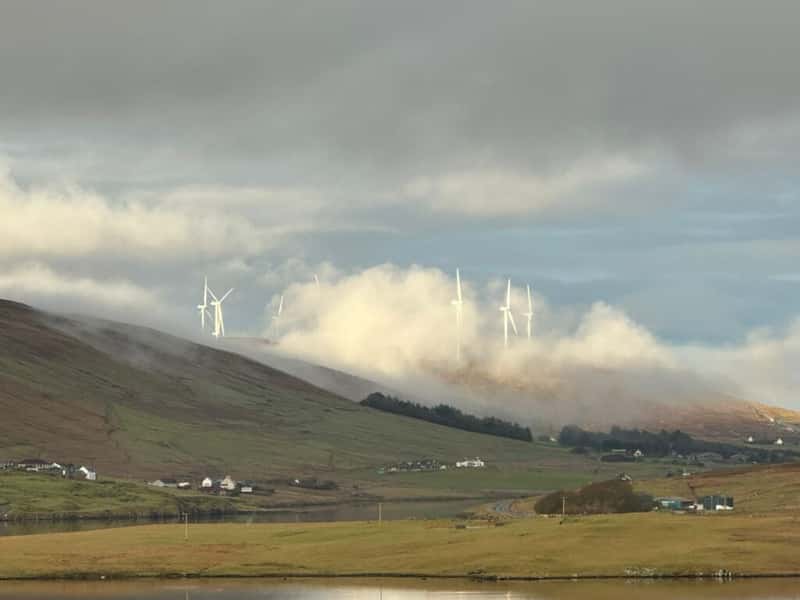
Shetland’s self-sufficiency goes far beyond economics. Most of us, it pains me to admit, shop at the island’s only supermarket (a branch of Tesco). When the seas turn rough through the winter,r and the freight boat doesn’t sail, Tesco’s shelves run bare.
But never is there a shortage of anything in Shetland. Our thriving local shops stock local produce to keep us going whatever the weather. In reality, Tesco could close tomorrow and we’d still get by, albeit with a little less convenience.
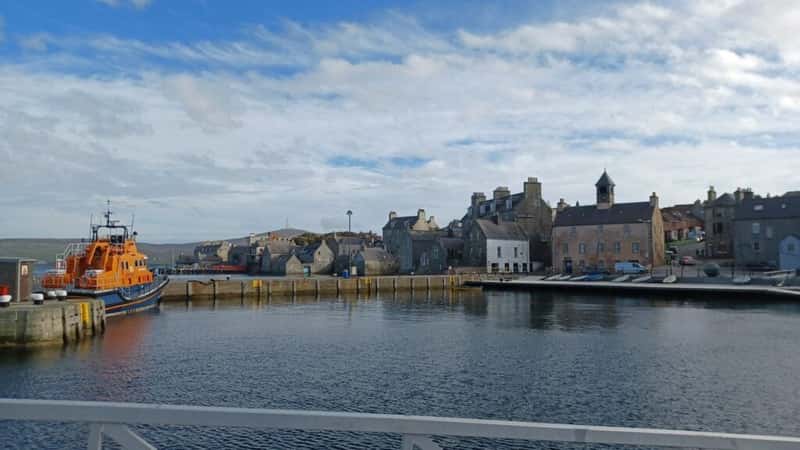
A Sense of Community
As I mentioned earlier, one of the final pushes which made me leave England behind five years ago was the loss of a sense of community. That community Covid killed in rural South Oxfordshire is very much alive and well here in the Northern Isles.
One thing which never fails to amaze me about Shetland is how welcoming it is. It doesn’t matter who you are or where you’re from, Shetlanders will accept you and allow you to integrate into their island home. Before I moved here, I had visions of a Wicker Man-like existence. That couldn’t be further from the truth.
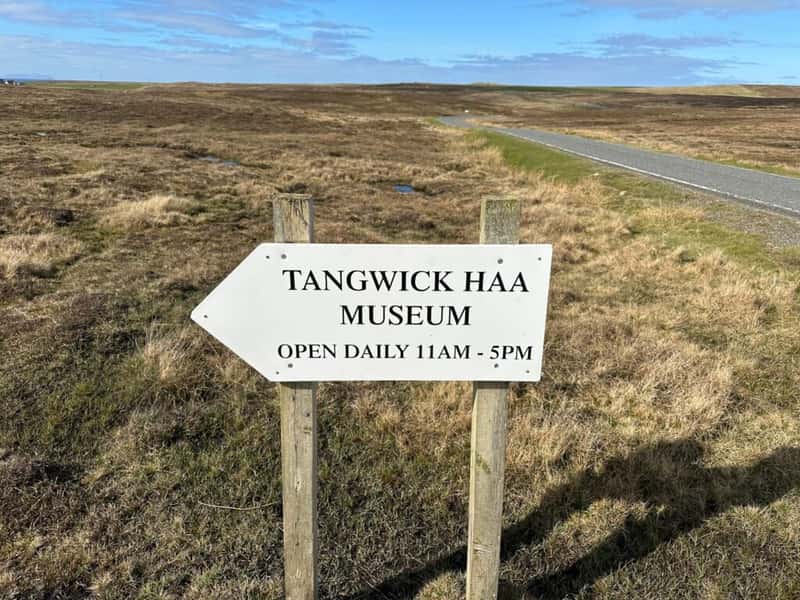
This is the sort of place where you can walk into a neighbour you’ve never met’s house to borrow a tea bag. When the power goes off in bad weather, there’s always someone nearby with a gas heater to lend you. And you can’t go for a walk along the road without someone stopping to offer a lift.
Shetland’s One Downfall
No place is perfect, even if I like to think my adoptive island home is as close as you can get. I can live with my Amazon deliveries taking an extra couple of days, the need to shop around when Tesco’s shelves run bare and a slightly higher cost of living. But there is one thing, as a traveller, that I struggle with in Shetland. The difficulties of leaving the island.
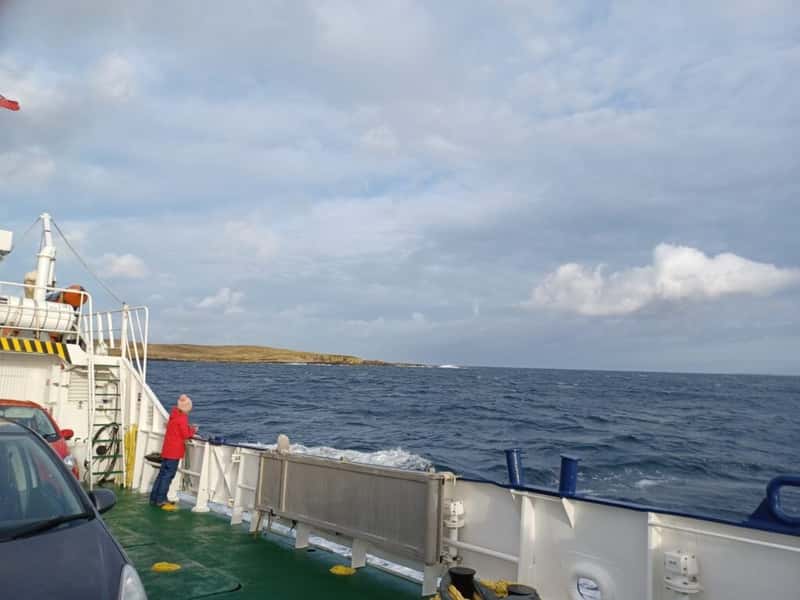
Aside from our daily overnight ferry link to Aberdeen on the mainland, we’re relatively well connected to the rest of the UK by air. Loganair flies turboprops six or seven times a day from Aberdeen, Edinburgh, Inverness and Glasgow, as well as to Kirkwall in Orkney. Through the summer, we have a direct one-stop flight to London Heathrow, and even a twice-weekly international link to Bergen, Norway.
The problem with our transport links is that, like everywhere, they’re reliant on the weather. Unlike everywhere, Shetland is blessed with very unpredictable weather. Even in summer, sea mist isn’t uncommon and gale-force winds are more the norm than the exception.

For me, this means factoring in an extra day on either side of my trips to account for possible delays and cancellations. That, in turn adds to the cost of what is already a costly journey. Whilst island residents receive a 50% discount on the base fare of flights, it’s not uncommon to pay the same to fly from Shetland to the Scottish mainland as you would from London to New York.
But this is, quite literally, the price we pay for living in paradise. I wouldn’t change it for the world.