Two years ago I kept a running list of restaurants with four and a half stars or higher, the kind of places friends texted screenshots of the moment they landed a table. I chased that list for a while, planning trips around it, saving up for tasting menus, treating a reservation confirmation like a small personal victory. Somewhere along the way the whole thing stopped feeling like a treat and started feeling like a chore, and I didn’t expect that to be the thing that finally changed how I eat.
What follows isn’t a rant against good food or the people who cook it. It’s more of an honest accounting of what happened once I started paying attention to the gap between a rating and an actual meal, and why that gap seems to be widening rather than closing.
When booking a table became a part-time job
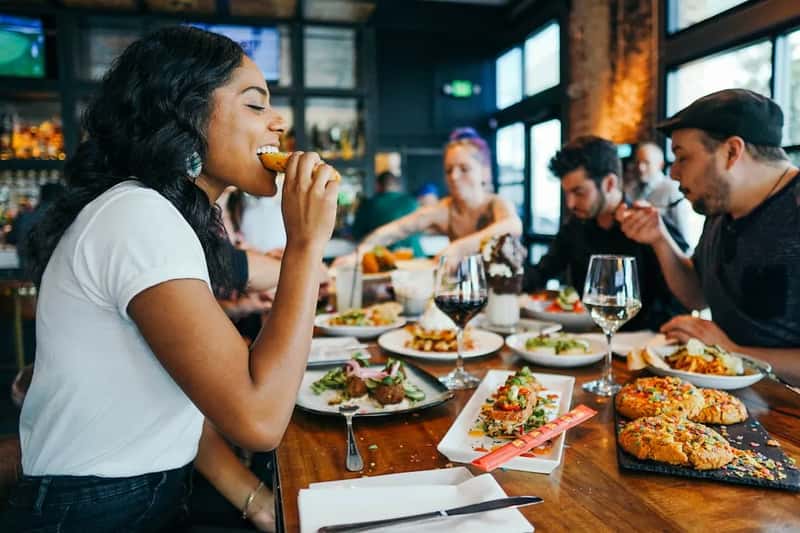
The first crack showed up in the reservation process itself, long before any food arrived. Getting a seat at a genuinely top-rated restaurant now often means competing against credit card perks, paid membership clubs, and apps that quietly reserve their best tables for power users. High-end restaurants across the country are getting harder to access, and a web of dealmaking is a big reason why, according to the Wall Street Journal, with reservation apps racing to lock in tables exclusively for their top users, credit card companies paying restaurants to hold seats as a cardholder reward, and membership clubs charging steep fees for tiered access.[1] Even the mechanics of the industry have shifted underneath diners, since DoorDash entered the fight last year, buying reservation platform SevenRooms for $1.2 billion.[1]
In cities like London the arms race has gotten almost absurd. Resale platforms now list some of the hardest-to-book tables at markups that can pass one hundred pounds a seat, and the restaurants cancel suspected resold bookings when they catch them.[2] I found myself refreshing an app at a set time every week just to get shut out again, and at some point I asked myself whether the meal itself was worth that much effort. It wasn’t.
The star system rewards consistency, not the night you’re actually having

Rating systems, whether it’s a guide with stars or an app with a five point scale, are built to reward reliability across thousands of visits, not the specific evening you happen to walk in. A restaurant can earn its reputation on a dish that was perfected years ago and coast on that reputation long after the kitchen team, the sourcing, or the energy in the room has changed. Nobody updates a plaque on the wall when a head chef leaves.
I started noticing that some of my most disappointing dinners came from places with the strongest reputations, simply because the gap between expectation and reality was so wide. A mediocre meal at an unranked spot barely registers. The same meal at a place everyone raves about feels like a small betrayal, and that asymmetry started coloring how I picked restaurants at all.
I stopped trusting the reviews themselves

This is the part that changed my thinking the most. Online reviews are supposed to be the great equalizer, the thing that lets a stranger’s honest opinion guide your choices better than a critic ever could. Except a meaningful share of those opinions aren’t honest at all. On average, a staggering 30% of online reviews are considered fake, meaning nearly one in every three reviews you read could be intentionally misleading.[3]
Restaurants have real financial incentive to game this. One additional star can increase a restaurant’s revenue by up to 9%.[4] Platforms know it too, which is why enforcement has ramped up so aggressively; Google alone blocked or removed 240 million policy violating reviews and 12 million fake business profiles in 2024.[5] Once I understood how much of that ecosystem exists to be manipulated, a five star rating stopped feeling like information and started feeling like marketing copy.
The price of admission kept climbing without matching improvement
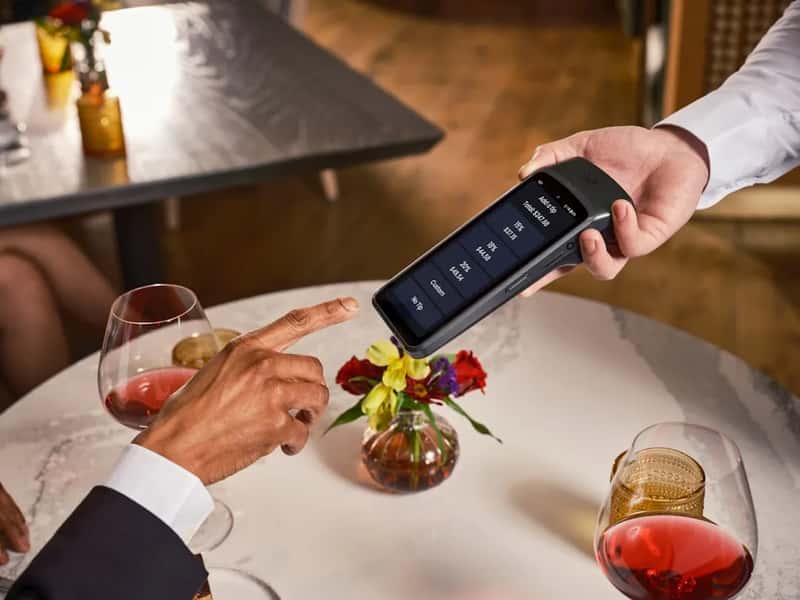
Tasting menus at the most celebrated addresses now regularly run past two hundred dollars a person before wine, service charges, or the almost mandatory optional donation line that shows up on the receipt. I don’t mind paying for craft. What started bothering me was paying premium prices for portions that seemed to shrink while the plating photography got more elaborate.
Minimum spends have also crept into the booking process itself, something that used to be reserved for New Year’s Eve and is now common on an ordinary Friday. Booking platforms sometimes pass their own fees down to diners in the form of these minimums, which means the cost of the meal starts before the first course even arrives. At some point the math stopped making sense to me, especially once I realized the rating that justified the price often wasn’t reliable in the first place.
Behind the stars, the pressure on kitchens is real
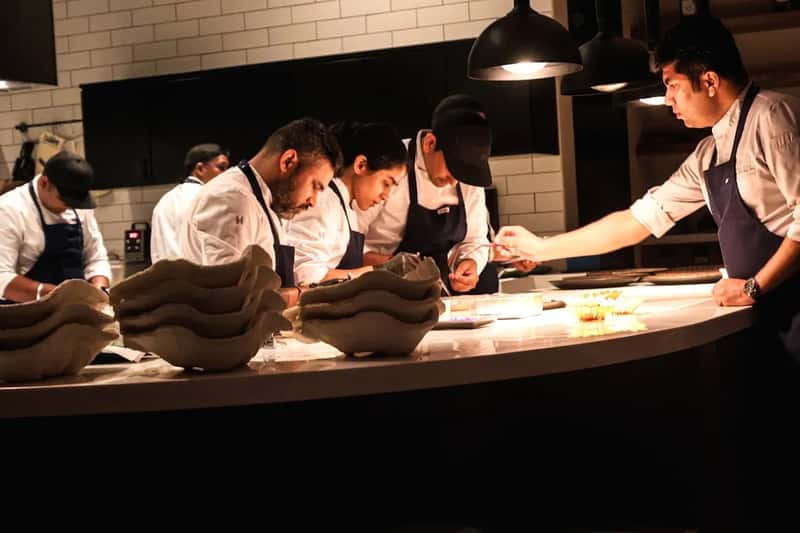
It’s easy to treat a rating as a static number, but there’s a person standing over a stove trying to defend it every single service. Some of the most respected chefs in the world have walked away from their own accolades because the weight of maintaining them became unbearable. In 2017, French chef Sébastien Bras requested that his restaurant’s three Michelin stars, held since 1999, be removed, citing that he was tired of the pressure they created.[6]
He wasn’t alone in that sentiment. For similar reasons, in 2011, chef Skye Gyngell of Petersham Nurseries in London called the star rating a kind of curse.[6] Even Noma, arguably the most influential restaurant on earth for the past decade, wasn’t immune to the economics behind the accolades. Chef owner René Redzepi began paying interns in 2022 after yielding to public pressure, and three months later announced the restaurant was no longer financially sustainable, with the concept closing at the end of 2024.[7] Once you know that story, it’s hard to look at a star rating the same way again, since it doesn’t just measure food quality, it measures how well a business survives the cost of chasing that quality.
Some restaurants actively refuse the recognition now
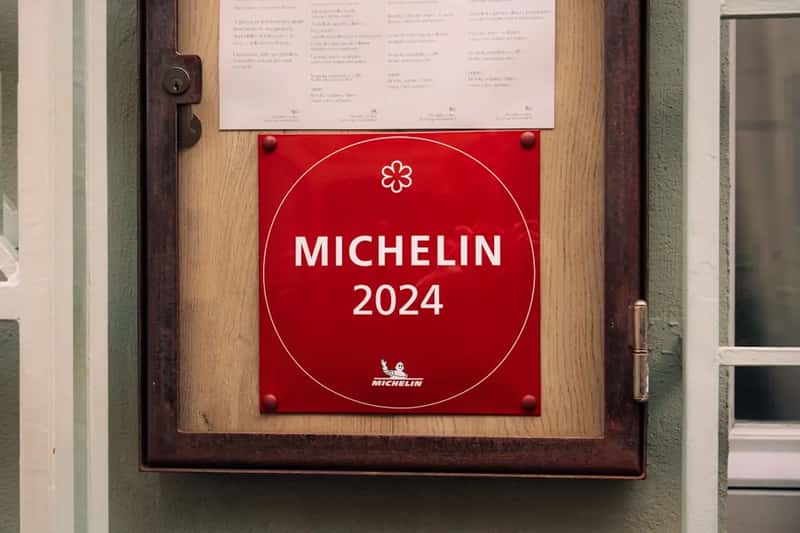
What surprised me most in researching this shift is how many places are choosing to opt out entirely rather than keep playing the game. A restaurant in Lucca called Giglio recently announced its intention to reject the Michelin star, with the owners writing that they wanted to return to work without having to think about maintaining standards set by others.[6] That decision wasn’t without consequence.
Their choice earned plenty of support online, but the guide responded accordingly. Their choice received various support on social media, but also some criticism from those who viewed the announcement as a way to gain publicity, anticipating a possible exclusion from the 2025 guide, which indeed happened.[6] A rating system that punishes a restaurant for stepping back voluntarily tells you something about how rigid the whole structure has become, and it made me trust the process behind the number even less than the number itself.
The best meal I had all year cost almost nothing
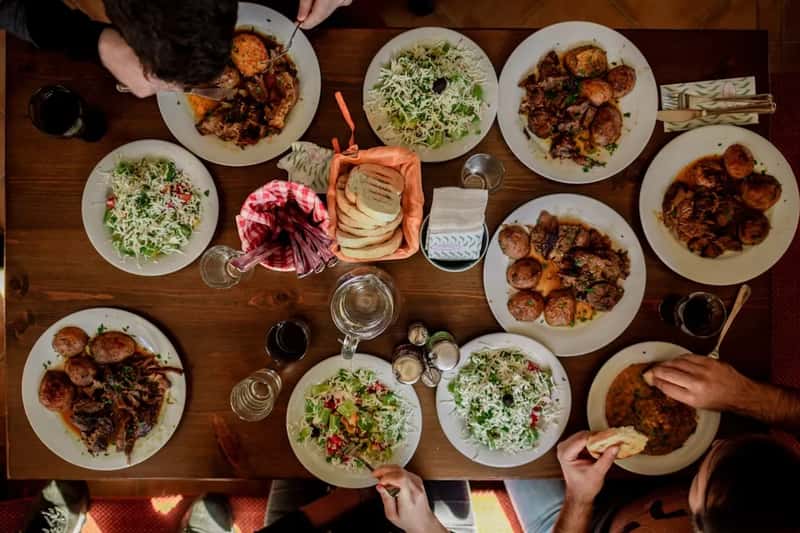
Somewhere in the middle of all this frustration, I had dinner at a small family run place near my apartment that has maybe forty reviews online and a rating that hovers around four stars, nothing remarkable on paper. The owner’s mother was in the kitchen. The portions were generous, the prices were fair, and nobody was performing for a camera or a critic.
I’ve thought about that meal more than almost any tasting menu I’ve had in the past two years. It reminded me that the experiences I actually remember rarely correlate with the number attached to them online. A place with a devoted regular crowd and modest reviews can outclass a heavily marketed destination restaurant on any given night, and increasingly I think that’s the more honest signal to follow.
Dinner started to feel like a stage set instead of a meal
There’s a specific kind of dining room now, bright enough for photos, quiet enough for video, with plating designed to be looked at as much as eaten. I don’t think that’s inherently wrong, but it changes the atmosphere of a place in ways that don’t show up in a star count. A restaurant optimized for content doesn’t always feel like a restaurant optimized for the people sitting in it.
I noticed I was spending more time waiting for someone at the next table to finish photographing their plate than I was talking to whoever I’d come with. That’s not the restaurant’s fault exactly, but it’s a byproduct of an industry where visibility online has become as important as the cooking itself. Once I recognized that pattern, a lot of “top rated” experiences started to feel more like sets than dinners.
What I actually look for instead of a star rating
These days I ask people who live near a restaurant whether they actually eat there, not whether they’ve heard of it. I look at how long a place has been open, since longevity in an unforgiving industry says more than a curated review section ever could. I also pay attention to whether a menu changes with the seasons or stays frozen because it’s afraid to disappoint an algorithm.
None of this is a perfect system, and I’ll still end up disappointed occasionally, but the disappointments feel smaller and cheaper now. I’ve traded the chase for something closer to curiosity, which sounds like a minor shift but has genuinely changed how often I enjoy going out to eat. The irony is that letting go of the rankings made the meals themselves matter more, not less.
Final thoughts
None of this means top-rated restaurants are frauds or that the people running them don’t deserve credit for what they’ve built. Plenty of celebrated places earn every bit of their reputation, and a good rating can still point toward something worth trying. What changed for me is the assumption that the number itself was the point, when really it was always just a rough proxy for something much harder to quantify: whether a room, a kitchen, and a plate of food come together on a given night in a way that feels honest.
I still eat out often, sometimes at places with big reputations and sometimes at places with almost none. The difference now is that I’m not outsourcing the decision to a score I no longer fully trust, and that small change has made the whole experience feel less like a transaction and more like what it was supposed to be in the first place.