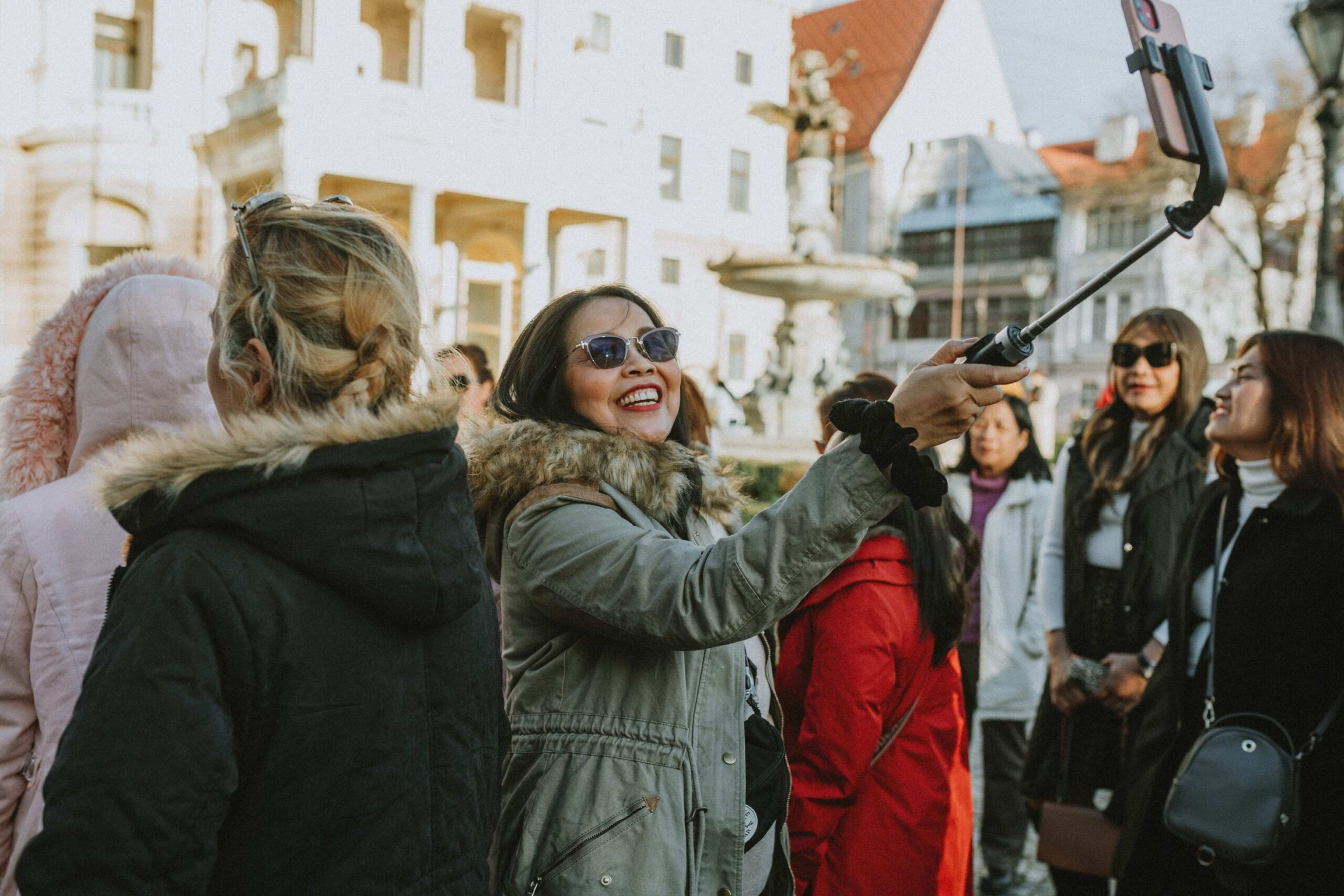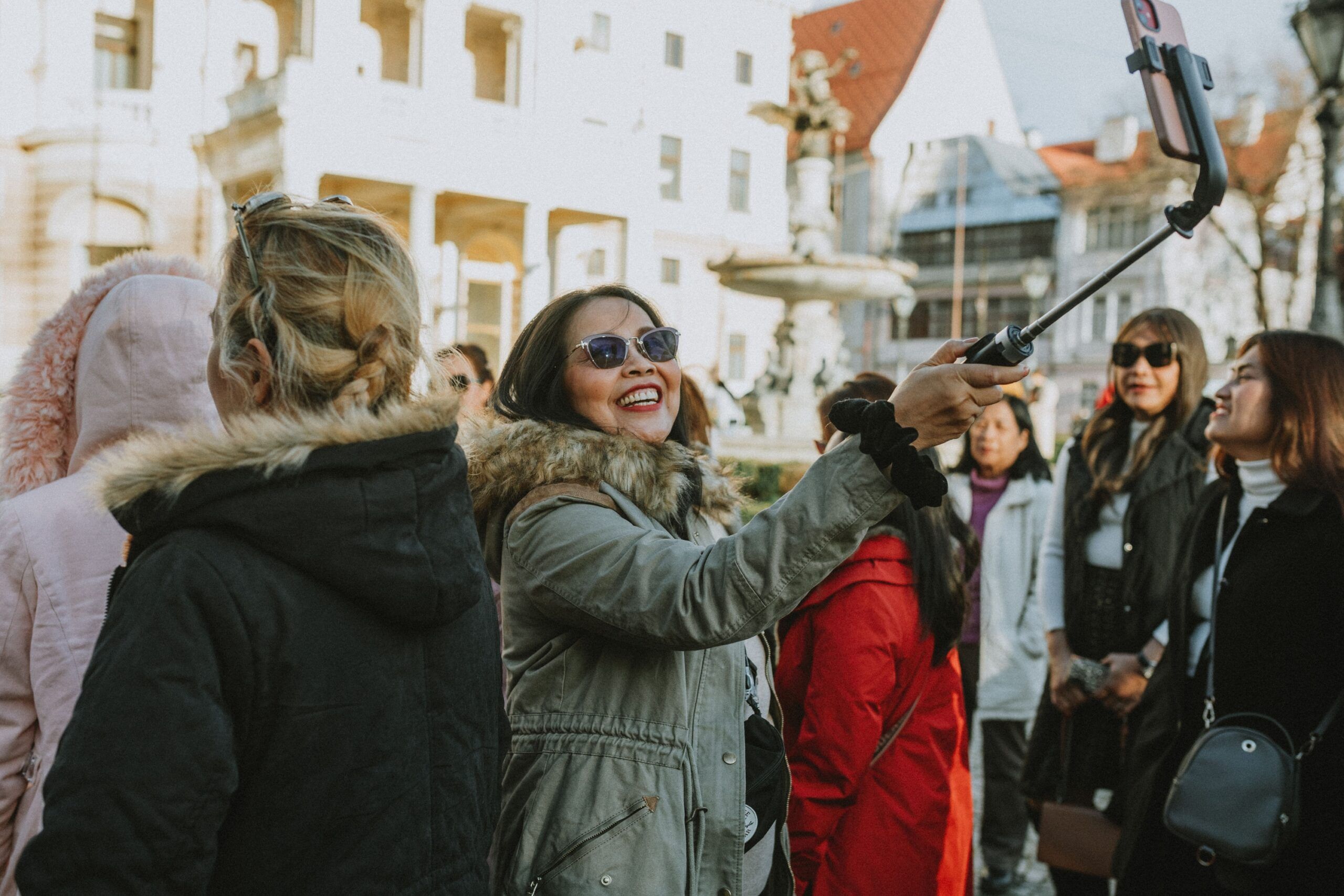
Plenty of people have stood on a pavement in a foreign city, watching a guide’s raised umbrella bob away down the street. The group follows, phones up, and anyone who stopped to look at something interesting gets left behind. I’ve decided that kind of trip isn’t for me.
That’s a personal preference, not a rule. The numbers on how people travel in 2026 suggest I’m not alone in it, though. Here are the reasons I plan my own trips, along with the data and the fair counterpoints.
A Schedule That Isn’t Yours

Group tours run on a clock. Departure times, meal stops and sightseeing windows are set for the whole bus, not for the one person who wants another twenty minutes in a market. That’s how the model keeps costs down, but it means curiosity often loses to the timetable.
Freedom is also what many experienced solo travelers say they value most. In a 2026 survey of experienced solo women, 85% valued freedom and flexibility[1], so the vast majority put it first. It’s one survey of one community, yet it matches what I feel when I wander without a schedule.
Crowds Are Being Regulated, and Groups Are the Target
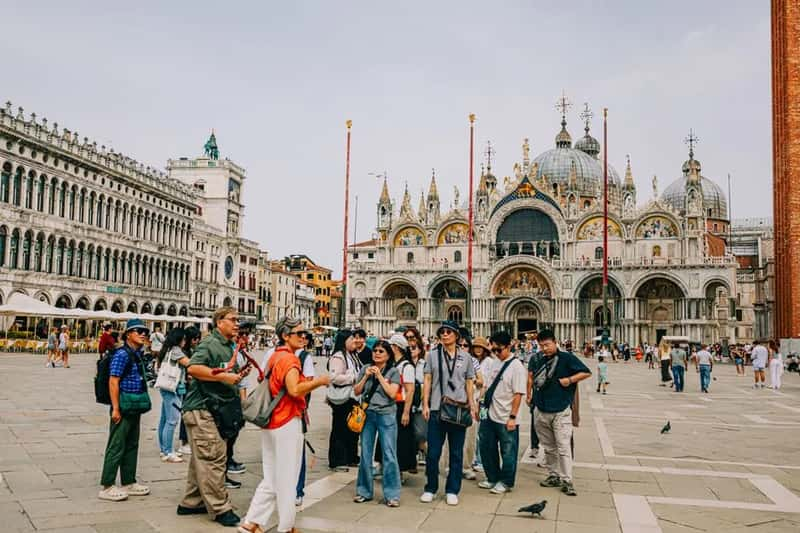
City officials have noticed what large tour parties do to narrow streets. Starting June 1, 2024, guided groups in Venice’s historic center and on Murano, Burano and Torcello were limited to 25 people.[2] Reports indicate that guides are also barred from using megaphones.[3]
Italy isn’t the only place doing this. Capri approved rules capping organized groups at 40 people ahead of the 2026 summer season.[4] Guides leading more than 20 people must use wireless earpieces instead of loudspeakers, and umbrellas or flags for marshaling visitors are banned.[4]
Group Tours Are Still Big Business
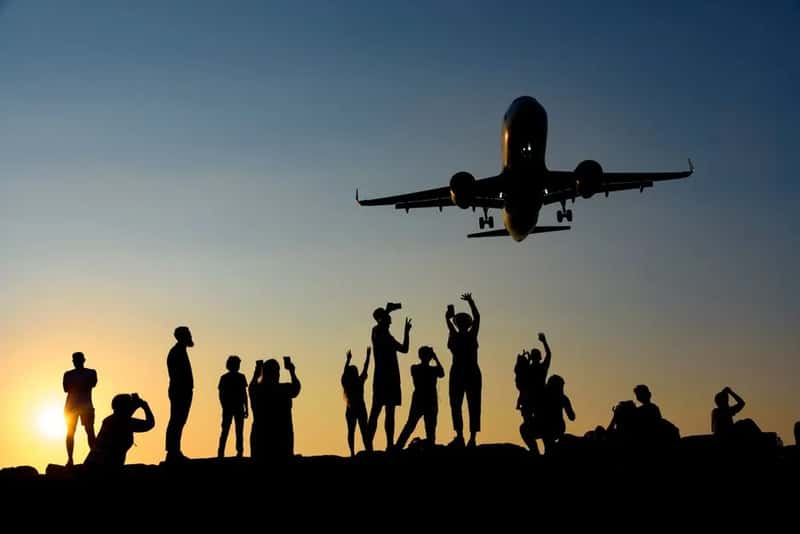
It would be misleading to say group tours are fading away. One market analysis valued global group travel at about 445.5 billion US dollars in 2024, and projects it to keep growing.[5] Forecasts like this vary widely between research firms, so I treat the exact figures with caution.
Another industry estimate puts the split in context. Group tours made up about 48.9% of tours and activities revenue in 2025, thanks to lower per person costs and wide accessibility.[6] The same report says individual travelers, meaning solo travelers and couples traveling independently, were the largest end user segment at roughly 52.3% of revenue.[6] In other words, the two styles are close to evenly matched.
Solo Travel Keeps Hitting Records
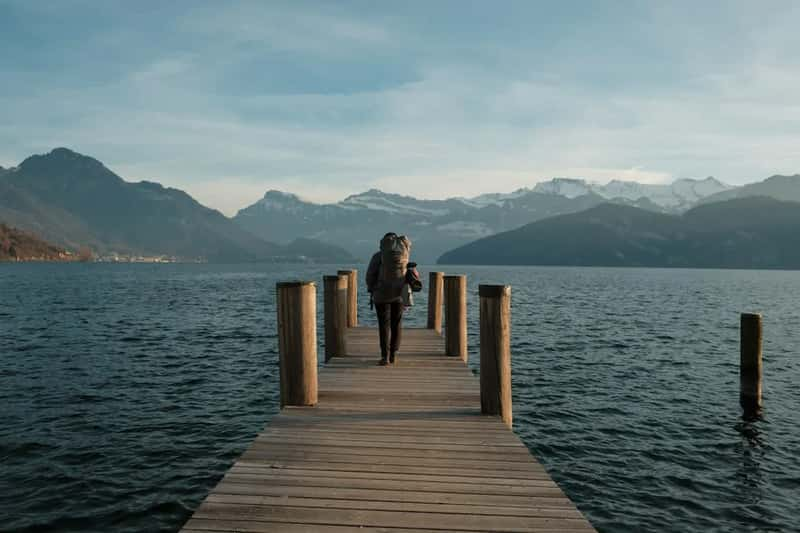
Interest in traveling alone is at a high point. A Go2Africa report found 1.6 million searches for “solo travel” in January 2026 alone.[8] It also shows searches for solo travel terms up 230% in ten years.[8]
Actual bookings tell a similar story. Hostelworld’s 2026 report draws on 4.5 million solo trips booked between July 2025 and June 2026, plus a survey of 3,309 people who travel alone.[9] That report comes from a company that sells solo trips, so the framing is upbeat, but the volume of bookings is hard to wave away.
What Your Money Buys When You Plan It Yourself
Group tours do tend to cost less per person. That’s a real advantage, especially on a tight budget. Still, cheaper isn’t the same as better value for every traveler.
The Go2Africa data suggests solo travelers don’t treat money as the main constraint. On a per person basis, solo travelers spend about 42.8% more than couples on average.[8] That’s roughly forty three percent more, and it hints that many people pay for choice and control instead of a bundled package. It’s worth remembering that this report is from a luxury safari company, so its sample leans upmarket.
Knowing Where You’re Going Before You Book
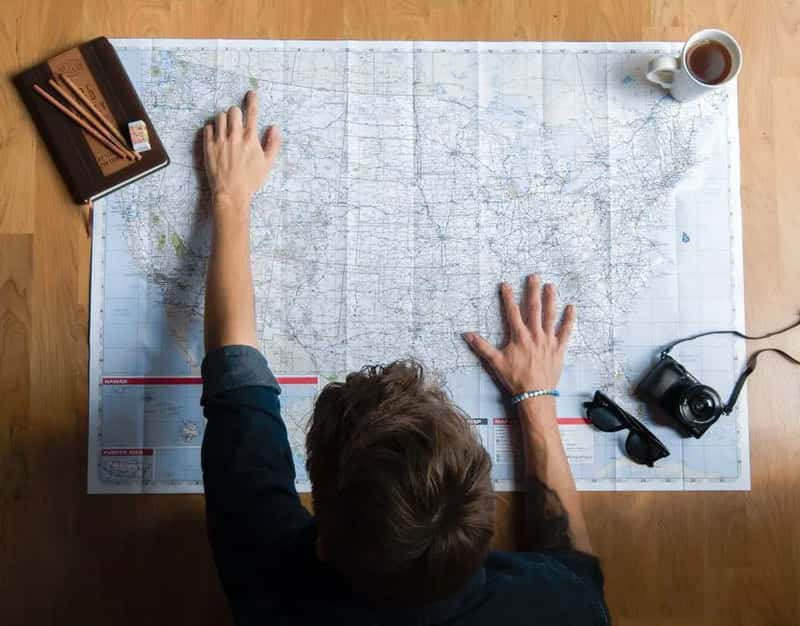
Planning your own trip takes effort, yet the people who do it seem to value that part. According to the Go2Africa report, 81.18% of solo travelers have a clear idea of where they want to go before booking.[10] That’s up from 72.83% in 2024.[10]
So roughly four in five arrive with a destination in mind, compared with closer to three in four two years earlier. For me, the research is half the fun. A tour hands you a finished itinerary, whereas planning yourself lets you build one around what you actually want to see.
Dodging the Spots Everyone Else Is Visiting
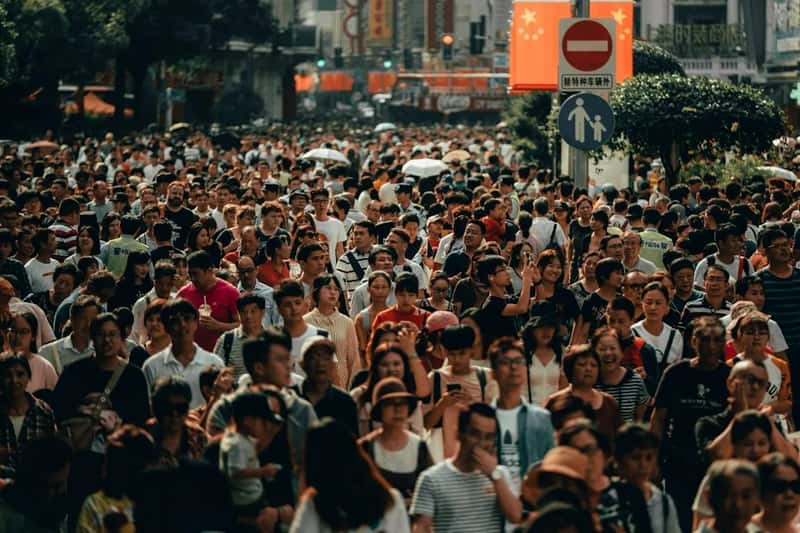
Many travelers are now trying to get away from the busiest places. Booking.com’s 2026 survey found 43% planned to avoid crowded destinations and 42% planned more off season travel.[1] That’s well over four in ten in both cases.
Frequent solo travelers go further. Among Hostelworld’s most frequent travelers, 35.8% actively avoid trending spots.[9] That’s about one in three, and it’s hard to do on a standard group itinerary, since those tours are usually built around the famous stops everyone already knows.
When a Group Still Makes Sense
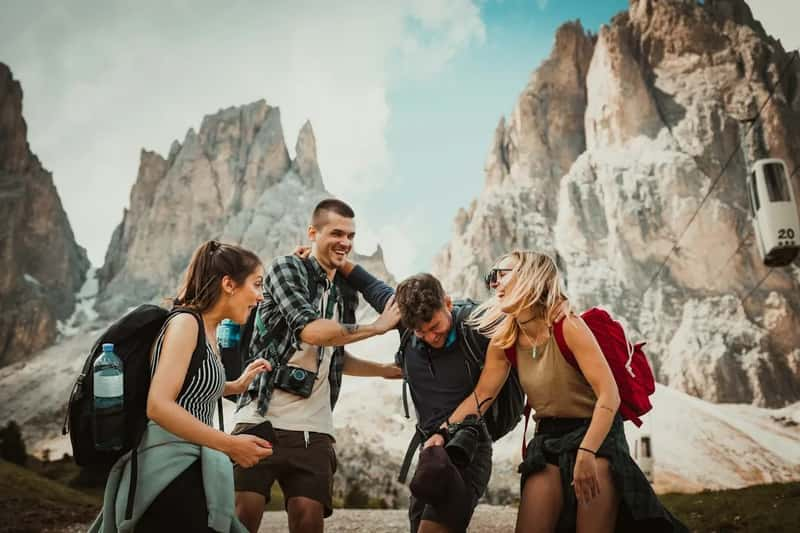
I won’t pretend independence is right for everyone. Remote regions, complicated logistics or a nervous first trip abroad can all make a guided group sensible. The industry has noticed too: the small group format, usually twelve people or fewer, has been gaining share within group travel.[6]
Even people who love going solo don’t want to be alone constantly. Hilton’s 2026 trends research says 26% of travelers plan to travel alone, and 48% plan to add solo days before or after family trips.[11] On group trips, 28% plan to seek more quiet moments by themselves.[11] That suggests the real question isn’t groups versus solo, but how much structure you want.
Where That Leaves Your Next Trip

If you want flexibility, fewer crowds and control over your pace, planning your own route is the better fit. If you want low per person costs and no logistics, a small group tour is a sound choice. Check the group size cap in your destination before booking, since places like Venice and Capri now set firm limits.
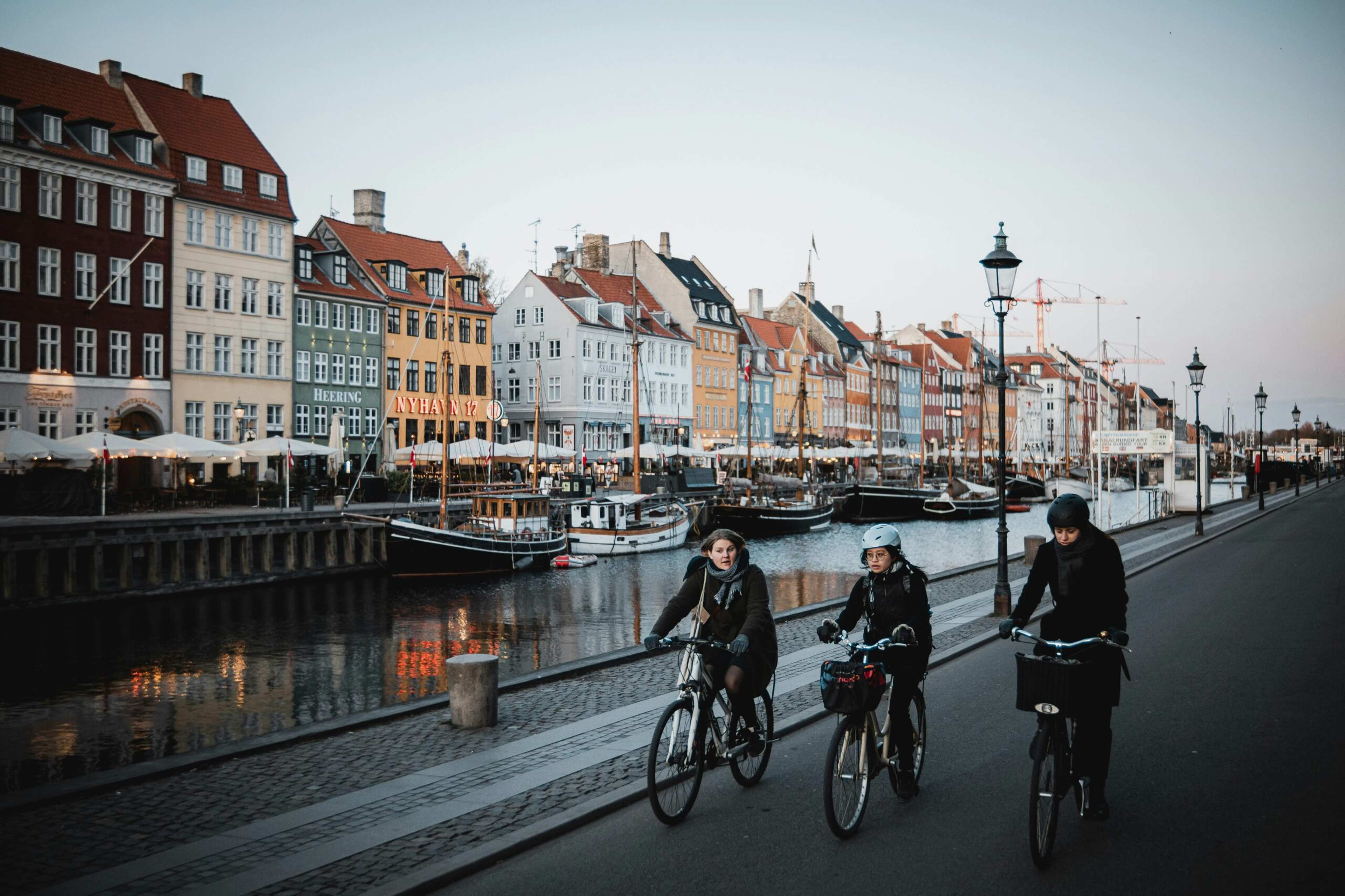
For a first independent trip, pick a destination that regularly ranks as safe for solo travelers. Iceland, Portugal, Japan, Ireland and Denmark repeatedly top safety rankings for solo travelers.[12] Book your first night’s stay, sketch a loose plan, and leave the rest of the days open.