
The Instagram scroll has us fooled, doesn’t it. Those pristine beaches without a single soul in sight, the perfectly lit temple stairs with just one photogenic visitor, the quaint cobblestone streets that look untouched by time. We scroll, we save, we plan our entire trips around reaching these supposedly untouched destinations.
I used to be one of those travelers, hunting down every “hidden gem” I could find online. Until I realized something that completely changed how I approach travel. The very act of seeking out these secret spots was part of a much larger problem that’s actually destroying the places I loved most.
The Rise of Instagram Tourism Changed Everything
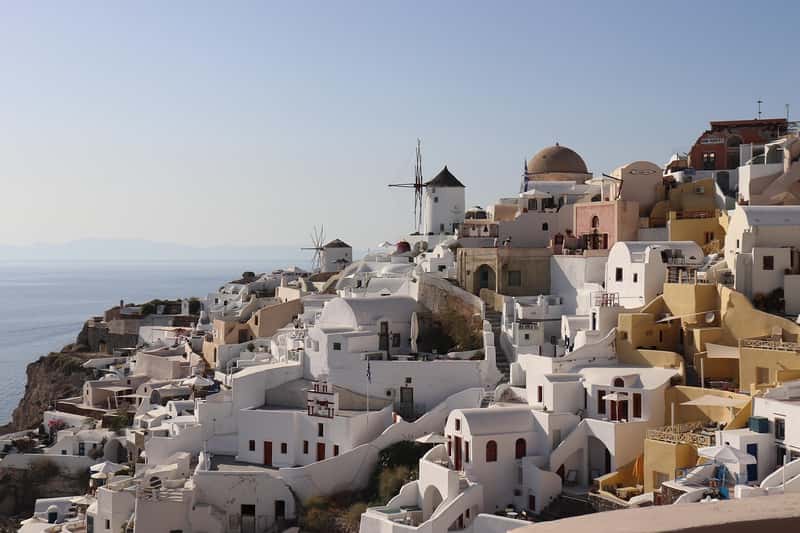
Social media transformed these places into “viral landscapes,” where digital images undergo viral uptake across platforms and global networks, pushing viral trends that lead to overcrowding. Santorini became widely hailed as Greece’s “Instagram Island” with 8 million posts tagged # Santorini on the platform. While Santorini has long been renowned, it was in 2013 – right when Instagram began to attain widespread usage – that visitor numbers started to sharply increase, reaching a total of 3.4 million tourists in 2024. Recent surveys show that 38% of Gen Z travelers admit to overspending on trips to match social media trends, and “Instagrammable” destinations have given rise to “Instagram tourism,” marked by a loss of authenticity in travel choices.
The Numbers Behind the Hidden Gem Myth
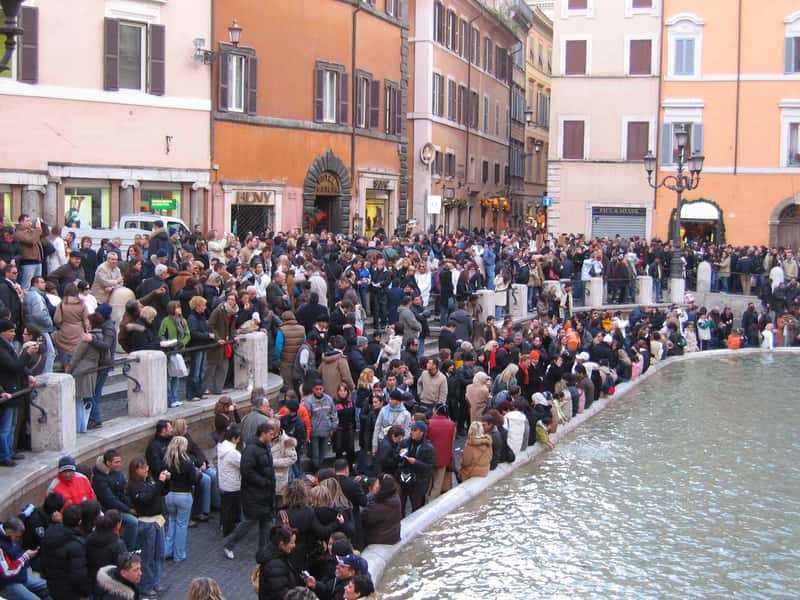
According to the Fall 2024 Global Rescue Traveler Sentiment and Safety Survey, overtourism is a rising concern among experienced travelers, with three out of four travelers (76%) expressing concerns about overtourism, while 31% personally experienced it in 2024. In a 2024 survey on the impact of overtourism on travel plans in Europe, over a quarter of respondents intended to avoid visiting overcrowded destinations in the year ahead. Small towns like Hallstatt in Austria, despite having a population of 800, receive around 10,000 visitors per day in peak season, while Venice accommodates 20 million tourists per year with only 250,000 residents.
When “Undiscovered” Places Get Discovered Overnight
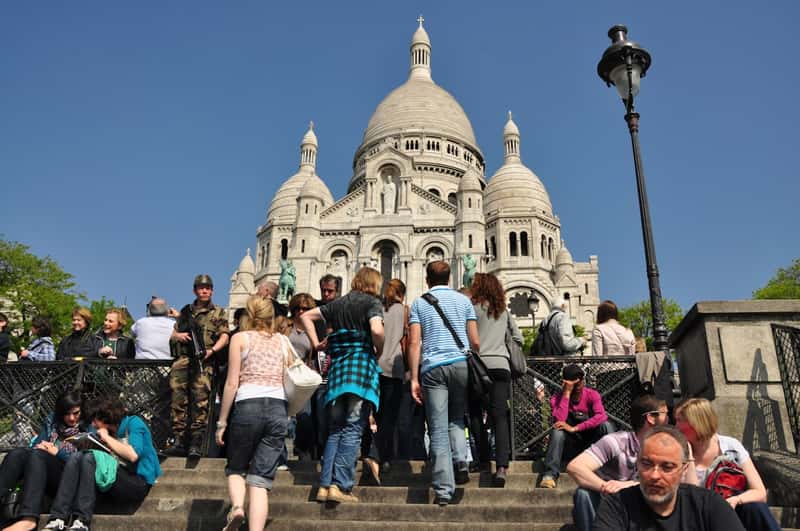
Norway’s Trolltunga “Troll’s Tongue” viewpoint saw visitor numbers explode from just 800 people in 2010 to 80,000 people in 2016, with this massive surge fueled largely by social media. In Spain, Caló des Moro became overwhelmed with thousands of visitors after being featured by a social media influencer, despite the area only being able to accommodate approximately 100 people. The Balearic authorities even tried rewarding influencers for promoting less-popular destinations, but the strategy backfired when those remote and environmentally sensitive areas also became overwhelmed. The lavender fields of Brihuega, a small town in Spain, reportedly drew over 100,000 visitors in recent peak seasons after becoming an Instagram hotspot. Think about that for a moment.
The Economic Reality Most Travel Blogs Won’t Tell You
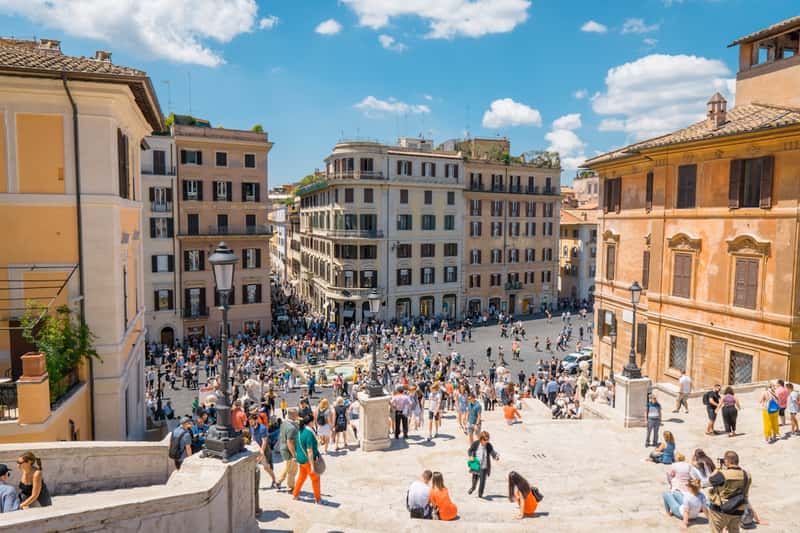
More arrivals don’t always mean more money for local economies. Venice receives over 20 million tourists annually for a city with around 250,000 residents, with massive cruise ships disgorging thousands of tourists at a time who contribute little to the local economy. In Tenerife protests, locals revealed the harsh reality: rents of €800 while earning salaries of €900, with short-term booking websites increasing housing prices so much that locals now have to sleep in cars and caves. Similar situations plague the Canary Islands, where activists complain that short-term rentals have made housing unaffordable for locals.
The Infrastructure Collapse Nobody Talks About
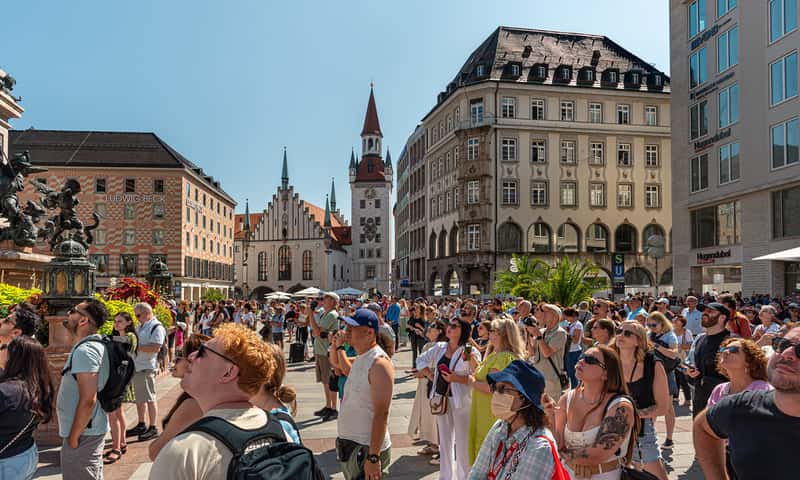
Thailand’s Phi Phi Islands received 5,000 visitors per day because of social media attention, causing severe environmental damage, and the destination is now closed indefinitely. Thailand’s Maya Bay, featured in Leonardo DiCaprio’s film The Beach, used to receive thousands of tourist boats every day until it closed in 2018 when only 8% of its coral reefs were alive. Tourism helped save Iceland after its 2008 financial crisis, but since 2010, visitor numbers have more than quadrupled, putting tremendous strain on infrastructure and the environment. These aren’t isolated incidents.
Why “Skip the Crowds” Advice Actually Doesn’t Work
The problem with most travel advice about avoiding crowds is that it simply moves the problem elsewhere. Even in over-touristed cities, there are often hidden gems that remain relatively undiscovered, but visiting these places just spreads the problem to new areas. Many hidden gems are starting to gain recognition among adventurous travelers but haven’t yet been overtaken by mass tourism, though visiting in 2025 gives travelers the chance to experience their charm before they become mainstream. Places like Ksamil, Albania, have already been dubbed the “next big Mediterranean destination”, proving that today’s hidden gem becomes tomorrow’s overcrowded hotspot.
The Environmental Cost of Our “Authentic” Adventures
Tourism accounts for 8% of carbon emissions globally, with international travel reaching 97% of pre-pandemic levels in Q1 2025, and most people visiting the same tourist destinations puts the environment at risk. While conservation efforts have helped some damaged areas recover (Thailand’s Maya Bay saw coral reef population grow from 8% to 20-30%), marine biologists estimate it will take another 20 years for coral reefs to return to their state from 50 years ago. In 2023, Peru announced it would suspend visits to Machu Picchu as overtourism caused erosion on stone structures. The places we’re desperate to see before they’re “ruined” are often being ruined by people exactly like us.
What Actually Works: A Different Approach to Travel
Experts predict 2026 will be “the year of gatekeeping in travel,” with travelers steering clear of viral hotspots and choosing locations where they can avoid crowds andcontributeg to overtourism, reflecting a broader industry pivot toward balancing tourism’s economic benefits with protecting at-risk sites. A growing awareness of responsible tourism is emerging, with travelers seeking lesser-known destinations and authentic experiences, and social media can be leveraged to promote these positive trends by highlighting off-the-beaten-path locations and encouraging off-season travel.
What if the answer isn’t finding better hidden gems, but changing our entire relationship with travel? What if authentic experiences come not from Instagram-perfect locations, but from the mundane Tuesday morning interactions with locals, the unglamorous but real moments that never make it to social feeds? Did you expect that the solution might actually be staying longer in fewer places, rather than chasing that perfect shot?