France is the most visited country on earth. It received 102 million foreign tourists in 2025[1], which makes walking away from it feel a little contrarian.
The reasons below aren’t about hating the food, the language, or the scenery. They’re practical, and most come from 2025 and 2026 events you can check yourself. Some are about money, some about crowds, and some about whether a trip will go the way you planned.
The Unrest of October 2026
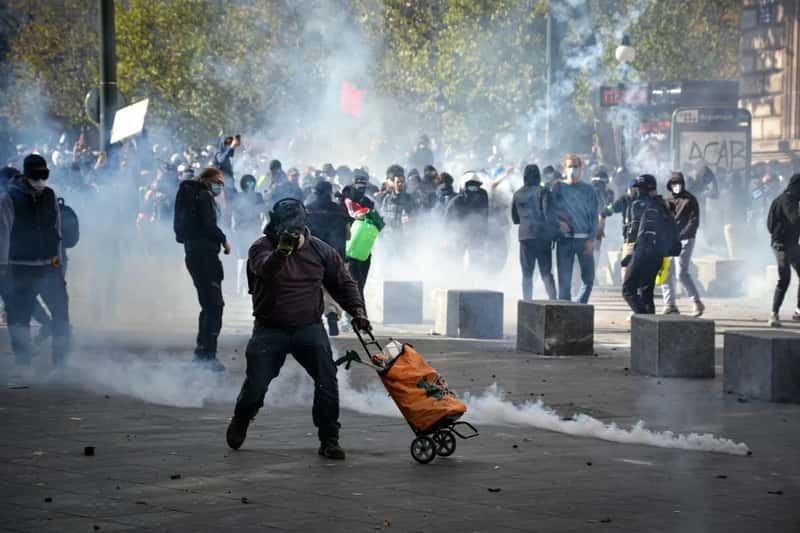
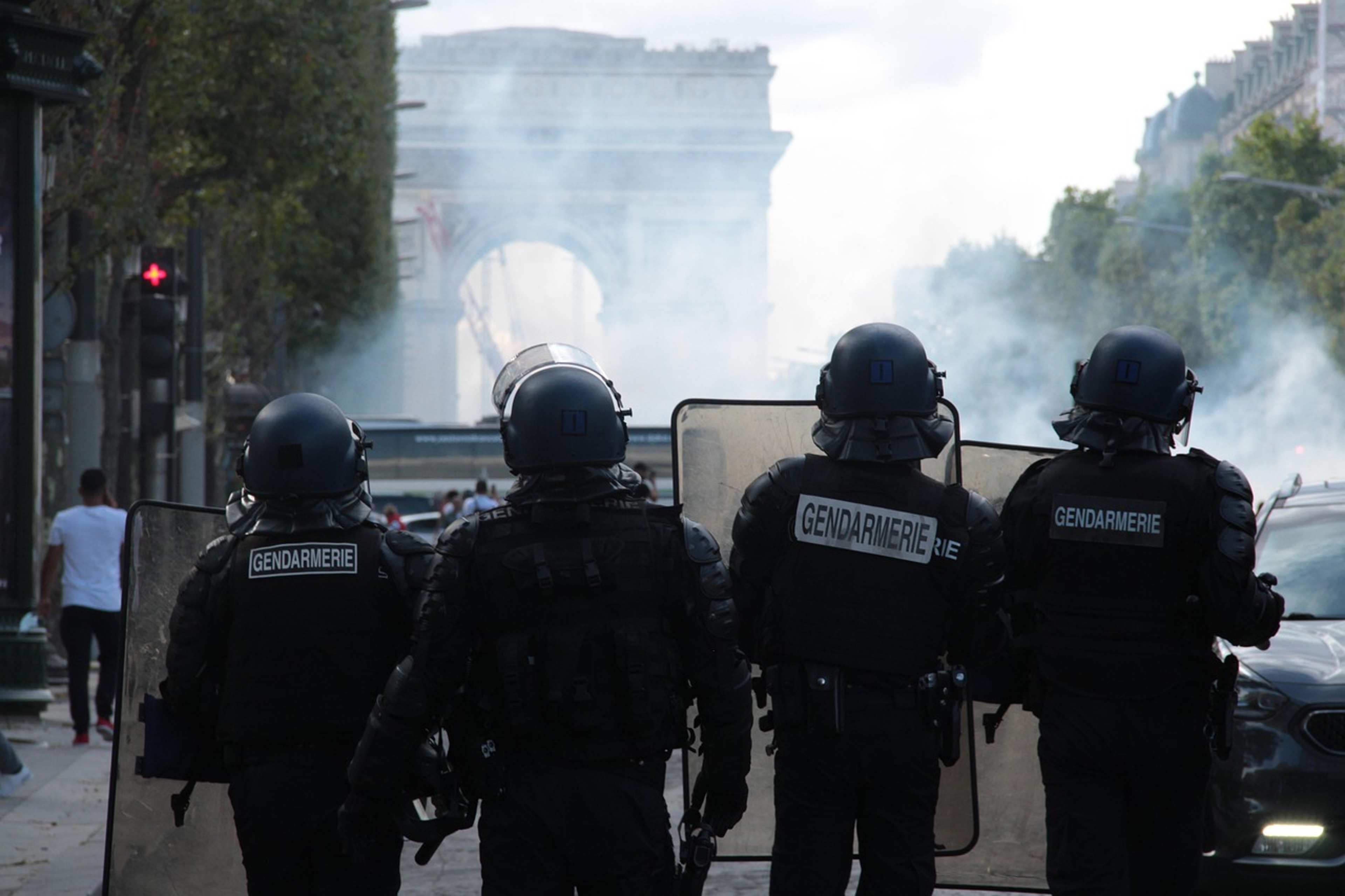
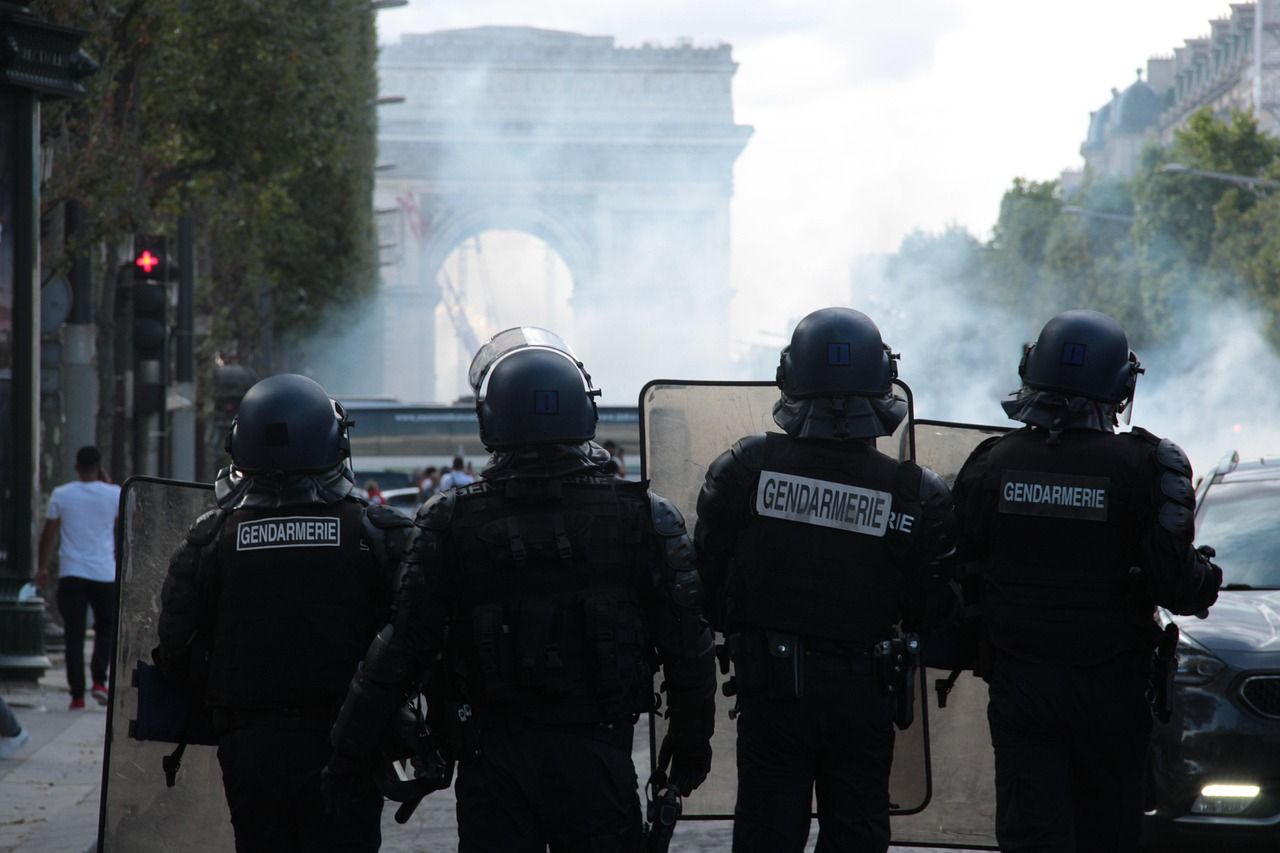
The most recent reason is also the most visible. Nationwide protests on October 17, 2026, escalated into violence, looting and arson.[2] Central districts in Lyon, Nice, Paris and Marseille were disrupted.[3]
The effects reached visitors directly. The Louvre had to close temporarily on October 19 after student demonstrations at its gates.[4] Paris hotels reportedly saw weaker booking momentum afterward.[5] Still, the available evidence doesn’t show a nationwide collapse in tourist arrivals[5], and flights and Eurostar were reported running normally on October 19.[2]
Museum Closures and a Cancelled Art Weekend
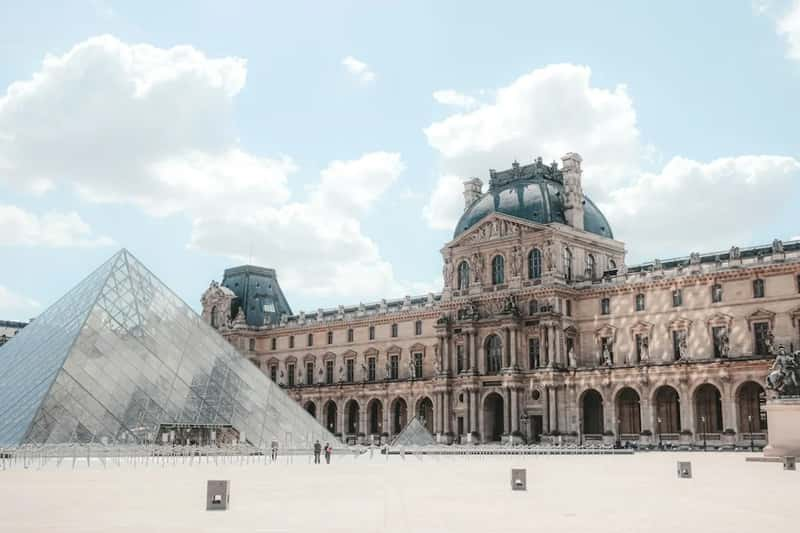
The disruption didn’t end with one bad day. The Louvre, the Musée d’Orsay and the Musée national Picasso Paris were set to close to visitors on Saturday, October 24, 2026.[6] For anyone who had built a trip around those names, that’s a serious hole in the itinerary.
The art world felt it too. Art Basel Paris confirmed its 2026 edition would not open to visitors on October 24 or 25.[6] Closures like these are usually short, yet they show how quickly a carefully planned Paris weekend can come apart.
A Louvre Ticket That Costs Much More Than It Did
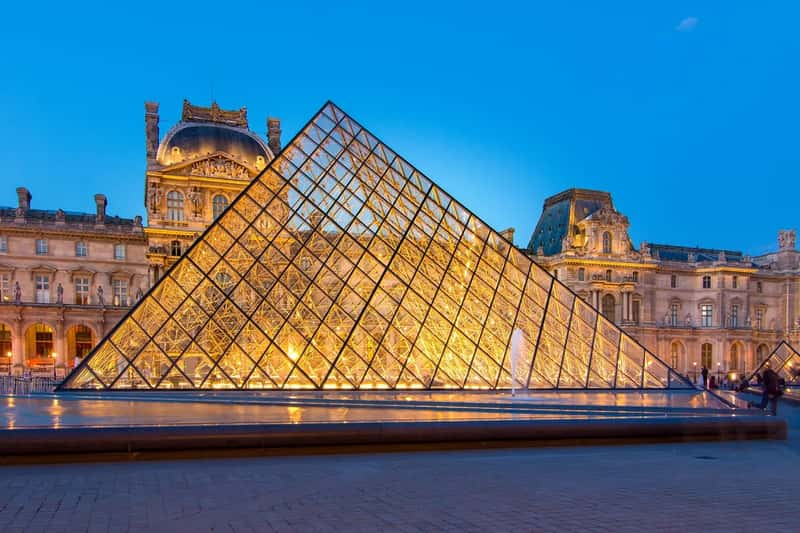
Money is the second reason, and it’s easier to measure. Since January 14, 2026, the Louvre has charged visitors from outside Europe €32 instead of €22.[7] That’s close to a half increase for people who fly in from the United States, Britain, China and elsewhere.
The museum isn’t hiding why. Officials expected the increase to bring in an additional €17.5 million for the museum each year.[8] European residents still pay €22, and admission stays free for everyone under 18.[7] So the extra charge falls squarely on the long haul traveler.
The Heist That Changed the Louvre’s Budget
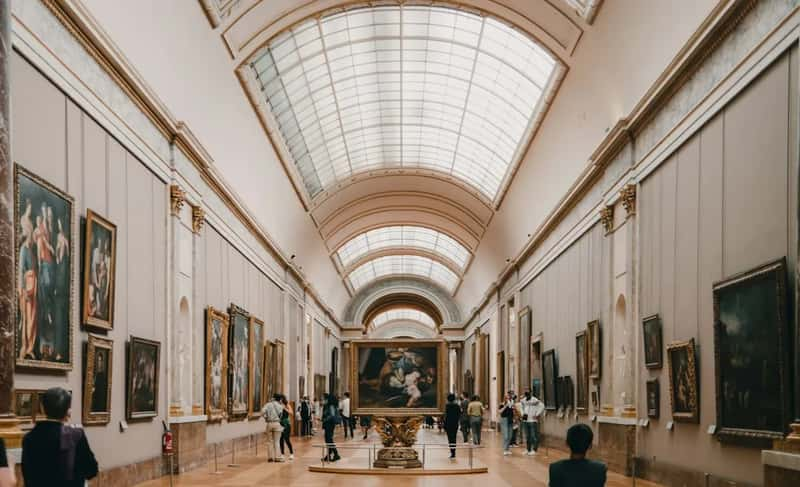
It helps to know what sits behind the higher price. The change followed a turbulent year of strikes, overcrowding and the October 2025 theft of French Crown Jewels valued at around €88 million.[7] The museum has tied part of the new revenue to security upgrades.
There’s a structural side as well. The price rise aims to raise up to €20 million a year to tackle structural problems and fund an overhaul of the museum.[9] That’s reasonable on paper. As a visitor, though, you’re now helping pay for repairs and security that a rich country might once have funded another way.
Higher Prices Are Spreading Beyond One Museum
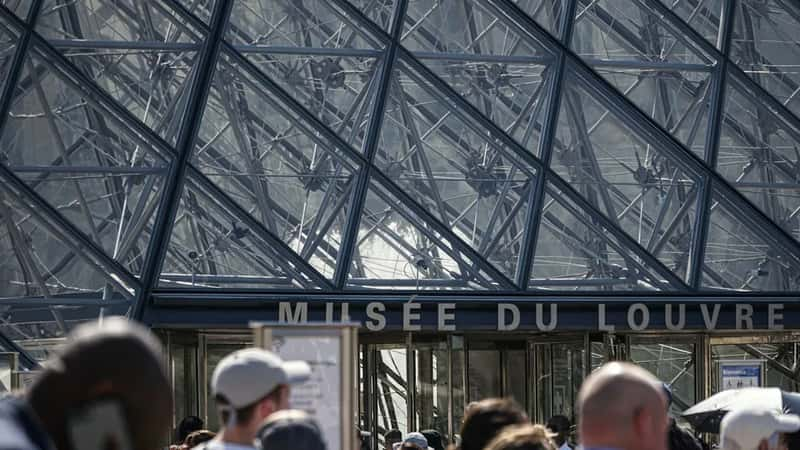
The Louvre isn’t acting alone. France’s culture minister said a differentiated pricing structure would apply in 2026 for all national cultural operators.[10] The culture ministry faces €216 million in cuts in 2026, with €58 million coming from museums and heritage organizations.[8]
Other sites are following the same logic. The Palace of Versailles said it was considering a €3 increase for visitors from outside the European Economic Area.[10] That increase hadn’t been approved at the time of the report[10], so check current prices before you book. The direction of travel is still clear.
A Tourist Tax That Shows Up at Checkout
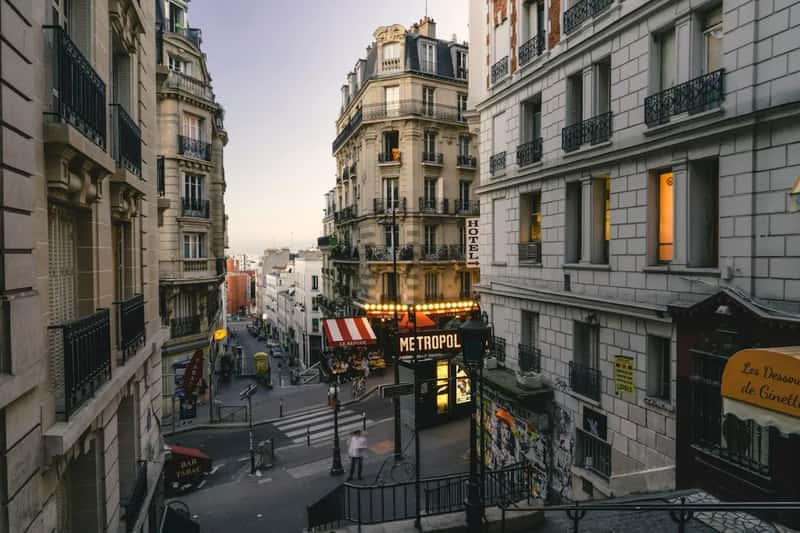
Hotel stays in Paris now carry a bigger hidden charge. Since January 1, 2026, a palace category room can carry €15.93 per person, per night in tax alone.[11] Five star rooms run €11.70 a night and four star rooms €8.45.[11]
Over a full week it adds up. A couple staying a week in a four star hotel is looking at around €75 extra on top of the room rate.[12] Sources disagree a bit on the cause. One says the jump came from a regional levy rather than a higher base rate, tied to a 2024 finance law.[13] Either way, the bill at the desk is larger than the booking page suggested.
Pickpockets and Scams in the Most Visited Spots
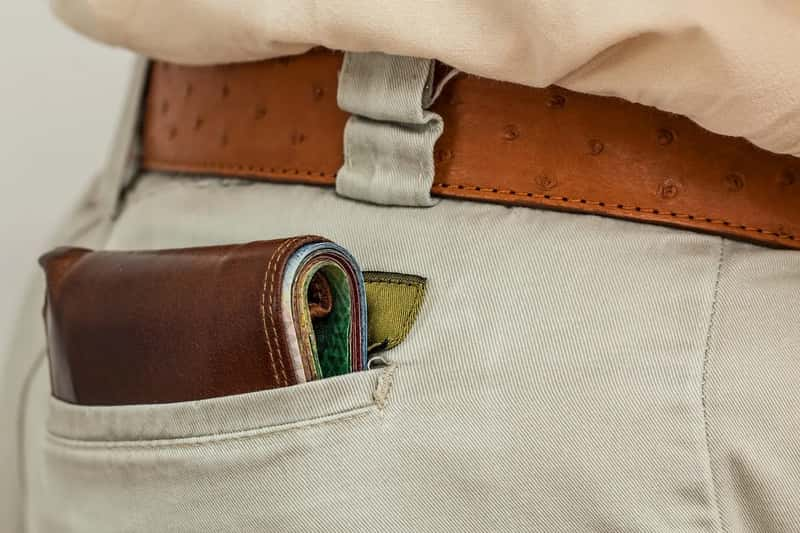
Petty theft is the safety issue most tourists actually meet. A 2025 study of more than 13,000 tourist reviews ranked Paris first worldwide, with 16.5 percent of all theft related mentions.[14] A separate 2026 index also named Paris the biggest pickpocketing and scam hotspot.[15]
The usual places come up repeatedly. The Eiffel Tower, Montmartre, Sacré-Cœur and Gare du Nord are consistent hotspots, along with the Métro.[14] Common tricks include the friendship bracelet, fake petitions and the dropped ring.[16] One guide reports that more than 80 percent of crimes reported by foreign visitors in 2025 were non violent thefts[17], which fits the broader picture, though that figure comes from a travel blog rather than an official release.
Crowds That Test Your Patience
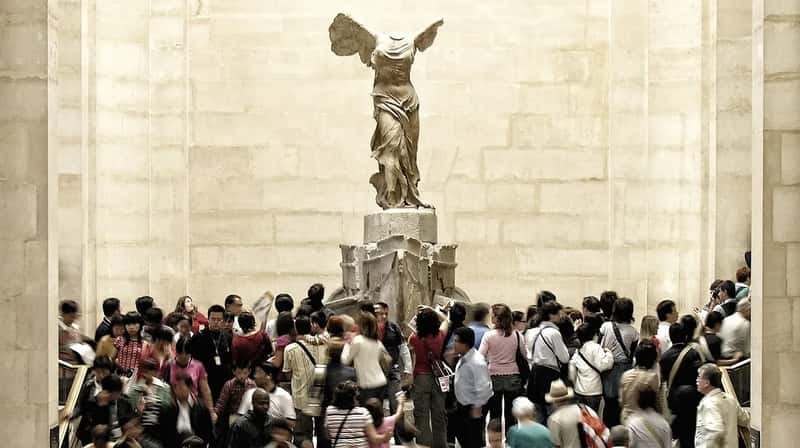
Popular sights are packed, and the numbers explain why. The Paris region welcomed 48.7 million visitors in 2024.[16] One guide says the Louvre alone receives about 30,000 visitors a day.[18]
The museum itself has acknowledged the strain. It welcomed 8.7 million people in 2024, and 69 percent of them came from abroad.[10] One analysis describes the 2026 price change as a response to sustained overcrowding, aging infrastructure and rising operating costs.[19] If you dislike shuffling through a crowd to see one painting, that’s a fair reason to look elsewhere.
Planning Around Protests and Transport Disruptions
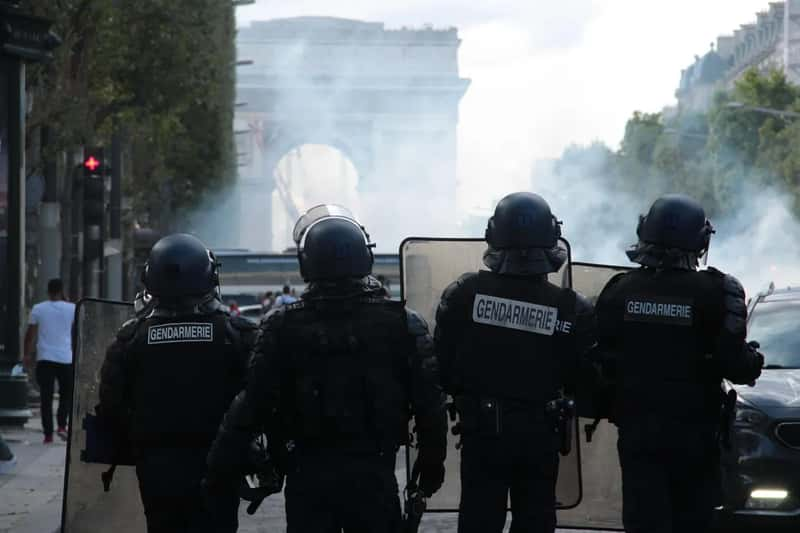
Another demonstration was already scheduled. A new national mobilization against the high cost of living was planned for October 24, 2026, one week after the October 17 protests.[20] In Paris, the announced route between Bastille and Opéra covers a significant part of the city center.[20]
For travelers, the effects tend to be local. The most likely disruptions are temporary traffic restrictions, bus rerouting and occasional tram interruptions near the demonstrations.[20] Insurance is another catch, because travel insurance may not cover cancellations made solely because of general concern.[21] Keep your confirmations and read the cancellation terms before paying.
If You Still Go, Go Prepared
None of this means France is closed or unsafe in every corner. The disruption doesn’t mean every neighborhood or attraction is inaccessible.[22] Official nationwide tourism losses from the October unrest remain unconfirmed[5], so the effect on the whole country is still unclear.
If you do book, check the news a few days before departure and confirm museum opening hours. Add the tourist tax to your hotel budget, and price the entry tickets at the new rates. Keep phones and wallets in front pockets on the Métro, and choose flexible bookings where you can.