Mexico City has a reputation that’s hard to argue with. The food, the museums, the parks and the sheer scale of the place keep landing it on best of lists year after year.
Still, a city can be wonderful and also be a place you decide to skip for now. The reasons below come from housing data, official advisories, environmental reports and news coverage from 2024 through 2026, and some carry more weight than others.
Rents That Outran Local Wages
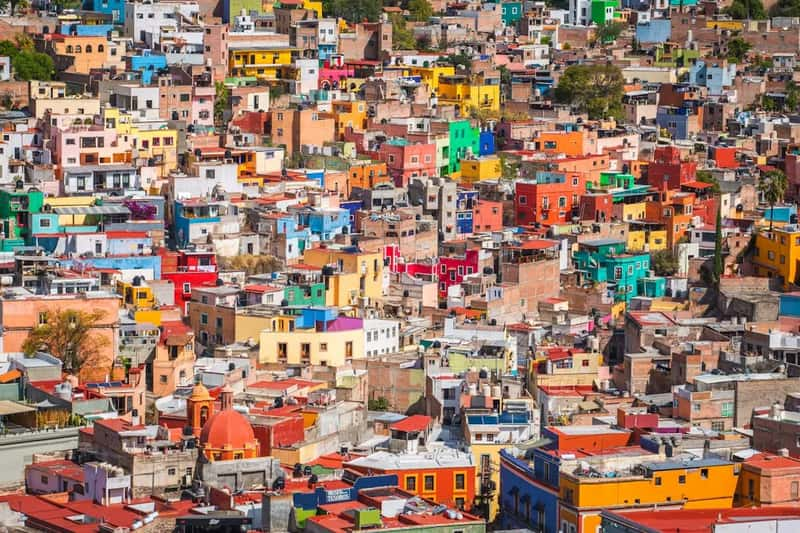
Housing costs are the most concrete problem. Over a three year stretch, rents in Mexico City climbed by more than 110% in some neighborhoods.[1] A two bedroom apartment now averages above $900 a month, while monthly wages hover around $400.[1]
Other estimates are lower but still steep. One analysis puts the citywide rise at roughly half since 2020.[2] Whichever figure you trust, residents are paying far more for homes in the neighborhoods that visitors like best.
A Housing Market Shaped by Short Term Rentals

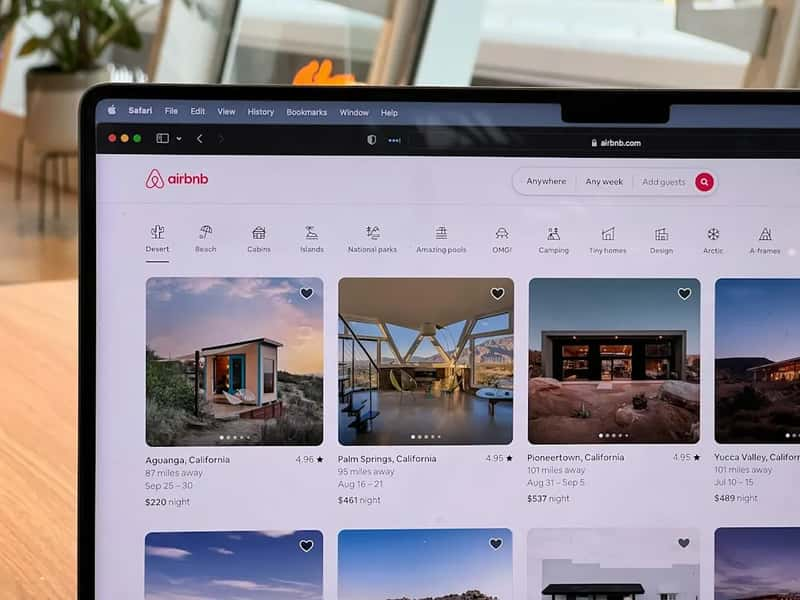
Tourists don’t cause a housing shortage by themselves, but they sit at the center of it. Mexico City hosts about 26,000 Airbnb listings.[3] Nearly half of all the listings in the city are in a single borough, Cuauhtémoc.[1]
Roma and Condesa show the pattern clearly. A 2025 study in the journal EURE found listings there had jumped by nearly three quarters since 2019.[2] Every apartment that becomes a nightly rental is one fewer for a local renter, and a hotel bed isn’t the same thing.
The Protests of July 2025
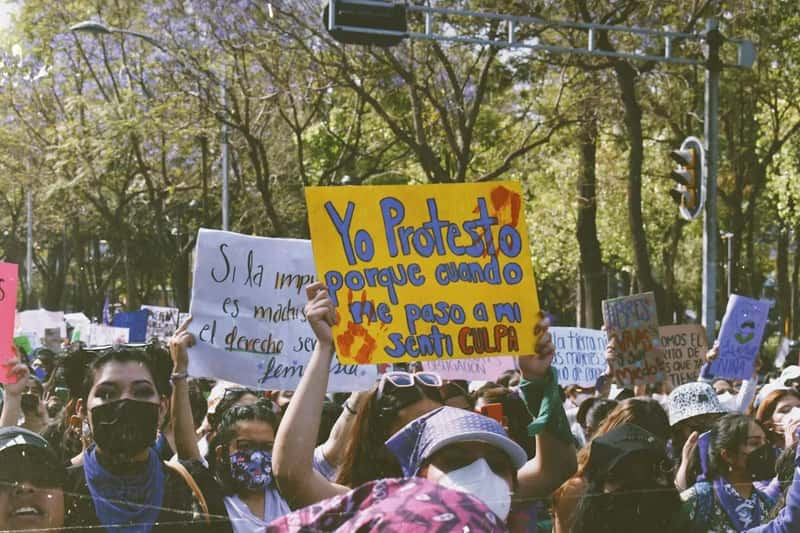
The frustration boiled over in the summer of 2025. A protest on July 4 began peacefully, then turned violent when a small group began smashing storefronts and harassing foreigners.[4] It was one of several demonstrations that month over rising rents and displacement.[5]
Further marches followed. A second, on July 20, damaged cultural sites in Tlalpan, while the third, on July 26, around the Centro Histórico, was more peaceful.[5] The U.S. Embassy issued a security alert ahead of that last one.[5] Most participants were marching about housing, though a few made foreign visitors the target.
A Travel Guide Told Readers to Reconsider
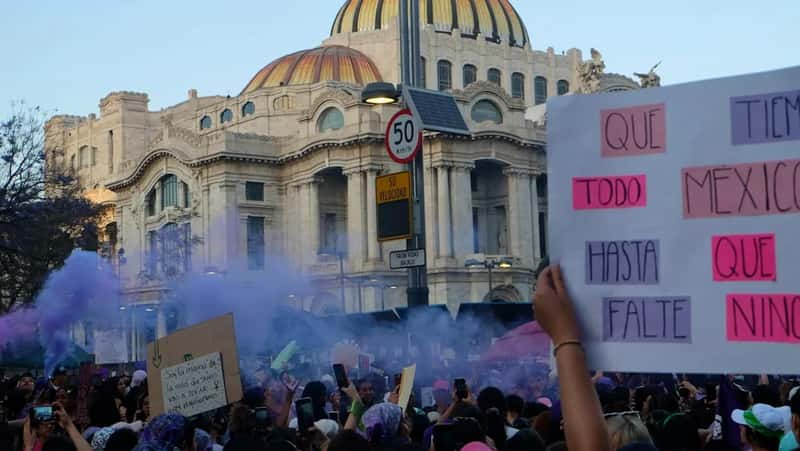
The backlash reached the travel industry too. In November 2025, Fodor’s put Mexico City on its annual No List, advising travelers to reconsider visiting in 2026.[2] Unlike typical Mexico warnings, the reasoning had nothing to do with safety.[2]
That distinction matters. It reflects a growing view that visiting a city where residents feel squeezed out carries a cost beyond your own comfort. The same debate has played out in places like Venice and Lisbon, as other cities have also seen locals gather to protest tourism.[6]
What the Safety Advisory Actually Says
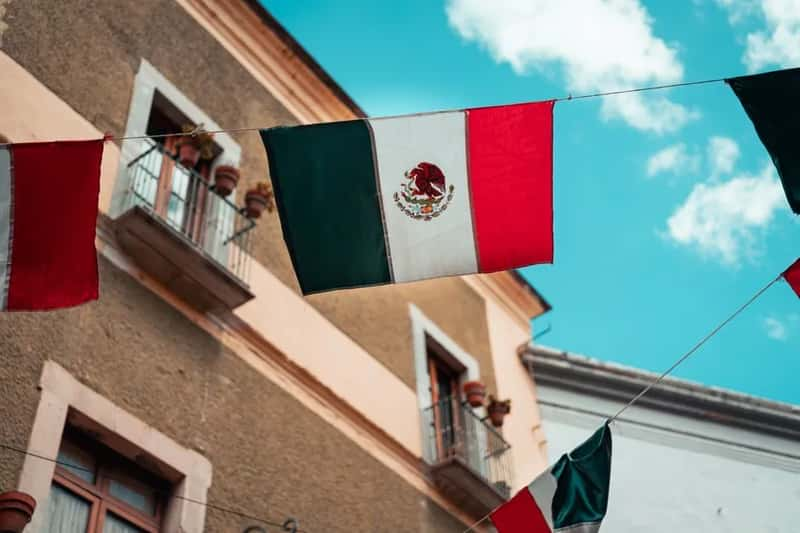
Safety is the reason people raise most often, and it deserves a measured reading. The State Department reissued its Mexico advisory on May 29, 2026, keeping it at Level 2, exercise increased caution, citing terrorism, crime and kidnapping.[7] Mexico City itself sits under a Level 2 advisory.[7]
The specifics are worth knowing. Tourists may be targets of crime, and visitors are urged to stick to popular tourist areas and take extra care at night.[8] Six states carry the top Level 4 warning, and none of them hosted World Cup venues.[9] So this isn’t a reason to avoid the capital outright, only a reason to plan more carefully than you might for other big cities.
Air That Stays Stubborn
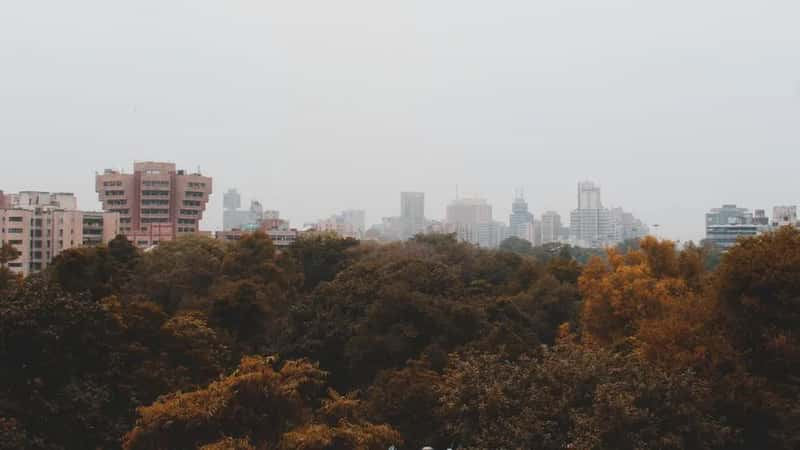
Mexico City sits high, and its air shows it. The city lies at over 7,300 feet, and chronic ground level ozone tends to be worsened by thin mountain air and strong sun.[10] In March 2025, the metro area was under a Phase 1 environmental contingency warning for the third day in a row.[11]
The long view isn’t encouraging either. One analysis of activity data recorded fine particle levels of 27 micrograms per cubic meter in the capital.[12] The WHO annual guideline for that pollutant is 5.[12] Cleanup efforts have produced measurable gains, yet ozone has proved stubborn, and researchers say rising heat may be a factor.[13] Air quality does vary daily, and it was rated good on the day this was written, so sensitive travelers should simply check forecasts.
A Water System Under Strain
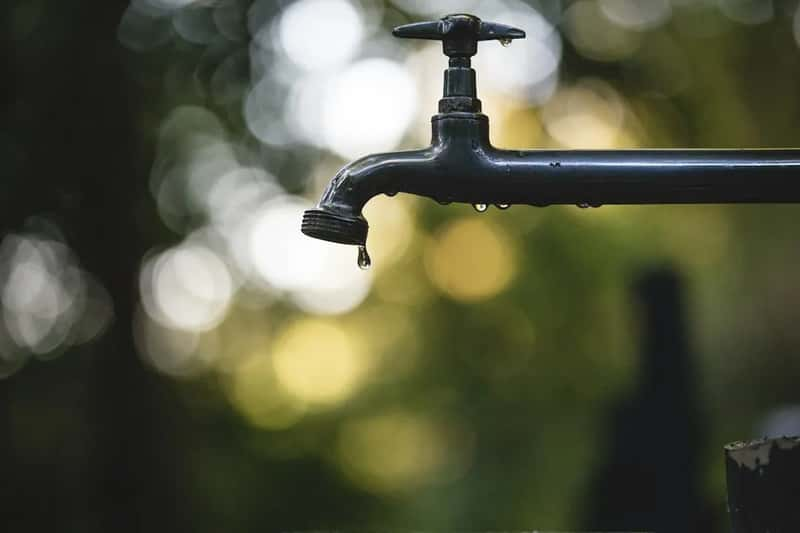
The water story has changed shape over the past two years. In 2024, a lack of rain severely depleted the Cutzamala reservoirs.[14] The drought forced greater reliance on underground aquifers, which isn’t sustainable and contributes to the city physically sinking.[14]
Recent rains have eased the pressure. As of September 2026, the system had recovered to 81% of capacity, its highest level in a decade.[15] Even so, leaky pipes are estimated to lose almost 40% of water between the treatment plant and the household tap.[14] Good rainfall is a reprieve, not a repair.
The World Cup Crowds Came and Went
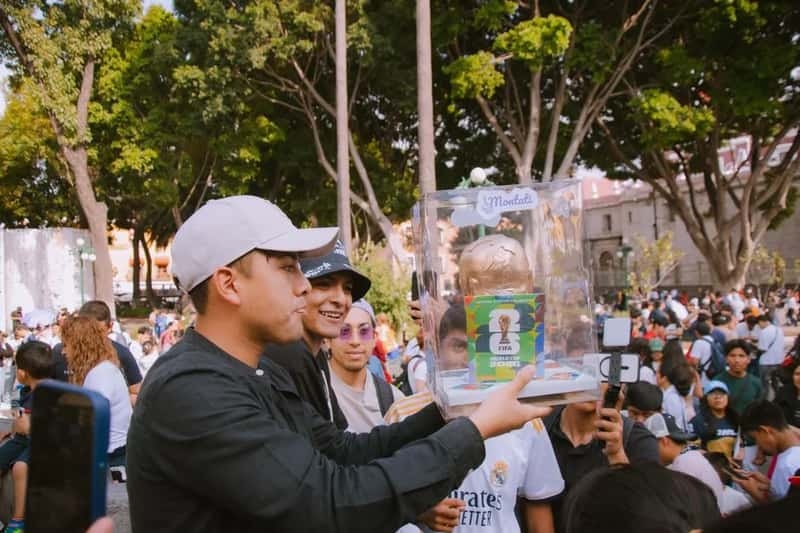
Part of why 2026 felt like a poor year to visit was the tournament. The Mexican government expected more than 5.5 million visitors during World Cup time.[16] The event added crowd, traffic, theft and drink spiking risks in Mexico City, Guadalajara and Monterrey.[17]
Authorities responded heavily. Mexico deployed nearly 100,000 security personnel across its three host cities under a plan called Kukulkán.[9] The tournament ran from the June 11 opener to the July 19 final,[10] so the peak crowds are behind us. That makes this argument the weakest one on the list today.
What Would Make Me Reconsider
Policy is the thing to watch. Mayor Clara Brugada announced a plan in 2025 to stop landlords raising rents above inflation.[18] A rent control law was passed, but its enforcement was reported paused until after the World Cup.[3]
I couldn’t confirm how enforcement has gone since the tournament ended, so that’s an open question. The government also pledged tighter rules on short term rental platforms like Airbnb.[1] If rents stabilize and those rules hold, the case for staying away gets a lot weaker.
The Bottom Line
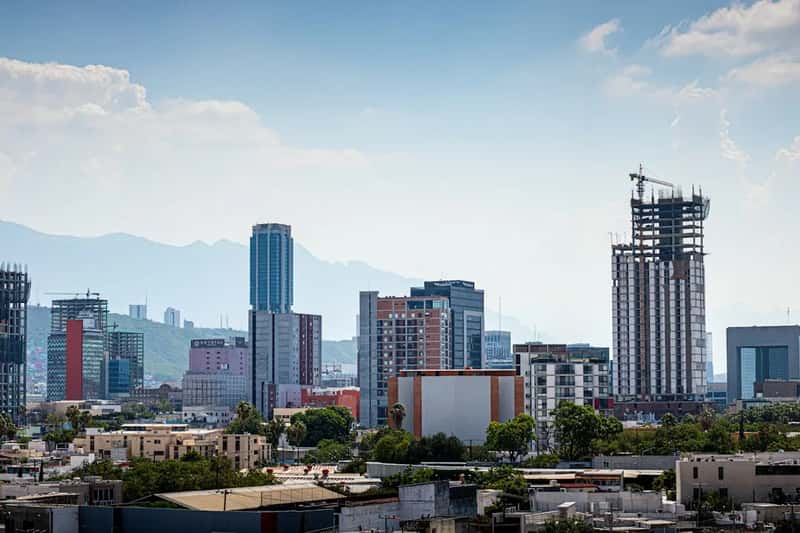
Mexico City’s main problems for visitors in 2026 are housing pressure, tension over tourism, a Level 2 safety advisory, persistent ozone and a water system that depends on good rains. Some of those are easing, and some aren’t.
Whether to travel there is a personal call, and the facts above are the ones worth weighing.