
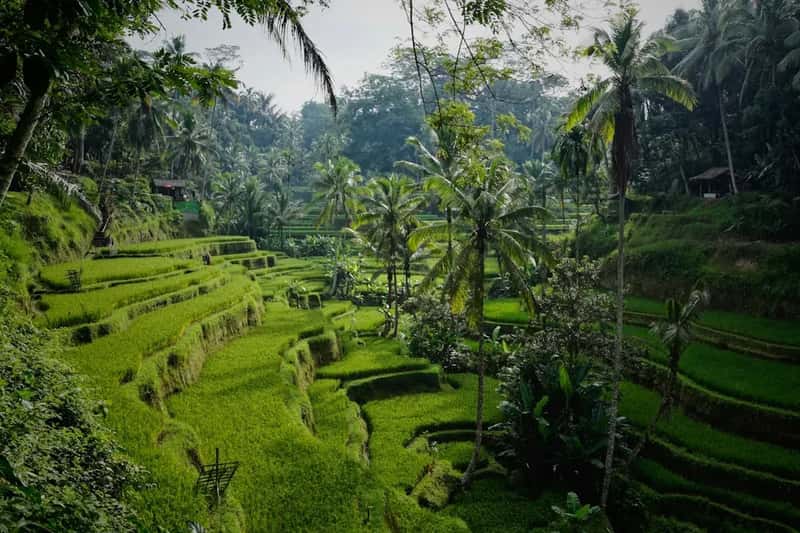
I used to tell people Bali was my happy place. The rice terraces, the warungs tucked behind temple walls, the way the light hit the ocean at Uluwatu just before sunset. That was a decade ago. Somewhere between my third and fourth return trip, the island I loved started to feel like a different place entirely, one built more for content creators than for actual travelers.
This isn’t a takedown of Bali. It’s still beautiful, still culturally rich, and still worth visiting for first-timers. But for me, the math stopped working. So a few years back I started flying an extra hour east, past the crowds, to an island most people have never heard of. This is the story of why I left, and where I went instead.
The Bali I Fell in Love With
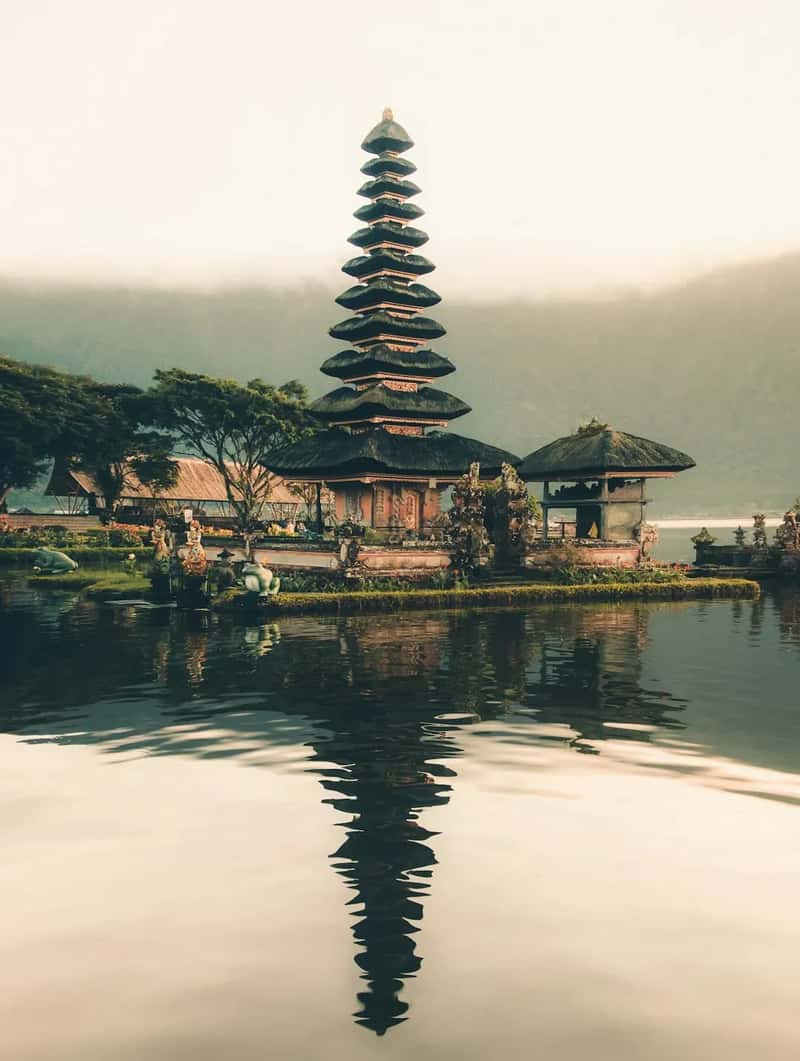
My first trip to Bali was everything the postcards promised. Quiet beach roads in Canggu, uncrowded temples in Ubud, and a sense that you’d stumbled onto something the rest of the world hadn’t fully discovered yet. It felt personal, almost like a secret.
That version of Bali still exists in pockets, but you have to work harder to find it now. The island’s charm was always its blend of laid-back spirituality and natural beauty, and that hasn’t disappeared entirely. What’s changed is the scale of everything around it, and scale has a way of flattening things that once felt special.
When the Traffic Became the Destination
Bali welcomed an estimated 7.1 million foreign visitors in 2025, the highest number in its history. The island welcomed an estimated 7.1 million foreign visitors, the highest number in its history. That’s a staggering number for an island with a population of around 4.4 million people, and the roads simply weren’t built for it.
The traffic between the airport and Ubud has become a running joke among travelers, but it isn’t funny when you’re sitting in it for two hours to cover a distance that should take thirty minutes. From the moment you arrive in Denpasar, the issues are obvious: lengthy traffic delays plague the route between the airport and Ubud, beaches are marred by plastic and endless rows of sunbeds, rice terraces suffer under the feet of Instagram seekers, and at revered temples, selfie sticks seem to outnumber actual offerings. A so-called tourist corridor now stretches across the island’s most popular towns. A stretched out “tourist zone” that runs from Canggu through Seminyak, Kuta, and Ubud to the eastern cliffs now seems to absorb the majority of these arrivals, effectively transforming the island idyll into one of Southeast Asia’s most densely populated tourist areas.
The Tourist Tax That Tells a Bigger Story
In February 2024, Bali introduced a mandatory tourism levy of 150,000 rupiah, roughly ten US dollars, aimed at funding conservation and cultural preservation. An obligatory one-time fee of IDR 150,000, approximately USD 10, must be paid by each foreign visitor, collected digitally via the official Love Bali Portal or at designated service kiosks established at key airport entry points. On paper it sounded like a smart, modest step toward managing overtourism.
In practice, the rollout has been messy. Officials admitted that with roughly 7 million visitors in 2025, the levy should have generated well over 70 million dollars, yet only about 23 million dollars was actually collected. With a mandatory levy of IDR 150,000 (roughly $10) per person, 7 million visitors should have generated over $70 million. Instead, the total collected was $23 million. Even a year earlier, the tourism office head acknowledged that only around a third of international visitors had actually paid it. Bali’s tourism office head, Tjokorda Bagus Pemayun, acknowledged that only roughly 35% of international visitors paid it in 2024. To me, that gap says a lot. It’s not just about money collected, it’s a symptom of an island trying to manage a volume of visitors that has simply outgrown its systems.
Sacred Spaces Turned Into Backdrops
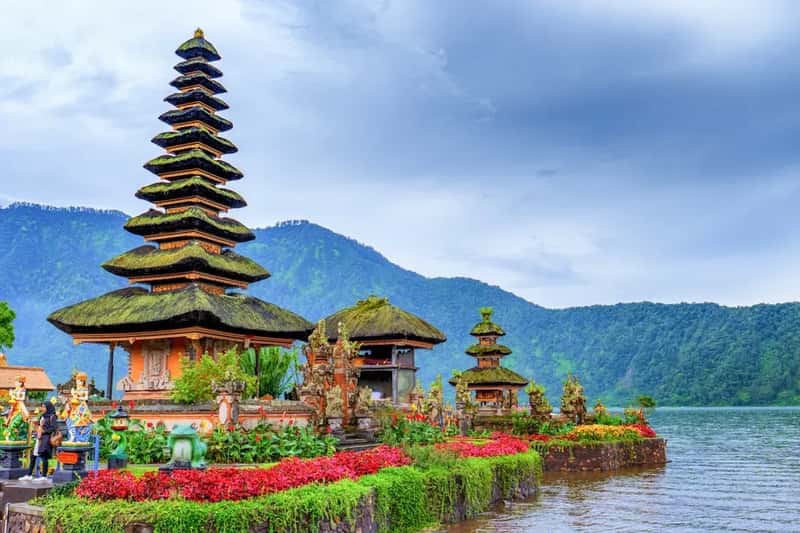
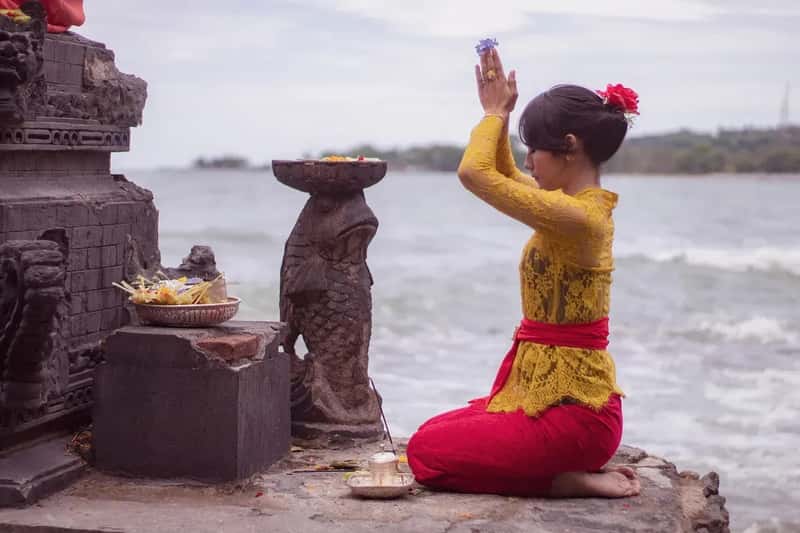
What eventually pushed me away wasn’t the traffic, it was watching temples turn into photo backdrops. Bali’s government has openly acknowledged the cultural strain that mass tourism has placed on sacred sites, introducing new circulars around visitor conduct at temples and holy places. Bali’s Governor Wayan Koster has unveiled a new set of regulations targeting foreign tourists, an updated version of the 2023 policy, outlining stringent obligations, prohibitions, and penalties aimed at curbing disrespectful behavior and ensuring visitors align with the island’s cultural and environmental values.
Local frustration has been building for years, and it’s not hard to understand why. Culturally, Balinese Hindus have grown weary of tourists treating temples as Instagram backdrops rather than places of worship. When a place of daily worship becomes a stage for content, something essential about the experience gets lost, both for visitors and for the people who actually live there.
Finding Sumba, Indonesia’s Forgotten Island
A friend who’d been chasing surf breaks across the archipelago first mentioned Sumba to me, an island in the Lesser Sunda chain that most travelers skip entirely. It sits in East Nusa Tenggara province, reachable by short domestic flights, and it couldn’t feel more different from Bali. “Sumba is very different from Bali. The only traffic we have here is animals,” a local driver joked, describing this predominantly Catholic outpost in the Lesser Sunda Islands as a welcome alternative to Bali’s scooter-packed roads and rowdy beach clubs.
The scale alone is striking. Sumba is nearly twice the size of Bali geographically, yet home to a fraction of the people. The island is twice as large as Bali, but only 800,000 people live here compared to Bali’s 4.5 million. Visitor numbers are so low by comparison that locals have given the island a fitting nickname. The number of visitors to Sumba is negligible, almost non-existent, compared to Bali’s annual tourist numbers, which is why the island has been nicknamed “The Forgotten Island.”
Beaches Without the Crowds
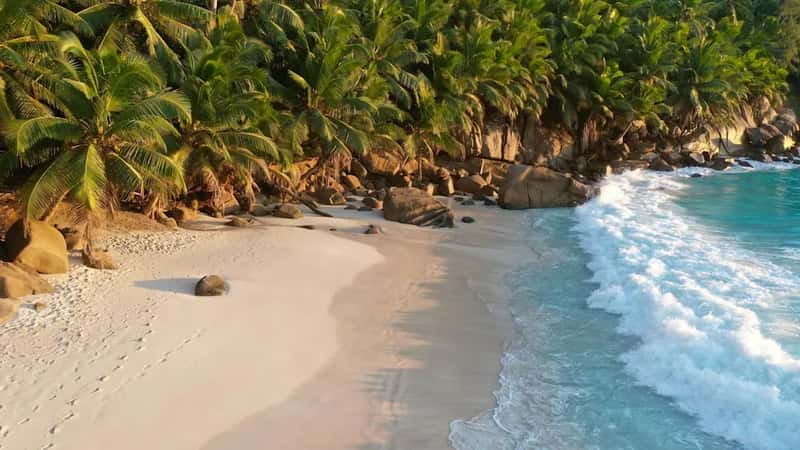
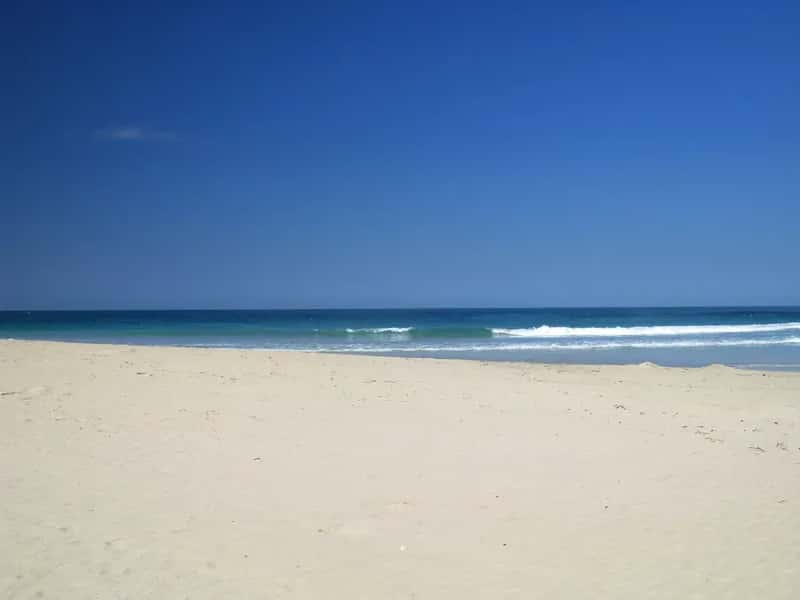
The first time I stood on a beach in Sumba, I genuinely didn’t know what to do with the silence. No sunbeds, no vendors, no jet ski engines in the distance. Just sand, cliffs, and the sound of waves that hadn’t been drowned out by anything else. Travelers who’ve done a side-by-side comparison describe the contrast in almost identical terms. Sumba’s coastline feels pristine, with long stretches of sand remaining completely empty, and riding horses along the shoreline at sunset is one of the island’s signature experiences. With fewer visitors, the island’s most stunning beaches like Mandorak, Watu Bela, and Walakiri still feel wonderfully quiet and raw, though without the built-out amenities or places to grab food or drinks.
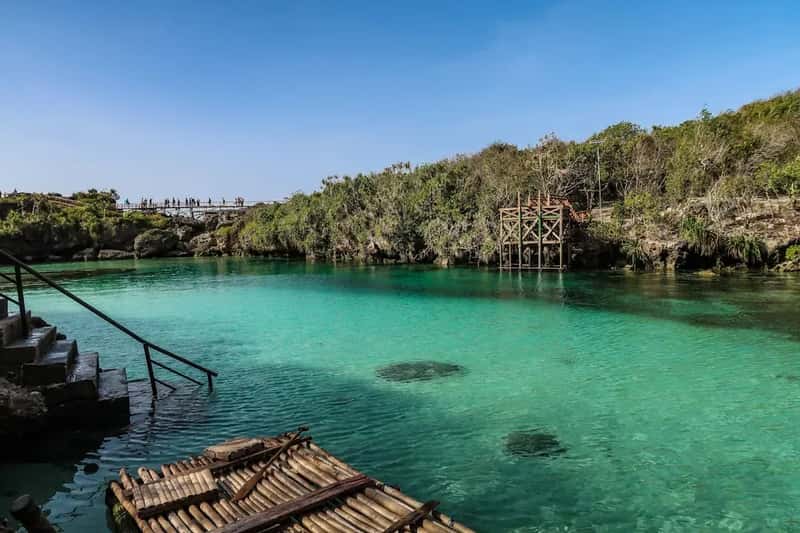
One spot that’s become a personal ritual for me is Weekuri Lagoon, a turquoise, ocean-fed pool tucked along the island’s west coast. You can strip down to your bathing suit and bask in the brilliant turquoise water of this ocean-fed lagoon, located on the island’s far west coast near Cap Karoso resort, a refreshing place to cool off and watch as the island boys jump off a rickety wooden dock into the shallows. It’s the kind of place that in Bali would have a queue and an entrance fee. In Sumba, you might have it entirely to yourself.
Horses, Villages, and a Different Kind of Culture
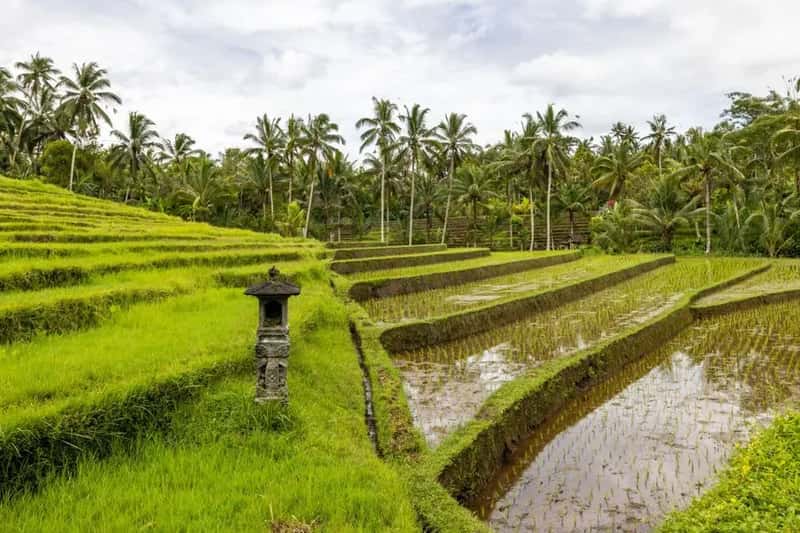
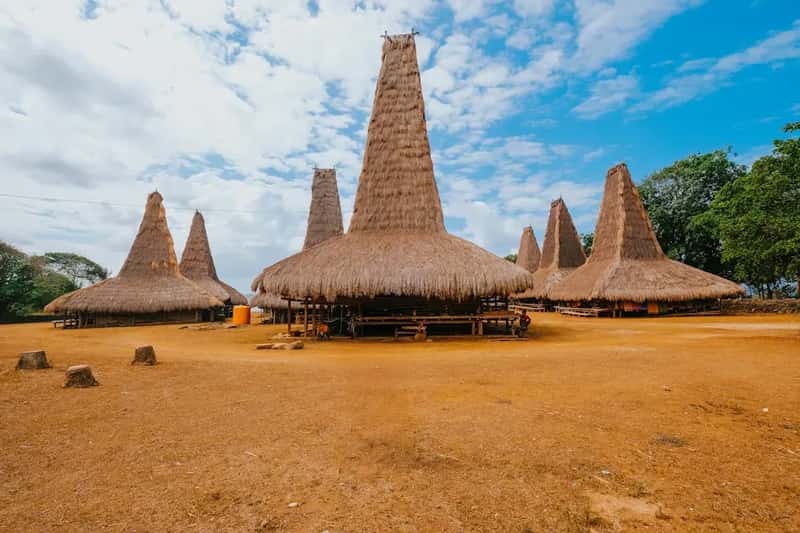
Sumba’s culture runs on its own rhythm, one shaped by animist traditions and a landscape that still feels genuinely wild. Here are mountains up to 1200 meters high, rivers, lagoons, rice fields, and waterfalls, along with forests and vast grasslands where the iconic, graceful sandalwood horses and Ongole cattle graze, while the locals are primarily animists and tribal communities remain the island’s foundation. Traditional villages with steep, thatched roofs still function much as they always have, largely untouched by the resort development that reshaped Bali’s interior decades ago.
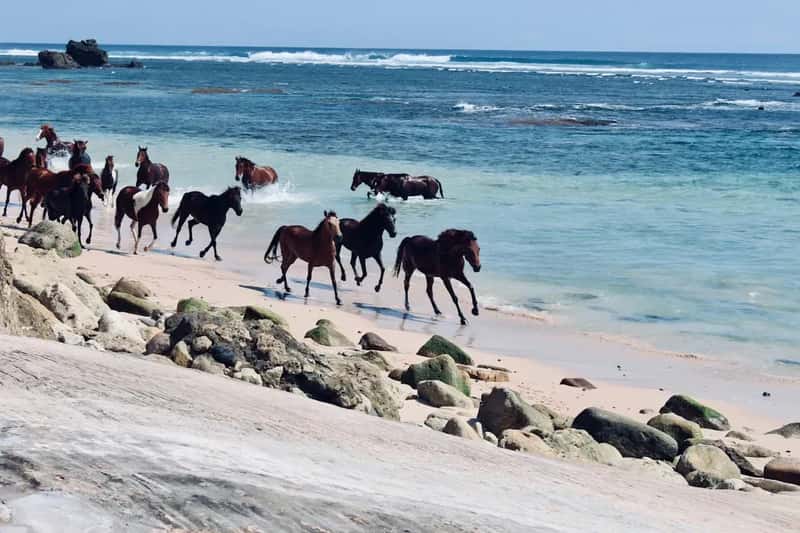
What struck me most was how central the horses are to daily life here, not as a tourist prop but as a genuine part of the island’s identity. Sumba is famous for its sandalwood horses and cowboy culture, and you’ll often see them galloping down the road or across the sandy beaches, with the island’s various resorts often keeping their own stable of local sandalwood horses for guests to pet, ride and even swim with. If you time a visit right, you might even catch the Pasola Festival, a centuries-old spear-fighting ritual performed on horseback that happens nowhere else on earth. It’s the kind of cultural experience that feels earned rather than staged for a camera.
Getting There and What to Expect
The practical trade-off is real, and it’s worth being honest about it. Sumba isn’t as easy to reach as Bali, and it isn’t set up with the same infrastructure. Bali is directly connected to over 35 international destinations, with frequent flights from Singapore, Dubai, Kuala Lumpur, Doha, Tokyo, Sydney, and more, while Sumba can only be reached via domestic flights from Bali or Jakarta, to Tambolaka or Waingapu airports, with only one to two flights daily. In practice, that means most trips to Sumba start with a short stopover in Bali anyway, which isn’t a bad thing if you want a taste of both worlds.
Once you land, don’t expect convenience stores on every corner or a wide range of restaurants outside the main towns. There is still a lack of proper infrastructure to support the growing interest to visit the island, and being sparsely populated, you won’t find a wide selection of amenities such as convenience stores or local eating establishments along a road trip, with most businesses aggregated in main populated areas like Tambolaka or Waikabubak. For me, that’s precisely the appeal. It forces you to slow down, hire a local guide, and actually engage with a place rather than consume it.
The Trade-Off I’m Willing to Make
I won’t pretend Sumba is a perfect substitute for Bali in every sense. The food scene is smaller, the nightlife is essentially nonexistent, and if you want variety in accommodation or dining, Bali still wins by a wide margin. Bali is one of the most flexible destinations in the world when it comes to cost, and if you want flexibility and options when choosing where to stay, Bali makes the decision easy. That’s a real consideration if convenience matters more to you than solitude.
But for travelers who are tired of fighting crowds for a sunset photo, Sumba offers something Bali simply can’t anymore, which is space. Even travel writers who’ve visited both islands back-to-back tend to land on the same conclusion I did. After experiencing both islands, the honest answer is this: if you can only visit one, choose Sumba, because Sumba offers something far more rare, where the landscapes feel untouched, the beaches are quiet and cinematic, and the cultural moments feel personal. I’m not in a rush for that to change, and I suspect once you visit, you won’t be either.
A Quieter Kind of Paradise
I don’t think Bali is ruined, and I don’t think it’s fair to say that. It’s simply changed into something that no longer matches what first drew me there, and that’s an entirely reasonable thing to admit as a traveler. Islands evolve, tourism economies shift, and sometimes the right move isn’t to fight the crowds but to find where they haven’t arrived yet.
Sumba won’t stay this quiet forever. Luxury resorts are already taking notice, and infrastructure will inevitably follow. For now though, it remains one of the rare places in Indonesia where you can still feel like you’ve discovered something, rather than simply visited it. That feeling, more than any beach or waterfall, is what keeps pulling me back.