For years, Mexico City sat near the top of my travel list. The food scene, the murals, the endless supply of mezcal bars tucked behind unmarked doors, all of it pulled me in the way it pulls in millions of visitors every year. Lately, though, a different picture has been forming, one built less on vibes and more on water levels, air quality readings, and rent charts that keep climbing in one direction.
None of this means the city has stopped being worth visiting for everyone. It just means the case against going right now has gotten a lot more specific, and a lot harder to wave away as background noise.
A City Visibly Running Dry
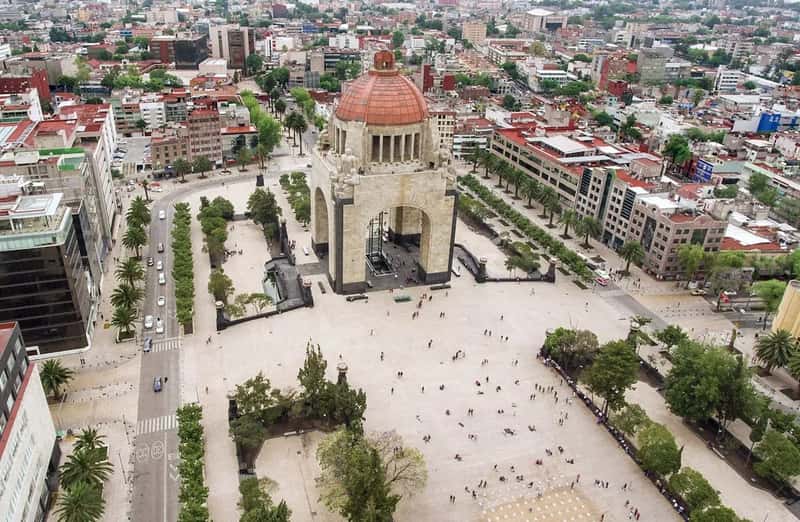
Mexico City’s water supply has spent the past two years lurching between crisis and cautious relief. A year earlier, on April 1, 2024, supplies were at 34.7% capacity, and the rainy season arrived nearly two months late, prompting real concerns that the city could face a Day Zero.[1] Officials have since reported some recovery, but the underlying fragility hasn’t gone away.
The numbers behind that fragility are stark. The city stretches across a high-altitude lake and sits atop an ancient aquifer that provides around 60% of drinking water for its 22 million residents, and over-extraction has contributed to a chronic water crisis that has left the capital facing a potential day zero.[2] Officials in Mexico City have already floated significant reductions in reliance on the Cutzamala system just to buy the city time.
Sinking Under Its Own Weight
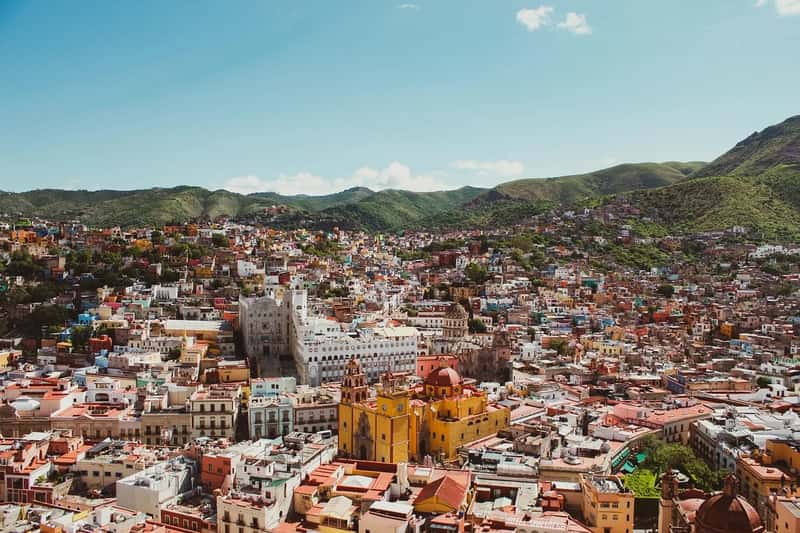
Water scarcity is only half the story. The ground itself is giving way. Imagery from a powerful NASA radar system has revealed subsidence rates of more than 0.5 inches a month, making Mexico City one of the planet’s fastest-sinking capitals.[2]
The cause is not mysterious, and it isn’t slowing down. The city’s rapid sinking has been exacerbated by relentless urban development, with new infrastructure adding extra weight on top of the clay-rich soil.[2] Add in seismic activity common to the region, and you get a city whose historic center, built on a former lakebed, is quite literally settling underneath the weight of its own growth.
The Air You Breathe Isn’t Always Kind
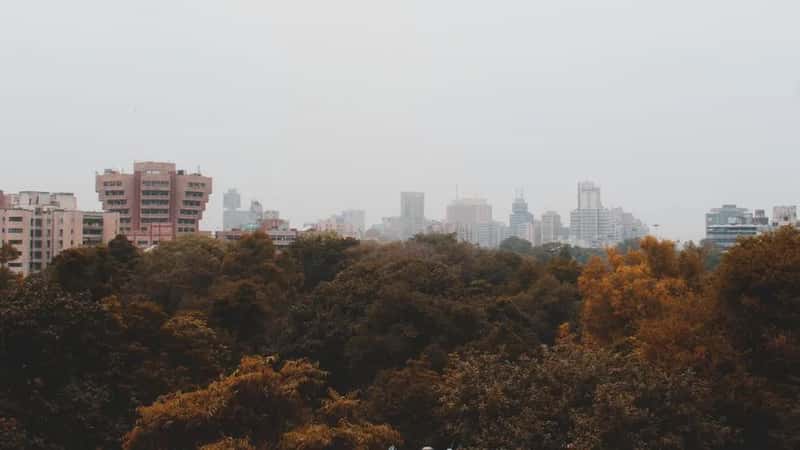
Anyone who has walked through Mexico City on a bad-air day knows the sensation of a headache creeping in by mid-afternoon. That’s not just altitude talking. Nearly 50 days into 2026, capital authorities had declared four Phase 1 environmental alerts, primarily due to high ozone levels, with residents experiencing only three “good” air quality days so far that year.[3]
These aren’t isolated bad weeks either. Current ozone concentrations exceed air quality standards in Mexico on more than half of the days, with concentrations high enough to trigger three to five air quality contingencies each year.[4] By late summer 2026, readings had eased somewhat, with the index sitting in a “moderate” range, but PM2.5 concentration was still running roughly 4.6 times the World Health Organization’s annual guideline value.[5] For anyone with asthma, or anyone who just likes breathing without thinking about it, that’s a meaningful number to sit with.
Neighborhoods That Used To Feel Like a Discovery
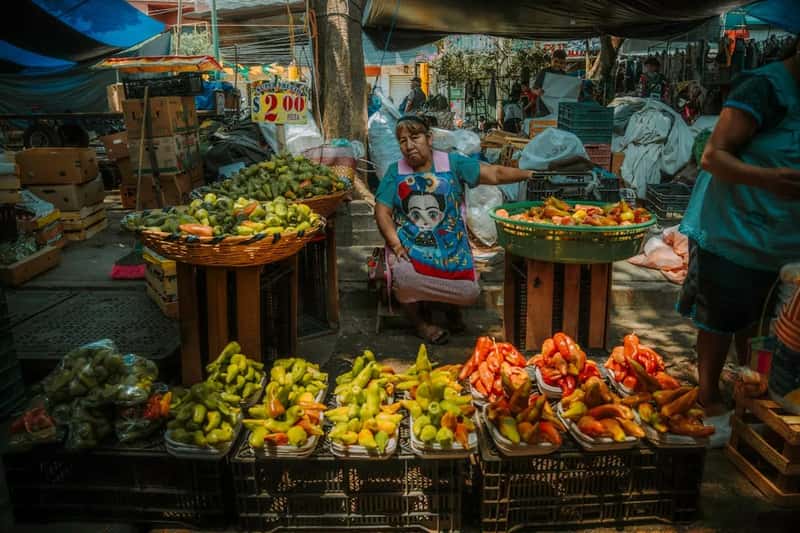
Roma and Condesa used to be the kind of neighborhoods travelers stumbled into and fell for instantly, all leafy streets and low-key cafés. That reputation is now colliding with local frustration. In July 2025, hundreds of residents, many of them young people, took to the streets to protest gentrification caused by so-called “digital nomads” in neighborhoods such as Roma and Condesa.[6]
The anger wasn’t abstract. Data from that period showed La Condesa saw a 17 percent rent increase from April 2023 to April 2025, while the neighboring borough of Miguel Hidalgo saw a 98 percent rise over the same window.[7] While largely peaceful, some of the protests saw businesses vandalized, with windows broken and graffiti demanding “Gringo go home.”[7] Visiting a neighborhood that actively resents your presence tends to take some shine off the trip.
The Airbnb Crackdown Changes the Playbook

Local government eventually responded to the backlash, and not with half measures. In August 2025, Mexico City’s congress passed the Short-Term Rental Regulation Act, the strictest Airbnb regulation in Latin America to date.[8] The law took effect in January 2026.[8]
The financial mechanics are just as tight as the political intent suggests. Platforms like Airbnb and Booking.com are now required to withhold and remit accommodation and income taxes totaling roughly 8% to 10% of rental revenue.[8] Enforcement is still being tested, but the direction is clear enough that budget travelers used to easy short-term listings should expect fewer options and higher prices going forward.
Rents Have Nearly Tripled, and Visitors Feel the Squeeze
None of this happened in a vacuum. Housing costs in the city have been climbing for two decades, and the pandemic-era remote work boom poured fuel on it. Local residents have seen housing costs rise 286% since 2005, while purchasing power dropped 33%.[9]
The more recent numbers are just as jarring. Rents are up 60 to 80% since 2020, alongside Latin America’s strictest short-term rental law now in effect.[8] A city that once marketed itself to travelers as an affordable alternative to Europe or the US coasts is quietly losing that argument, one lease renewal at a time.
Petty Crime Is Common, Even When Headlines Exaggerate
Safety conversations about Mexico City tend to swing between two extremes, either wildly alarmist or dismissively reassuring. The honest picture sits in the middle. The US State Department advises exercising increased caution due to terrorism and crime, noting that both violent and non-violent crimes occur throughout Mexico City, and that petty crime occurs frequently in both tourist and non-tourist areas.[10]
The scale of that petty crime isn’t trivial either. Mexico City reported more than 30,000 robbery cases in 2025 alone, alongside common tourist-facing issues like theft and scams.[11] Most of it is pickpocketing and phone snatching rather than anything violent, but that’s still a lot of vigilance to maintain on what’s supposed to be a relaxing trip.
The Broader Pattern: When Popularity Outpaces Infrastructure
None of these individual issues would necessarily kill a trip on its own. Cities deal with pollution, housing pressure, and petty theft all the time without losing their appeal. What’s different about Mexico City right now is how many of these pressures are converging at once, each one making the others harder to manage.
A sinking, water-stressed city with strained air quality is a hard enough problem for local government to solve without also absorbing a surge of short-term visitors and foreign remote workers competing for the same neighborhoods and services. Estimates already suggest only 75 percent coverage of water demand by 2030 for the region’s centralized system, even before accounting for population growth or added tourism pressure.[13] That’s not a reason to write off the city forever, but it’s a reasonable argument for holding off until some of these systems catch their breath.
Final Thoughts
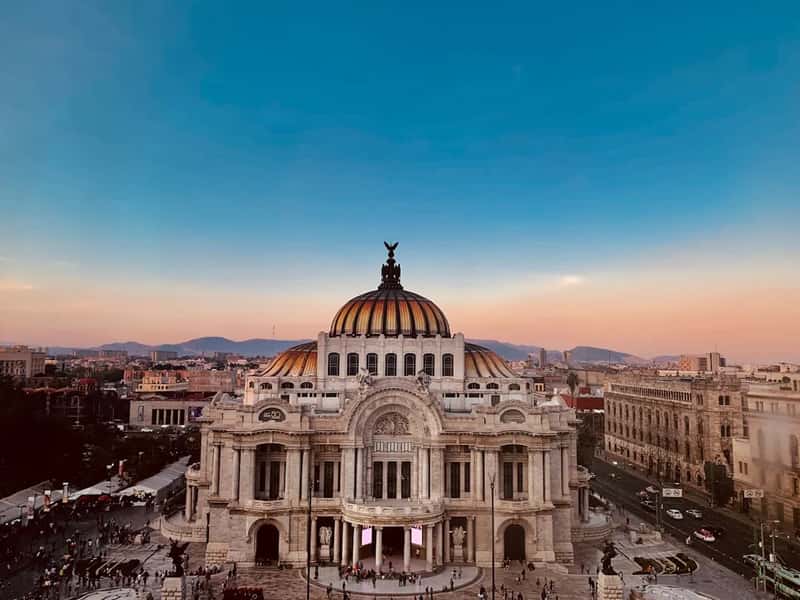
Mexico City isn’t falling apart, and it isn’t dangerous in the way its reputation sometimes suggests. It’s simply under more strain than a short vacation itinerary usually accounts for, between the water anxiety, the sinking streets, the smog days, and the visible tension between residents and visitors in the neighborhoods tourists love most.
For now, my trip stays on pause, not out of fear, but out of a sense that the timing is off. There will likely be a better moment to go, once the water situation stabilizes and the housing tensions ease. Until then, it seems worth giving the city some room to sort itself out.