Something has shifted at the world’s checkpoints. Travelers who once breezed through customs with a stamped passport and a smile are now facing longer lines, more questions, and in a growing number of cases, an outright refusal to enter. The stories keep piling up: a family pulled aside for hours, a visa holder sent home despite valid paperwork, a tourist stopped because a phone photo didn’t match a stated itinerary.
None of this is happening by accident. Governments on both sides of the Atlantic have quietly rewritten the rules of entry over the past two years, layering new biometric systems, fee hikes, and data requirements onto a process that used to feel almost routine. What follows is a look at where the tightening is most visible right now, and why so many ordinary travelers are getting caught in it.
Valid visas no longer guarantee a warm welcome in the United States

Holding a properly issued visa used to feel like a green light. That is no longer a safe assumption. Chinese tourists began reconsidering their U.S. travel plans after a warning from the Chinese foreign ministry, prompted by the denial of entry for a group of Chinese scholars by U.S. Customs and Border Protection at Seattle-Tacoma International Airport, even though they all had valid U.S. visas.
That case was not an isolated glitch. Enforcement in 2026 has become stricter, and CBP now refers more people to secondary inspection, especially when travel plans do not line up with the visa application or with the answers given at the booth. Officers can question travelers for hours, compare records in TECS, collect fingerprints and photos, and examine electronic devices. A mismatch that would have gone unnoticed a decade ago can now stall an entire trip before it even starts.
Biometric tracking has closed the margin for error

The United States has spent the past few months finishing a project years in the making: a border where almost every traveler’s face and fingerprints are checked against a database before they are waved through. Per a Final Rule, effective on December 26, 2025, U.S. Customs and Border Protection will be required to collect biometric data from virtually all non-U.S. travelers, closing gaps that officers previously had to fill with judgment calls.
Recent biometric screening rules have also made record mismatches easier to spot, which means even small errors can lead to delays or denial. A traveler whose passport photo, visa file, and live scan do not line up cleanly is now flagged automatically rather than waved through on the strength of a friendly conversation. For most people this happens without incident, but for a growing minority it becomes the reason a trip ends at the arrivals hall.
Phone and laptop searches are climbing fast

Border officers in the United States have had the legal authority to inspect electronic devices since 2009, but the frequency of those searches has jumped sharply. CBP conducted around 55,000 device searches in the 2024 to 2025 period, up 17% year over year, though that still represents a small fraction of the more than 400 million travelers processed annually.
Small as the raw number sounds, the trend line matters more than the total. Since then, searches of those entering the U.S. have become increasingly unpredictable, and reports have circulated of travelers being denied entry for seemingly trivial reasons. Immigration attorneys now routinely advise visitors to think carefully about what sits on their phones before they land, because a text message or a photo can end up shaping an officer’s decision in ways that have nothing to do with the original reason for travel.
Washington wants five years of social media history before you even board

A proposal moving through the regulatory pipeline would push vetting back to well before a traveler ever reaches the airport. A December 2025 Federal Register proposal would expand ESTA requirements for 42 Visa Waiver Program countries, mandating five years of social media history plus biometrics and extended contact records. The proposal opened a 60-day public comment period that closed February 9, 2026.
The idea has not gone away quietly. CBP received approximately 2,000 public comments, with critics including the U.S. Travel Association, international tourism groups, and civil liberties organizations warning that the rule could have a chilling effect on travel. Officials have since signaled a softer, more targeted version is likely, but the direction of travel is unmistakable: fewer assumptions, more disclosure, and a wider net cast before anyone crosses a border.
The visa waiver program got more expensive and less forgiving

Even the paperwork itself now costs more and promises less. The ESTA fee increased from $21 to $40 for any application filed on or after September 30, 2025. That change applies quietly to millions of travelers from dozens of countries who assumed their entry into the United States was essentially a formality.
The fine print has always mattered, but it is being enforced with new rigor. ESTA approval permits a traveler to arrive at a U.S. port of entry and request admission, but it does not guarantee entry, since the final decision on whether to admit a traveler rests with CBP officers at the airport, seaport, or land border crossing. Paying the fee and getting the approval email has always been step one, not the finish line, and that distinction is now being felt by more travelers than ever.
Europe’s own entry refusals reached a new plateau

The United States is not the only place where the door has narrowed. In 2024, 123,655 third-country nationals were refused entry into the EU at one of its external borders. Almost one third of the total number of refusals were recorded in Poland and Croatia.
Where those refusals happen tells its own story. In 2024, the majority of third-country nationals who were refused entry in the EU were through the external EU land borders, followed by refusals at the air borders, while only a small proportion were at sea borders. As regards the air borders, France reported the highest number of refusals, followed by Germany, Ireland, and Spain. Land crossings remain the toughest checkpoints, but airports are catching up.
Germany’s reinstated border checks are catching thousands

Inside the supposedly borderless Schengen zone, Germany has been quietly running its own checkpoints since the autumn of 2024. Border checks on entry have been in place again at all German land borders since September 16, 2024. The time-limited checks have been extended twice, most recently until mid March 2026.
The numbers behind those checks are substantial. During the May to October period, a total of 32,236 unauthorized entries were detected. According to provisional figures, since the start of the intensified checks in May, police turned back 993 asylum seekers. What began as a targeted response to migration pressure has evolved into a semi-permanent feature of travel through central Europe.
Britain’s new digital border is producing its own share of denials

The United Kingdom has moved almost entirely to a paperless system, and that shift has come with growing pains. The Electronic Travel Authorisation system became mandatory for most non-visa nationals on February 25, 2026, and airlines are now legally prohibited from allowing passengers without valid ETAs or digital entry status to travel to the UK.
Efficiency has come at a cost for some travelers. The digital shift has improved efficiency, but it has also led to wrongful denials when systems fail to match data correctly, particularly for dual nationals, recently approved applicants, or individuals whose biometric data is incorrectly linked. Separately, 23,009 passengers were refused entry at port and subsequently departed in 2024 alone. A system built to remove human error has introduced a new category of technical error instead.
Europe’s biometric overhaul is straining airports before the next rule even arrives
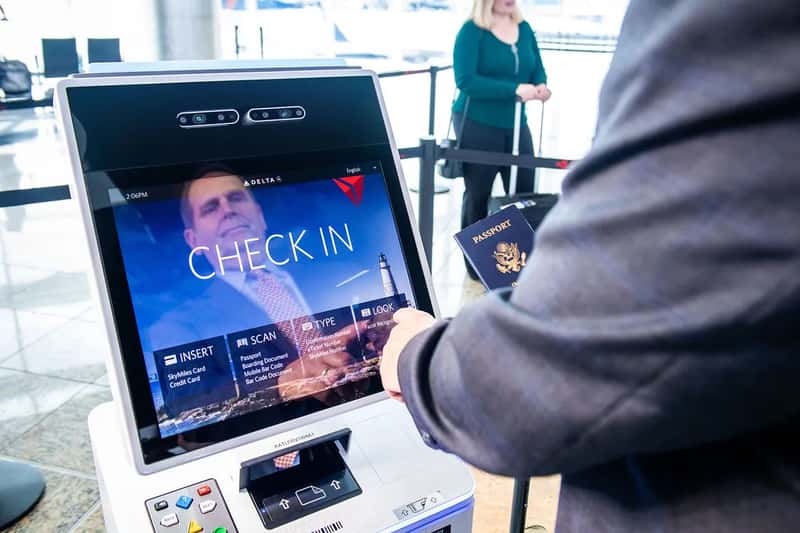
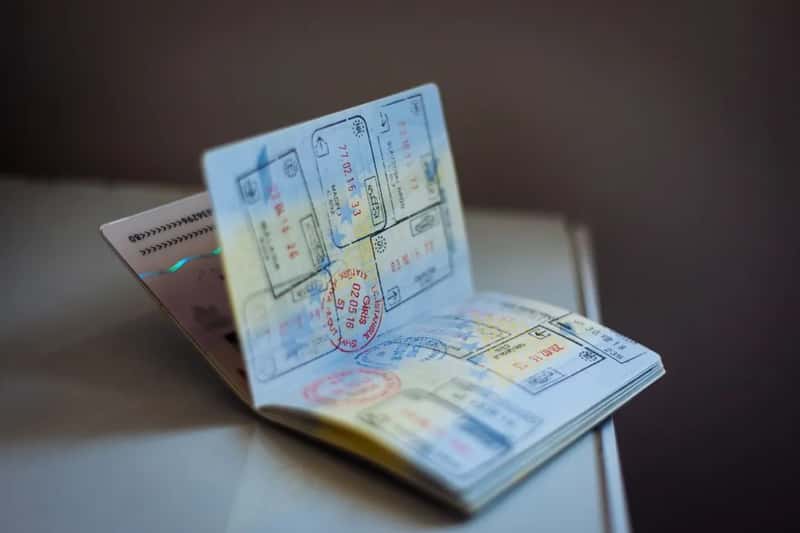
The continent’s border machinery is mid-upgrade, and the seams are showing. The delays stem from the Entry/Exit System, which became fully operational across the Schengen area in April 2026, replacing passport stamps with digital entry and exit records along with biometric data including fingerprints and facial images. Processing times increased by 70% in some locations due to the added steps involved in biometric data collection.
The pressure has been enough to push back the next phase of the plan entirely. The launch of the new European Travel Information and Authorisation System is set to be delayed until 2027, the Financial Times reported. Nine European countries have urged the EU to ease the checks, though the EU has refused to pause the border system despite acknowledging difficult spots where queues have built up. Officials are essentially admitting they need to fix one system before layering on the next, a rare moment of candor about how strained the process has become.
Final thoughts
None of these individual changes, a fee increase here, a biometric rule there, sounds dramatic on its own. Stacked together across the United States, the United Kingdom, and the European Union, they add up to a travel landscape that is measurably less forgiving than it was even two years ago. The common thread running through all of it is data: more of it collected, more of it cross-checked, and less room left for the kind of small inconsistency that border officers once simply let slide.
For travelers, the practical takeaway is straightforward even if the systems behind it are not. Paperwork that used to be a formality now deserves real attention, and a valid visa or approved travel authorization is the beginning of the process rather than the end of it.