As the holiday baking season approaches, many cooks pull out that familiar bottle of peppermint extract for cookies, hot chocolate, and other seasonal treats. The ingredient delivers intense flavor with just a few drops, yet questions often arise about whether it eventually spoils. Pure peppermint extract stands apart from many pantry staples because of its composition, which keeps it stable far longer than expected. ([1])
The Alcohol That Preserves It
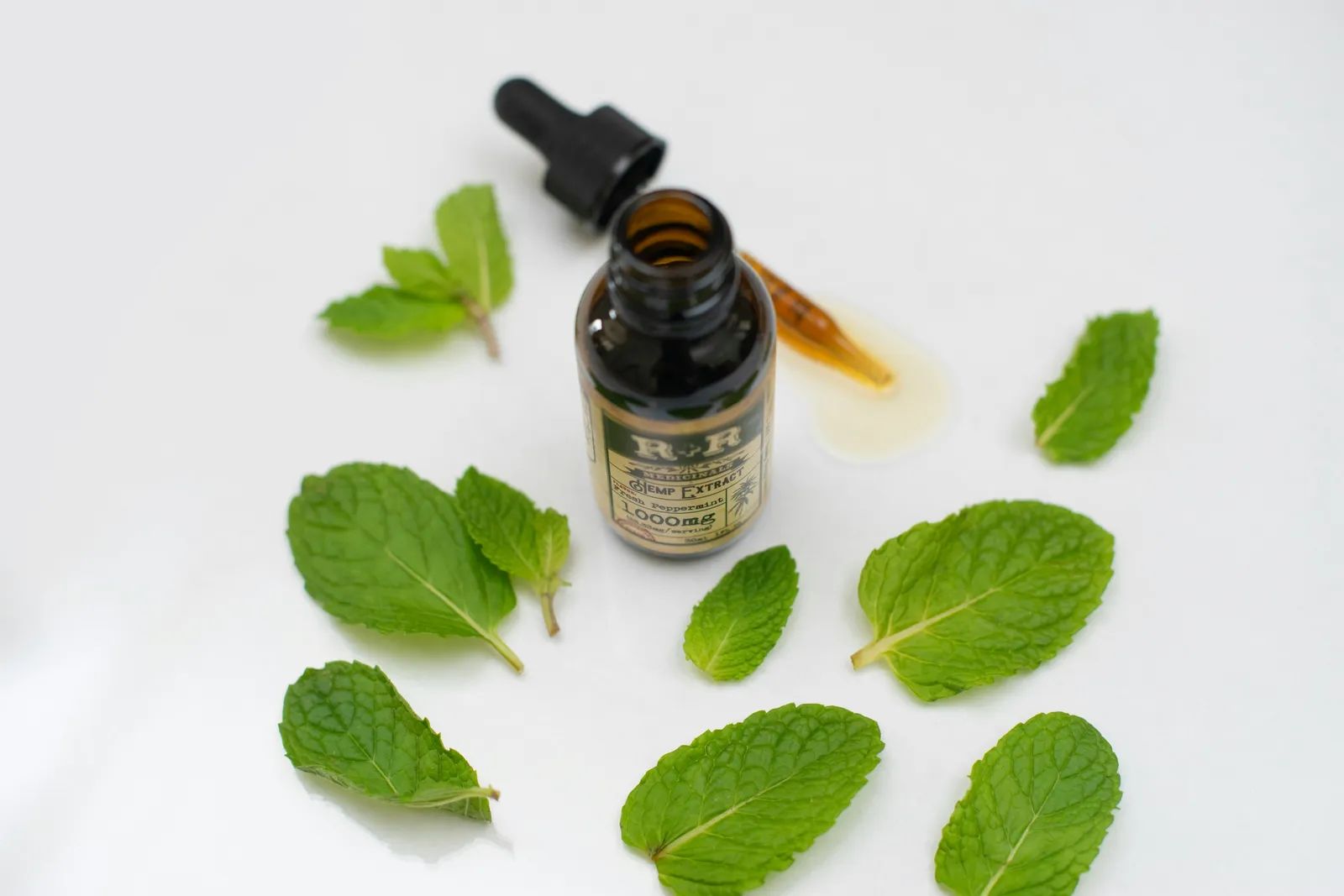
Pure peppermint extract consists of peppermint oil dissolved in a high concentration of alcohol, typically between 80 and 95 percent depending on the brand. This level far exceeds the alcohol content found in vanilla extract, which faces a federal minimum of 35 percent. The alcohol serves a dual purpose: it keeps the oil evenly mixed and prevents mold or bacteria from developing.
Manufacturers such as McCormick, Watkins, and Nielsen-Massey produce versions with these high percentages, sometimes listing no water at all. Without a federal standard of identity for peppermint extract, each company sets its own formula. The result is a product that resists spoilage even after opening, provided it remains sealed properly.
How Long It Actually Keeps
Guidance from producers points to three to four years of peak quality for both opened and unopened bottles when stored correctly. This timeframe reflects flavor retention rather than safety, and many bottles remain usable well beyond it. A gradual softening of the mint intensity may occur over extended periods, but that change does not indicate spoilage.
Products labeled simply as peppermint flavor or baking-grade peppermint oil follow different rules. Oil-based versions lack the preservative effect of alcohol, so their shelf life depends entirely on the specific manufacturer instructions. Homemade versions steeped in vodka also vary and require careful monitoring for any signs of change.
Extract, Oil, and Flavor Compared
Not every peppermint product in the baking aisle works the same way. Pure extract relies on alcohol to carry the flavor, while some peppermint flavor products use sunflower oil or glycerin instead. Baking-grade peppermint oil delivers concentrated flavor without any alcohol base, making it far stronger per drop.
Essential oils sold for aromatherapy or cleaning differ again and should never substitute for culinary versions. Always check the label and ingredients before adding any product to food. When a recipe calls for one form and only another is available, adjustments matter: roughly one-quarter to one-half teaspoon of oil can replace a full teaspoon of extract, with tasting along the way.
Storage That Protects Quality
Keep the bottle in its original dark glass container inside a cool, dark cabinet away from heat sources and sunlight. Tighten the cap after each use to limit air exposure and evaporation. Refrigeration offers no added benefit for pure alcohol-based extract and is not recommended.
Oil-based or homemade versions need closer attention to their individual labels. Minor color shifts or a strong alcohol scent upon opening remain normal and do not signal a problem.
| Type | Storage | Notes |
|---|---|---|
| Pure peppermint extract | Cool, dark cabinet | 3–4 years best quality |
| Peppermint flavor (oil-based) | Cool, dark cabinet | Follow label dates |
| Baking-grade peppermint oil | Cool, dark cabinet | Manufacturer guidance |
When to Replace It
Visible mold, floating particles, or an off, musty odor that replaces the sharp mint scent are the clearest reasons to discard a bottle. These issues remain rare given the alcohol content but can appear if a seal fails or contamination occurs. In most cases, the extract simply continues to perform long after any printed best-by date.
With proper care, that bottle from last season or even several seasons ago can still deliver reliable flavor for the next round of holiday treats. The high alcohol content turns what might seem like a perishable item into one of the most dependable in the pantry.