Most passengers never give a second thought to what’s being eaten up front in the cockpit. You pick your pasta or chicken, recline your seat, and assume the people flying the plane are sorted. What you probably don’t know is that the captain and first officer are deliberately eating completely different meals, and that it has nothing to do with personal taste. One of the most widespread stories among travelers is that aircraft pilots eat different meals to avoid an entire flight crew suffering from food poisoning, effectively rendering the flight pilotless. It turns out, the story is entirely true, and the logic behind it is both fascinating and quietly unsettling.
The Core Safety Logic: Redundancy in the Cockpit
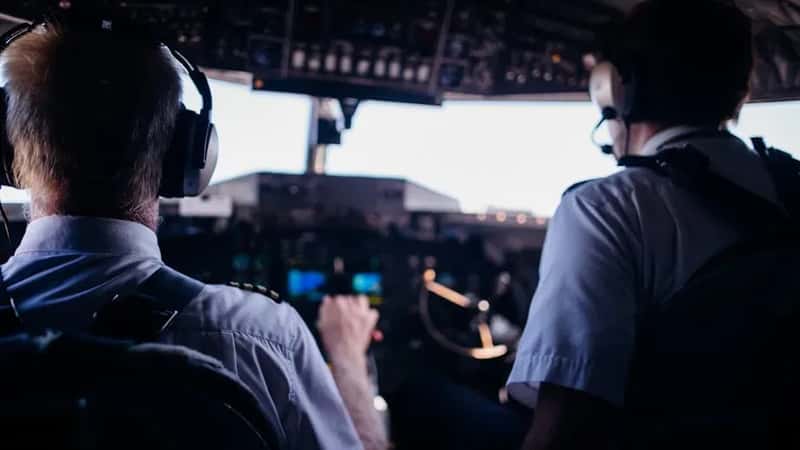
The primary reason for separate crew meals is to prevent the simultaneous incapacitation of both the captain and first officer. Aviation safety relies on redundancy, meaning no single point of failure can compromise the aircraft’s operation. This principle extends far beyond mechanical systems – it applies directly to the humans in the cockpit. If both pilots consumed the exact same contaminated meal, they could both suffer severe foodborne illness or an allergic reaction, rendering the flight crew unable to perform their duties. A single contaminated meal could contain bacteria like Salmonella or E. coli, leading to rapid onset of debilitating symptoms such as vomiting, diarrhea, or profound nausea.
Similar to how aircraft are designed with multiple backup systems to handle mechanical failures, the practice of pilots eating different meals is a precautionary measure to handle human vulnerabilities. The cockpit has always been built around the idea that if one thing fails, another takes over. This ensures that if something goes wrong with the health of one of the pilots, like food poisoning, the other pilot is able to step in and take over their duties. It is a remarkably simple rule with enormously high stakes attached to it.
The Incidents That Shaped the Rule
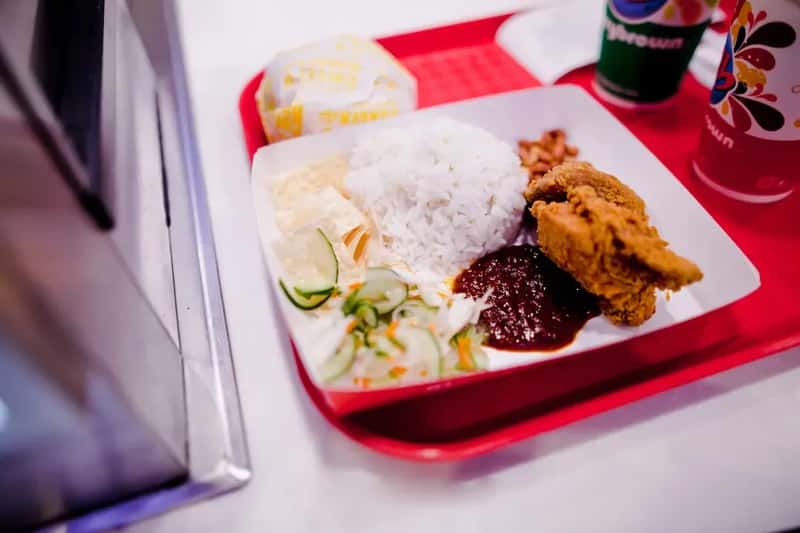
On 3 February 1975, 144 people fell ill aboard a Japan Air Lines Boeing 747 en route from Anchorage, United States, to Copenhagen, Denmark, after consuming an in-flight meal contaminated with Staphylococci. Investigations traced the contamination back to a cook with infected lesions on his fingers who had been handling food. It was just chance that the pilot and first officer had not eaten any of the contaminated omelettes, as the airline had no regulations regarding crew meals. As the pilots’ biological clocks were on Alaska time rather than European time, they had opted for dinner of steaks instead of omelettes – had they not done so, they might not have been capable of landing the aircraft safely.
Eisenberg suggested that cockpit crew members eat different meals prepared by different cooks to prevent food poisoning outbreaks from incapacitating the entire crew, a rule subsequently implemented by many airlines. Another harrowing case came later: In 1982, a flight from Washington D.C. to Lisbon had to turn around after the entire cockpit crew got sick from contaminated food. Aviation experts took note. Since then, most commercial airlines enforce a policy that the pilot and co-pilot must eat different meals. These events were not anomalies – they were the catalysts for lasting industry change.
How Common Is Pilot Incapacitation From Food?
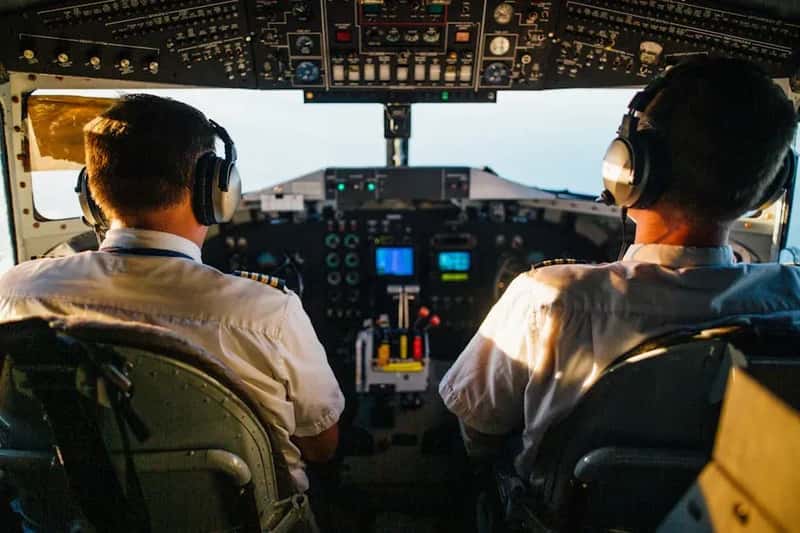
The leading cause by far of airline pilot incapacitations is gastrointestinal illness resulting from food poisoning. This potentially hazardous condition is inadequately dealt with by the airlines today and strikes equally in all pilot age groups. That finding, published in peer-reviewed aviation medicine literature, is striking when compared to public assumptions that heart attacks or mechanical failures pose the greatest cockpit risks. Aircrew heart attack and stroke concerns pale into insignificance relative to the far more common food poisoning incapacitations.
In a review of pilot incapacitation between 2010 and 2014, half of the occurrences were related to gastrointestinal illness such as food poisoning (Australian Transport Safety Bureau, 2016), and pilot incapacitation due to food poisoning is routinely reported. Furthermore, according to research by the Australian Transport Safety Bureau (ATSB), between 2010 and 2014, the country had an average of 23 pilot incapacitation occurrences reported per year. These numbers make clear that the different-meals rule is not precautionary folklore – it addresses a real, documented pattern of risk.
Who Decides What Each Pilot Eats?
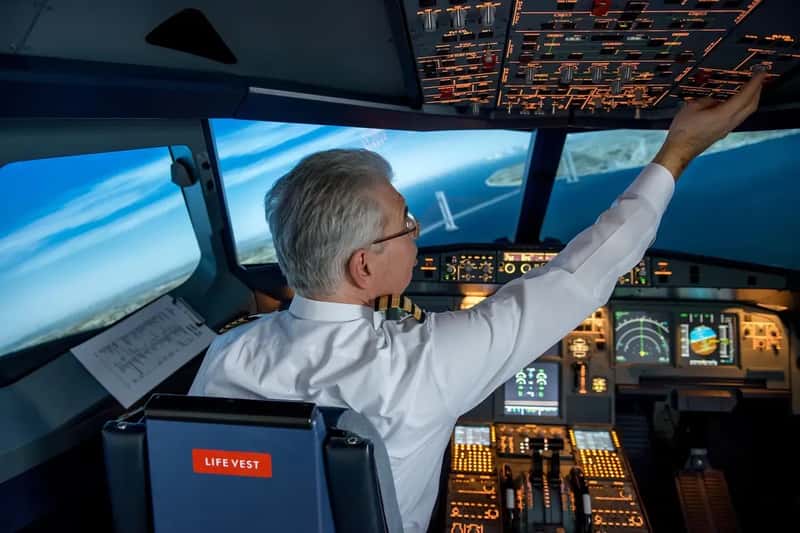
Even if both pilots request the same meal, the captain has the final say on who eats what and when. “The captain is the authority on the passenger plane, and responsible for anything that happens that could jeopardize the safety of the passengers and crew members.” This authority is not just ceremonial. It reflects genuine operational accountability. This decision-making process is not taken lightly. The captain must consider the operational implications of both pilots consuming the same meal. If no viable alternative meals are available, the captain might permit both pilots to have the same meal but will ensure they eat at different times. This staggered approach allows one pilot to be alert and capable of managing the flight while the other consumes their meal, thus providing a buffer period to observe any adverse reactions.
Pilots not only eat different meals from each other, they also don’t dine on the same thing as their plane’s passengers. In the case of the 1982 flight to Boston, reportedly none of the 250 passengers onboard got sick since the crew had a different – albeit spoiled – meal than what was served in the cabin. Flight attendants also operate under their own food protocols. A spokesperson for Finnish airline Finnair told the Telegraph that while cabin crew on long-haul flights eat the same business class meals served to passengers, the captain and first officer each get different meals from the flight attendants – and each other.
The Regulatory Framework Behind the Rule
Pilot meal protocols are rooted in international and national mandates concerning crew fitness for duty. Organizations such as the International Civil Aviation Organization (ICAO) and the Federal Aviation Administration (FAA) establish safety requirements demanding pilots remain fit and ready to fly. These regulations require airlines to implement procedures that minimize the possibility of pilot incapacitation. The specific application, however, is largely left to individual carriers. While the specific requirement to eat different meals is often codified as a Standard Operating Procedure (SOP) by individual airlines, it is driven by the regulatory principle of maintaining crew health.
Most airlines have a policy against pilots choosing the same in-flight meal, although this rule is not mandated by the Federal Aviation Administration. This distinction matters. The rule exists as an industry standard rather than an explicit federal law in the United States, which means its enforcement depends on each airline’s own operational culture. Airlines often recommend that crewmembers choose different menu items when eating together, just as in flight where the captain and first officer get different meals. Some carriers extend that guidance to meals consumed at hotels between flights, recognizing that contamination risks don’t disappear on the ground.
The Food Safety Chain: From Kitchen to Cockpit
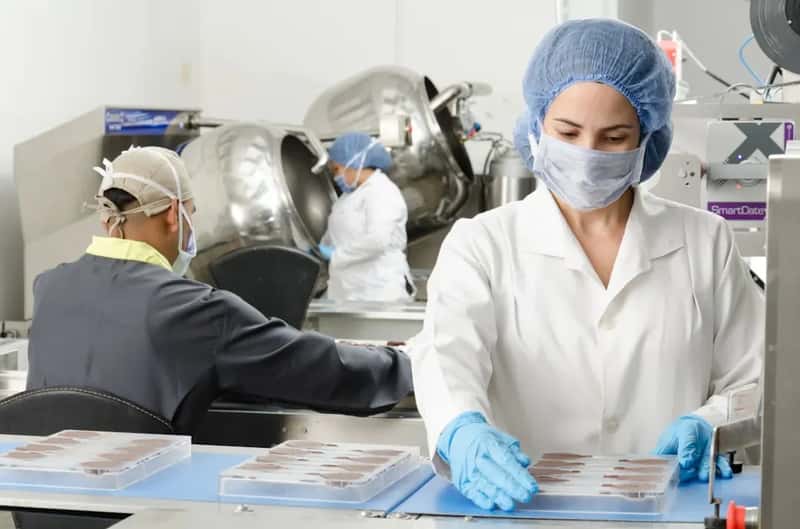
Airline meals are typically prepared in specialized commissary kitchens near airports – not on the plane itself. These catering facilities follow strict Hazard Analysis and Critical Control Points (HACCP) guidelines, which are often more rigorous than standard restaurant protocols. Even so, the supply chain introduces real risks. Airlines typically operate in many countries around the world, where they need to rely on a local catering company. Foreign food safety standards vary around the world. A meal loaded in a foreign airport may have passed through multiple hands under conditions far less controlled than those of a well-equipped Western commissary.
When foodborne illness occurs, it may have serious implications for passengers and when crew are affected, has the potential to threaten safety. Quality, safe, in-flight catering relies on high standards of food preparation and storage; this applies at the airport kitchens, on the aircraft and in the transportation vehicles which carry the food from the ground source to the aircraft. The cold chain is especially critical. Meals are often prepared hours – or even a day – in advance and must remain at safe temperatures (below 41°F) from prep to plane. Any break in that chain, even briefly, can allow bacteria to multiply to dangerous levels before the meal ever reaches the cockpit – which is precisely why the different-meals rule remains one of aviation’s most quietly essential safety measures.