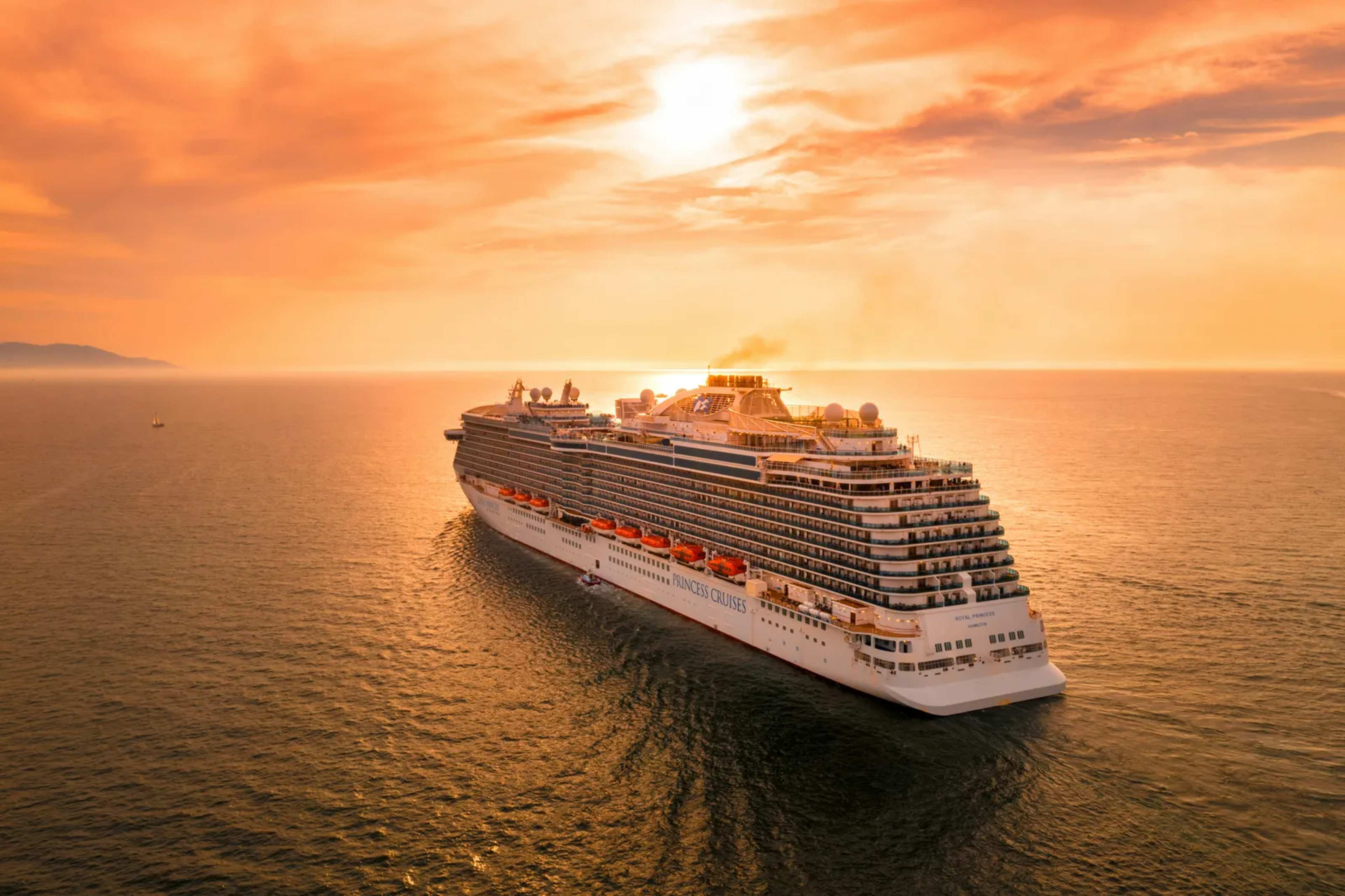
For decades, the arrival of a mega-ship was treated as an economic gift for small Caribbean ports. Thousands of visitors would pour off the gangway, spend a few hours ashore, and pump money into taxis, tour operators, and souvenir shops before sailing off by sunset. That equation is being questioned now. From Nassau to San Juan to the tiny Dutch island of Bonaire, governments are rewriting the rules on how many ships, and how many passengers, their shorelines can actually absorb.
The shift is not happening in isolation. It mirrors a broader reckoning playing out from the Mediterranean to the Pacific, where destinations that once welcomed every arriving vessel are now capping passenger numbers, taxing cruise guests directly, or banning the largest ships outright. In the Caribbean specifically, the pressure comes from a mix of surging global travel demand, aging port infrastructure, environmental strain on reefs and coastlines, and a growing sense among residents that the benefits of cruise tourism are not being shared fairly.
A Region Feeling the Weight of Record Arrivals

Global tourism has come roaring back since the pandemic-era shutdowns, and Caribbean ports are absorbing a disproportionate share of that rebound. According to UN Tourism’s 2026 outlook, global international arrivals reached approximately 307 million in Q1 2026, up 2% year-on-year, with a disproportionate concentration flowing directly into Caribbean cruise ports and coastal resort zones. That surge has been amplified by 8-12% cruise-linked seasonal increases, short-haul travel demand spikes, and geopolitical disruptions in the Middle East pushing travelers toward closer Caribbean alternatives.
The strain is now visible across multiple nations at once rather than a single troubled port. Puerto Rico, Barbados, Dominican Republic, Jamaica, Saint Lucia, Bahamas, and Belize are hitting a critical tipping point, and what was once viewed as unlimited tourism growth is now triggering emergency governance measures, with governments no longer asking if they need to control visitor flows but how fast they can implement restrictions. It’s a striking reversal from the growth-at-any-cost mentality that defined Caribbean tourism marketing for much of the last thirty years.
The Bahamas and the Squeeze on Nassau
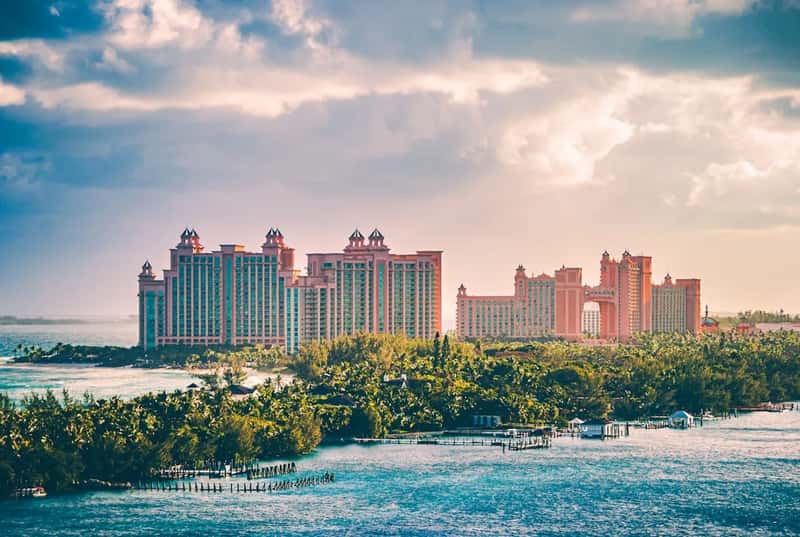
Nowhere is the mismatch between port capacity and ship size more visible than in the Bahamas. The Bahamas faces perhaps the most acute cruise-driven crisis across the region, with Nassau and nearby islands frequently experiencing simultaneous ship arrivals, sometimes three or four mega-ships offloading more than 10,000 passengers into ports designed for regional traffic, not global cruise fleets. That kind of volume, arriving all at once, overwhelms narrow downtown streets never built for that kind of foot traffic.
The government’s response has extended well beyond passenger flow into the broader maritime economy. The Bahamas implemented substantial increases to its boating-related fees starting July 1, 2025, including increased fees for cruising permits, new charges for fishing and anchoring, mandatory vessel tracking requirements, and the introduction of a per-passenger tax. The changes sparked widespread concern among the cruising community, with reports of marina cancellations and boater backlash, as the Port Authorities Amendment Bill dramatically increased the cost of cruising permits for visiting yachts. Officials frame the money as necessary to fund infrastructure improvements, environmental protection, and maritime safety enhancements, even as some in the industry worry it could push budget-conscious travelers elsewhere.
Bonaire’s One-Ship Experiment
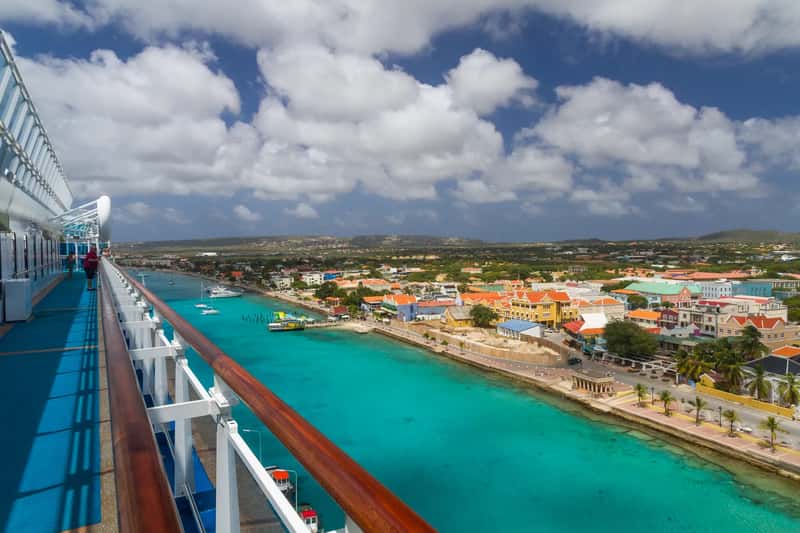
Few islands illustrate the tension between preservation and profit as clearly as Bonaire, the small Dutch Caribbean island famous for its reefs. Rather than expanding to accommodate more traffic, Bonaire chose to shrink its daily footprint. Following an update on its “one ship policy,” aimed at a better Bonaire experience for cruise tourists as well as residents, the island committed to handling a maximum of one large cruise ship per day, spreading out visitor numbers to improve the on-shore experience and relieve pressure on infrastructure. Smaller ships with less than 700 passengers are still allowed as a second vessel on a given day.
The math behind the decision is simple demographics. An island with a population of around 20,000 cannot reasonably accommodate five to six thousand visitors at once on top of its normal longer-stay guests. Notably, this cap isn’t about a lack of physical dock space. Bonaire’s cruise port infrastructure actually has the physical capacity to dock up to four cruise ships at once, yet the island actively promotes a sustainable one-ship-per-day philosophy, consciously limiting daily cruise traffic to help protect its world-famous reefs and avoid overcrowding. It’s a deliberate choice to prioritize the environment and resident quality of life over maximum throughput.
Puerto Rico’s Lopsided Tourism Map
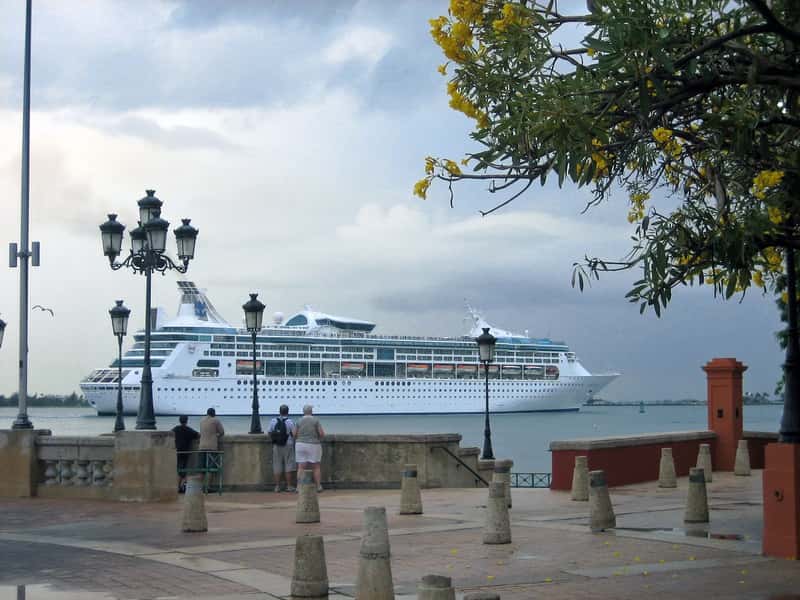
Puerto Rico presents a different kind of imbalance, one rooted in geography rather than sheer volume. Nearly all cruise traffic funnels into a single city, leaving the rest of the island largely untouched by the economic upside. Inland Puerto Rico remains vastly underutilized while the economic benefits concentrate in San Juan, and the environmental strain concentrates there too. Old San Juan’s narrow colonial streets simply were not designed for the crowds that modern ships now bring.
Authorities are aware of the problem, but the fix is proving difficult in practice. Authorities are now aggressively promoting cultural tourism circuits and eco-tourism dispersal strategies, but the fundamental problem remains that cruise ships dock in the capital, and that’s where visitors go. Changing decades of ingrained shore-excursion habits, and the logistics that cruise lines have built around them, takes far longer than passing a new tourism strategy on paper.
Private Islands: A Contained Solution With Its Own Critics
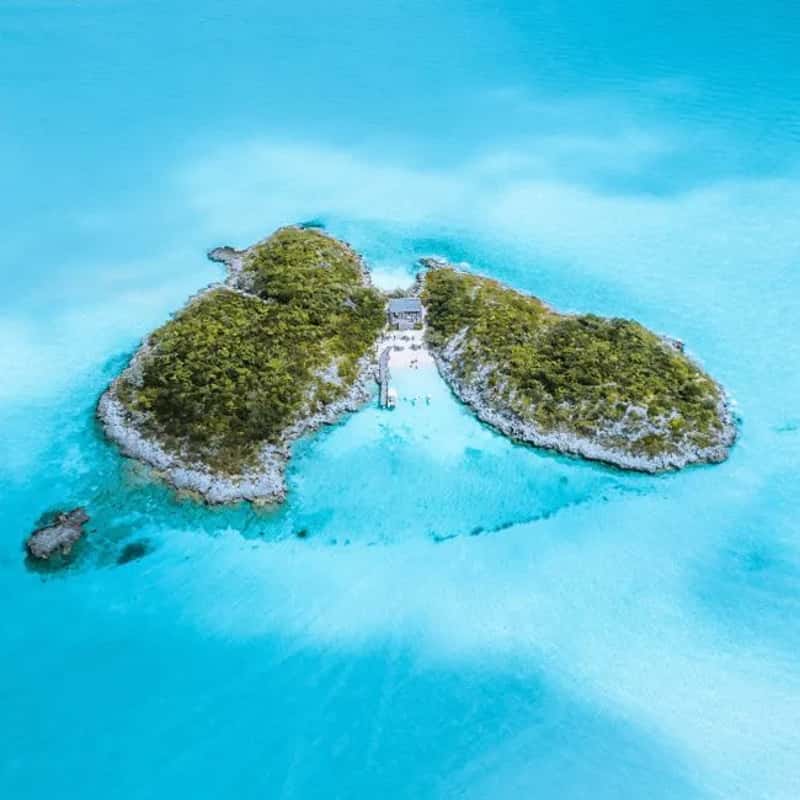
Beyond Labadee, nearly every major cruise line now operates its own leased or purpose-built island in the Bahamas, a model designed to concentrate tourism impact in one controlled location rather than spreading it across a nation’s capital. Royal Caribbean, Carnival, Disney, Norwegian, and Princess Cruises all have private islands in the Bahamas, with Royal Caribbean’s island covering 125 acres and leased until 2050. On paper, this looks like a tidy answer to overtourism complaints.
Critics see it differently. In the Caribbean, cruise companies have leased entire islands for their guests, making it easy to contain the problem, albeit in enclaves that don’t benefit anyone apart from the cruise company. That criticism has fed directly into policy. The Bahamian government moved to capture more value from these enclaves through direct taxation, introducing new charges tied specifically to the private island destinations that had previously generated little in local tax revenue relative to their passenger volumes.
Key West and the Fight Over Local Control
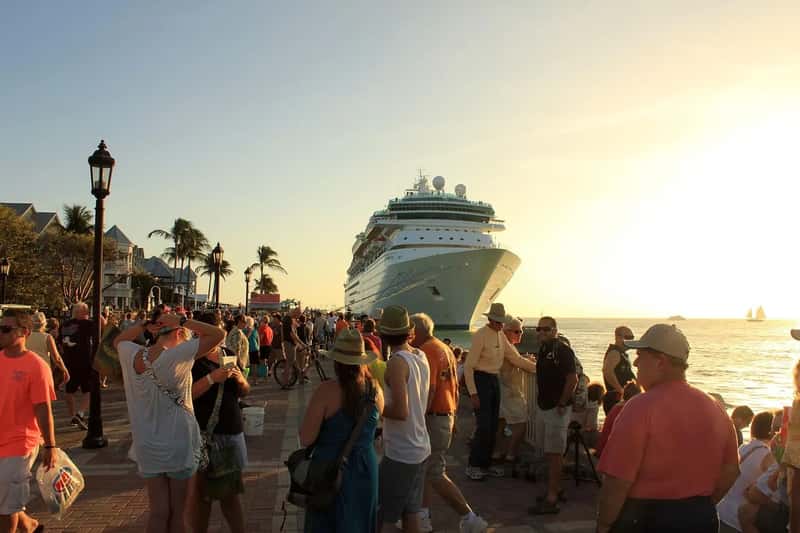
Not every attempt to limit cruise access has succeeded, and Key West’s experience shows just how much political and legal muscle the industry can bring to bear. In 2020, residents voted decisively to rein in ship traffic. Voters approved three ballot questions that would restrict the number of daily cruise ship visitors to 1,500, ban vessels carrying more than 1,300 passengers, and prioritize docking for cruise lines with the best health and environmental records. Key West citizens voted 63 percent in favor of limiting daily cruise ship visitors to 1,500, about 60 percent said yes to prohibiting larger ships, and over 80 percent agreed that the best cruise line corporate citizens should get first pick of docking assignments.
That victory was short-lived. Florida Governor Ron DeSantis signed a bill overturning the decision, with a Florida Senate transportation bill including language nullifying measures that would cap daily passenger numbers, ban ships carrying more than 1,300 people, and prioritize ships based on health and environmental records. The episode has become a cautionary tale for other island communities weighing similar referendums. Local sentiment and even a lopsided popular vote don’t always translate into lasting policy when state or national governments, often lobbied heavily by the cruise industry, decide otherwise.
Looking to the Mediterranean for a Preview
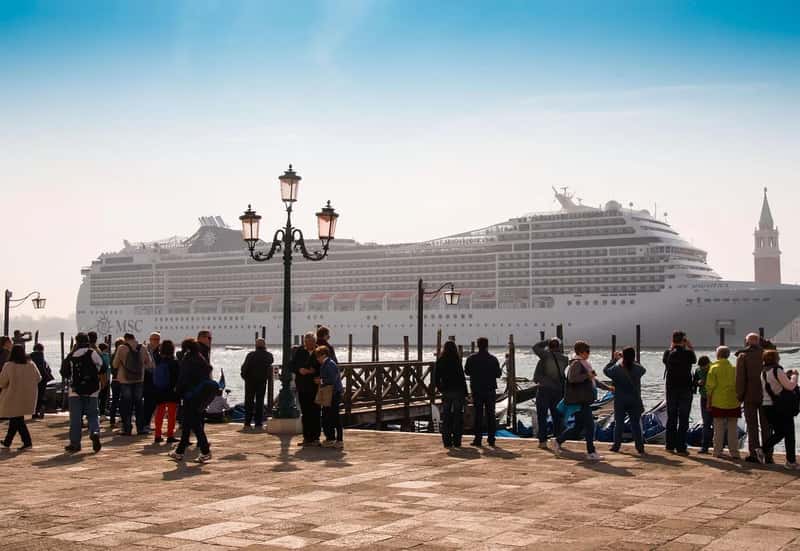
Caribbean officials watching Europe’s cruise ports have gained a useful preview of where these debates can lead. Several European destinations moved from complaints to firm caps years ago, offering a template now being echoed across the Caribbean. Venice banned large ships in 2021, followed by Barcelona in 2023, while Amsterdam is gradually phasing out cruise ships in its harbour, aiming for an outright ban by 2035. More recently, Palma de Mallorca announced that between June and September only 7,500 cruise passengers will be allowed per day, a decrease from its prior limit, with only three cruise ships permitted to dock daily and no single vessel allowed to carry more than 5,000 passengers.
France has taken an even harder line at Cannes. French officials approved new limits taking effect in January 2026, under which only cruise ships with under 1,000 passengers are allowed, with total daily cruise visitors capped at 6,000, a change estimated to nearly cut large-ship visits in half. These European precedents give Caribbean governments both political cover and a working blueprint, showing that capping ship size and daily passenger counts is administratively possible without collapsing a tourism-dependent economy overnight.
What This Means for the Future of Caribbean Cruising
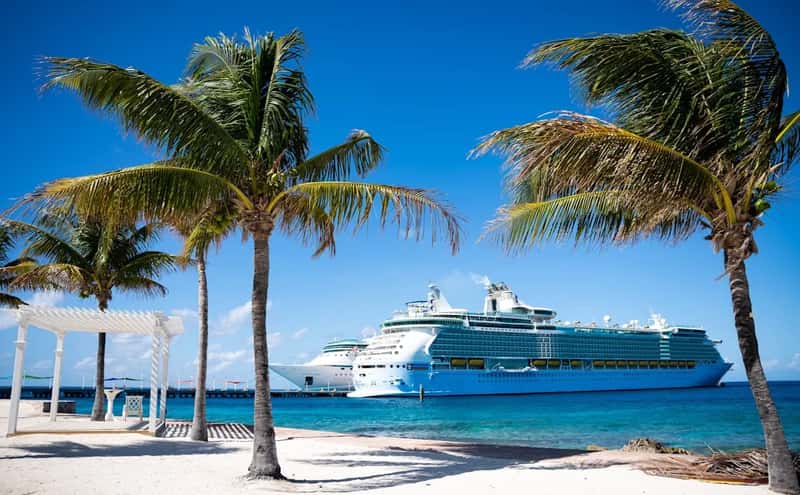
None of this means the cruise industry is retreating from the Caribbean. Bookings remain strong, new ships keep launching, and private island expansions continue at a fast pace across the region. What’s changing is the terms of engagement. Islands are increasingly negotiating from a position of greater confidence, insisting on passenger caps, higher fees, and dispersal strategies rather than simply accepting whatever volume the cruise lines choose to send.
For travelers, the practical upshot is a Caribbean that may look and feel different over the next few years. Itineraries could shift away from congested capitals toward less-visited ports, per-passenger fees are likely to keep rising, and some destinations will simply cap how many ships they’ll host on a given day regardless of demand. It’s a slower, more deliberate version of Caribbean tourism than the one built over the last thirty years, but for islands trying to protect both their reefs and their neighborhoods, it may be the only sustainable path forward.