For nearly two decades, Mexico has been the default answer whenever someone asked where they should spend their retirement savings. Cheap flights, familiar food, a matching time zone, and beach towns that feel like a warm hug have made it the go-to choice for North Americans chasing sunshine on a budget. Yet a quieter shift is happening. A growing number of retirees are trading the Pacific coast and colonial towns of Mexico for the rugged Adriatic coastline of Montenegro, a tiny Balkan country that most Americans still couldn’t point to on a map a few years ago.
This isn’t a mass exodus, and Mexico isn’t disappearing from anyone’s retirement shortlist anytime soon. Still, the reasons people give for looking at Montenegro instead, or in addition, are consistent enough to notice: European Union candidacy, low taxes, a Mediterranean-style climate without Mediterranean-style prices, and a sense of long-term stability that some retirees say they no longer feel south of the border.
Why More Americans Are Rethinking Mexico
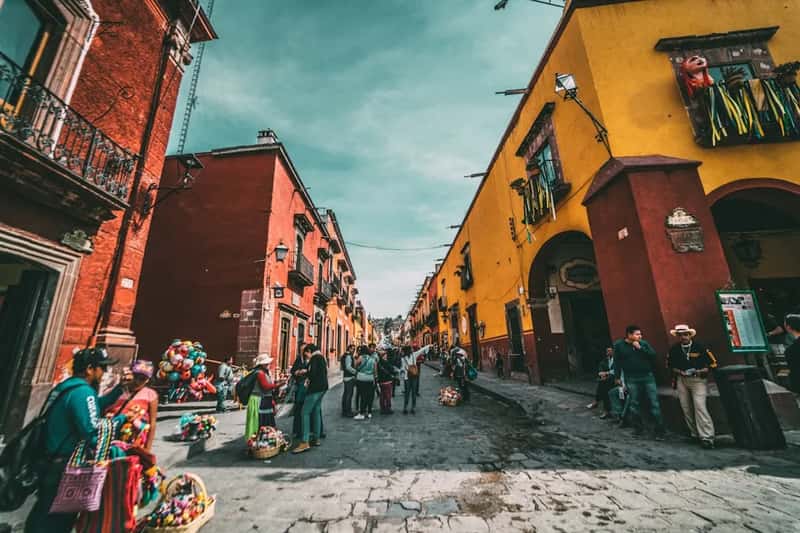
Mexico still checks a lot of boxes for retirees. With close proximity to the U.S., abundant, cheap flights under $100 to most major destinations make Mexico a top choice for a lot of North Americans. The affordability argument remains real too, since Mexico also remains one of the best value destinations overall, with the study suggesting comfortable living is possible there from roughly $1,200 per month depending on the location, while retirees with larger budgets can enjoy a particularly high quality of life.
Even so, retirees rarely make a move purely on price. The considerably lower cost of living in Mexico compared to many Western countries is one of the best things about moving there, making it much cheaper to pay for things like food, utilities, and transportation. Yet a subset of retirees, particularly those who have already spent years there, are weighing that affordability against bureaucratic friction, language barriers, and a desire for something with a different long-term trajectory, which is exactly where a country like Montenegro starts entering the conversation.
Montenegro: The Adriatic Country Flying Under the Radar
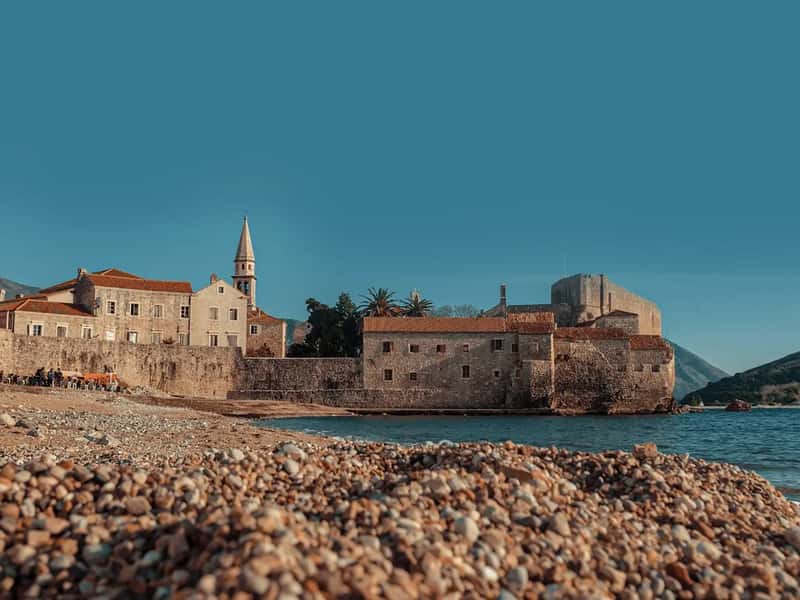
Montenegro is a small nation wedged between Croatia, Serbia, and Bosnia and Herzegovina, with a coastline that has quietly earned comparisons to some of Europe’s most famous seaside destinations. One retirement guide sums it up bluntly, describing it as a country for Americans who want to move to a European country with a mix of Spain’s weather, Italy’s cuisine, and France’s landscapes, calling it the place for those who prefer a western country that is affordable and peaceful.
Despite that appeal, Montenegro has stayed largely off the radar for American retirees until recently. Montenegro, a tiny country in the Balkans, is unknown by many, though in recent years it has become an up-and-coming expat destination, with those who have discovered it enjoying its mild climate, beautiful scenery, low cost of living, and relaxed lifestyle. One expat guide goes so far as to brand it “Europe’s best-kept secret,” pointing to an official digital nomad visa, low income tax, and a comfortable life from around €900 a month.
Comparing the Real Cost of Living
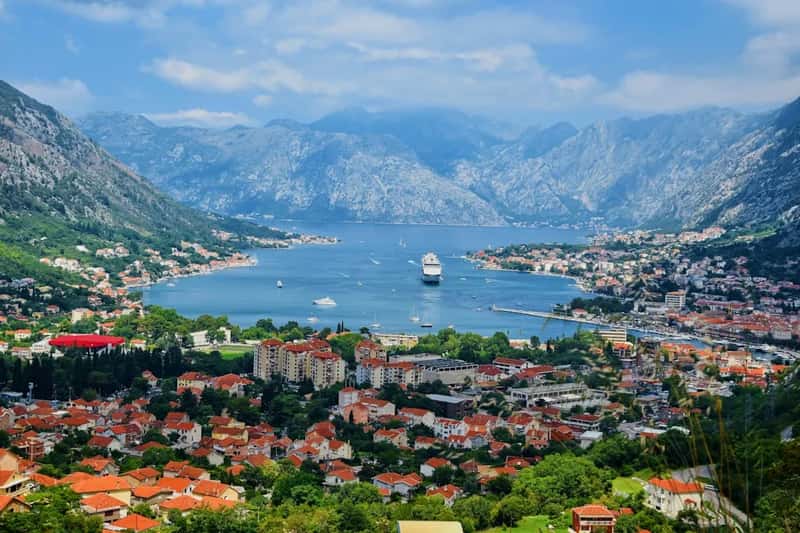
It would be misleading to claim Montenegro is dramatically cheaper than Mexico, because it generally isn’t. Live and Invest Overseas notes that despite its popularity with the jet-set, you don’t need a bulging bank balance to make your home there, since a couple can live the good life on as little as $1,700 a month. Other estimates put the number a bit higher, suggesting a budget of roughly $1,580 to $2,105 per month will see a couple living comfortably there.
That’s noticeably more than the roughly $1,200 monthly figure often cited for Mexico, so the appeal here isn’t a rock-bottom price tag. It’s closer to a value equation: retirees get a European Union candidate country, a stable currency pegged to the euro, and a coastline often compared to Croatia’s, for a cost that still sits well below what most of Western Europe demands. For many, that trade-off, spending a little more than Mexico but noticeably less than Italy, France, or Spain, is the entire point.
Housing and Everyday Expenses
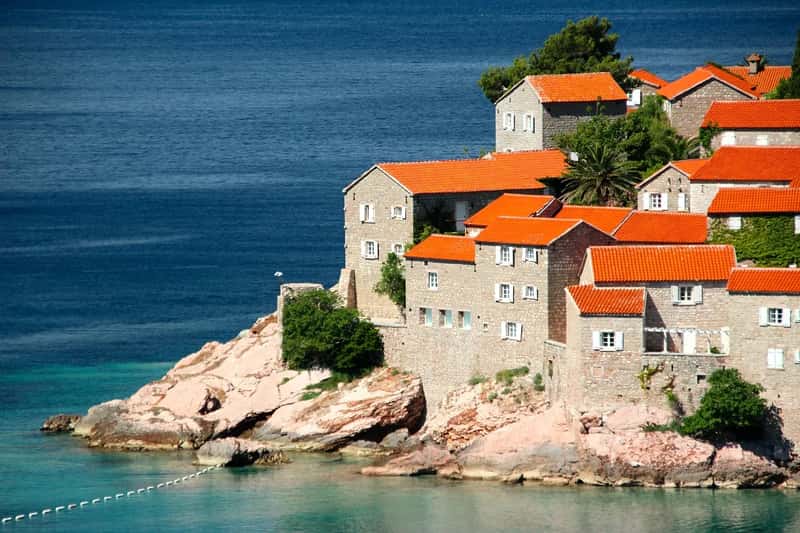
Rental prices in Montenegro remain modest by European standards. According to one report on Americans relocating there, apartment rents average around $400 to $800 per month depending on size and location, while groceries cost $150 to $300 per month and average restaurant meals run $6 to $12. Those numbers land Montenegro somewhere between Mexico’s beach towns and pricier Western European capitals.
Daily life costs stay reasonable too, from transportation to casual dining out. Retirees who have actually lived there report modest figures for things like public transit and local beer, describing budgets in the range of about $50 USD per month for buses and taxis for those willing to walk most places, a detail that lines up with the compact, walkable towns dotting the Montenegrin coast.
Visa and Residency Pathways

Unlike Portugal or Spain, Montenegro doesn’t currently offer a dedicated retirement visa, but that hasn’t stopped foreigners from settling in. As of early 2026, Montenegro does not offer a specific “retirement visa” but allows retirees to obtain temporary residence through property ownership, company formation, or proof of sufficient means, with annual costs typically ranging from €300 to €800 including all paperwork and renewals.
Financial requirements are relatively approachable compared to some Western European programs. The key financial requirements to qualify for residence include demonstrating sufficient funds of approximately €3,500 to €4,000 in a Montenegrin bank account, or proof of income around €350 to €400 monthly per person, valid health insurance, and a clean criminal record from your home country. Buying property is often the simplest route, since as one Montenegro-focused expat resource puts it, if you plan to retire to Montenegro, buying a home is probably the easiest route to a temporary residence permit.
Healthcare: The One Real Trade-off

Healthcare is where Montenegro asks retirees to be realistic rather than romantic. The public system still has real gaps, and one long-running expat resource is direct about it, noting that since Montenegro is a new country, certain public services are still developing, which is unfortunately the case with health care, as the public health care system is inadequately funded, resulting in poor quality of care, long wait times, and a lack of trained professionals.
The workaround most retirees choose is private coverage rather than relying on the public system. Expats are generally advised to invest in quality international health care insurance, which will guarantee access to the high-quality private medical clinics in Montenegro, where doctors speak English and the facilities are modern. For anyone coming from Mexico, where private healthcare in expat hubs is well established, this is arguably the biggest adjustment Montenegro demands.
Safety, Climate, and Everyday Lifestyle
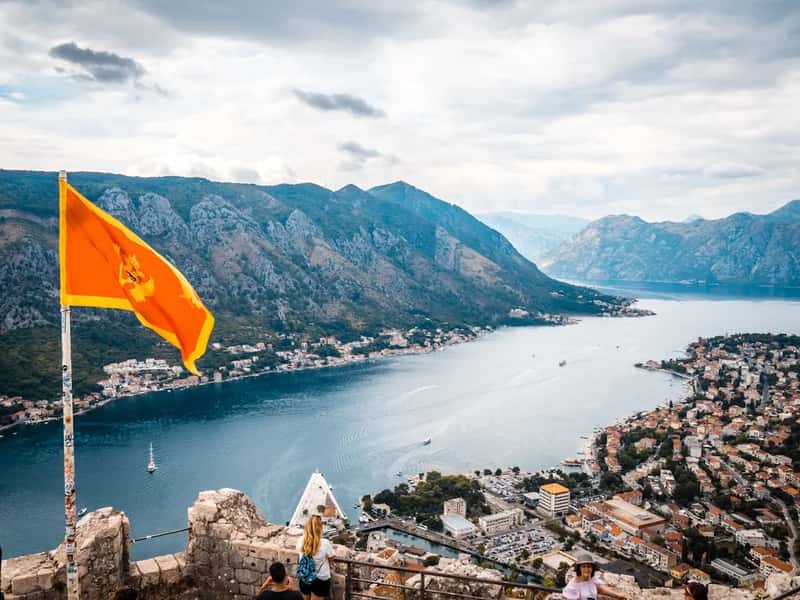
Safety is frequently cited as one of Montenegro’s quiet selling points. According to one detailed expat guide, thanks to a low crime rate, it is safe to live in Montenegro, with violent crime in particular relatively low compared to other countries, and the US State Department rating Montenegro as a level 1 country, the same tier assigned to some of the safest destinations in the world. It does add a practical caveat, noting that during the May to September summer tourist season, street crime increases significantly in the coastal tourist areas, which is a fairly typical pattern for any popular Mediterranean-style destination.
The physical setting is a big part of the draw too. Guides describing the country point to its dramatic geography, noting that Montenegro is particularly popular amongst adventure seekers, since its rugged geography provides optimum conditions for snow sports during winter and stunning hiking trails in the summer. Few retirement destinations anywhere in the world let you ski in the mountains and swim in the sea within the same short drive, and that combination of mountains, coastline, and Old World towns like Kotor is precisely what keeps drawing comparisons to Croatia at a fraction of the price.
Taxes and Practical Financial Advantages

One of Montenegro’s most concrete advantages for retirees is its tax structure. Resources tracking expat life there describe it as having Europe’s lowest tax rate at 9 to 15 percent, with a €700 tax-free threshold, alongside an official digital nomad visa available for up to four years, tax-free. For retirees drawing pensions or Social Security, a lower personal income tax rate than most of Western Europe is a meaningful difference over a decade or two of retirement.
This financial backdrop matters even more given the broader trend of Americans looking abroad in the first place. Social Security data shows this isn’t a fringe movement. Social Security Administration data shows a growing number of Americans are receiving benefits abroad, and an increasing number of these are retirees. In 2024, the SSA estimated that these accounted for 12% of the nation’s 45 million retirees. Separately, of the 5.5 million Americans living abroad, 23% are retired, according to a report from Get Golden Visa. Montenegro is capturing a small but growing slice of that population looking for lower taxes without sacrificing a European lifestyle.
Is the Move Worth It?

Montenegro isn’t going to dethrone Mexico as the world’s most popular retirement destination for Americans, and it probably shouldn’t try to. Mexico’s proximity, established expat infrastructure, and rock-bottom costs in places like Lake Chapala or the Yucatán remain hard to beat for anyone prioritizing pure affordability and easy trips home. What Montenegro offers instead is a different set of priorities altogether: a European Union candidate country, a low flat tax, dramatic coastal and mountain scenery, and a security profile that some retirees find reassuring after years of following headlines about safety concerns in parts of Mexico.
For retirees willing to trade a bit of savings on monthly expenses for a foothold in Europe, private healthcare instead of relying on a still-developing public system, and a slower, less discovered version of the Adriatic lifestyle, Montenegro is proving to be more than a curiosity. It’s becoming a legitimate second name on a list that, for a very long time, only had one.