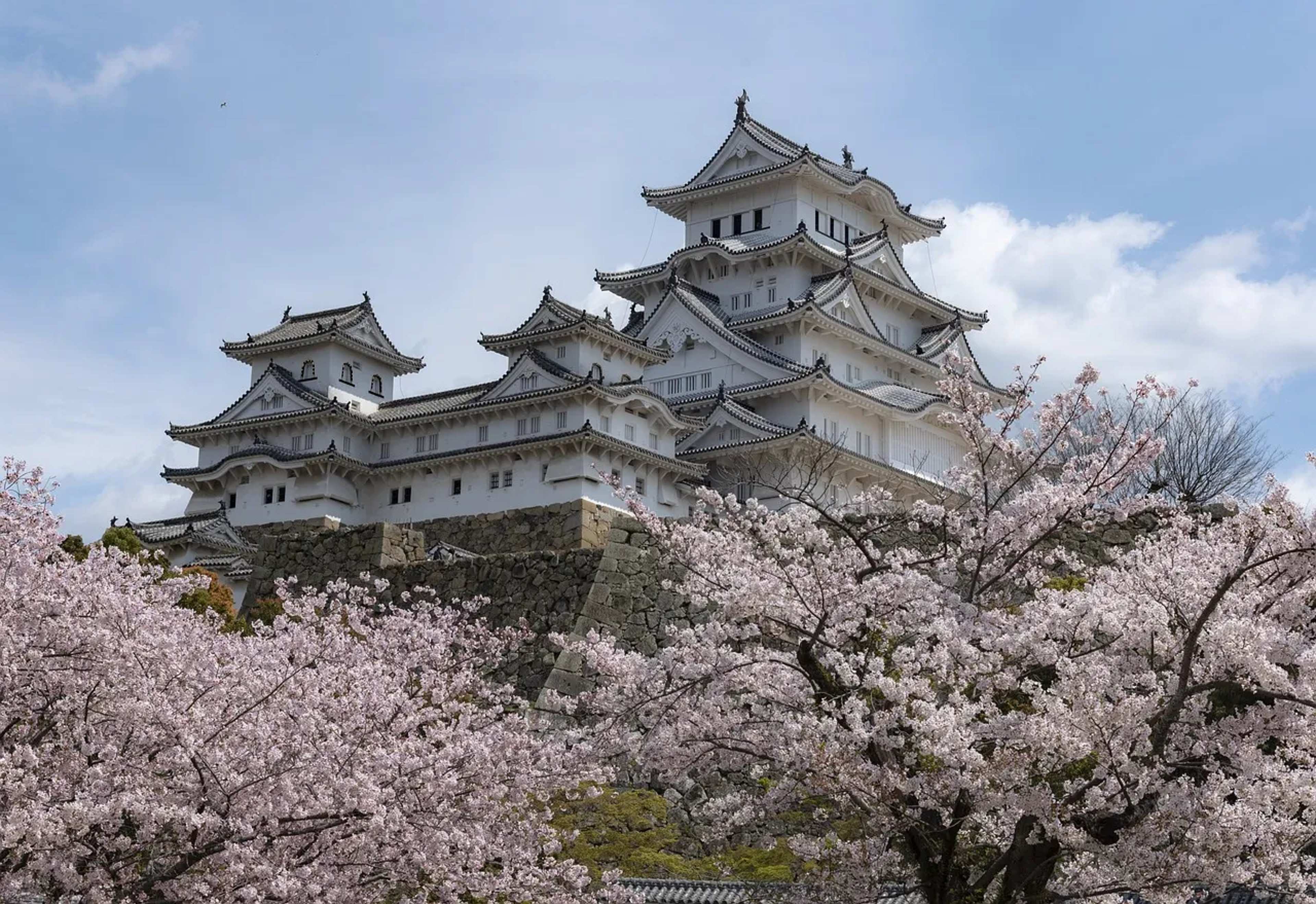
For years, Costa Rica held the title as Central America’s default retirement address. Beaches, monkeys, a reputation for peace, it had the whole package. Lately, though, a growing number of retirees are quietly crossing the border north instead, trading some polish for a much smaller monthly bill.
That neighbor is Nicaragua, and the pull isn’t mysterious once you look at the numbers. Same coastline, similar climate, similar time zone, but a price tag that in some cases runs less than half of what Costa Rica charges for a comparable lifestyle.
The price gap that started the conversation

The math is hard to argue with. Costa Rica’s cost of living runs roughly 75 to 80 percent higher than Nicaragua’s, despite a similar Pacific coastline and climate. That is not a small rounding difference, it is the kind of gap that changes what a fixed income can actually buy.
Nicaragua is considered roughly 40 to 80 percent cheaper than Panama or Costa Rica, while offering the same Pacific coastline, a territorial tax system, and U.S.-aligned time zones. For someone living on Social Security or a modest pension, that difference can mean the choice between renting and actually owning a home outright.
What a monthly budget actually looks like

In Costa Rica, retirees are told to plan for real money. A retired couple might expect to pay 2,500 to 3,200 dollars per month in inland or smaller towns, 3,000 to 3,500 dollars in the Central Valley or San José, and 3,200 to 4,500 dollars or more in Pacific beach towns. Even the more optimistic estimates from industry marketers put a couple’s minimum at around 2,200 dollars a month including rent, which still assumes a fairly frugal lifestyle.
Nicaragua tells a different story. On the Pacific coast, a single person lives comfortably on 1,000 to 1,500 dollars a month, a couple who owns their home on 1,500 to 2,500 dollars a month, and a family of four on 2,000 to 5,000 dollars a month. Most retired couples are comfortable on 1,500 to 2,500 dollars a month if they own their home. That is roughly the price of a modest apartment in San José for a comparable life on the Nicaraguan coast.
Getting residency without the years-long wait
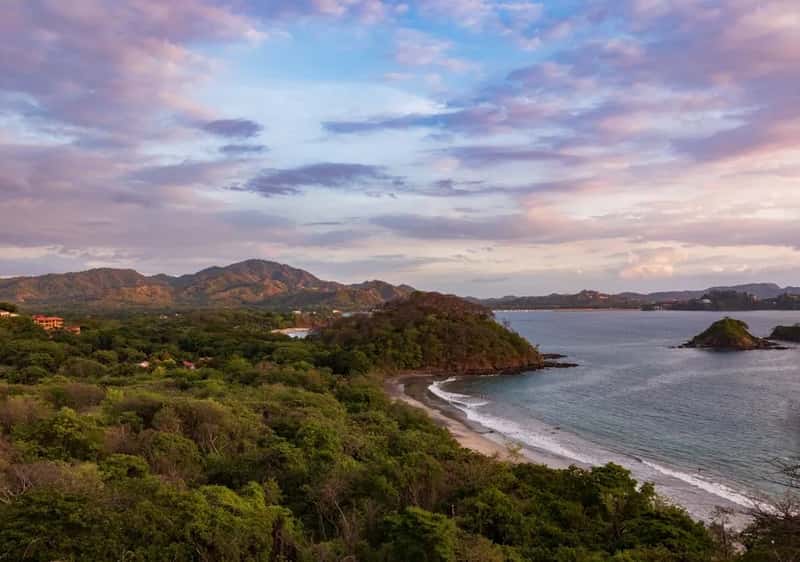
One of the quieter frustrations retirees mention about Costa Rica is the paperwork timeline. Costa Rica’s visa processing times commonly range from 9 to 24 months, depending on government backlog and demand. That is a long stretch of uncertainty for people trying to plan the next chapter of their lives.
Nicaragua’s system, while it has shifted in recent years, still tends to move faster. Pensionado residency requires a monthly income of just 600 US dollars, and residency applications can take two to eight months to process. It is worth noting that the framework has evolved, with some sources pointing out that the old regime that once gave retirees and passive-income holders a special path to indeterminate residence and tax breaks is marked as no longer in force under its original name, so anyone considering the move should confirm current requirements directly with an immigration attorney or the Nicaraguan consulate before committing.
Housing dollars stretch noticeably further
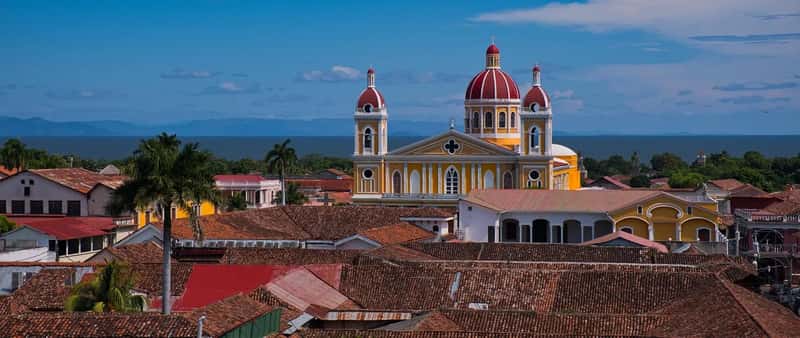
Real estate is where the contrast becomes most visible to newcomers touring both countries. Because Nicaragua is just emerging as a retirement destination, real estate and rental prices are some of the lowest in the region. A home with an ocean view that would be unreachable on a fixed budget elsewhere becomes plausible along Nicaragua’s Pacific coast.
This isn’t just marketing talk from real estate agents either. Long-term residents describe it plainly: retirees in coastal towns often have gorgeous ocean view homes that they never could have afforded in the U.S. or Canada. The lower entry price for land and construction is one of the single biggest reasons the country keeps showing up on retirement shortlists.
Healthcare that costs a fraction of home country prices

Healthcare is usually the deciding factor for anyone weighing a move abroad, and Nicaragua’s numbers are strikingly low. Private doctor visits run 20 to 50 dollars and expat insurance starts around 60 dollars a month. For routine care, that is a fraction of what the same visit would cost in the United States.
There are limits worth being honest about. For emergencies or complex cases, some expats with means choose medical evacuation to Costa Rica, Mexico, or their home country, which is why higher-end insurance plans with evacuation coverage are popular among foreign retirees based in Nicaragua. Costa Rica’s healthcare system, by contrast, still ranks among the best-regarded in Latin America, and that quality does come with a price attached.
A tax setup built for people living on outside income

Nicaragua’s tax rules are a quiet selling point that doesn’t get discussed as much as beaches or visas, but it matters for anyone living off a pension or investment income. Nicaragua uses a territorial tax system, meaning income earned outside the country is not taxed locally, an advantage for retirees with foreign pensions and remote workers. For a retiree drawing a U.S. Social Security check or a company pension, that structure means the check arrives with nothing carved out locally.
Costa Rica has its own retiree-friendly features, including a low minimum income requirement for its Pensionado visa program. Still, the day-to-day cost of goods, services, and property in Costa Rica sits noticeably higher across nearly every category, which is precisely the gap that keeps pushing budget-conscious retirees toward the border.
San Juan del Sur has become the unofficial capital of the shift
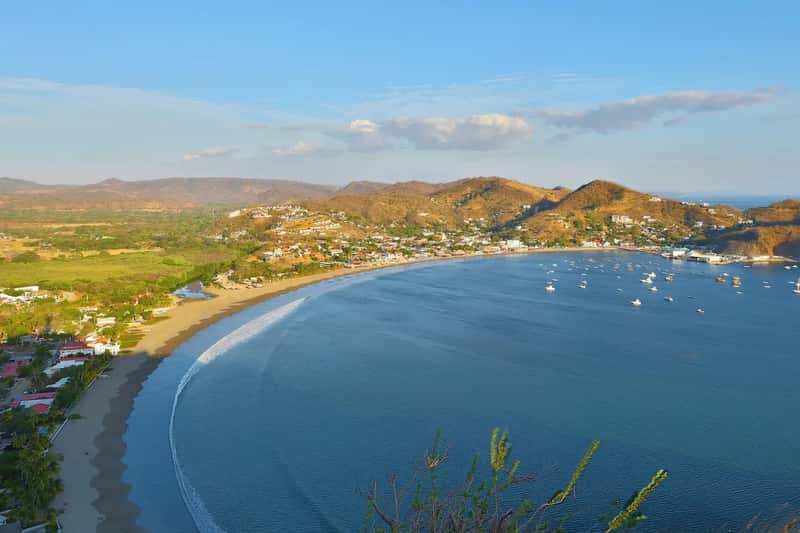
If there is one town that captures this migration, it is San Juan del Sur on Nicaragua’s Pacific coast. Its lively atmosphere and beautiful scenery make it an ideal destination for retirees, with a low cost of living, healthcare facilities, and a welcoming community. Once known mostly as a surf town, it has steadily built out the infrastructure that retirees actually need day to day.
The town has changed quickly. The fact that San Juan del Sur now has fiber optic internet is a game changer, since as recently as 2020 the internet was a little slow and now remote work is a non issue. Retirees who once worried about connectivity or English-speaking services now find San Juan del Sur to be the most English-friendly town in the country, with restaurants, real estate, and surf shops operable in English alone.
Safety is the honest caveat in this story

No comparison between these two countries is complete without addressing safety directly, because the two nations are not treated equally by outside observers. U.S. authorities currently advise exercising increased caution in Panama and Costa Rica, while recommending travelers reconsider plans for Guatemala and Nicaragua. That advisory gap is real, and it is one reason some retirees still hesitate before making the move north.
On the ground, longtime residents in specific expat towns tend to describe daily life as calmer than the broader advisory suggests. In San Juan del Sur specifically, bodily harm is pretty much unheard of unless someone chooses to delve into unsafe activities, and retirees there claim they live a higher quality life than they had in their home country. That said, national-level travel advisories reflect broader political and security conditions that any prospective retiree should research thoroughly and take seriously, rather than relying solely on one town’s reputation.
The expat community has grown, but it is still small

Despite the attention Nicaragua has been getting in retirement blogs and cost-of-living guides, the actual retiree population remains modest. Only about 5 to 10 percent of expats are senior citizens who retired in San Juan del Sur, out of roughly 1,000 to 1,200 total expats living there. That is a far smaller, tighter-knit community than the sprawling expat networks found in parts of Costa Rica or Panama.
The mix has also shifted over time. Back in 2020, most expats in San Juan del Sur were either surfers or retired people, but now the crowd is much more diverse, with a lot of remote workers and families, especially Canadians, having moved down. For retirees weighing whether to relocate, that smaller scale can be an advantage or a drawback depending on how much built-in community they expect to find on arrival.
Why the comparison keeps resurfacing now

Interest in Nicaragua as a retirement option is not new, but it has picked up noticeably as Costa Rica’s costs have climbed. Research points to a rising trend of retirees relocating to Nicaragua over the past few years thanks to an affordable and fun lifestyle. Rising rents and property prices in Costa Rica’s most popular expat zones, like Guanacaste and the Central Valley, have simply made the price difference harder to ignore.
None of this means Costa Rica is losing its appeal entirely. It still draws retirees for its stability, environmental record, and healthcare reputation. What has changed is that more retirees are now doing the math before committing, and for a subset of them, that math points firmly toward the cheaper option next door.
Final thoughts
Nicaragua’s rise as a retirement destination isn’t about one dramatic selling point. It is a stack of smaller advantages, cheaper housing, lower healthcare costs, a friendlier tax setup, that together add up to real monthly savings compared to Costa Rica.
The safety advisory difference between the two countries is not something to wave away, and anyone seriously considering the move should weigh it carefully against their own risk tolerance and do current, direct research before relocating. Still, for retirees willing to look past the tourism brochures, Nicaragua has quietly become the practical answer to a question more people are asking every year: how far can a fixed income actually go.