Something has shifted in the way people think about relocating abroad. For years, Europe and Southeast Asia dominated the expat conversation, while South America sat quietly in the background as an afterthought for adventurous backpackers. That has changed. A growing wave of remote workers, retirees, and entrepreneurs are now looking south, drawn by a rare combination of affordability, lifestyle quality, and residency programs that are easier to navigate than almost anywhere else in the world.
The reasons vary from person to person, but the pattern is consistent. People want lower costs without sacrificing modern healthcare, safer streets without giving up culture and nightlife, and simpler visa paths without years of bureaucratic limbo. South America, it turns out, checks a surprising number of these boxes at once. Here is a closer look at what is fueling this migration and which countries are benefiting the most.
Uruguay Offers the Stability Many Expats Crave

Uruguay has built a reputation as the quiet overachiever of the region. Often described as understated yet highly liveable, it consistently ranks among the safest and most politically stable countries in the region. That kind of predictability matters enormously to people uprooting their lives, especially retirees who want to know their savings and safety will not be undone by sudden political upheaval.
Montevideo captures this appeal well. The capital blends coastal living with city convenience, offering walkable neighbourhoods, a growing food scene and a relaxed atmosphere. Beyond the capital, Uruguay is the only country in South America consistently ranked in the top tier of Latin America for democracy, press freedom, and rule of law, with Montevideo and the beach town of Punta del Este drawing expatriates with strong healthcare and modern infrastructure. It is not the cheapest country on the continent, but for many, that peace of mind is worth the extra cost.
Colombia’s Digital Nomad Visa Is Reshaping Remote Work Abroad
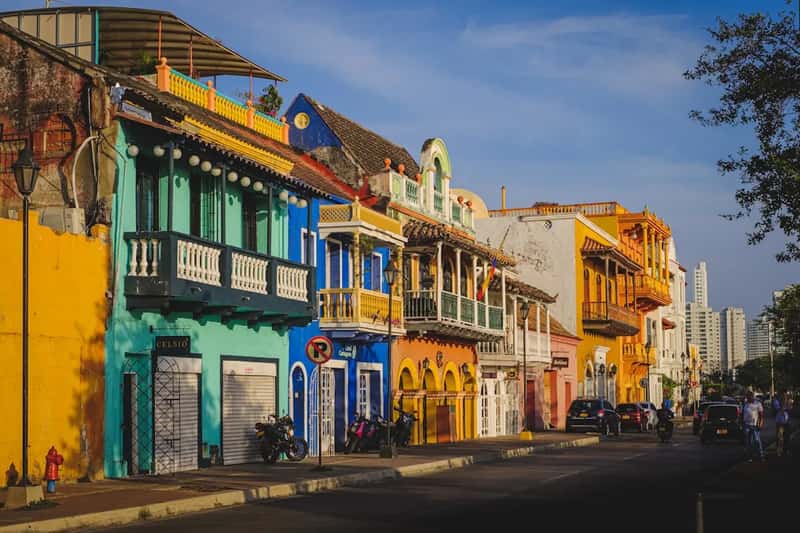
Colombia has quietly become one of the easiest countries in South America for remote professionals to set up shop legally. The country offers a special digital nomad visa, officially the Visa V – Nómadas Digitales under Resolución 5477 de 2022, for foreign professionals, remote workers, and freelancers who want to work remotely in the country without seeking local employment. Unlike a traditional work permit, this visa targets individuals who earn their income from foreign sources, allowing them to continue working for clients or employers abroad while enjoying everything Colombia has to offer.
The financial bar to qualify is refreshingly low compared to similar programs elsewhere. For 2026, applicants need an income of only 5,252,715 pesos, which is only about $1,400 USD at current exchange rates, to qualify for the visa. Medellín has become something of a poster child for this trend. The city is one of the top 10 cities in the world that digital nomads like the most, thanks to improving infrastructure, reliable internet, and growing co-working spaces. That said, the process has tightened recently, and in 2025 Colombia’s digital nomad visa program had a 58% approval rate, meaning nearly 42% of 2,918 applications were rejected, partly because of stricter background checks.
Ecuador’s Cuenca Remains a Retirement Magnet
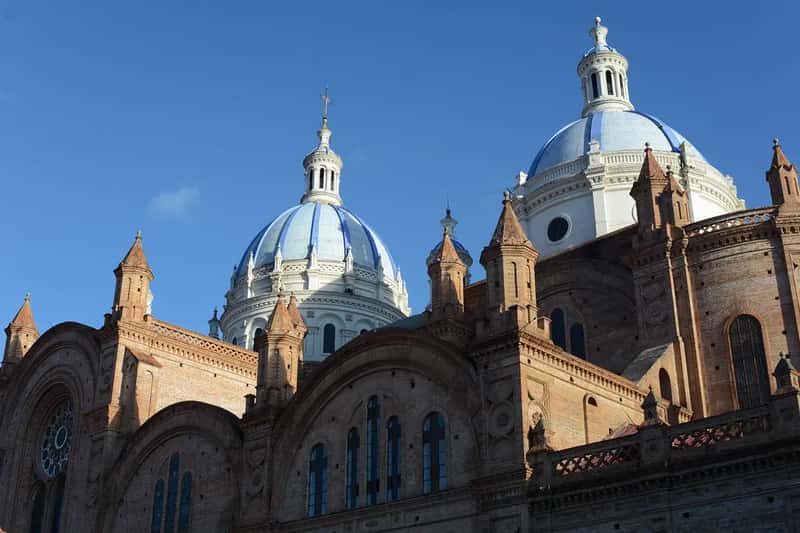
Few cities in South America have earned the “expat haven” label as thoroughly as Cuenca. Colonial charm and mountain views make Cuenca a top choice for expats in Ecuador, with a UNESCO-designated historic center, colonial architecture, and thriving arts scene that draws people who want urban conveniences with walkability and charm. The community here is not small either. Cuenca has one of the largest English-speaking expat communities in Latin America, with thousands of American and Canadian retirees calling it home.
The financial appeal is just as strong as the lifestyle. A retired couple can live comfortably on $1,600 to $2,000 per month including rent, with furnished two-bedroom apartments available from $600 a month. The residency path is also unusually accessible. Ecuador’s Jubilado visa is one of the easiest retirement visas in the world to obtain, and for 2026 applicants need to demonstrate a guaranteed lifetime pension income of at least $1,446 per month, equal to three times Ecuador’s basic unified wage. On top of that, Ecuadorian citizenship is available after just three years of legal residency, one of the fastest paths in the Americas.
Argentina Delivers Culture at a Discount

Argentina’s appeal has always rested on its sheer variety of experience. The country offers a striking mix, from the cultural sophistication of Buenos Aires to the vineyards and mountains of Mendoza, the tranquil lakes around Bariloche, and the windswept beauty of Patagonia. What has changed more recently is the price tag attached to all of that variety, which has made the country newly attractive to budget-conscious expats even as some costs have crept up compared to a few years ago.
Despite recent economic volatility, the numbers still favor newcomers with foreign income. According to Numbeo’s 2026 Cost of Living Index, Argentina is about 66% cheaper than the United States and nearly 48% less expensive than Spain. Even so, longtime observers caution that the easy-money era is fading somewhat, noting that Argentina is no longer the cheap hack it was. The lifestyle payoff, though, from tango halls to Andean ski resorts, remains hard to match anywhere else on the continent.
Chile Appeals to Those Who Want Long-Term Security
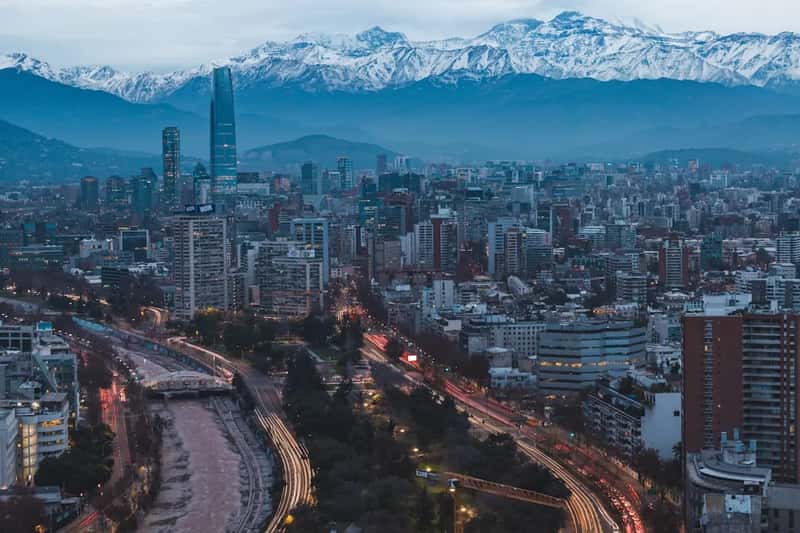
Chile occupies a different niche in the expat conversation, one built around stability and international mobility rather than rock-bottom prices. The country is best known for passport strength, with 174 visa-free destinations, OECD membership, and a stable mature economy. For people planning a decade-long relocation rather than a temporary experiment, that kind of institutional durability carries real weight.
The path to permanent status is well defined, if not instant. Naturalization is the most common route, requiring applicants to be at least 18, hold a valid permanent residence permit, and have lived in Chile for at least 5 years, though in some cases naturalization is available after just 2 years of permanent residency if the applicant has close family ties with a Chilean citizen. Chile also does not force anyone to choose between passports, since the country permits dual citizenship, so applicants need not renounce their original nationality. That flexibility, paired with OECD-grade institutions, makes Chile a favorite among expats who prioritize security over saving every last dollar.
The Region’s Affordability Gap Is Wider Than Most People Expect

One of the biggest surprises for newcomers is just how much price varies from one South American country to the next. Colombia’s cost-of-living index sits at roughly 34.4, well below Uruguay’s 57.2 and Argentina’s 43.5. That spread means a budget that feels tight in Montevideo can stretch remarkably far in Bogotá or Medellín.
Retirement budgets across the region tend to confirm this pattern. A couple can retire comfortably on roughly $1,800 to $3,000 a month depending on the country and city, with Colombia and Ecuador cheapest and Uruguay the priciest. For many expats, this is exactly the calculation that matters most, since a modest pension or remote salary that barely covers rent back home can suddenly fund a genuinely comfortable life once it is converted into pesos, guaraníes, or Ecuadorian dollars.
Healthcare Quality Keeps Improving Across Major Cities

Healthcare used to be the sticking point that kept cautious retirees away from Latin America altogether. That concern has eased considerably in the region’s larger cities. Major cities in these countries now have internationally trained doctors and modern private hospitals, though rural areas can mean a long drive for specialist care, which is why retirees with health needs usually base themselves near a large hospital.
Ecuador illustrates this shift particularly well. The country’s strong showing on retirement rankings is due to the growth of modern hospitals in cities like Quito and Cuenca, where many foreign retirees settle. Insurance experts still stress that this improved access should not replace proper planning, since obtaining global health insurance before departure is crucial, as it remains the safest and most reliable option for long-term global medical care. The takeaway is straightforward: healthcare quality is no longer the deal-breaker it once was, provided expats settle in or near the right cities.
Residency Rules Are Becoming More Expat-Friendly, Not Less

Contrary to what some might expect, several South American governments have made their residency systems more approachable rather than more restrictive. Paraguay, for instance, has one of the more forgiving paths on the continent. Applicants can secure permanent residency by showing a small bank balance of around $5,000 and submitting basic documents such as a clean criminal record and proof of income, with bureaucracy lighter than in most other countries in the region and no strict language or cultural integration requirements.
Uruguay follows a similar logic of practicality over red tape. Buying a home in Uruguay allows retirees to automatically become eligible for a temporary residency visa, which functions as a straightforward route toward a long-term relocation option. Meanwhile, the region’s broader integration agreements add another layer of appeal, since nearly all countries in the region recognize dual citizenship and, thanks to Mercosur agreements, new residents gain freedom to live and work across multiple South American nations, meaning retirement can become the foundation for a second passport and regional mobility.
Community and Belonging Matter as Much as the Numbers

Spreadsheets and visa checklists only tell part of the story. What keeps people in South America long term is usually the sense of belonging that develops once they arrive. Cities like Medellín, Buenos Aires, Montevideo, and Asunción now host thriving expat communities, and according to InterNations’ Expat Insider survey, Colombia ranked among the top 15 countries globally for expat ease of settling in.
This social infrastructure does not happen by accident. Expat groups frequently organize cultural exchanges, language meetups, and social clubs, helping retirees avoid isolation and quickly build friendships. Add to that a calendar packed with festivals, food, and outdoor life, and it becomes clear why so many people who came for a year end up staying for a decade. The numbers get people interested, but it is the community and rhythm of daily life that ultimately convinces them to stay.