Serbia is quietly becoming one of Europe’s best-kept secrets for weekend getaways, despite being in plain sight for decades. While tourists flock to Prague, Budapest, or Vienna for their Eastern European fix, this Balkan nation offers everything those destinations do at roughly half the cost. Serbia has more than doubled its tourist arrivals from 2.2 million in 2013 to 4.2 million in 2023, with foreign tourist arrivals reportedly increasing significantly in recent years. Yet it still feels refreshingly untouched by mass tourism.
There’s something magnetic about a place that hasn’t been overrun by influencers and travel bloggers just yet. You can still discover Belgrade’s floating nightclubs, explore ancient fortresses without fighting for selfie spots, and enjoy authentic Serbian hospitality that hasn’t been sanitized for tourist consumption. Belgrade remains relatively unexplored compared to other capital cities on the continent, staying untouched by mass tourism even in 2025.
The Budget-Friendly Capital That Puts Western Europe to Shame
Serbia is a very affordable destination, ranking in the top 10% of countries in the world for affordability, and within Europe, it’s remarkably cheap compared to other countries. We’re talking about a place where your money stretches further than almost anywhere else on the continent. Budget travelers spend around $20 per day, mid-range travelers spend $50 per day, and luxury travelers spend around $123 per day.
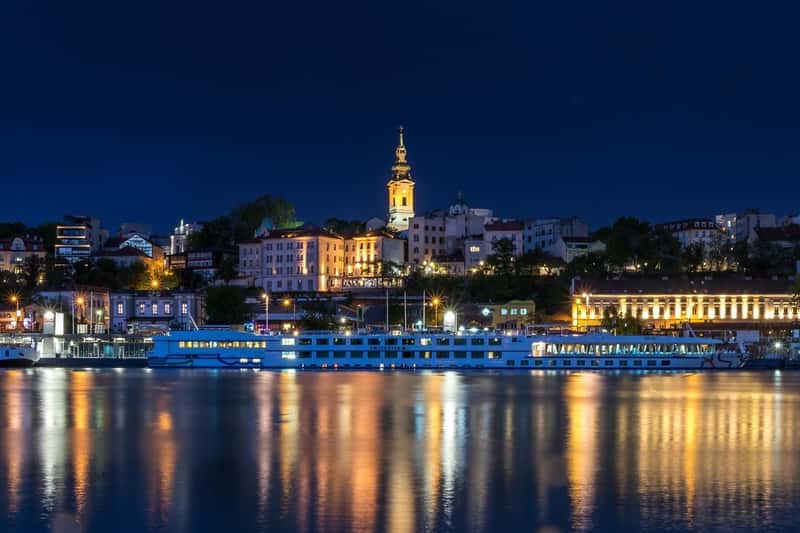
Belgrade sits as the perfect example of this affordability revolution. Belgrade is one of the cheapest cities in Europe, where an average meal costs around 7 euros and a beer is closer to 2 euros. Compare this to Prague, where you’ll easily drop 15 euros on a mediocre meal, or Paris, i s where even a coffee costs more than a full Serbian breakfast.
The accommodation scene tells the same story. The average price for two people in a typical double-occupancy hotel room is $53, while one person sharing a room pays $27 per night. Hostels are fairly priced at around 18 euros a night, making Belgrade accessible for every type of traveler, from backpackers to business executives.
Belgrade’s Jaw-Dropping Tourism Growth Is No Accident
The numbers don’t lie about Serbia’s rapid emergence as a travel hotspot. Serbia’s tourism growth trajectory suggests continued strong performance, with officials projecting significant year-on-year increases based on recent trends. This isn’t just a seasonal blip either.
Serbia saw a remarkable 11.6% increase in foreign tourist arrivals in August 2024, with a total of 282,070 visitors. The momentum has been building steadily, driven partly by word-of-mouth from savvy travelers who’ve discovered what locals have known all along. Belgrade’s Nikola Tesla Airport has seen substantial passenger growth in recent years, which is 36% more than in 2019, showing just how much international interest has grown.
What’s particularly striking is the diversity of visitors. North Macedonia led the list of foreign tourist origins with 15,002 visitors, followed closely by Russia with 13,753, Bosnia & Herzegovina with 11,669, Montenegro with 11,537, and Turkey with 10,652. This mix suggests Serbia appeals to a wide range of cultures and travel preferences.
Historic Attractions That Rival Europe’s Greatest Hits
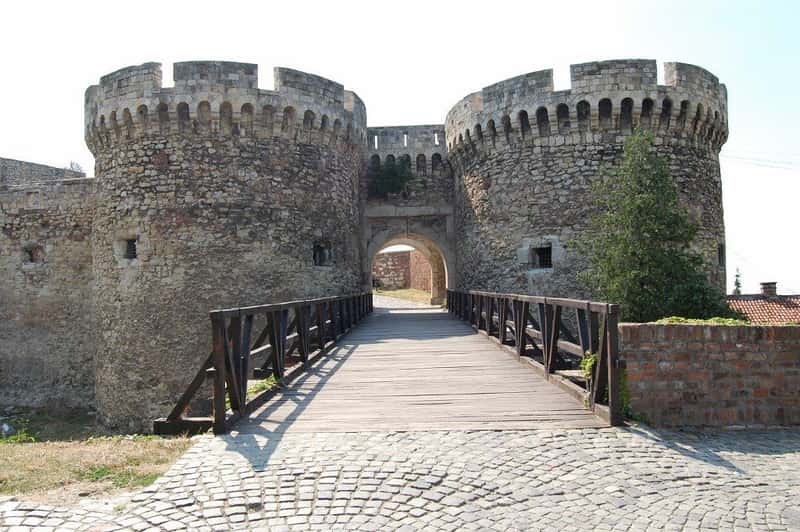
Belgrade Fortress, located at the confluence of the Sava and Danube rivers and with origins dating to ancient times, boasts lush pathways, museums, unbeatable sunset viewpoints, and playgrounds, making it the singular best place to visit in Belgrade for travelers seeking an enriching but unhurried day. This isn’t just another old castle; it’s a living piece of European history that you can explore for free.
The fortress complex tells the story of a city that has seen everything. The Kalemegdan fortress has a very long and interesting history, first built by the Romans after conquering the land from the Celts, then damaged, rebuilt, and strengthened by barbarian tribes, the Byzantines, the Ottomans, and the Habsburgs. Walking through these grounds feels like flipping through a textbook on European civilization, except you’re actually standing where it all happened.
The Church of Saint Sava is the largest in the Balkans and ranks among the biggest Orthodox churches in the world, with its sheer size and grandeur making it one of the most significant tourist attractions in Belgrade. The recently completed interior makes it a must-see destination that rivals St. Peter’s Basilica or Notre-Dame for architectural magnificence.
Skadarlija: Europe’s Answer to Montmartre Without the Tourist Traps
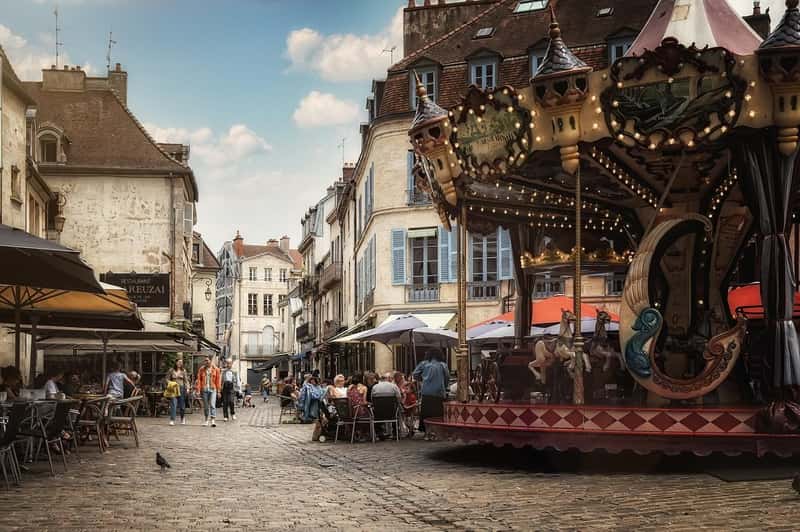
Skadarlija is a small neighborhood in Belgrade Old Town that has been a popular hotspot for artists and intellectuals for the last century, becoming a major tourist attraction sometimes referred to as Serbian Montmartre. The comparison to Paris’s famous artist quarter isn’t hyperbole; it’s an authentic bohemian experience without the inflated prices.
Skadarlija is only about 400 meters long, but one of the most famous streets in Belgrade, with cobbled stones along its sloping length, closed to traffic with both sides lined with cafes, bars, and restaurants. Unlike Montmartre, w, where you’ll pay premium prices for mediocre food, Skadarlija offers exceptional Serbian cuisine at prices that won’t break your budget.
The Floating Nightclub Scene That Puts Ibiza to Shame
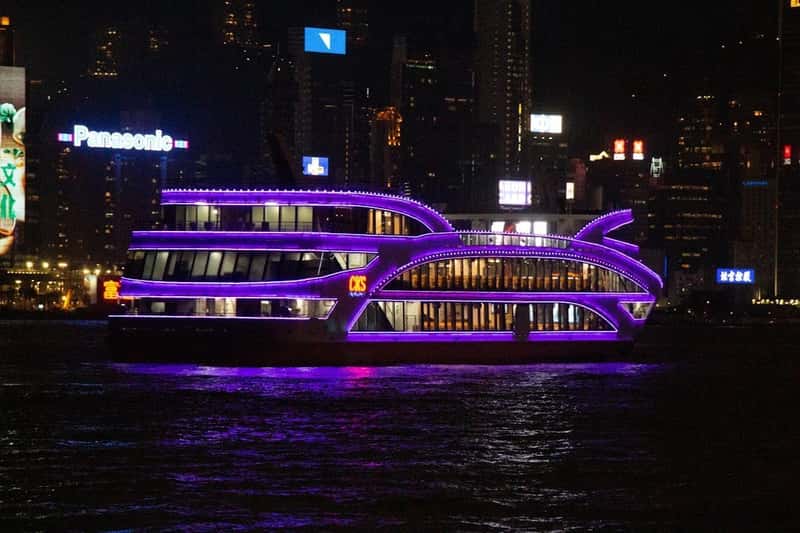
Located on both the Sava and Danube rivers, splavovi offer diverse options, with the best for nightlife on the New Belgrade side of the Sava River, where these floating nightclubs and discos create an energetic and unforgettable atmosphere. This isn’t just a gimmick; it’s a uniquely Serbian way of partying that you literally cannot experience anywhere else in Europe.
The floating club scene represents something deeper about Serbian culture. Not all splavovi are about parties, as many operate as floating cafés and restaurants offering a more relaxed and scenic experience throughout the year, with some of the finest raft restaurants located on the Danube near Hotel Yugoslavia. Whether you want to dance until dawn or enjoy a quiet dinner with river views, the splavovi deliver experiences you won’t find in London, Berlin, or Amsterdam.
The best part? Your coffee averages $1, a beer around $2, wine $3, and a nice three-course dinner should cost around $15, meaning you can enjoy a full day of hedonism for about $30. Try finding that value proposition in any other European capital.
Culinary Adventures That Won’t Empty Your Wallet

Serbia offers affordable and delicious cuisine, with many traditional dishes available at low prices, and local markets offering fresh, seasonal produce that you can enjoy on a shoestring budget. This isn’t street food we’re talking about; it’s hearty, satisfying meals that reflect centuries of culinary tradition.
You can grab iconic Serbian pastries like burek and kiflice for less than $2 at local bakeries, while visiting kafanas offers hearty meals like ćevapi and sarma for a fraction of what you’d spend in Western Europe. The portion sizes are generous, too, reflecting a culture that values hospitality and abundance over artificial scarcity.
A meal in a cheap restaurant costs around $8.40, while alcoholic beverages cost around $2.80, with a bottle of water costing around $0.59. These aren’t tourist prices either; this is what locals pay, which means you’re experiencing authentic Serbian life rather than a sanitized tourist version.
Natural Escapes Just Minutes from the City Center
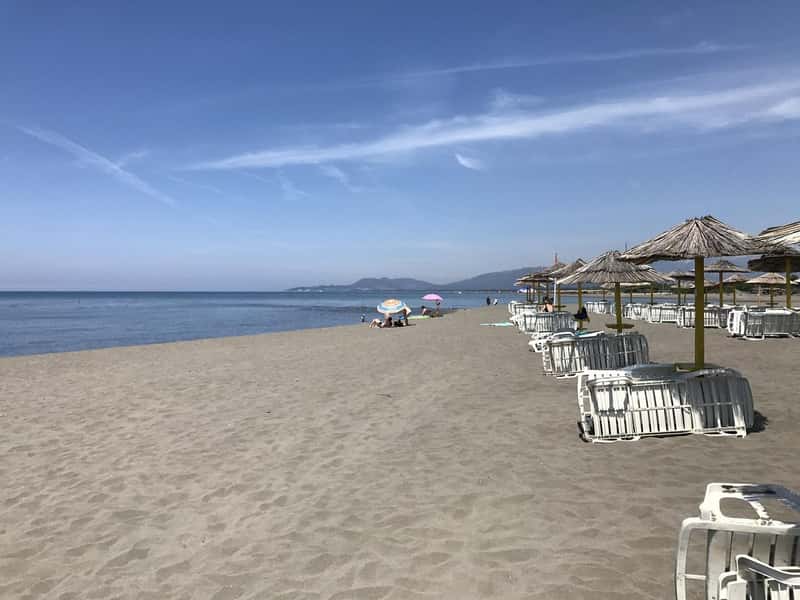
Ada Ciganlija, often referred to as Belgrade’s sea, is a true urban paradise located in the heart of the Serbian capital. This isn’t just a marketing slogan; it’s a genuine beach destination within a landlocked city that offers water sports, restaurants, and relaxation without the Mediterranean price tags.
Avala Tower, the tallest tower in the Balkans and one of the finest examples of Brutalist architecture, stands on the namesake mountain, offering breathtaking views even from ground level, let alone from the observation deck. The ticket to the top costs only 300 RSD, which is roughly $3, making it one of Europe’s most affordable scenic viewpoints.
The proximity of nature to urban life sets Serbia apart from other European destinations. Topcider Park offers a great choice for picnics with big green areas far from the city center hustle, where you’ll see one of the oldest plane trees in Europe and the Residence of Prince Milos. You don’t need expensive day trips or complicated logistics to escape city life.
Why the Numbers Don’t Tell the Whole Story

Belgrade is a truly wonderful city and one of Europe’s favorites, yet it remains so underrated and relatively unexplored compared to other capital cities, remaining relatively untouched by mass tourism. The statistical growth is impressive, but the real magic happens in the spaces between the numbers.
The greatest charm of Belgrade comes not from the tourist sites but from joining in the living, as the very thing that makes this city rough around the edges is what also makes it dynamic and void of sterility. This authenticity is becoming increasingly rare in European capitals, where gentrification and tourist saturation have sanitized much of the local character.
Belgrade offers an interesting city experience without the hordes of tourists found in most European capitals, featuring an amazing number of bars and restaurants that are very cheap by UK standards. This combination of accessibility, affordability, and authenticity creates a perfect storm for weekend travelers seeking something genuinely different.
Serbia represents what Prague was twenty years ago, what Berlin was fifteen years ago, and what Lisbon was a decade ago before they became mainstream. The question isn’t whether Serbia will eventually join the ranks of Europe’s tourist magnets, but whether you’ll experience it before everyone else catches on.