You finally sit down to book that walking tour, that bucket-list excursion, that one experience your whole trip was built around – and it’s already gone. Sold out. Not because you procrastinated, but because you were never really competing against other travelers at all.
Most people assume a sold-out tour just got lucky with marketing. That assumption is wrong almost every time. The real mechanics are driven by hard data – supply caps, generational spending shifts, and government rules most tourists never see coming.
The global experiences market hit $253 billion in 2024, growing at nearly three times the pace of travel overall. That number is just the surface. What’s underneath it – the permits, the psychology, the viral moments – is where the real answer lives, and it starts with just how big this boom actually got.
1. The Experiences Boom Is Real – and It’s Accelerating Fast
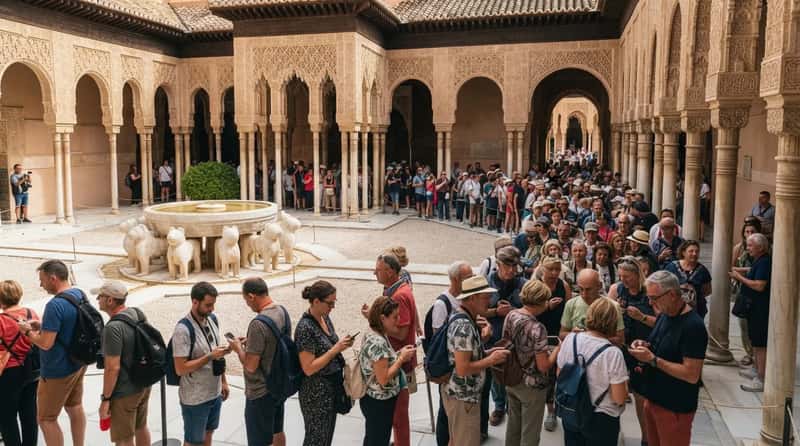
The starting point for understanding any tour sellout is the sheer scale of demand that now exists for travel experiences.
The global tours, activities, and attractions market reached $253 billion in 2024 – a full recovery to pre-pandemic levels, with growth to $342 billion projected by 2029.
Experience bookings grew 17% in 2024 compared with just 6% for travel overall. That gap signals a fundamental shift in where travelers are putting their money.
Growth is expected to settle into steadier annual rates of around 6% through 2029, but the sector will likely keep outpacing most other travel categories long after the post-pandemic catch-up ends.
Fast Facts
- Global experiences market: $253 billion in 2024
- Projected to reach $342 billion by 2029
- Experience bookings grew 17% in 2024, versus 6% for travel overall
- Steady growth of roughly 6% a year expected through 2029
That gap between demand and supply isn’t theoretical – it shows up directly in booking windows. When more people chase the same finite number of tour slots, early sellouts stop being a surprise and start being a mathematical certainty.
What’s changing now is who is driving that demand – and that shift explains why some tours vanish faster than others.
2. Why Younger Travelers Book Months Before They Pack
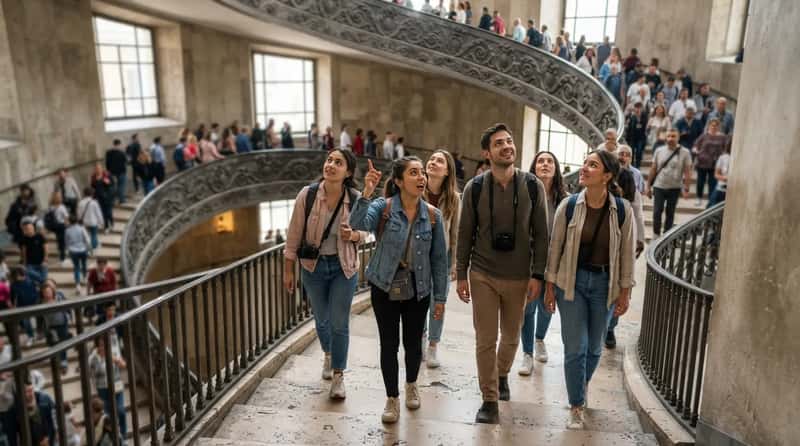
Most conversations about sellouts focus on operators. The real story is on the demand side, and it comes down to how younger travelers prioritize their spending.
A generational shift means younger travelers increasingly prioritize experiences over things – and they plan further ahead than previous generations ever did.
According to the 2025 Travel Trends Report, 64% of Gen Z and 57% of Millennial travelers booked activities like museums or excursions well before their trip even started.
This isn’t a passing trend. These are generations that grew up transacting digitally, and they’re comfortable committing money months in advance for something they genuinely care about.
Travelers 55 and older tend to book more than four months out, and advance planners across all ages spend 47% more on accommodation and 81% more on travel overall than last-minute bookers.
Social media now shapes destination choices for 75% of leisure travelers – and platforms like TikTok and Instagram are uniquely good at turning a niche tour into an overnight must-do.
But raw demand alone doesn’t explain why some tours disappear faster than others. The next factor cuts supply in ways most travelers genuinely never see coming.
3. Hard Capacity Limits That No Amount of Money Can Expand
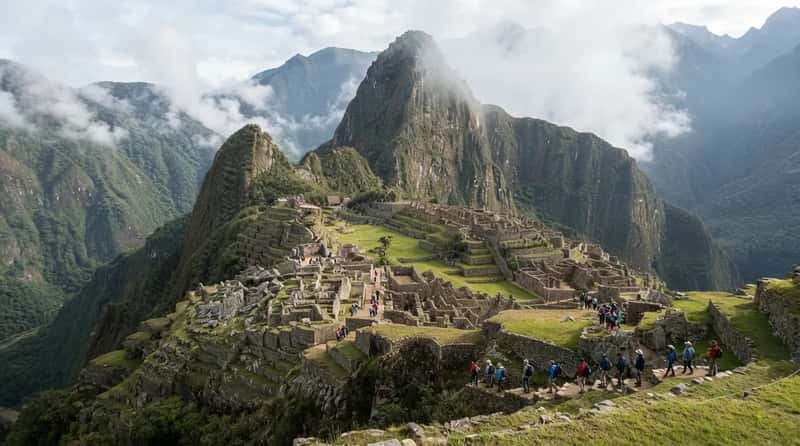
This is the most underappreciated reason certain tours vanish months before departure: the supply is physically, permanently fixed.
The experiences most likely to sell out are the ones where supply is limited by people, equipment, weather, or permits – categories where no amount of extra demand can conjure extra slots.
Peru runs one of the most tightly controlled access systems on earth. At Machu Picchu, daily capacity limits, mandatory reservations, and designated visitor circuits govern every step of the visit, right down to a timed entry window and a prescribed walking route.
Japan now caps Mount Fuji climbers at 4,000 per day, which turns any guided climbing tour on a popular date into a near-guaranteed sellout well before the season even opens.
Pompeii introduced a 20,000-visitor daily cap in 2025, and the Trevi Fountain in Rome now runs a reservation system limiting access to 400 visitors at a time.
Quick Compare
| Site | Access Limit |
|---|---|
| Machu Picchu | Timed entry, fixed route |
| Mount Fuji | 4,000 climbers per day |
| Pompeii | 20,000 visitors per day |
| Trevi Fountain | 400 visitors at a time |
When governments hard-cap access, operators are forced to ration a fixed pool of permits across an entire season of departures. There is no mechanism to add more spots – once the permits are gone, the tour is full.
And that squeeze is only getting tighter, because governments aren’t done tightening the rules.
4. Government Crackdowns Are Quietly Shrinking Supply
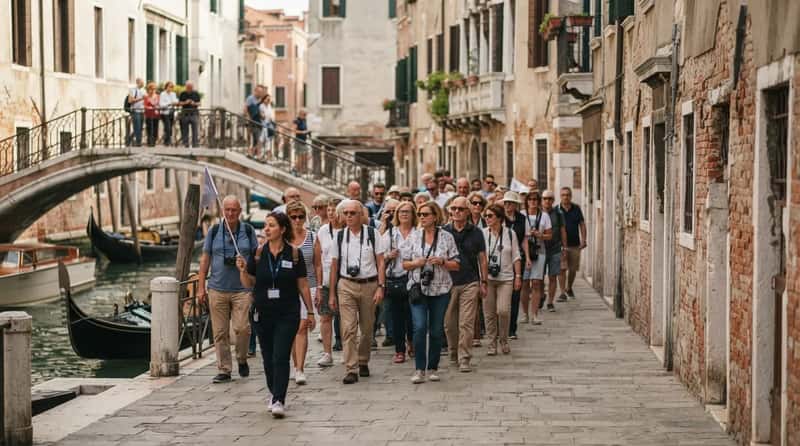
Overtourism policies are multiplying worldwide, and they have a direct, measurable effect on how many tour slots exist in any given year.
Governments and tourism boards are rolling out entry fees, visitor caps, and cruise restrictions – with Venice, Mount Fuji, and Greece all introducing new rules to manage crowds and protect fragile sites.
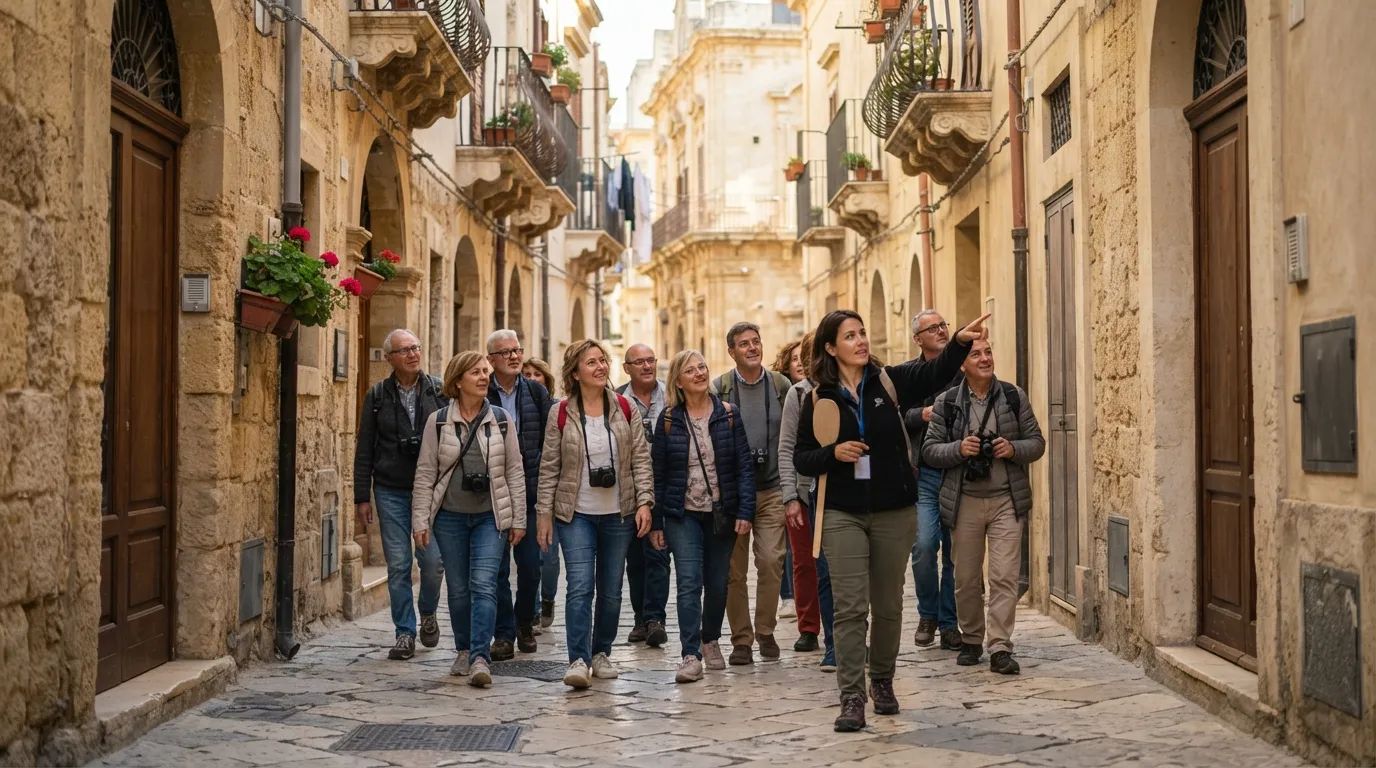
Venice now caps guided tour groups in its historic center and islands at 25 people – a rule that directly shrinks how many travelers a single operator can move through the city per departure.
Venice also became the first city in the world to charge a €5 day-visitor entry fee, a response to inbound arrivals hitting 4.9 million in 2023 against a resident population of just 49,000.
Bali introduced a tourist levy for all international visitors in February 2024 and is now developing carrying-capacity guidelines for its most ecologically sensitive temple and beach zones – shifting from simply taxing arrivals to actively capping them.
More restrictions mean fewer available spots per departure, which means the same demand fills those spots faster – sometimes within hours of a booking window opening.
Permits are only one part of the supply problem, though. The economics operators face make the squeeze even tighter.
5. Small Group Caps: The Premium Strategy That Guarantees Sellouts
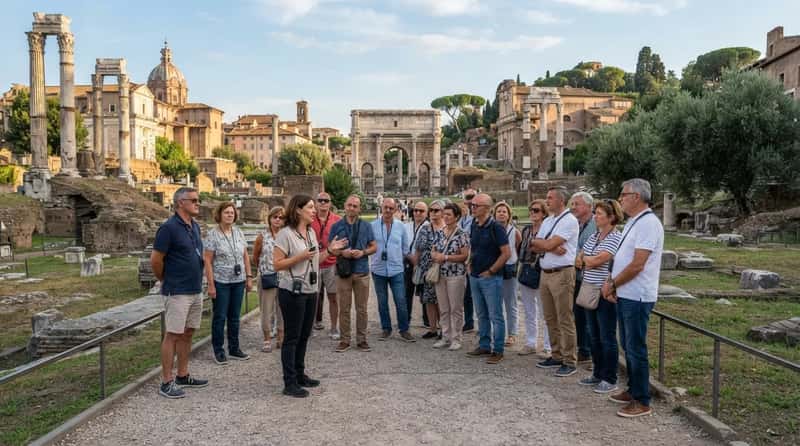
Not every sellout comes from government regulation. A growing category of tours deliberately keeps groups small as a product feature – and that choice alone makes sellouts almost inevitable.
Insight Vacations, one of the world’s major tour operators, caps its Small Group tours at 20 guests and reported a full “sellout year” in 2024.
Travelers can pick from 100 worldwide itineraries averaging 20 guests and never exceeding 24 – and the operator says 2025 demand has stayed just as strong as that record 2024 run.
In a market with fixed capacity, revenue growth comes less from selling more seats and more from selling the ones you have smarter – through dynamic pricing tied to demand patterns, lead times, and seasonality.
A 2024 report from the Adventure Travel Trade Association found operators using flexible pricing increased per-traveler revenue by an average of 18%.
The math is simple: a tour capped at 20 people with strong repeat demand sells out far faster than a bus tour with 50 open seats. Small group caps aren’t an accident – they’re a deliberate strategy that turns moderate demand into a genuine sellout.
But even operators without strict group-size rules run into a supply problem most travelers never think about – the lead time built into the on-sale window itself.
6. The On-Sale Window Nobody Tells You About
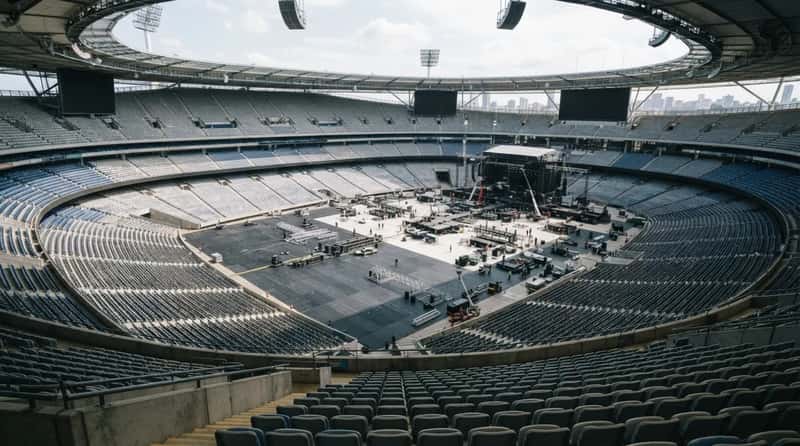
The gap between when tickets go on sale and when a tour actually departs is far longer than most travelers assume – and that gap is engineered into the business model on purpose.
Stadium-scale tours often go on sale 12 to 18 months ahead of the first show, because earlier on-sales improve cash flow, expand marketing windows, and sharpen demand forecasting.
Travelers who book 9 to 12 months out can lock in early-bird pricing 10% to 30% cheaper than what’s charged in the final weeks before departure – an incentive that pulls in committed buyers long before casual travelers even start researching.
Worth Knowing
- Stadium-scale tours often go on sale 12-18 months before the first show
- Booking 9-12 months out can save 10%-30% versus final-weeks pricing
- Early sales create a “sold out” signal that fuels urgency in later shoppers
Combine early-bird pricing with a small capacity, and the calculus is straightforward: enthusiastic, price-sensitive buyers grab the discounted spots first, then FOMO and social proof carry the rest of the bookings as the departure date closes in.
Travelers who really want a particular experience are far more likely to plan and book it well ahead of everyone else.
The result is a self-reinforcing loop – operators who open sales early attract the most committed buyers first, and that early momentum creates a “sold out” signal that triggers urgency in the next wave of shoppers.
That urgency has a name in consumer psychology, and it’s the next force driving sellouts.
7. The Psychology of Scarcity and Social Proof
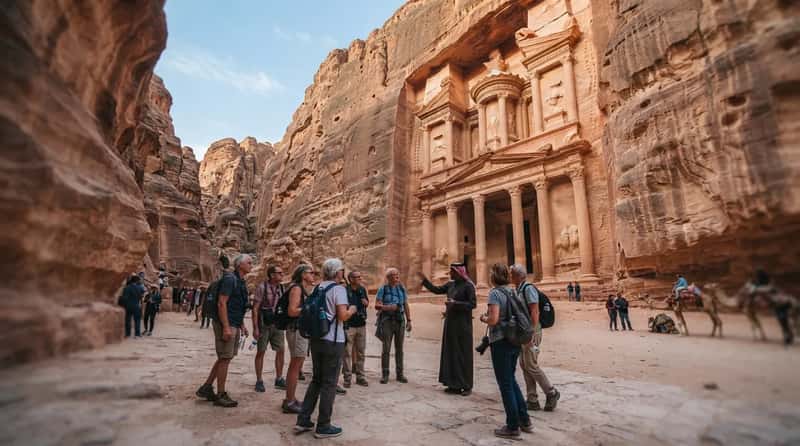
Humans are hardwired to assign higher value to things that appear scarce – and tour operators, intentionally or not, benefit enormously from that wiring.
A big reason travelers book in advance is simple assurance: they want to know the experience will actually be there when they arrive, and as overtourism spreads, that anxiety keeps growing.
When a booking platform shows “only 3 spots remaining,” the perceived value of that tour spikes instantly – even for travelers who were only mildly interested a moment earlier.
This isn’t manipulation so much as a straightforward reflection of real scarcity, and it accelerates buying decisions dramatically.
Tour platforms also rank listings by bookings, reviews, and click-through rates – so a tour that sells early climbs the rankings, gets more visibility, and fills its remaining spots even faster.
The “bestseller” badge is both a result of genuine demand and a direct cause of accelerating it further.
The psychological pressure is real, but so is the underlying scarcity. For some of the world’s most specific experiences, that scarcity isn’t manufactured at all – it’s absolute.
8. Permit-Based and Seasonal Tours: The Hardest Sellouts of All
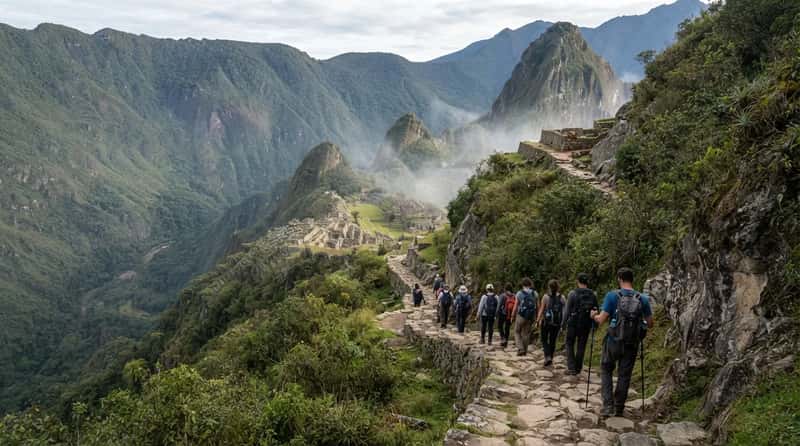
Some tours don’t sell out because demand is high. They sell out because a government-issued permit stands between the operator and the experience – and those permits are finite, non-renewable within a season, and allocated months before anyone departs.
Adventure operators running Inca Trail packages build their entire business model around optimizing pricing and flexibility within that fixed, unbending constraint.
The bioluminescent bay in San Juan, Puerto Rico can sell out months ahead during peak season – not because the operator is withholding supply, but because the natural phenomenon only exists within a narrow window every traveler wants to hit at once.
Seasonal alignment is a brutal sellout mechanism. Cherry blossoms in Kyoto, the Northern Lights in Iceland, whale shark season in the Maldives – when the window is four to eight weeks a year, an operator with 20 departures faces 12 months’ worth of demand funneling into a handful of dates.
That’s why last-minute bookings in Venice or Tokyo during cherry blossom season aren’t just hard to find – they’re dramatically more expensive when they exist at all.
Permit-based and seasonal tours sit at the outer edge of the sellout phenomenon, proving these forces are structural, not seasonal noise. But there’s an even quieter reason tours look sold out the moment they launch.
9. Repeat Customers and Waitlists Eat Inventory Before You Even See It

One of the least-publicized reasons tours appear to sell out “instantly” is that a huge chunk of spots is gone before public booking even opens.
Established operators keep loyalty lists, mailing lists, and waitlists from prior departures. When a new season drops, past customers often get 24 to 72 hours of early access – and on a tour capped at 16 or 20 travelers, that window alone can absorb most of the inventory.
At a Glance
- Past customers often get 24-72 hours of early access before public booking opens
- Popular tours can fill 4-6 weeks ahead of departure
- Some tours sell out as early as 41 days before departure – before public sales even reveal the true crunch
Word-of-mouth keeps seats scarce on consistently well-reviewed tours, where the best advertisement is simply last season’s group telling everyone they know.
Popular tours in high-demand destinations often fill 4 to 6 weeks in advance, with some selling out as early as 41 days before departure – and that figure only reflects the public sale window, not the full runway loyal customers were quietly given first.
This is the hidden inventory problem: a 20-seat tour that allocates 6 seats to prior customers and 4 to a group booking is really only offering 10 seats to the public – and 10 seats on a well-reviewed tour disappears almost instantly.
Understanding that changes how you have to plan. But there’s one final force – the most emotionally charged of all – that turns a tour from a popular product into something people feel they cannot miss.
10. Cultural Moments and Viral Exposure: The Overnight Sellout
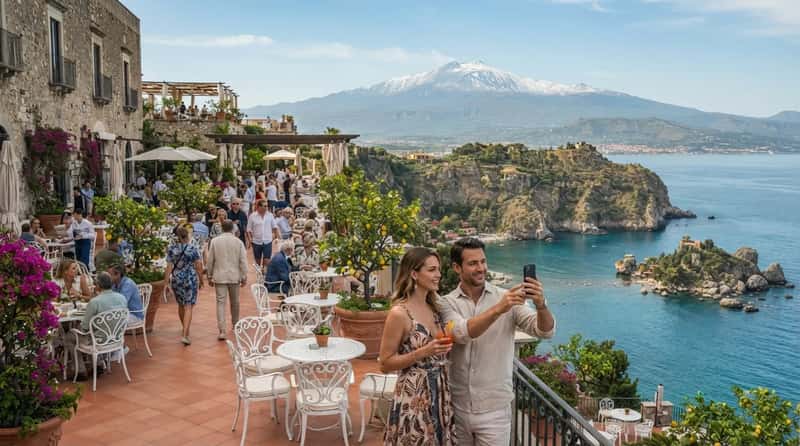
The newest, fastest-growing driver of tour sellouts is the cultural moment – a single piece of media, a viral post, or a celebrity endorsement that turns a niche experience into something millions suddenly feel they must do.
Sicily’s tourism jumped 50% after the second season of The White Lotus was set on its coastline – a single streaming show reshaped demand for tours across an entire region within weeks. Operators with October availability had none left by November.
Social media already drives destination choices for 75% of travelers, meaning one widely-shared post – a sunset photo, a guide’s story, a celebrity’s travel diary – can send search volume for a specific tour surging within 48 hours.
Concert tours show the extreme version of this. Over 890,000 users queued for Taipei Dome concert tickets in December 2024, and 150,000 tickets across four shows sold out in five minutes – roughly six people competing for every single seat.
Live event demand has structurally shifted, with consumers increasingly prioritizing experiences over goods.
Goldman Sachs Research
Goldman Sachs analysts project live music demand to grow at a 7.2% compounded annual rate between 2024 and 2030, with average ticket prices for a top-100 global tour reaching $136 in 2024 – up 50% from $91 in 2019.
Cultural momentum is the force that collapses the time between “on sale” and “sold out” from months to minutes, and it’s accelerating, not slowing down.
The Real Reason You’re Always a Step Behind
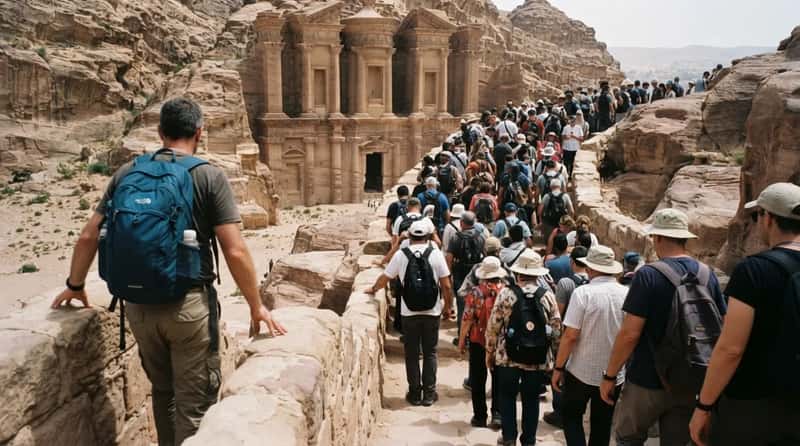
Tours sell out months in advance because every one of these forces stacks on top of the others at once.
A $253 billion global experiences market is growing nearly three times faster than travel overall. Governments are hard-capping access at iconic sites. Operators are deliberately shrinking group sizes. Permits are finite. Seasons are short. Loyal repeat customers quietly claim inventory before the public ever sees it. And a single viral moment can erase months of availability overnight.
The traveler who waits to plan isn’t competing against a handful of other interested people – they’re competing against all of these forces simultaneously.
If a specific experience genuinely matters to your trip, treat it like a concert ticket for your favorite artist: book it the moment it opens, or plan your trip around the very real possibility that it won’t be there when you finally look.
Which tour did you lose because you waited too long? Tell us in the comments – chances are, the reason wasn’t bad luck. It was one of these ten.
Bonus Tip #11: The Pre-Sale Move That Beats the Public Rush Entirely
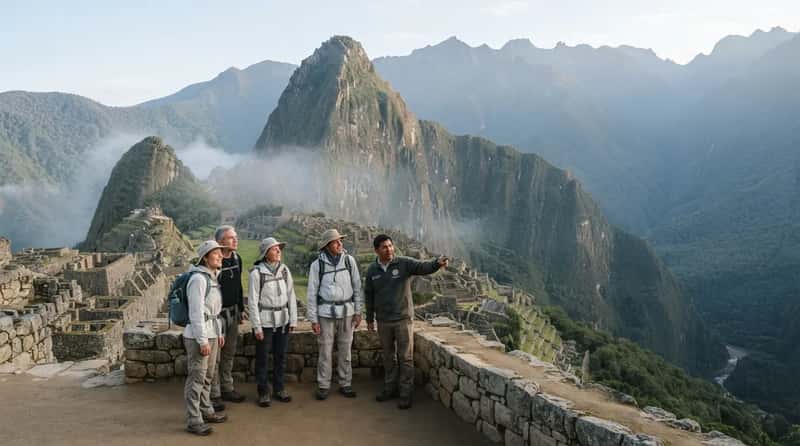
Everything above explains why tours vanish before you even see them listed. Here’s the one move that actually gets you ahead of that curve instead of chasing it.
Section 9 showed that operators quietly hand past customers 24 to 72 hours of early access before public booking opens – and that window alone can absorb most of a small tour’s inventory. Your job is to get onto that early-access list before you ever plan to book.
- Join the mailing list or loyalty program of any operator you’re even mildly considering, months before your trip – most send early-access links to subscribers first, not to the general public.
- Follow the operator’s social accounts and turn on notifications – pre-sale announcements and permit-release dates are frequently posted there before they hit the main booking site.
- Ask directly, by email or phone, when next season’s dates open – many smaller operators will add you to a private notification list on request, even if no public sign-up form exists.
- For permit-based experiences, find the exact release date for the season’s permits (tourism boards typically publish this on their official sites) and set a personal reminder for that day, not the day the tour operator’s website updates.
Do this even before you’ve picked exact travel dates. It costs nothing, takes minutes, and moves you from the crowd competing for 10 leftover public seats into the group that already had first pick.