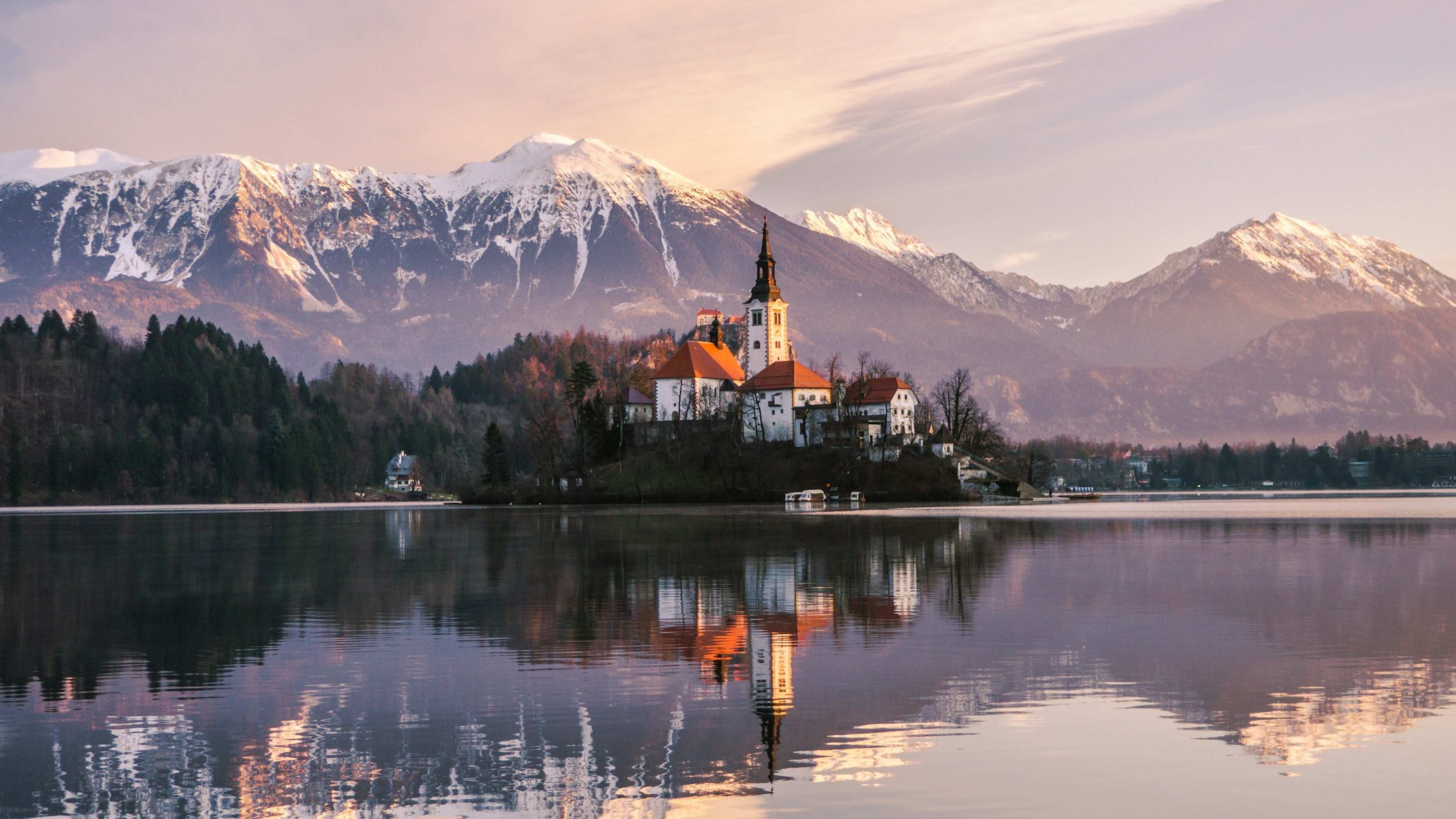
For years, the Dalmatian Coast was the default answer when someone asked where to find clear Adriatic water, old stone towns and a decent plate of grilled fish. Albania wasn’t really part of that conversation. The country spent decades closed off from the world, and it only began appearing in mainstream holiday planning in the last few years.
Now the two coastlines get compared often, usually by people who are staring at a long list of summer accommodation prices. The comparison isn’t one sided, and the details matter more than the headlines. Here is what the recent data and traveler reports show.
Albania’s Visitor Numbers Keep Climbing
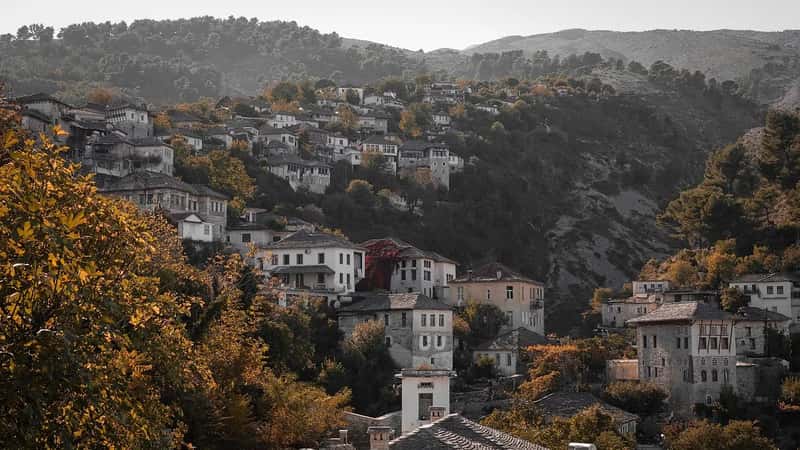
Albania’s statistics institute reported that 12.5 million foreign nationals entered the country in 2025, a seven percent rise on 2024.[1] Official data put the 2024 figure at 11.7 million.[2] That’s a lot of people for a country of under three million residents.
The growth is also becoming less seasonal. About 700,000 foreign nationals arrived in December 2025 alone, which suggests flows are no longer purely a summer story.[1] Overnight stays by non resident visitors rose by roughly thirty eight percent in 2025, which hints that people are staying longer rather than just passing through.[3]
Croatia Is Still Setting Records Too
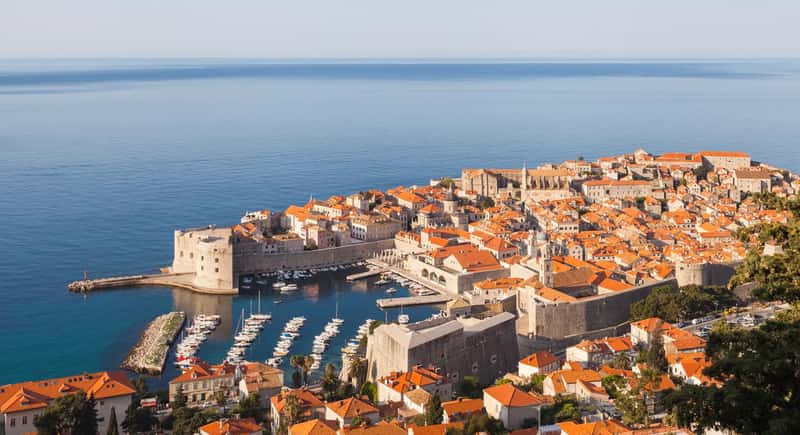
It would be a mistake to read Albania’s rise as Croatia’s decline. Croatia recorded more than 21.8 million arrivals and 110.1 million overnight stays in 2025, up two percent and one percent on the previous year.[4] Those are the highest totals the country has ever reported.
Most of that traffic lands on the water. Adriatic coast destinations accounted for 104.6 million overnight stays.[5] Dubrovnik, Rovinj, Split, Poreč and Umag led the destination rankings.[4] So Croatia isn’t losing visitors. It’s simply so busy that some travelers are looking elsewhere.
Where the Price Gap Shows Up

Cost is the reason most people give, and it’s easy to see why. One Albania focused guide estimates that a dinner for two with wine at a proper Riviera taverna runs about forty to seventy euros in 2026. The same meal in Dubrovnik’s old town is put at one hundred to one hundred eighty euros.[6]
Smaller daily expenses follow the same pattern. A café coffee on the Albanian coast is about one and a half euros, roughly half of what it costs in Croatia.[6] Sunbeds and umbrellas run about five to eight euros on most of the Albanian coast, against fifteen to thirty in Croatia.[6] These figures come from travel guides and property managers rather than official statistics, so treat them as a rough picture.
Why Croatia Feels Pricier Than It Used To
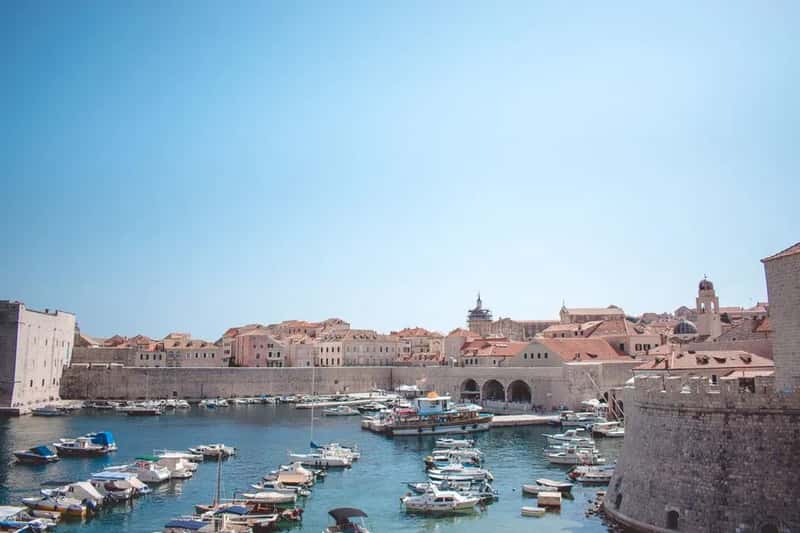
Croatia joined the eurozone in January 2023, and one comparison from a property firm argues the gap with Albania has widened since then.[7] That source says Croatian coastal prices rose between twelve and twenty five percent in the first two seasons after the switch.[7] It’s a commercial source, so the exact range deserves some caution.
Still, the direction matches what many visitors report. Dubrovnik and Hvar in peak season are described as comparable in price to Italian and French Riviera destinations.[8] For a family with a fixed budget, that changes the math quickly.
The Albanian Bargain Is Shrinking
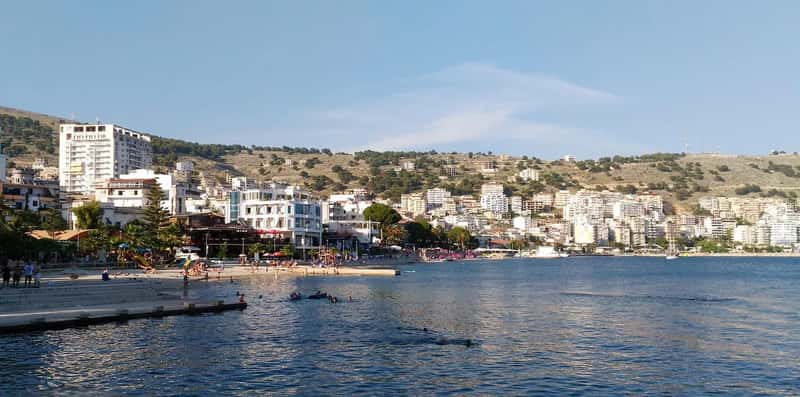
The savings are real, but they aren’t what they were a few years ago. One 2026 cost guide says Albania is no longer the bargain of 2020, and that the Riviera in August now prices like the Greek islands.[9] It notes that good hotels there can top three hundred euros a night in July and August.[9]
Timing makes a large difference. The same guide says May, June and September can cut hotel costs by roughly forty to sixty percent compared with August.[9] Another guide gives an example of a Ksamil guesthouse room that costs about sixty euros in June and about one hundred twenty in August.[10]
Beaches, Water and the Look of the Coast
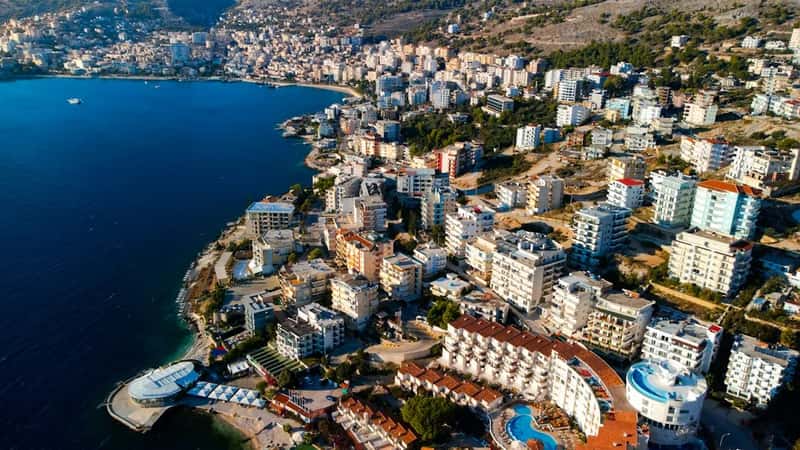
The Albanian Riviera is a long ribbon of coast in the south, running roughly one hundred twenty kilometers between Vlora and Saranda. Pebble beaches and clear water draw the largest number of visitors to the south.[11] It feels different from Dalmatia, with fewer polished promenades and more mountains dropping straight toward the sea.
Not every beach is a wild one, though. The famous strips at Ksamil have privatized their sand and can charge twenty to fifty euros a set in peak season.[6] Travelers who want quieter sand usually have to head to smaller coves, or simply go outside July and August.
Crowds and the Feel of Place
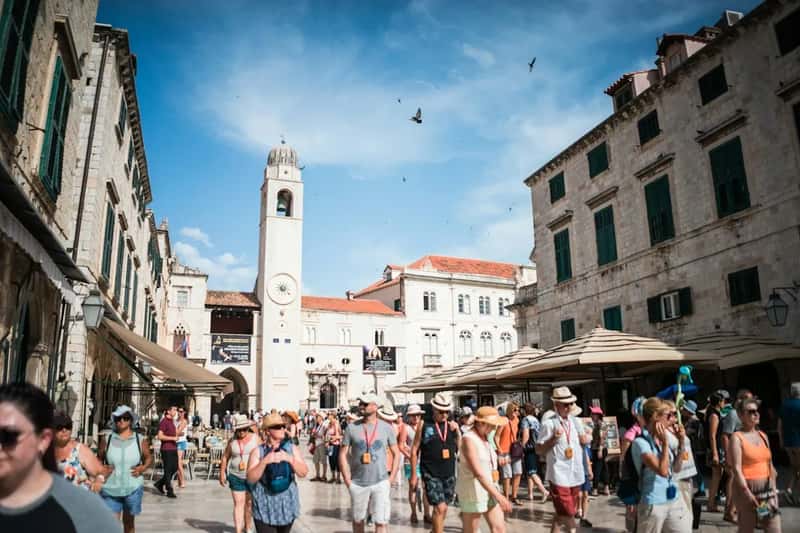
Crowding is the other big reason people switch. Croatia’s most famous stops, especially Dubrovnik, can be packed in high summer. One comparison guide rates August crowds on the Albanian Riviera at roughly half the level of Dubrovnik, though that is a subjective score from a property firm.
There’s a flip side. Albania’s new hotels and restaurants are opening at a pace that’s hard to track, and media attention has intensified.[12] Ksamil, Saranda and Tirana are named as the places that have changed most, so the quiet that drew early visitors is harder to find in those spots.
Getting There Without a Riviera Airport
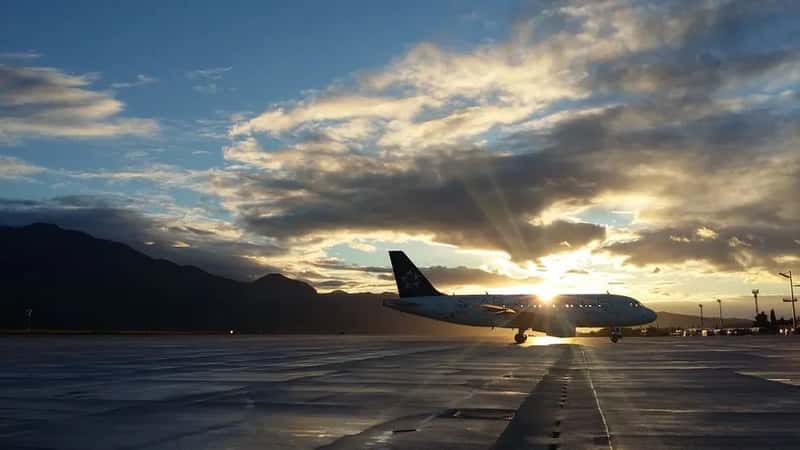
Access is Albania’s weakest card. Vlora International Airport was meant to serve the Riviera, and it sits about ten kilometers north of Vlora.[13] Plans for scheduled flights in summer 2026 fell through, and a service from Chair Airlines to Vlora was cancelled as of June 2026 because of the late opening.[14]
That leaves Tirana as the practical gateway. Himara is about seventy five kilometers from Vlora’s airport, but around two hundred thirty kilometers from Tirana.[15] Ryanair was set to open a new base in Tirana in April 2026 with ten routes[15], which should help, though the drive south is still a few hours.
What Croatia Still Does Better
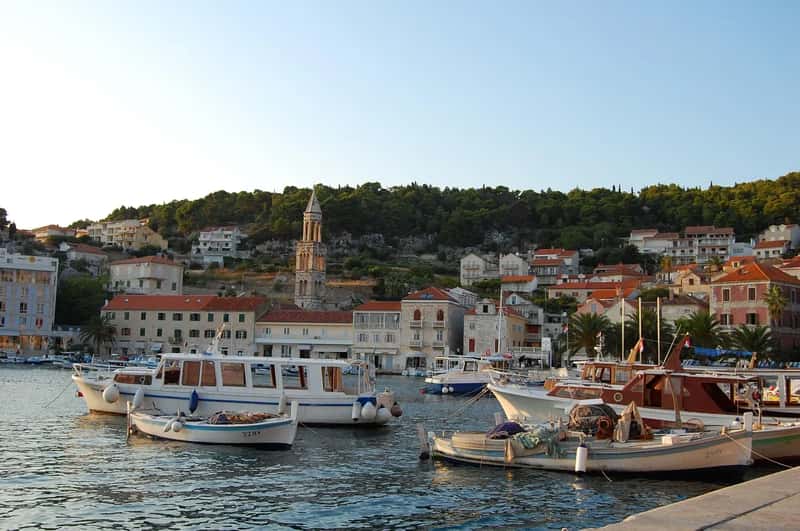
Croatia’s strengths are hard to match. The Dalmatian Coast has more infrastructure and more islands, though with higher costs and crowds.[16] Ferries, marinas and well signed roads make island hopping simple, and that’s something Albania can’t yet offer at the same scale.
Entry rules differ as well. Croatia is in the European Union and the Schengen Area, while Albania is an EU candidate outside Schengen.[16] Travelers should check passport and visa requirements for each country before booking, since they depend on nationality.
Where Things Stand
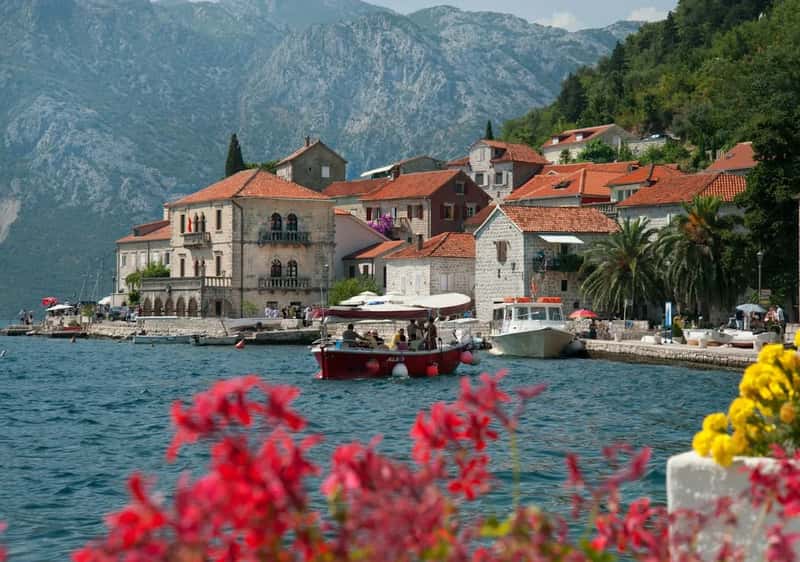
Albania’s Riviera offers lower prices, fewer crowds in shoulder months and a coast that still feels less packaged. Croatia offers deeper infrastructure, easier transport and a far larger network of islands and towns. The price gap is real, though it narrows sharply in peak August.
Combining both is possible, with an overland route through Montenegro taking roughly a full day of driving, and Kotor works as a natural overnight stop.[8] Many travelers now pick based on timing, budget and how far they’re willing to drive from the nearest airport.