
A flat with great photos, a fair price and a five star rating can still vanish from a booking site before you travel. In Spain, that has become a real possibility rather than a rare accident. Since 2025, national and local authorities have been pushing hard against holiday lets that don’t meet the rules.
For most travellers, the fight over housing and tourism feels distant until a confirmation email turns into a cancellation notice. What follows is a look at what Spain has actually done, what’s still only proposed, and how it can change the way you book.
The May 2025 Order That Started the Headlines
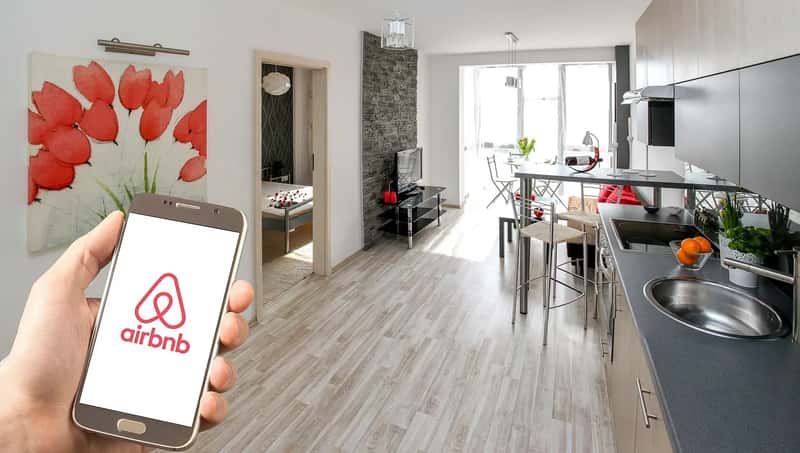
Spain’s Consumer Rights Ministry ordered Airbnb to remove 65,935 listings that allegedly violated local housing laws.[1] According to the Associated Press, the ministry found many listings lacked required license numbers or failed to disclose whether the owner was an individual or a business.[1]
The order came as Spain faced an affordable housing crisis fueled by rising rent prices and a surge in tourism.[1] Airbnb tried to delay the move through precautionary measures, yet the court rejected the plea, reinforcing the government’s legal authority to act.[2]
A Second, Larger Wave in February 2026

The pressure didn’t ease after that first order. In early 2026, the Ministry of Housing and Urban Agenda identified 86,275 properties that were being advertised despite having their registration requests denied or revoked.[3] One outlet described it as the largest single day delisting in Spanish history.
Regions are acting too. Andalucia’s Junta confirmed it had already struck 13,037 rentals off its official register.[3] Even so, industry watchdogs Exceltur claim thousands of unlicensed properties remain active on digital maps.[3]
The National Registration Number Changed the Rules

The biggest structural shift arrived on 1 July 2025. From that date, every rental property must have a national registration number to be legally advertised on booking platforms like Airbnb and Vrbo.[4] The system rests on EU Regulation 2024/1028 together with Royal Decree 1312/2024, which set up a Single Rental Register and a Digital One Stop Shop.[5]
Platforms now carry part of the burden. They must submit monthly reports to the authorities and remove listings within 48 hours if a number is revoked or found invalid.[6] By July 2025, the Spanish Ministry reported that over 100,000 properties had already been registered.[6]
Three Layers of Rules, Not One

The national number isn’t the whole story. Spain’s framework runs on three levels: a national registration and guest data reporting system, regional tourist licences from each autonomous community, and municipal zoning rules set by towns and cities.[7] A host can pass one test and fail another.
That helps explain why a listing can look official and still be removed. Missing compliance at any single level can lead to removal from platforms, substantial fines or legal action.[7] As a guest, you’ll rarely see which layer is the problem, only the outcome.
What Happens When a Booking Gets Cancelled

The disruption has been real. In mid 2025, Booking.com removed more than 4,000 illegal vacation rental listings in Spain, mainly on the Canary Islands, after a request by the Spanish Consumer Protection Agency.[8] Reports at the time said thousands of bookings were abruptly cancelled, hitting tourists from the UK in particular.[2]
If it happens to you, start with the platform. Reaching out to the platform where you booked is advisable, and support teams can often help find alternative accommodation or offer refunds.[9] Keep your messages and confirmations in case you need to show what you were promised.
Barcelona’s Plan to End Tourist Flats

Barcelona is going furthest. The city has announced a plan to ban apartment rentals to tourists by November 2028.[10] That would close all 10,000 licensed short term rental apartments to protect housing supply for full time residents.[11]
Illegal listings are already a problem for visitors. An estimated 800 to 900 of the city’s 10,000 tourist flats are illegal.[12] Elsewhere, Madrid and Malaga are already capping new licenses.[13]
Mallorca and Ibiza Feel It in Availability

On the islands, the effect shows up as fewer choices. In Mallorca, Airbnb has reportedly removed more than 8,000 illegal listings, representing around 40,000 beds.[14] The figure is contested, since one party claims the number is closer to 3,600.[14]
Ibiza has seen a similar squeeze. One travel outlet noted that the steep drop in listings means fewer options for those who prefer villas, apartments or flexible group accommodation.[15] It also warned that hotels and licensed properties may command higher rates, particularly in peak seasons.[15] That’s an assessment rather than a measured price change, so treat it with some caution.
The Proposed 21 Percent VAT on Tourist Rentals

This one is still a proposal. In mid 2026, the government put forward applying the standard VAT rate of 21 percent to holiday rentals, replacing a system where many pay no VAT or a reduced 10 percent rate.[16] It would cover leases under 30 nights in municipalities with more than 10,000 inhabitants.[17]
The government is seeking parliamentary agreement[18], so nothing is final. If it passes, hosts may pass some of the cost on to guests, though that’s an expectation rather than a certainty. Check the status again before booking far ahead, particularly for stays in 2027 and 2028.
How to Check a Listing Before You Pay

Start with the number itself. The registration number must be clearly displayed in every online advertisement, whether on Airbnb, Booking.com, Vrbo or other sites.[6] In Barcelona, the city’s chief housing inspector recommends checking for the HUTB code and verifying it on the local council website, which is available in English.[12]
Ask about location too. Before paying you should know the approximate area and, after booking, the exact address.[14] Read the cancellation and refund terms carefully, since third party platforms may delist properties for compliance issues.[15] Travel insurance that covers accommodation problems is also highly recommended.[19]