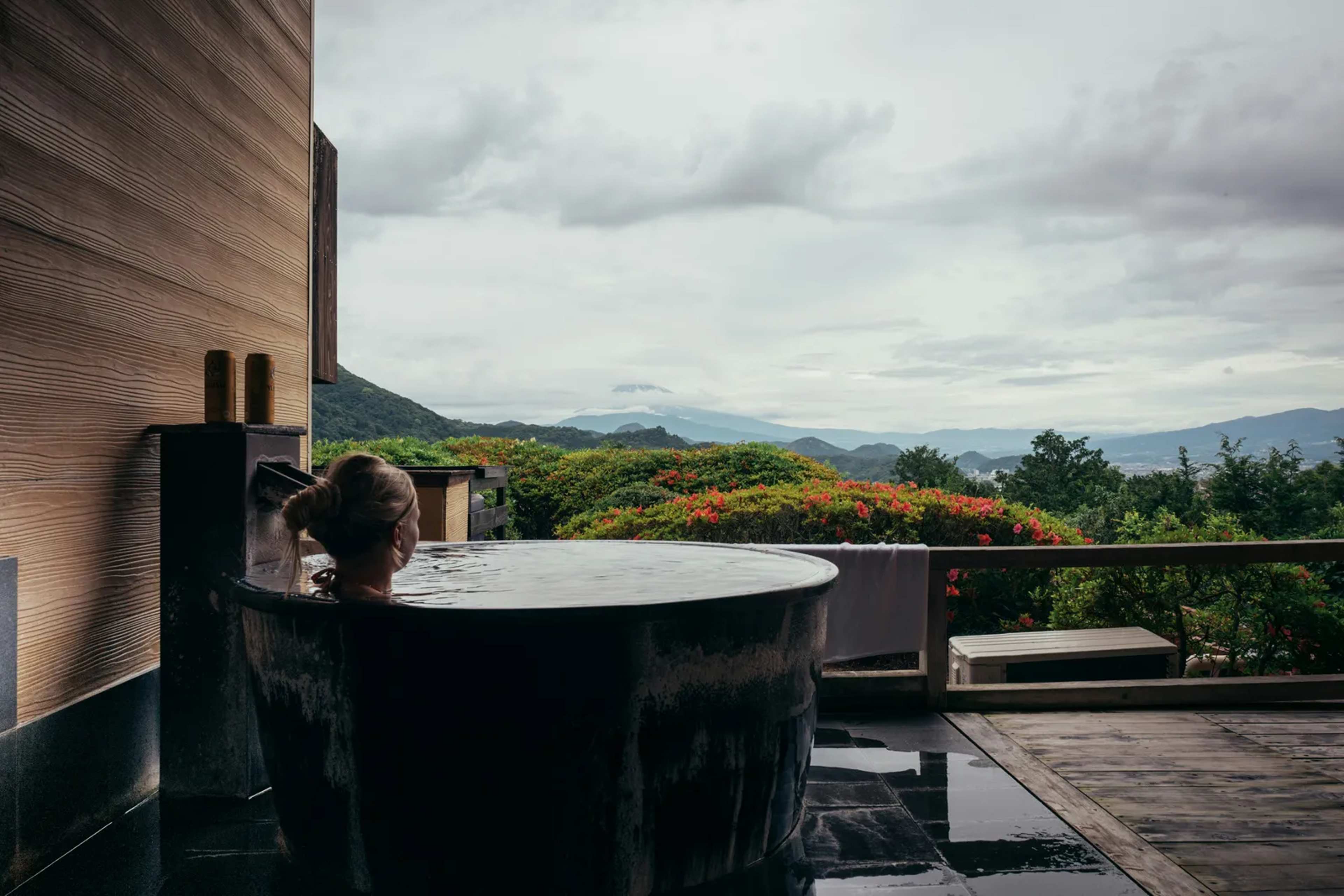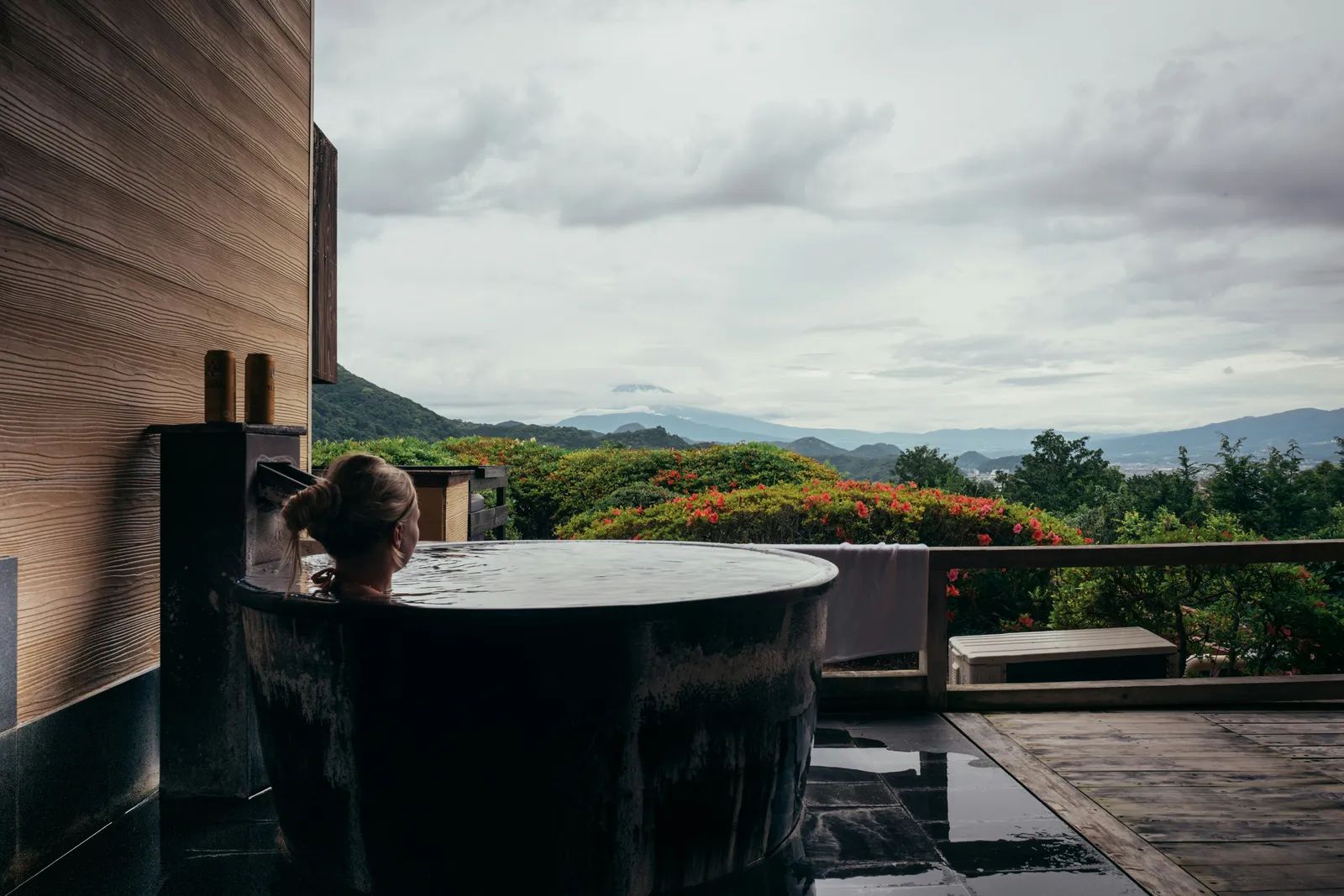
Travelers often return home with photos of famous landmarks, yet the details that surface years later tend to be far more ordinary and immediate. A particular scent, the quality of light at a certain hour, or the sound of laughter shared with a companion can linger long after the route itself fades. These sensory fragments become the anchors for recollection, pulling people back into the feeling of a place rather than its checklist of attractions. The pattern appears consistently across accounts of meaningful journeys. People describe the steam rising from an open-air bath in Hakone as evening air cools, the quiet ritual of matcha served with a small sweet in a Tokyo garden, or the soft movement of deer through morning light in Nara. Such moments bypass the mind’s usual filters and settle directly into memory.
The Unexpected Anchors of Recollection
Itineraries promise structure and coverage, yet they rarely account for how memory actually works. A traveler can stand in a garden planned for years and still feel the moment slip away amid thoughts of the next train or reservation. The mind stays partly elsewhere, managing logistics instead of absorbing the surroundings. Sensory details cut through that distraction. The scent of cedar along a forested path above Kyoto, the warmth of steam on skin, or the taste of fresh tea can register without effort. These impressions require no translation or explanation. They simply arrive and remain available for years, resurfacing on ordinary days when a similar smell or sound appears without warning.
Shared Presence Shapes What Stays
Companions play an equally decisive role. The sound of ease in conversation, the feel of a hand found along a quiet walk, or the simple fact of breathing the same air with people who matter turns a location into a shared reference point. Later, the memory returns not as a solo image but as a small scene that includes those relationships. This social layer explains why many travelers describe their strongest recollections as collective rather than solitary. The presence of others slows the pace and creates space for the senses to register. Without that shared attention, even striking scenery can pass as background rather than lived experience.
Designing Days Around Feeling Rather Than Doing
Recognizing how memory forms encourages a different approach to planning. Instead of packing every hour with sights, travelers can protect intervals for unhurried presence. A long afternoon over tea, a walk without a fixed endpoint, or an evening that ends only when the conversation does allows the senses to settle. Such adjustments do not require abandoning destinations. They simply reorder priorities so that arrival feels complete rather than transitional. The result is a store of physical memories that surface spontaneously, turning an ordinary moment years later into an instant return to the original place and the people who were there. The world offers countless beautiful locations. The rarer gift is the time and attention to register them fully enough that they become part of personal history.