You’ve probably never heard anyone rave about Charleroi. There’s a good reason for that. Back in 2009, Dutch newspaper De Volkskrant branded it the “ugliest city in the universe, a title the Belgian city has worn like an awkward badge ever since. Most travelers fly into its budget airport only to immediately hop on a bus to Brussels, Bruges, or literally anywhere else. Yet something fascinating is happening in this post-industrial city south of Brussels. Beneath the crumbling facades and abandoned factories, Charleroi is quietly transforming itself into one of Belgium’s most unexpected destinations. The grit is still there, make no mistake, yet that’s precisely what makes it worth exploring.
The Dark History Behind the Reputation
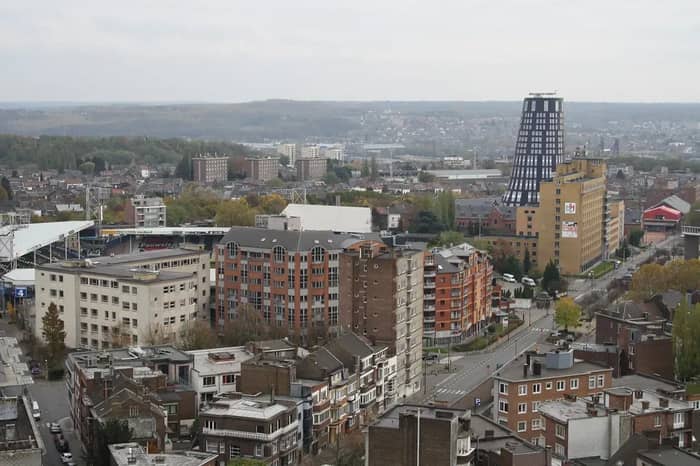
Charleroi used to be a major industrial hub that focused on mining coal, but after World War II, the market declined sharply, and now its factories lie empty. Walking through certain neighborhoods feels like stepping onto a movie set for a dystopian film. Recent statistics show rampant unemployment figures at 20 per cent in Charleroi, compared to around 6 per cent nationwide, a stark reminder of the economic wounds that never fully healed. The city’s population has dwindled too, with roughly forty thousand fewer residents than fifty years ago, though it remains the largest municipality in Wallonia. It’s hard to ignore the boarded-up windows and streets that feel forgotten by time. Still, there’s an honesty to Charleroi that polished tourist cities lack, a raw authenticity that actually draws a certain kind of traveler.
The Charleroi Adventure Urban Safari
Here’s where things get interesting. For 15 years, Nicolas Buissart has been guiding curious visitors through the industrial ruins of Charleroi, with his storytelling skills transforming the supposed ugliness of this urban landscape into a tourist attraction. His Charleroi Adventure tour embraces the city’s grim reputation with self-deprecating humor and takes visitors to places most guidebooks would never mention.
You’ll discover the place where Magritte’s mother committed suicide; the “ghost metro”; the most depressing street in all of Belgium; clamber over a waste coal pile; and visit an authentic abandoned metal factory. The tours have become so popular that booking well in advance is essential. What makes this experience memorable isn’t just the locations but Buissart’s ability to weave history, politics, and dark comedy into a narrative that makes you see beauty in decay. As far as I’m concerned, it’s one of the most exciting, incredible, and hilarious tours you can book in Belgium, according to one visitor.
World-Class Museums in an Unlikely Setting
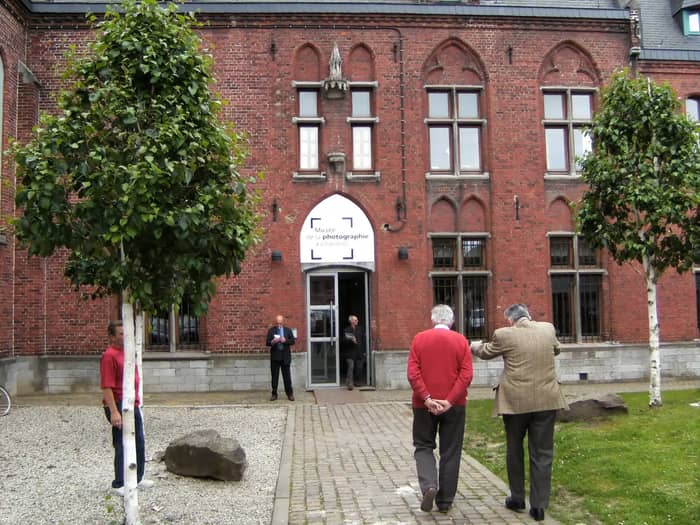
The Musée de la Photographie is perhaps Charleroi’s most renowned attraction, the largest photography museum in Europe, with more than a thousand photos on display at any one time. Housed in a former Carmelite convent, the museum holds over eighty thousand works spanning nearly two centuries of photographic history. You’ll find pieces by Henri Cartier-Bresson, René Magritte, and Edward Weston alongside rotating exhibitions that showcase both legendary and emerging photographers.
The BPS22 contemporary art museum is another gem hidden in plain sight. The BPS22 stands out with its stunning architecture: an industrial glass and iron casing, built in 1911, and its fascinating program of exhibitions and activities makes it an iconic stop for all culture lovers in Charleroi. The building itself tells the story of Charleroi’s industrial past while hosting cutting-edge contemporary art that tackles political and social themes.
The Street Art Revolution
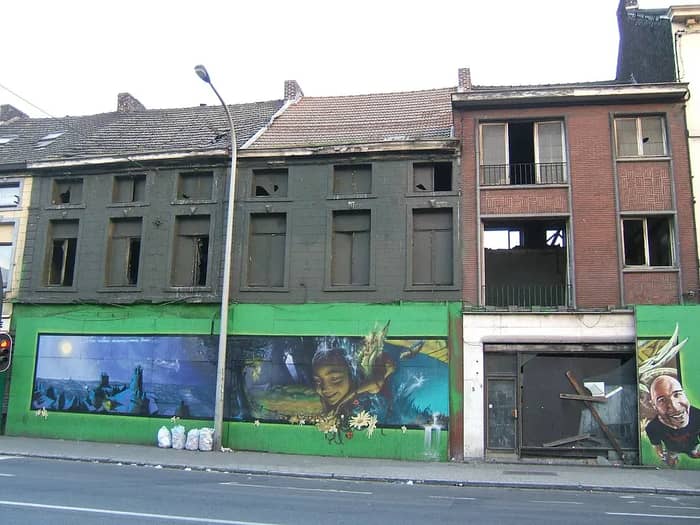
Perhaps nothing symbolizes Charleroi’s transformation more than the spectacular large-scale murals splashed across buildings all over town. In 2014, Charleroi launched an Urban Dream street art trail along the banks of the Sambre River, featuring monumental murals by artists from Belgium and abroad. Today, over fifty massive murals transform derelict industrial buildings into open-air galleries. International artists have descended on Charleroi, seeing in its abandoned infrastructure the perfect canvas for their work. You can follow self-guided walking tours that wind through nineteen metro stations decorated with graffiti, sculpture, and customized street furniture. The contrast between colorful, vibrant art and the grey industrial landscape creates a visual tension that’s genuinely striking. Some pieces pay homage to Belgium’s comic book heritage, while others are pure abstract expression. It’s an unexpected cultural treasure that costs nothing to experience.
The Bois du Cazier Memorial
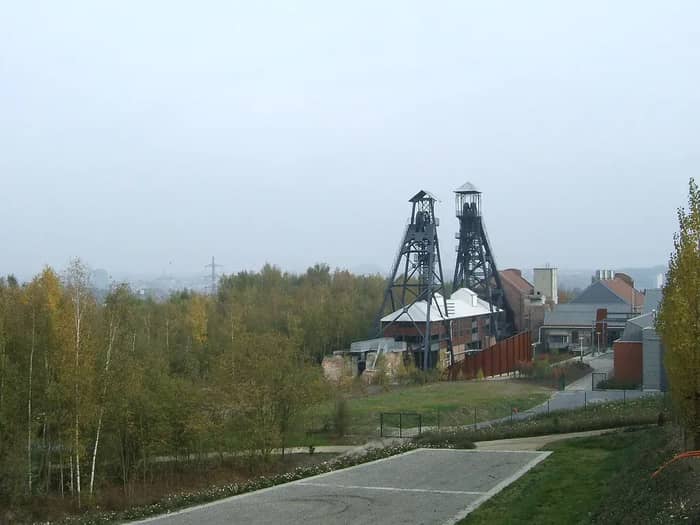
The former coal mine of Bois du Cazier has UNESCO World Heritage status as one of the major mining sites of Wallonia, and its museums are fascinating for anyone with an interest in industrial heritage and history. On 8th August 1956, an underground fire killed 262 miners, and there are memorials throughout the site, including at least three separate sculptures and a mural. Over half of the victims were Italian migrant workers. The preserved pithead dominates the site, a haunting reminder of both the pride and tragedy of Charleroi’s industrial past. Visitors can explore the museum complex, which includes exhibitions on glass-making, metal-working, and the broader industrial revolution era. It’s a sobering but essential stop that provides context for understanding why Charleroi looks the way it does today.
Why Charleroi Actually Deserves Your Time
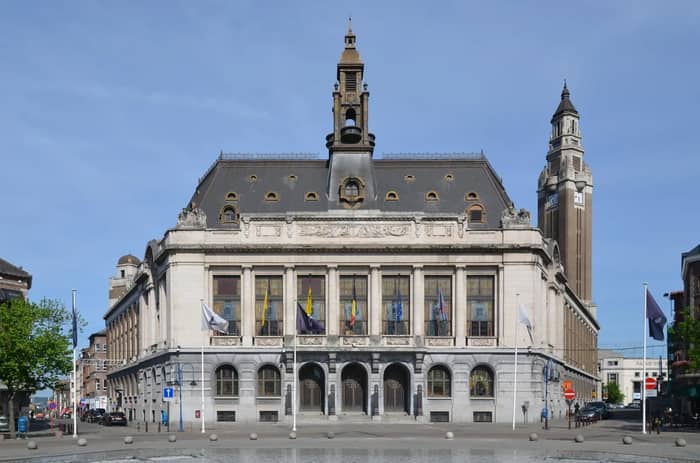
Charleroi is generally worth visiting in 2025, and if you have the opportunity to combine other destinations with Charleroi, the trip is definitely worthwhile. Let’s be real, this isn’t the kind of city where you’ll spend a week. However, Charleroi offers something increasingly rare in Europe: an authentic urban experience without the veneer of tourism. No crowds are jostling for selfies, no overpriced tourist traps, and no sanitized version of history. What you get instead is a city wrestling with its identity, struggling to reinvent itself, and somehow creating something genuinely interesting in the process. The art, the museums, the industrial heritage, and yes, even the ugliness, combine to create a destination that sticks with you. Charleroi won’t charm you the way Bruges does, but it might just surprise you more. Did you expect a city once crowned the ugliest in the world to have this much character?