In 2024, a record-breaking 6.3 million international tourists visited Bali, and travelers to top cities faced more expensive stays. The places that once promised budget-friendly vacations are transforming into pricey getaways that require serious financial planning. What’s causing this dramatic shift, and which beloved spots are feeling the squeeze most intensely?
Bali’s Paradise Tax Reality

Bali introduced the Bali Tourist Levy on February 14, 2024, requiring all international tourists to pay 150,000 rupiah ($9) upon arrival. The island that backpackers once flocked to for its impossibly cheap accommodation and meals has become a different beast altogether. 6.3 million international tourists visited in 2024, pushing the island’s infrastructure and environment to their limits.
What’s particularly striking is how rapidly Bali’s cost structure changed. Despite tourism growth, the pace of property development outstripped demand, with new projects initiated in 2022-2023 now flooding the market with new accommodations. Property developers rushed in, convinced the boom would never end. Bookings for Bali in 2025 and 2026 are already seeing a decline, with European and Australian travel companies reporting a drop in interest as tourists search for quieter alternatives.
Croatia’s Price Explosion Problem

The cost of holidays in Croatia has increased by up to 50% in the last three years, well above the 15–20% recorded in competing destinations such as Greece and Spain. The Adriatic darling that once offered Mediterranean beauty without the hefty price tag is losing its competitive edge fast. Tourist arrivals in May 2025 saw a sharp 5% drop, and overnight stays plummeted 14%.
Germans, Austrians, and Poles who once filled Croatian beaches are now reconsidering their options. German visitors, who represented 30% of arrivals in May 2024, only accounted for 16.5% of the visitors in May 2025. Market analysts believe that soaring prices are to blame, with Croatia’s costs rising sharply and making it less appealing to budget-conscious travelers. Even Croatia’s Prime Minister has acknowledged the danger, warning that other countries also have seas, islands, and beaches.
Venice’s Entry Fee Experiment
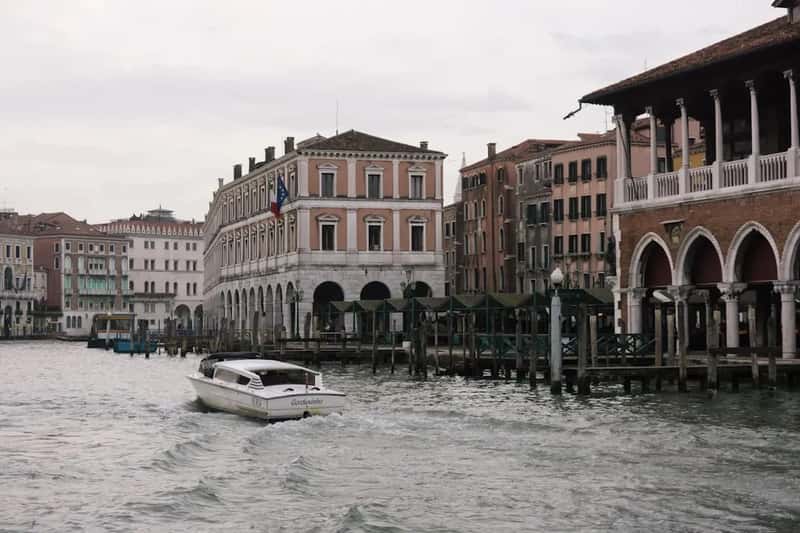
Venice introduced an entry tax that was trialed in 2024, with visitors required to pay a €5 entry fee during peak times between 8:30 am and 4 pm during April, May, June, and July starting in 2025. The floating city’s approach represents something genuinely novel – charging people just to walk through its streets during busy periods. Venice became the first city in the world to impose a €5 entry fee for day visitors in April 2024, as inbound arrivals reached 4.9 million in 2023.
This isn’t your typical hotel tax that gets buried in booking confirmations. You’re paying simply to be present in the historic center. With Venice facing an increasing number of visitors each year, the new tax is expected to significantly affect the experience for those wishing to see the city’s famous canals and landmarks. The measure aims to thin crowds and generate funds for maintenance, yet it fundamentally changes Venice’s accessibility for spontaneous day trips.
Thailand’s Surprising Tourism Slowdown

Thailand is projected to see tourism decrease by more than seven percent in 2025 due to an increase in the costs of travel, particularly airfare prices, and travelers choosing more economical and accessible locations. This Southeast Asian favorite that practically invented budget backpacking is facing headwinds that even seasoned travel industry watchers find surprising. Between January 1 and October 26, Thailand welcomed approximately 26.25 million international visitors, representing a 7.25% drop compared to 2024.
Thailand is set to revive a shelved 300-baht (€8.50) fee for all arrivals before the end of the year. Rising airfares combined with increased ground costs have quietly eroded Thailand’s legendary value proposition. Hotel occupancy rates recently dropped to 65%, leaving many rooms vacant. Travelers who once stayed weeks in Thailand are cutting trips shorter or looking elsewhere entirely.
New Zealand’s Triple Tax Jump

New Zealand raised its tourist fee significantly, tripling it to NZ$100 (US$59) as of October 1, 2024, up from NZ$35, to support the country’s tourism infrastructure and environmental conservation efforts. This represents one of the steepest single increases any major destination has implemented recently. The country known for Lord of the Rings landscapes and adventure tourism made an aggressive move to filter visitor numbers through pricing.
Honestly, nearly sixty dollars just for permission to enter feels substantial, especially for families or groups traveling together. The higher tax could have a notable impact on visitors to destinations like Queenstown and Rotorua, though it is unlikely to deter those who see New Zealand as a must-visit location. The calculation seems to be that New Zealand’s unique offerings justify premium pricing, yet budget-conscious travelers are clearly being priced out.
The Overtourism Tax Wave

Overtourism certainly isn’t a new concept, but the surge of post-lockdown “revenge travel” has shone a spotlight on the problem, with local governments in many popular destinations introducing new regulations. Cities worldwide watched Venice, Amsterdam, and Barcelona strain under visitor loads and decided intervention was necessary. By March 2024, more than 285 million tourists had traveled internationally, marking a 20% increase from 2023’s first quarter.
In 2025, popular destinations are introducing new or raising existing visitor fees, with Venice expanding its tourist tax programme to €10, and Thailand proposing a travel tax estimated at around £6.87 for arrivals by plane. The trend appears irreversible. More than half of survey respondents acknowledged overcrowding issues in locations like Barcelona, Amsterdam, and Athens, with over 20 percent already canceling trips due to these concerns. Destinations are essentially using price as a crowd control mechanism.
Flight Taxes Join the Party
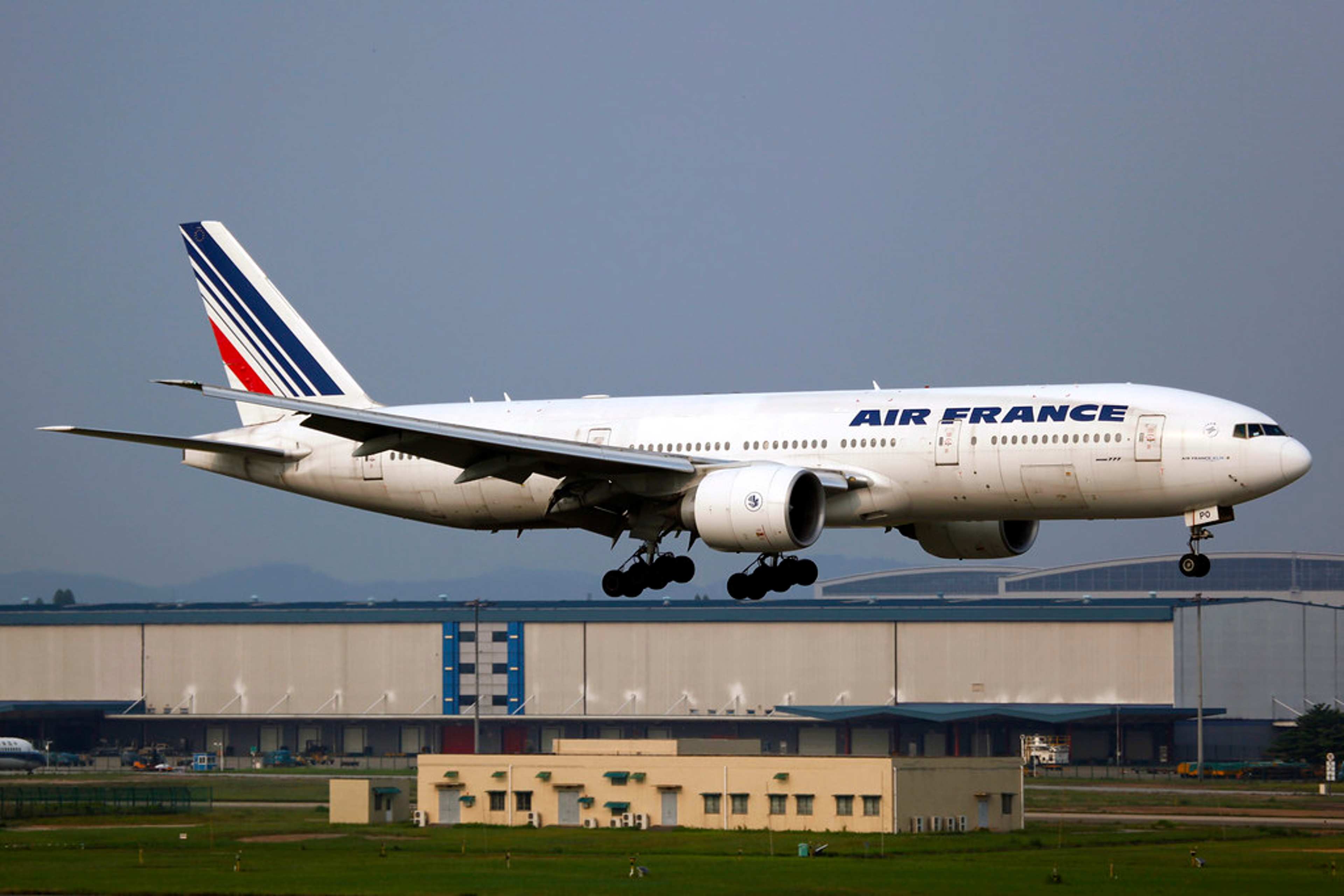
In France, the aviation tax is set to triple by 2025 to help address a growing budget deficit, making long-haul flights more expensive by up to £33, while Denmark’s new flight tax will be phased in gradually, reaching up to £45 by 2030. Airlines already struggling with aircraft shortages and supply chain issues now face additional tax burdens that inevitably flow to passengers. The shortage of new aircraft contributes to rising costs, with Boeing 737 9 MAX jets grounded in January 2024 and production delays causing disruptions.
Sustainability initiatives add another layer. European fuel suppliers will be mandated to incorporate Sustainable Aviation Fuel into their mixes, starting at 2% in 2025 and rising to 70% by 2050, likely leading to higher ticket prices. The green transition carries real costs, and travelers are footing the bill whether they realize it or not.
The world of budget travel, as many knew it, is rapidly disappearing. Destinations that built their reputations on affordability are implementing fees, taxes, and restrictions that fundamentally alter the value equation. Some places genuinely face infrastructure strain and need revenue for preservation. Others simply recognize they can charge more, and travelers will still come – at least for now. What remains uncertain is whether these pricing strategies will prove sustainable or whether travelers will eventually revolt and redirect their spending toward emerging, more affordable alternatives.