There’s a shift happening along Mexico’s coastline that doesn’t always make headlines, but it shows up in rental listings, expat forums, and slowly growing English-language book clubs from the Pacific to the Yucatán. Retirees who once considered Florida or Arizona the default retirement plan are instead packing up for towns with fishing boats, colonial plazas, and ocean breezes. It’s not a stampede, more like a steady drift, but the numbers behind it are hard to ignore.
Mexico has become the single most popular overseas retirement destination for Americans, and more than 1.6 million US citizens are estimated to live there, with the Pacific coast, the Bajío highlands, and Lake Chapala having built genuine American retiree economies around them. Four coastal towns in particular keep coming up in conversations about where that money and those movers are actually landing.
Puerto Vallarta: the established favorite that keeps evolving
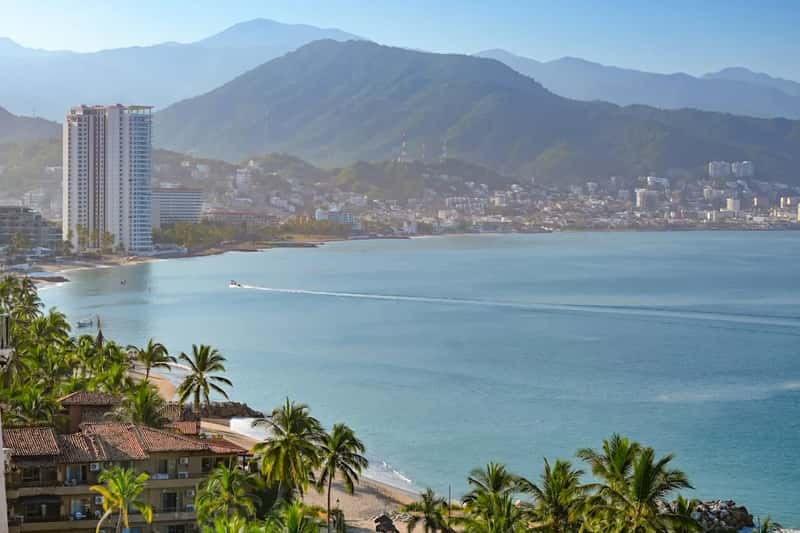
Puerto Vallarta has been on the retirement radar for decades, and it remains one of the anchor points for Americans settling on Mexico’s Pacific coast. It’s counted among the hubs with a significant expat community, alongside San Miguel de Allende. The town’s appeal isn’t just nostalgia either; newer arrivals are drawn to the mix of walkable neighborhoods, a well-developed medical infrastructure, and a bay that rarely disappoints on a slow afternoon.
What keeps Puerto Vallarta from feeling like a retirement cliché is the range it offers. Retirees who want quieter, still-coastal living without leaving the area often settle just north in Bucerías, where the town is quieter but still coastal, with couples typically spending around $2,000 a month including rent, dining, and local transport. That flexibility, full resort energy in PV proper or a calmer version a short drive away, is part of why the region keeps absorbing new residents rather than losing them to newer hotspots.
Mazatlán: the comeback story drawing a new wave
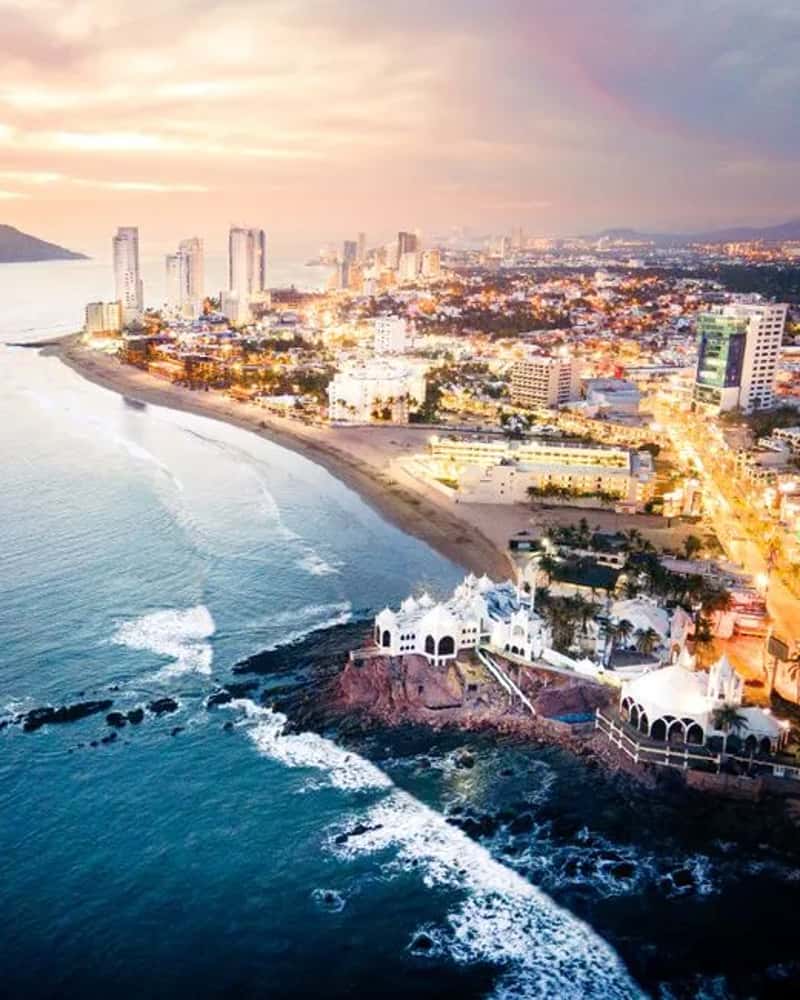
Mazatlán spent years as a somewhat forgotten resort town, but that has changed. Mazatlán has rebounded from the 1970s and 1980s, when it was mostly forgotten as a resort, and today it’s becoming a sought-after expat haven. Industry retirement rankings have taken notice too, with one 2025 overseas retirement index naming it among the best places in the world to retire, and the top pick within Mexico specifically.
Part of the draw is straightforward economics. Rent costs vary, but retirees can expect to spend anywhere from $800 to $2,000 per month, which stretches considerably further than comparable coastal housing in the US. The historic center adds a layer most beach towns lack; it has been newly renovated and now qualifies as one of the finest examples of Spanish colonial architecture in the Americas, with restaurants, cafés, and a beachfront promenade filling in the gaps. Some retirees do note that Mazatlán sits in Sinaloa, a state with a complicated reputation, though longtime residents point out that many expats feel fine living there, since most cartel-related activity is concentrated well away from the city, in Culiacán.
Playa del Carmen: the Caribbean pull for a different kind of retiree

On the other side of the country, Playa del Carmen has become the default answer for retirees who want Caribbean water rather than Pacific swells. It stands out as a top choice for expats seeking to relocate abroad and lead a more leisurely lifestyle, and the reasons are fairly visible once you spend a few days there. Beyond the postcard beaches, it offers something Puerto Vallarta and Mazatlán don’t quite match: a genuinely international expat scene layered on top of the Mexican one, with French, Argentine, Canadian, and American retirees all mixing in the same cafés.
Cost remains a major part of the calculation. This coastal town combines striking surroundings, strong Mexican cuisine, and accommodations that stay affordable, with an average cost of living around $1,082 for one person. That number tends to surprise people who assume a well-known tourist destination automatically means tourist-level prices, but daily life away from the resort strip runs closer to a local budget than a vacation one. The Riviera Maya region around it, stretching toward Tulum, has quietly absorbed a growing share of this retiree movement as well, giving newcomers options beyond the town center itself.
Zihuatanejo: the quieter alternative retirees are discovering

Zihuatanejo doesn’t get the same name recognition as the other three towns, and that’s largely the point for the retirees choosing it. This coastal town on the Pacific is notable for its inexpensive cost of living, averaging around $985 for one person, along with excellent beaches and a charming fishing village feel. It has managed to stay smaller in scale even as word spreads, which is exactly the trade-off many retirees say they’re after after years in busier, more commercialized coastal spots.
The expat presence there isn’t new, just less publicized. Foreigners from all over the world have lived there for years, making it one of the most sought-after places to call home among people who prioritize a slower pace over nightlife or big infrastructure. Retirees moving to Zihuatanejo tend to describe it less as a discovery and more as a long-running secret that’s finally getting a bit more traffic, though still nowhere near the scale of Puerto Vallarta or Cabo.