There’s a quiet shift happening in how people travel, and it’s not the kind that shows up in a single headline. It shows up in booking data, in search trends, in the growing number of empty seats next to solo diners at restaurants that used to feel awkward to enter alone. Something has changed, and 2026 looks like the year it stopped being a niche choice and became simply how a lot of people travel.
The numbers tell a story that’s hard to ignore
Solo travel isn’t a fringe habit anymore. The global solo travel market size was valued at USD 549.8 billion in 2025 and is projected to grow from USD 627.3 billion in 2026 to USD 1,624.2 billion by 2033, at a CAGR of 14.6% from 2026 to 2033. That’s not gradual growth, that’s a market roughly tripling in less than a decade.
Search interest backs this up in a very concrete way. 2026 has seen the largest increase in interest in solo travel ever, with 1.6 million searches of “solo travel” during the month of January alone. Over a longer stretch, searches for solo travel terms have increased by 230% over the past ten years, with the trend rising year on year since 2004, aside from a brief dip during the pandemic in 2020. People aren’t just curious anymore, they’re actively planning.
You get to build the entire trip around what you actually want
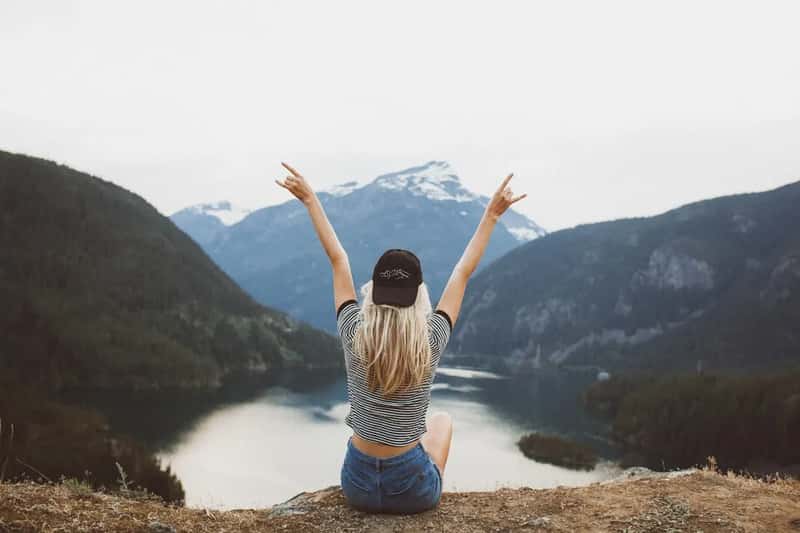
There’s a specific kind of relief that comes from not having to negotiate an itinerary. No one wants to linger in a museum for three extra hours, and no one wants to leave the beach early because someone else is bored. Solo travel removes that friction entirely, and it turns out that’s exactly what a lot of travelers are chasing right now.
The data reflects this directly. The number one reason to travel solo is the desire to see the world without waiting for others, cited by 74% of travelers. Among women specifically, 87% say freedom and flexibility are reasons they travel solo. When your schedule answers to no one but you, the trip stops being a compromise and starts being genuinely yours.
It’s a fast, unglamorous way to build real confidence

Nobody talks enough about how ordinary this confidence boost actually looks. It’s not about summiting a mountain or surviving a dramatic mishap. It’s figuring out a subway system in a language you don’t speak, or ordering dinner alone without feeling like everyone’s staring.
This is echoed in why women in particular return to solo trips. 78% of women say they travel solo for self-care and relaxation. And it seems to work, since 59% of solo female travelers said they’d travel independently again. Confidence, in this context, isn’t a slogan. It’s a repeatable habit.
Safety has genuinely improved, and so has the information available
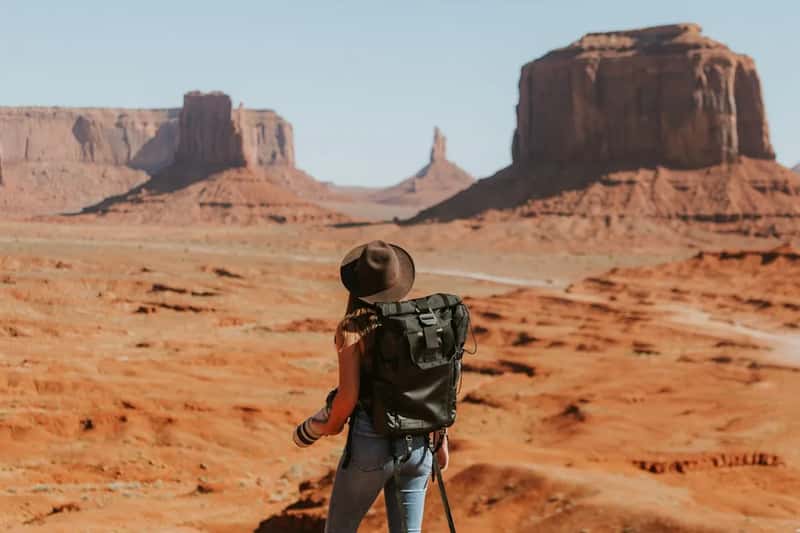
Concerns about safety are real and shouldn’t be waved away, but the picture in 2026 looks noticeably better than it did even five years ago. Part of that comes from better tools, and part comes from sheer volume of shared experience online. Solo travelers are no longer figuring things out from scratch.
Interestingly, the travelers with the most experience worry the least. Older solo travelers worry less about safety (59% vs 69% for younger travelers) and find themselves in fewer dangerous situations, which may be down to age as well as experience. On the destination side, certain countries have built reputations for being especially manageable alone. With an index score of 7.45, Spain is considered the safest country for female solo travelers. Iceland, Portugal, Japan, Ireland, and Denmark also consistently top these rankings, largely because they’re walkable, easy to navigate by public transport, and comfortable for eating out alone.
Cities and destinations are actively courting the solo traveler
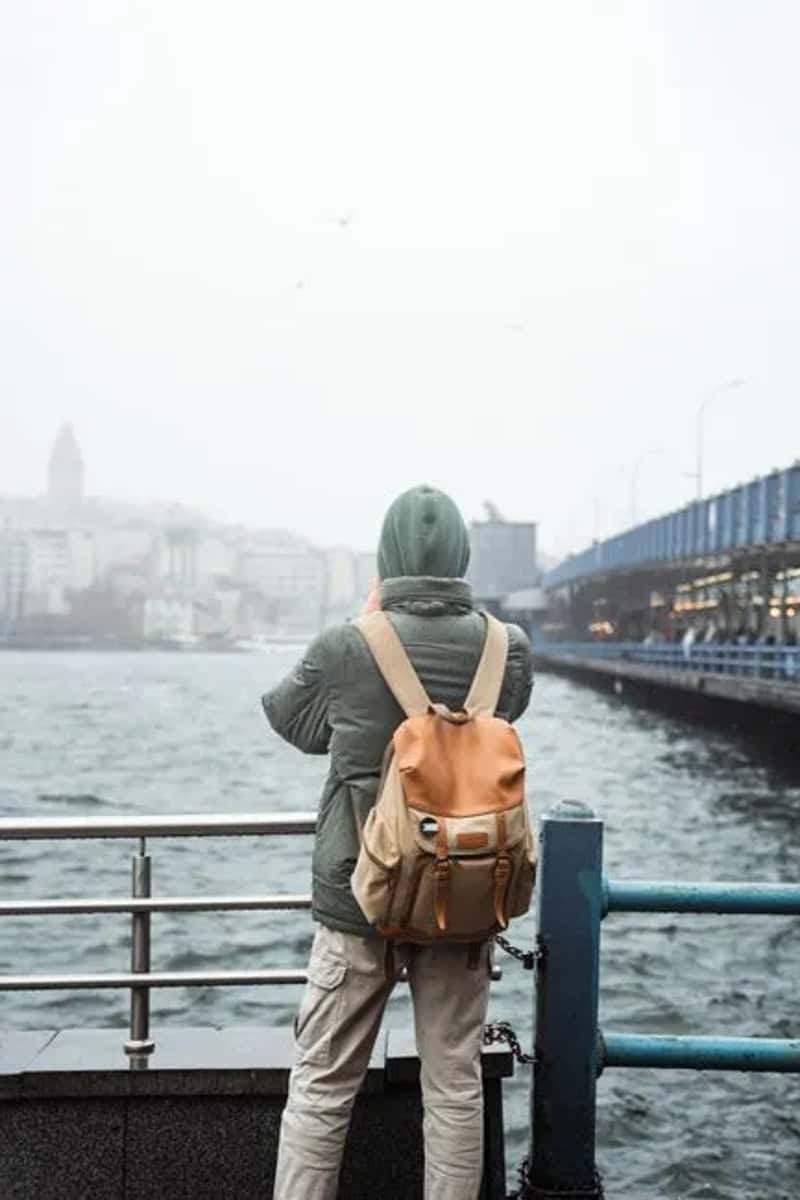
Tourism boards and hospitality brands have noticed where the money is going, and they’re adjusting. Single supplements are disappearing at some properties, walking-friendly cities are marketing themselves specifically to independent travelers, and entire guides now exist just for people traveling alone. This isn’t charity. It’s simply following demand.
One clear signal came from Tripadvisor’s awards. Dublin, Ireland was recently ranked as the top city for solo travel in 2026 by Tripadvisor’s Travellers’ Choice Best of the Best Awards, reflecting its welcoming atmosphere, cultural attractions, and ease of exploration for solo visitors. Meanwhile, interest is broadening well beyond Europe, with survey data showing that for 2026 bucket-list destinations, Australia/Oceania and Asia tied for first place, with Europe close behind in third, and South America and Africa rounding out the top five.
The loneliness fear is mostly front-loaded, not constant
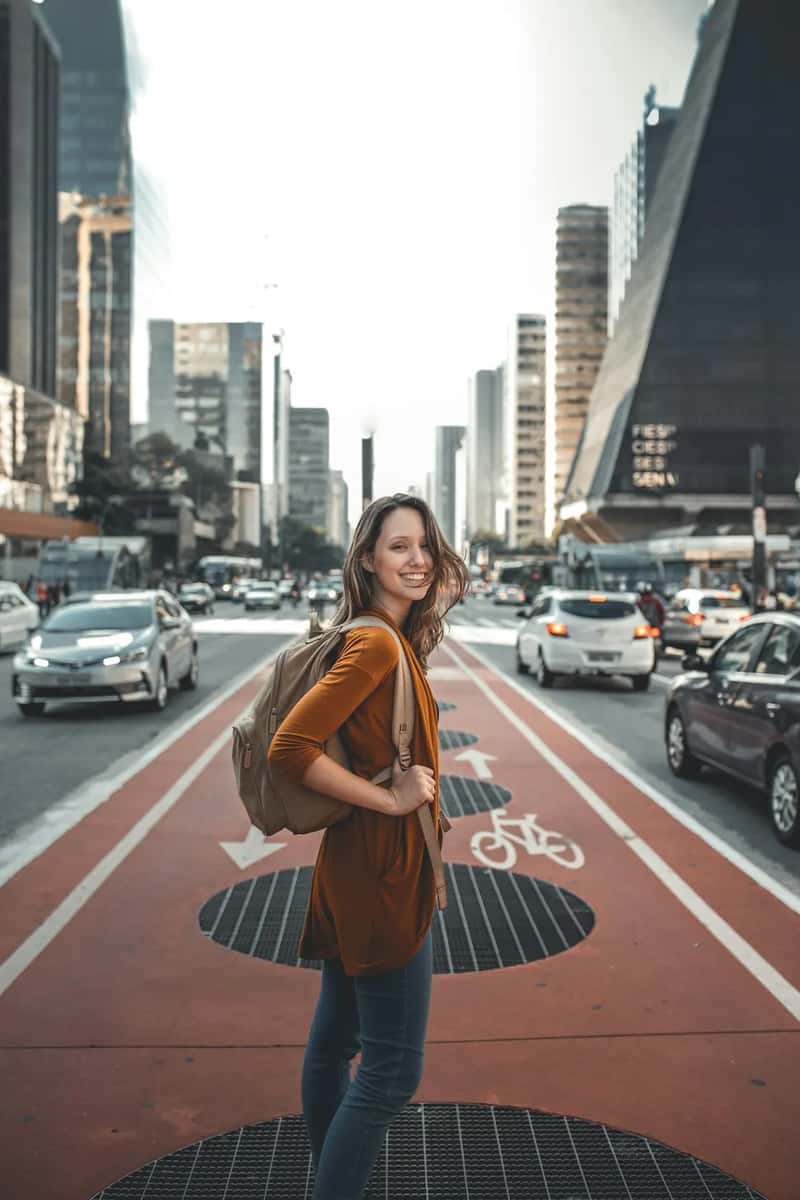
Almost everyone who has never traveled alone imagines the same scenario: sitting by yourself somewhere, feeling conspicuous, wishing someone else were there. It’s a legitimate worry, and it shows up clearly in the surveys. But the pattern that emerges once people actually go is more reassuring than the anxiety suggests.
Roughly 49% of solo travelers are worried about getting lonely before they set off. Yet that worry tends to be strongest in the planning stage and fades considerably once the trip is underway, particularly for travelers who’ve done it a few times before. It’s also worth noting that 82% of solo travelers also go on trips with others, meaning solo travel usually isn’t a replacement for social trips, it’s an addition to them.
The budget picture is more flexible than most people assume
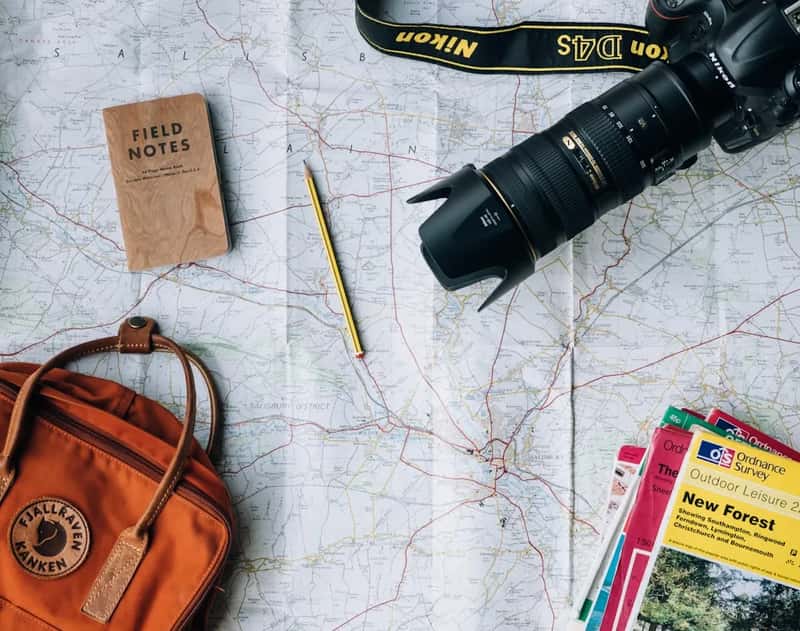
There’s a persistent myth that traveling alone always costs more, since you’re not splitting a hotel room or a rental car. That’s true in some categories, but it doesn’t tell the whole story. Solo travelers tend to be more deliberate about spending precisely because there’s no one else absorbing part of the cost.
For budget-conscious travelers, the numbers are workable. Solo trip expenses typically range from $1,000 to $2,000, and first-time solo travelers usually choose trips lasting 7 to 10 days. At the other end of the spectrum, solo travelers in the luxury segment are spending noticeably more per person, with solo travelers spending an average of 42.8% more per person than couples in that category. In short, solo travel can be stretched or elevated depending entirely on what a person wants from the trip.
Technology has quietly removed most of the old barriers
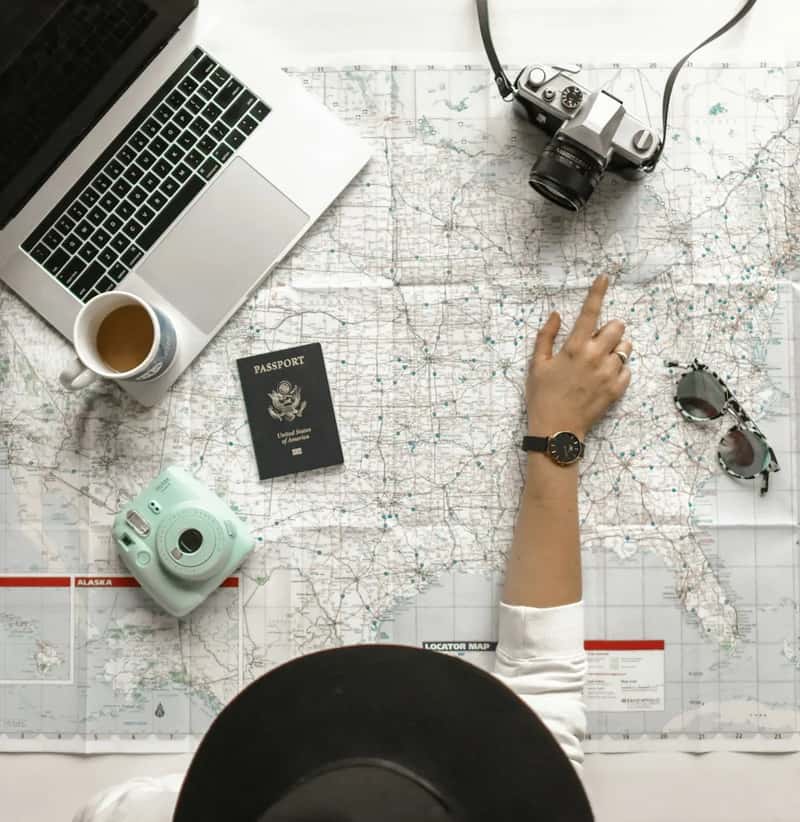
A decade ago, solo travel meant a lot more improvising and a lot more uncertainty. Paper maps, guesswork with local transport, and hoping a restaurant recommendation from a guidebook was still accurate. That version of solo travel barely exists anymore.
Translation apps, GPS navigation, and instant reviews have changed the calculation entirely. Digital technology further facilitates this trend by simplifying trip planning and safety preparations through online platforms, travel apps, and social communities tailored to independent travelers. Booking behavior reflects this shift too, since solo travel bookings through online travel agents and agencies held a share of 53.8% of the solo travel market in 2025 due to their convenience, comprehensive inventory, and seamless digital experience. The friction that used to discourage first-timers has largely been engineered away.
Women over 40 are quietly leading this trend, not Gen Z
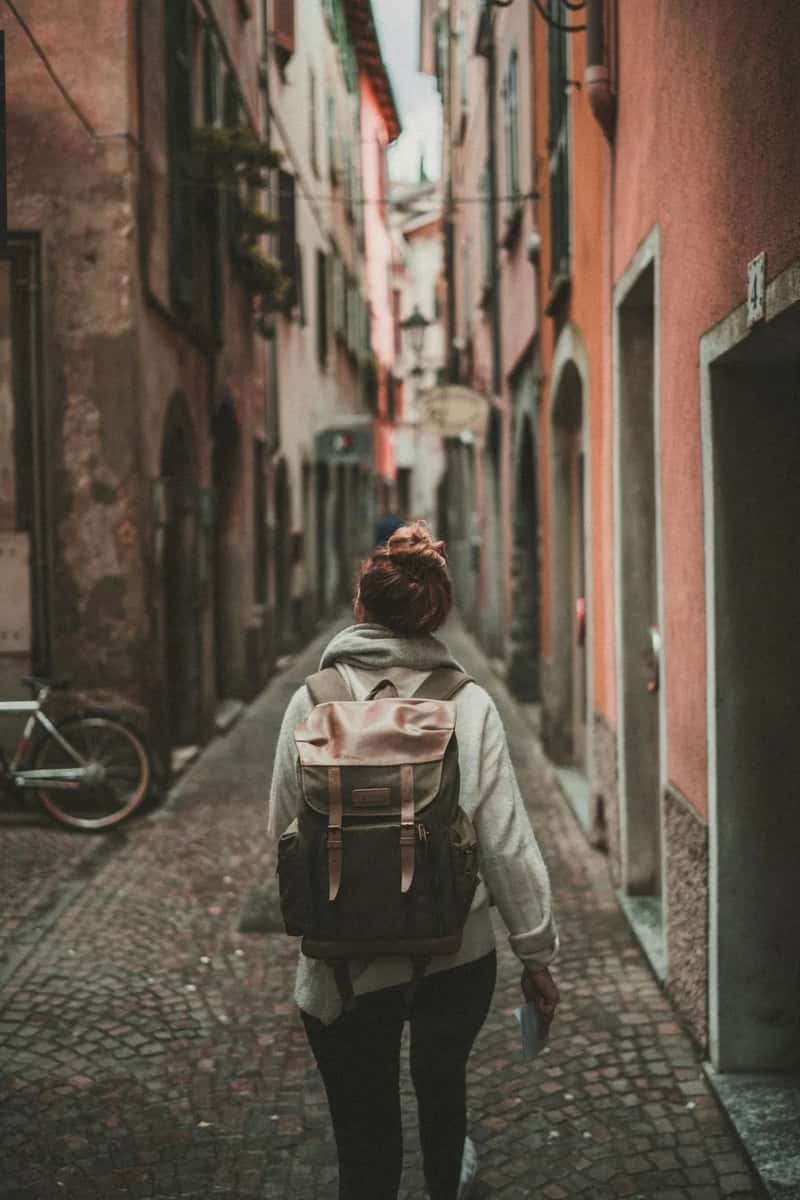
It’s easy to assume solo travel is mostly a younger person’s game, fueled by gap years and social media. The reality in 2026 tells a different story, and it’s a more interesting one. The fastest-growing group isn’t the twenty-somethings posting from hostels, it’s women well into midlife who’ve simply decided waiting for a travel companion isn’t worth it anymore.
This group brings a different set of priorities to their trips. Cultural value and beauty of a destination is most important when choosing a destination for this cohort, rather than novelty or photogenic spots. They’re also more seasoned, with 37% having taken more than 10 solo trips, which explains why their anxiety levels around safety tend to be lower than those of first-timers.
Group solo travel offers a middle ground worth knowing about
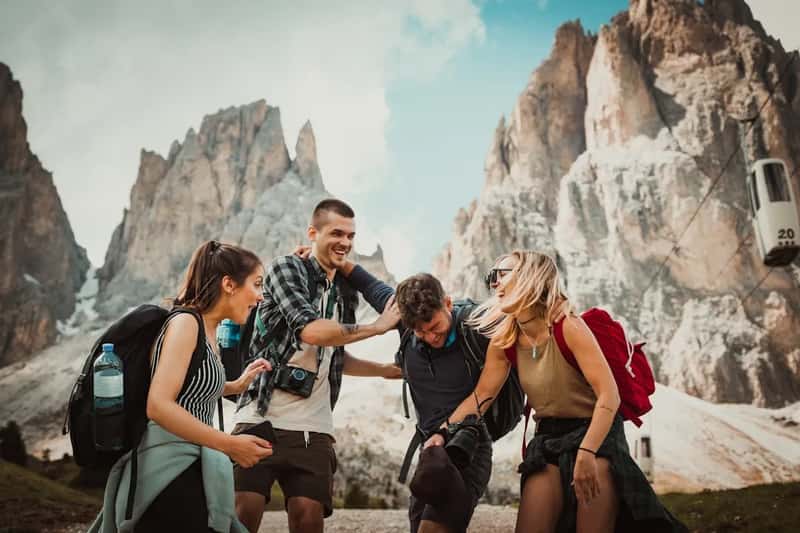
Not every solo traveler wants total isolation, and the industry has responded with an option that splits the difference nicely. It’s called group solo travel, and it lets independent travelers join a small, organized group without giving up the core appeal of going it alone in the first place. You still book as an individual, still make the decision to go without a plus-one, but you’re not necessarily eating dinner by yourself every night unless you choose to.
This format is gaining real traction, especially among people who like the idea of solo travel but want a built-in social layer. Common queries include “solo travel tips” and “female solo travel”, alongside growing interest in “group solo travel,” where independent travelers join small, curated groups to balance freedom with a sense of security and company. It’s a sign that the solo travel boom isn’t just about isolation, it’s about control over how much company you want, and when.
Final thoughts

None of this means solo travel is automatically easy or universally right for everyone. It requires a bit more planning, a bit more self-reliance, and an honest look at your own comfort with unfamiliar situations. But the data from 2026 makes one thing clear: the infrastructure, the safety information, and the sheer number of people already doing it have made this the most accessible moment in years to finally take that trip alone.
What’s changed isn’t really the idea of solo travel itself. It’s the amount of support surrounding it. The maps are better, the reviews are more honest, and there are simply more people out there who’ve already proven it’s worth doing.