There’s a particular kind of traveler who has already done the Louvre, already stood in the two hour line for the Eiffel Tower elevator, and already paid three hundred euros for a hotel room the size of a walk in closet near Saint-Germain-des-Prés. That traveler is now boarding a two hour train from Gare Montparnasse and heading somewhere quieter, somewhere with fewer crowds but just as much wine, food, and architecture worth talking about.
The destination in question sits on the Garonne river, carries its own UNESCO World Heritage designation, and has spent the last decade transforming from a sleepy provincial capital into one of France’s most talked about luxury circuits. It’s called Bordeaux, and the people booking it aren’t backpackers looking for a bargain.
The city that woke up from a long sleep
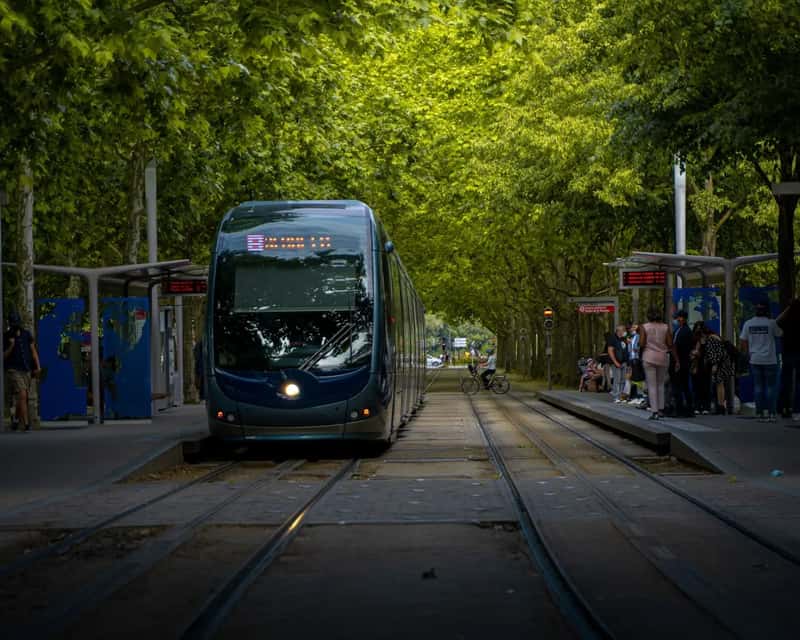
Bordeaux earned a nickname among longtime visitors: the Sleeping Beauty. For much of the twentieth century, centuries of grime coated its limestone facades, and the city felt more industrial than elegant. That changed dramatically after a major restoration effort scrubbed the historic center back to its honey colored stone and introduced a sleek modern tram network.
After many years of hard work, the city is beautifully restored and has an ultra-modern public transport system. The “Port of the Moon” is also now a UNESCO World Heritage Site. The transformation didn’t happen overnight, but by 2026 the results are impossible to miss for anyone walking along the riverfront quays.
A two hour train ride changes everything

One of the biggest reasons Bordeaux has become a viable alternative to Paris rather than just a nice day trip is simple: the train. High speed rail connects Gare Montparnasse directly to Bordeaux in roughly two hours, turning what used to feel like a regional excursion into an easy extension of a Paris trip or a standalone weekend.
Travelers describing their own trips have noted taking the high speed train in Gare Montparnasse for two hours directly to Bordeaux after finishing up time in the capital. The airport side of things has expanded too. Bordeaux Airport’s summer 2026 schedule includes 82 direct destinations, with new routes such as Copenhagen, London, Nice, Palermo and Cagliari.
Provence’s crowds, without the Provence prices
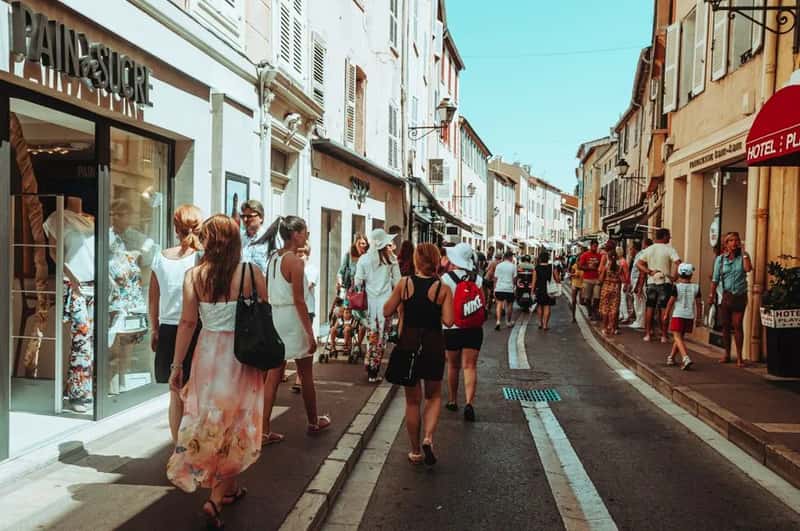
For years, Provence held the title of France’s go-to summer wine escape. Lavender fields, rosé on a terrace, the whole postcard package. But high season has turned parts of Provence into a version of the same overcrowded experience travelers are trying to avoid in Paris.
One travel advisor working with clients booking these trips put it plainly, noting that a certain kind of traveler who has already done Paris and Provence is now looking for what comes next. As one writer summarized it, Provence has lavender fields and rosé-lit villages, but in high summer it quickly turns into crowded streets with everyone chasing the same postcard views. Bordeaux, by comparison, still checks a lot of those boxes without feeling like a compromise, offering the wine culture, the food, and the beauty while still feeling like a discovery rather than a greatest hit.
Michelin stars are piling up fast
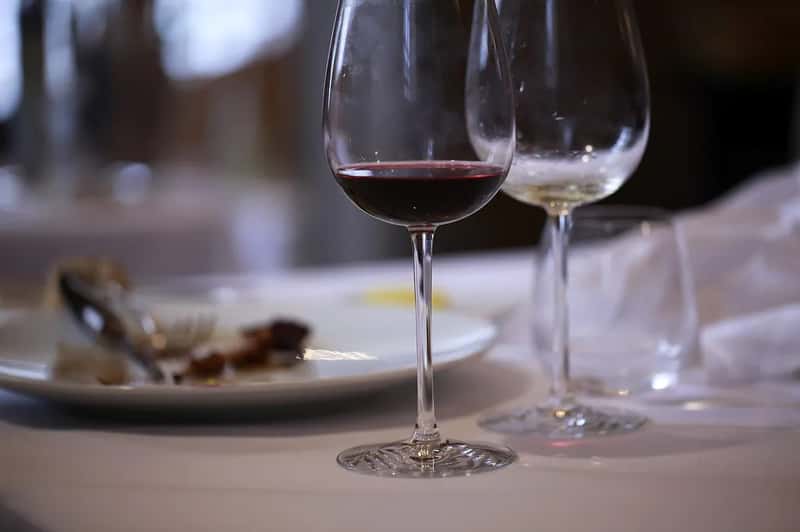
Food is often the deciding factor for travelers with money to spend, and Bordeaux’s culinary scene has quietly become one of the most decorated in France. The 2026 Michelin Guide lists numerous starred restaurants across the city and its surrounding wine villages, a level of concentration that rivals far more famous gastronomic capitals.
New openings keep raising the bar. L’Observatoire du Gabriel on Place de la Bourse now has two Michelin stars, Maison Nouvelle earned its second star in 2025, and Philippe Etchebest’s new Le Classique brings classic French tableside dining to the Saint-Pierre district. Just outside the city in Saint-Émilion, chef Yannick Alléno oversees La Table de Pavie, a two Michelin starred restaurant housed in a former convent that once sheltered pilgrims, and the ambition there is not modest. There is currently no three star restaurant in the entire Gironde department, and insiders at the restaurant have openly said the goal is to be the one that changes that.
Wine tourism built for people who don’t want to rough it
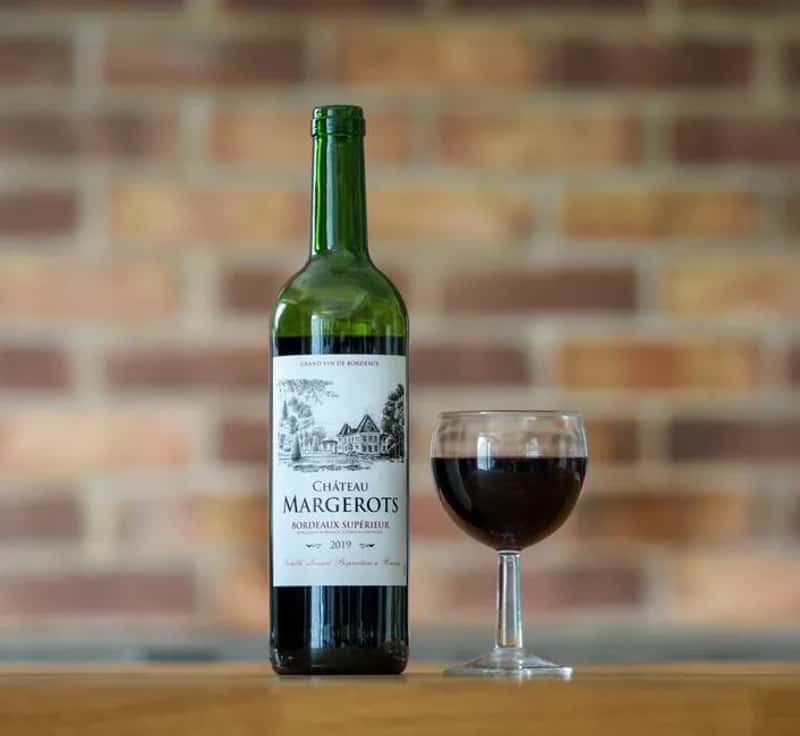
Bordeaux has been synonymous with fine wine for centuries, but the way people experience that wine has changed. It’s no longer just about touring a château and tasting in a barrel room. Entire hotel properties, spas, and dining rooms have been built around the vineyards themselves.
The COMO Cordeillan-Bages reopened this year as a striking example of that shift. The COMO Cordeillan-Bages reopened May 1, 2026 in Pauillac as a 28-room château hotel, created in collaboration with the Cazes family of Château Lynch-Bages. Elsewhere, another historic property has taken things even further. A new French chateau called Château la Commaraine, following a meticulous four-year restoration, is ready to debut as a new luxury benchmark, offering total access to its private vineyard, medieval tower suites and winemaker-led safaris.
Saint-Émilion adds the medieval postcard factor
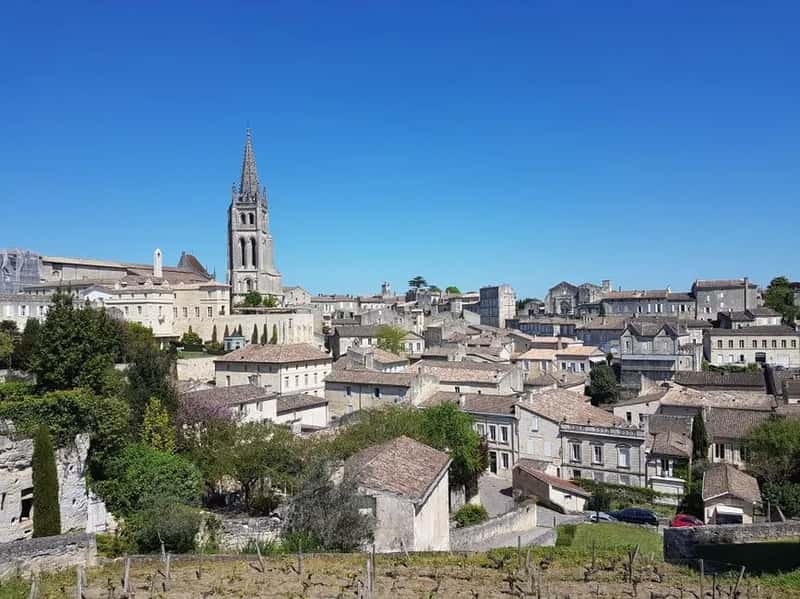
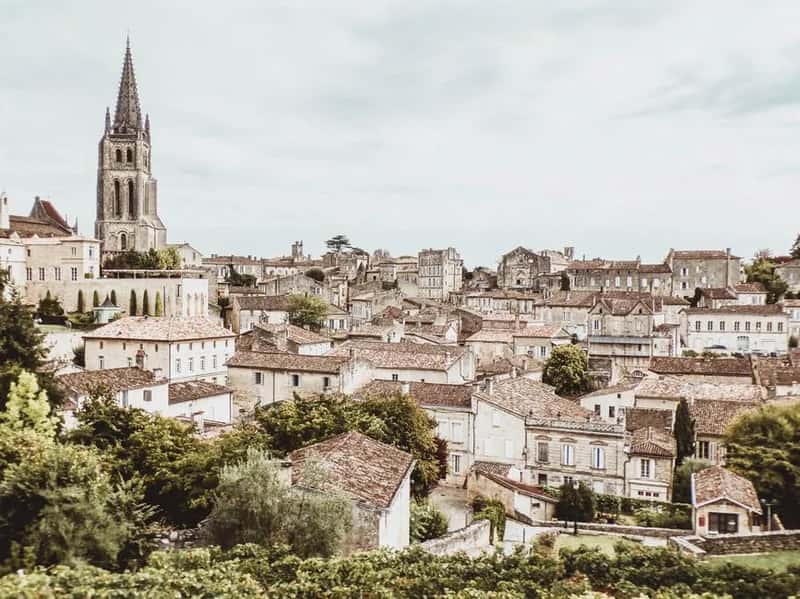
Just thirty minutes outside Bordeaux sits Saint-Émilion, a village that looks almost too picturesque to be real, with a monolithic church carved directly into rock and a UNESCO listed vineyard landscape wrapping around it. It’s the kind of place that gives Bordeaux trips their storybook moment without requiring travelers to leave the region.
The Jurisdiction of Saint-Emilion, including the town and the territory of eight surrounding villages, was listed by UNESCO as a World Heritage Site in 1999 and stretches out over 75 square kilometers around a particularly well-preserved medieval town. Wine lovers can walk from tasting rooms to Michelin starred lunches without ever needing a car, which is a rare convenience in most wine regions around the world.
The coast that Parisians already know about
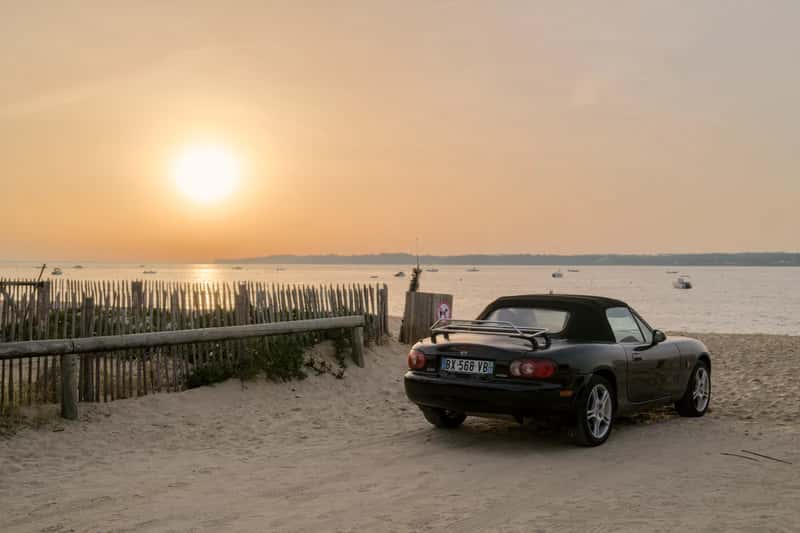
What surprises a lot of first time visitors to Bordeaux is how close the Atlantic coast actually is. Arcachon and Cap Ferret, with their oyster shacks, dunes, and beach clubs, sit less than an hour from the city center, giving travelers a genuine coastal escape without the drive times associated with the French Riviera.
Locals have long used this stretch of coastline the way Parisians use the south of France, minus the inflated summer pricing. Arcachon and Cap Ferret are about an hour west, and the French use them the way Parisians use the South of France, but without the St. Tropez markup, while Provence in summer remains expensive and crowded. That combination of city, vineyard, and coast in one compact region is difficult to replicate anywhere else in France.
Overtourism is pushing travelers away from the obvious choices
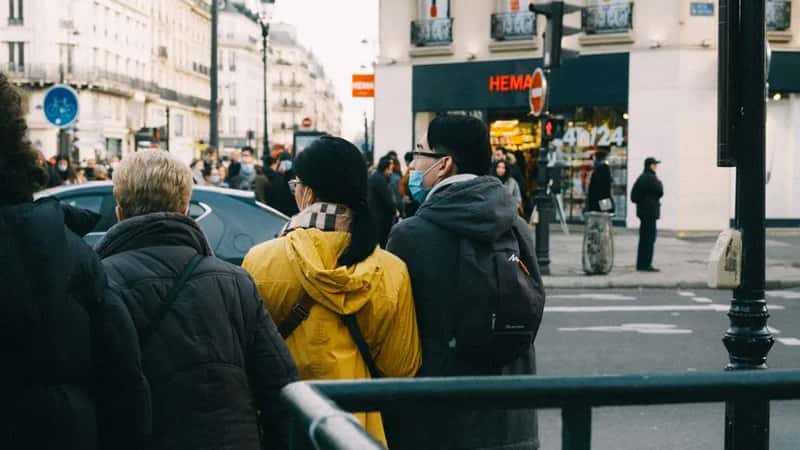
None of this is happening in a vacuum. Across the travel industry, there’s a measurable shift away from the most photographed destinations toward calmer alternatives, and Paris sits squarely in the crosshairs of that trend. Booking.com’s eleventh annual sustainability survey of more than thirty two thousand travelers across thirty five markets found that 43 percent of all travelers now plan to actively avoid overcrowded destinations in 2026, an eleven point jump from the year before.
Costs in the capital have only added to the push. Paris has a reputation for high costs and is known for being one of the most expensive cities in Europe, with an effective daily budget typically requiring an average of nearly two hundred euros per tourist for mid-range, comfortable travel. Advisors serving high spending clients have taken note of the pattern too, with travel networks reporting that off-the-beaten-path destinations are expected to rise among advisors, including the Loire Valley and Bordeaux in France.
Luxury travel itself is changing shape
There’s a broader philosophical shift happening in how wealthy travelers approach a trip, and it favors places like Bordeaux over the traditional trophy cities. Rather than chasing status destinations, a growing number of high end travelers want depth, authenticity, and a sense of discovery rather than a checklist.
Industry researchers have started giving this shift a name. A recent Future Laboratory report describes post-luxe travel as moving beyond material excess, embracing sensory design, resonant rituals, heritage connections and human-centric service, while also redefining value. Bordeaux fits that description almost too neatly, a working wine region with real history rather than a manufactured backdrop, which may be exactly why it’s resonating with a traveler who has already seen the predictable version of French luxury and wants something that feels earned instead of purchased.
Final thoughts
Bordeaux isn’t trying to replace Paris, and it probably never will. What it offers instead is a version of French elegance that moves at a slower pace, tastes better with every course, and doesn’t require standing in line to enjoy it. For travelers who have already collected their Eiffel Tower photo and are looking for the next chapter, that quieter alternative just fifty five minutes away by TGV is proving hard to resist.