Planning a trip to the Sunshine State this spring? You might want to think twice before booking those flights. Florida has long been the go-to destination for spring getaways, with its beaches, theme parks, and warm weather drawing millions of visitors each year. Yet the landscape has shifted dramatically in recent years.
Let’s be real. The Florida vacation you’re imagining might not match the reality waiting for you. From surprising new restrictions to skyrocketing costs and unpredictable weather, there are some serious factors to consider before you pack your bags. Here’s the thing. This isn’t about discouraging all travel. It’s about understanding what you’re getting into so you can make an informed choice.
Beach Towns That Don’t Want You There Anymore
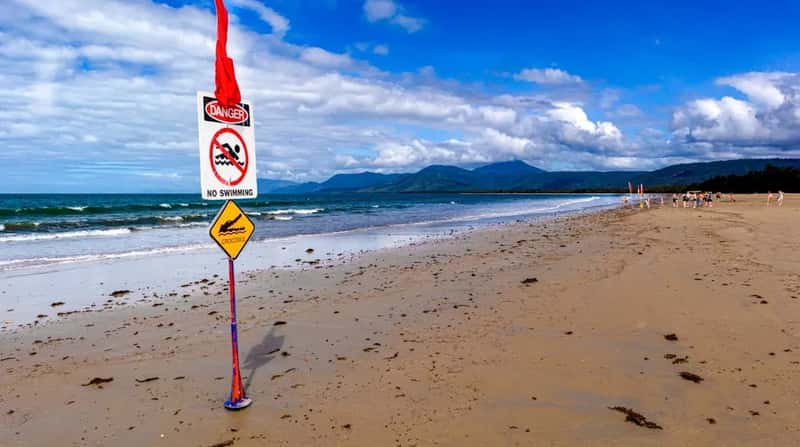
You know those iconic spring break scenes with packed beaches and late-night parties? They’re becoming a thing of the past. Miami Beach Mayor Steven Meiner made it crystal clear at a recent news conference that the city has “broke up with spring break” and they’re not getting back together. Think that’s just tough talk?
Panama City Beach enacted Ordinance 1658, which temporarily closes portions of beaches from March through April between 10 PM and 4 AM. Miami Beach implemented high-impact measures including closure of South Beach parking garages and lots, restricted beach access, DUI and security checkpoints, and the possibility of curfews. An 8:00 p.m. to 5:00 a.m. curfew was put in place for anyone under 18 in Panama City Beach. These aren’t just suggestions. They’re enforced with serious consequences designed to deter the classic party crowd that once flocked to these destinations.
Hurricane Season Predictions Looking Ominous
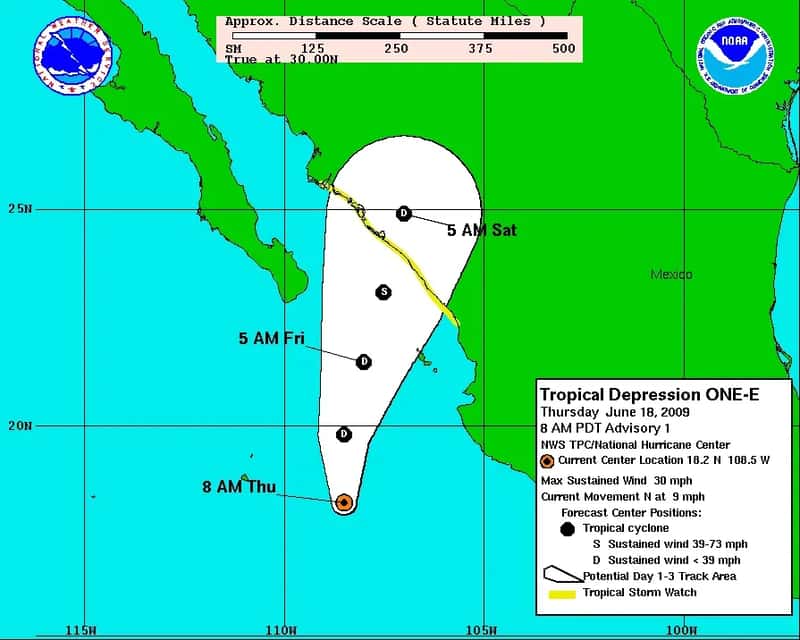
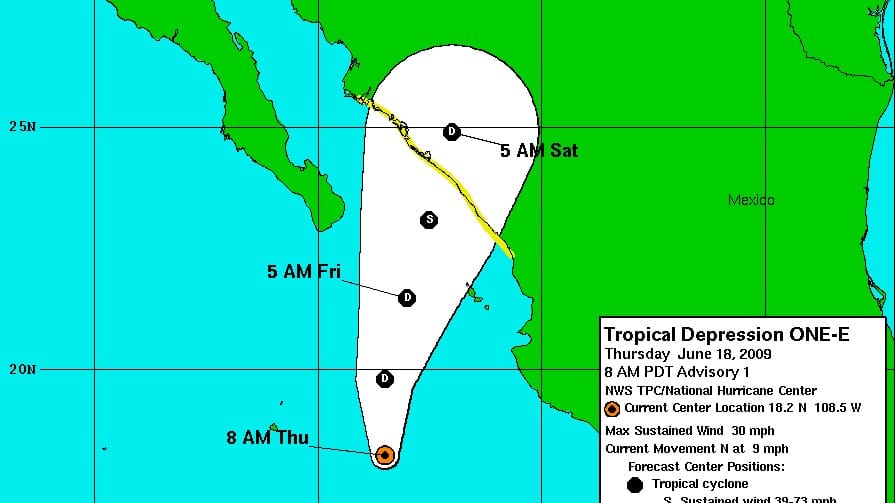
NOAA’s outlook for the 2025 Atlantic hurricane season predicts a 30% chance of a near-normal season, a 60% chance of an above-normal season, and a 10% chance of a below-normal season. Sure, hurricane season officially starts in June. Yet the spring months can see unpredictable tropical systems forming earlier than expected.
NOAA released their forecast calling for an above-average season, expecting 13 to 19 named storms, 6 to 10 hurricanes, and 3 to 5 major hurricanes. Coastal tourism can be disrupted abruptly by severe weather threats even before summer officially arrives. Planning a spring trip means accepting the reality that weather patterns have become increasingly volatile and difficult to predict.
When Record Flooding Shut Down An Entire City
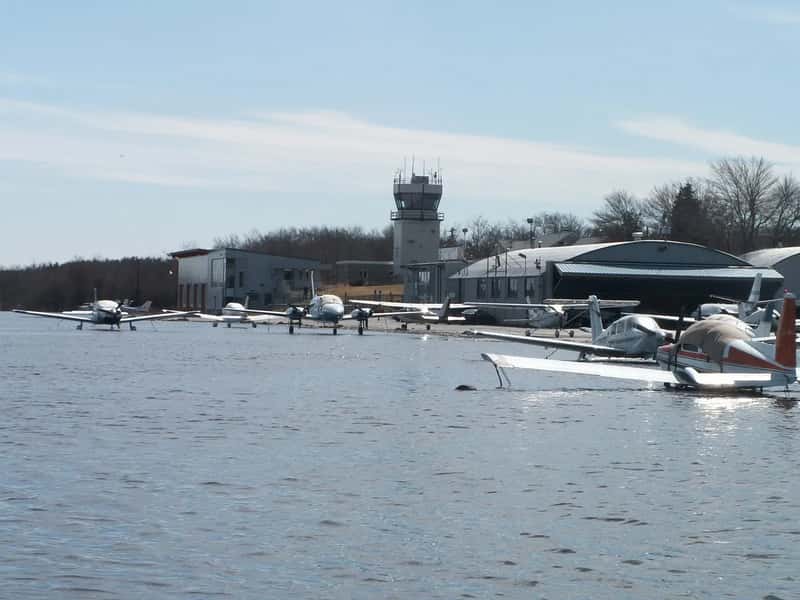
Fort Lauderdale experienced the rainiest day in its history in April 2023, a 1-in-1,000-year rainfall event, with the region recording 25.91 inches in a 24-hour period according to preliminary reports from the National Weather Service. The impact was catastrophic in ways most people couldn’t have imagined.
The Fort Lauderdale airport was closed until at least Friday morning, as the facility coped with flooding and debris from an intense storm that overwhelmed its airfields and nearby roads. Honestly, think about being stranded at an airport with your family, watching your vacation plans evaporate while floodwaters turn streets into rivers. Airlines were forced to cancel more than 650 flights at the Fort Lauderdale airport on Thursday. That’s the kind of travel nightmare that demonstrates how quickly spring weather in Florida can spiral out of control.
Traffic Nightmares on Every Highway
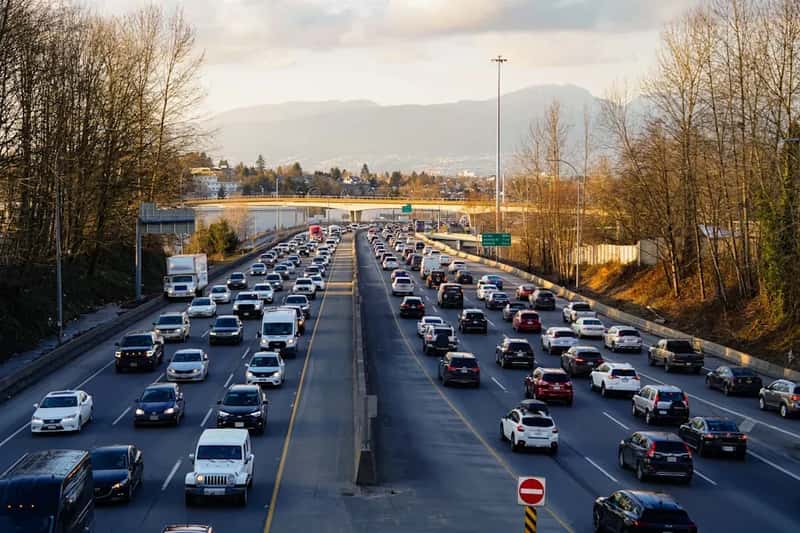
Picture this. You’ve finally arrived in Florida after months of planning. Then you spend hours sitting in gridlock traffic on I-95 surrounded by thousands of other frustrated tourists. Spring break crowds create massive congestion that transforms what should be relaxing travel into an endurance test.
Last year, some residents complained about more traffic congestion as people looked for parking. The astronomical influx of tourists during spring consistently strains local infrastructure. Getting from the airport to your hotel, or from your hotel to the beach, can eat up precious vacation hours. Many travelers cite this congestion as a primary deterrent when they’re deciding whether Florida is worth the hassle during peak season.
Your Travel Insurance Might Not Cover What You Think
Most people assume their travel insurance has them covered for whatever might go wrong. That assumption could cost you thousands. Standard travel insurance policies often exclude certain weather-related disruptions unless you’ve purchased specific add-ons well in advance.
Hurricane-related policies require foresight and extra money upfront. If a tropical storm forms suddenly and disrupts your plans, you might discover too late that your basic policy won’t reimburse cancelled flights or unused hotel reservations. Travelers during the shoulder season between winter and summer face particular vulnerability because they’re caught between thinking it’s too early for storms while also being close enough to hurricane season for systems to develop unexpectedly.
Wildfire Smoke Choking Spring Air Quality
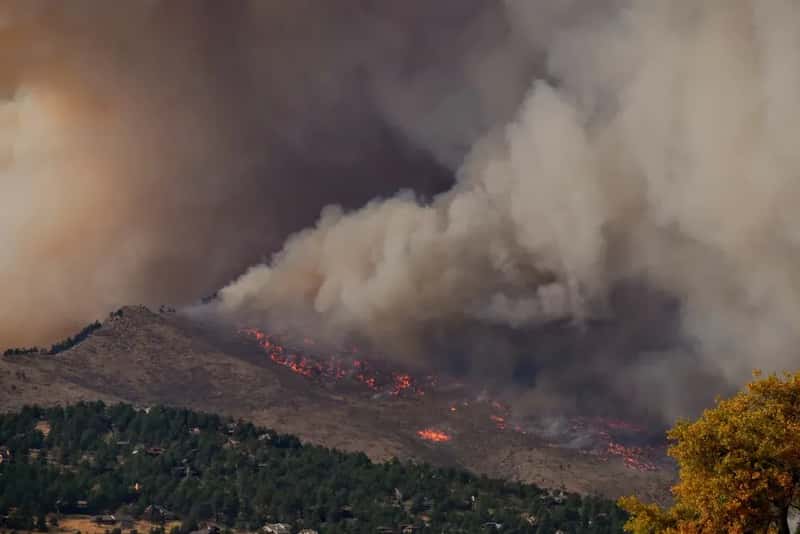
When you think of Florida dangers, wildfires probably aren’t the first thing that comes to mind. Central and northern parts of the state experience significant wildfire risks during spring due to dry conditions and accumulated vegetation. These fires create more than just localized danger.
Smoke from wildfires can drift across large regions, compromising air quality for days or even weeks. If you’re planning outdoor activities like hiking, biking, or simply enjoying the beach, poor air quality can force you indoors or trigger respiratory issues. Kids and older adults are particularly vulnerable. It’s another unpredictable factor that can ruin carefully laid vacation plans without warning.
Local Communities Pushing Back Against Tourism
Officials explained that when you have three, four or 5000 kids in one specific location, it takes a vast amount of resources to ensure everybody’s following the law, and that type of crowd takes officers away from answering other service calls, lengthening 911 response time. This reveals a fundamental tension between tourism revenue and community wellbeing.
Spring Break in Miami Beach has drawn tens of thousands of visitors in recent years, leading to increased concerns about crime, crowd control, and disruptions to residents. Local governments are actively working to shift away from high-impact tourism toward more regulated, family-friendly patterns. What does that mean for you? It means restrictions, enforcement, and a general atmosphere that says “we don’t really want you here right now.” That’s not exactly the welcoming vibe most people seek in a vacation destination.
Enforcement Gets Serious With Real Consequences
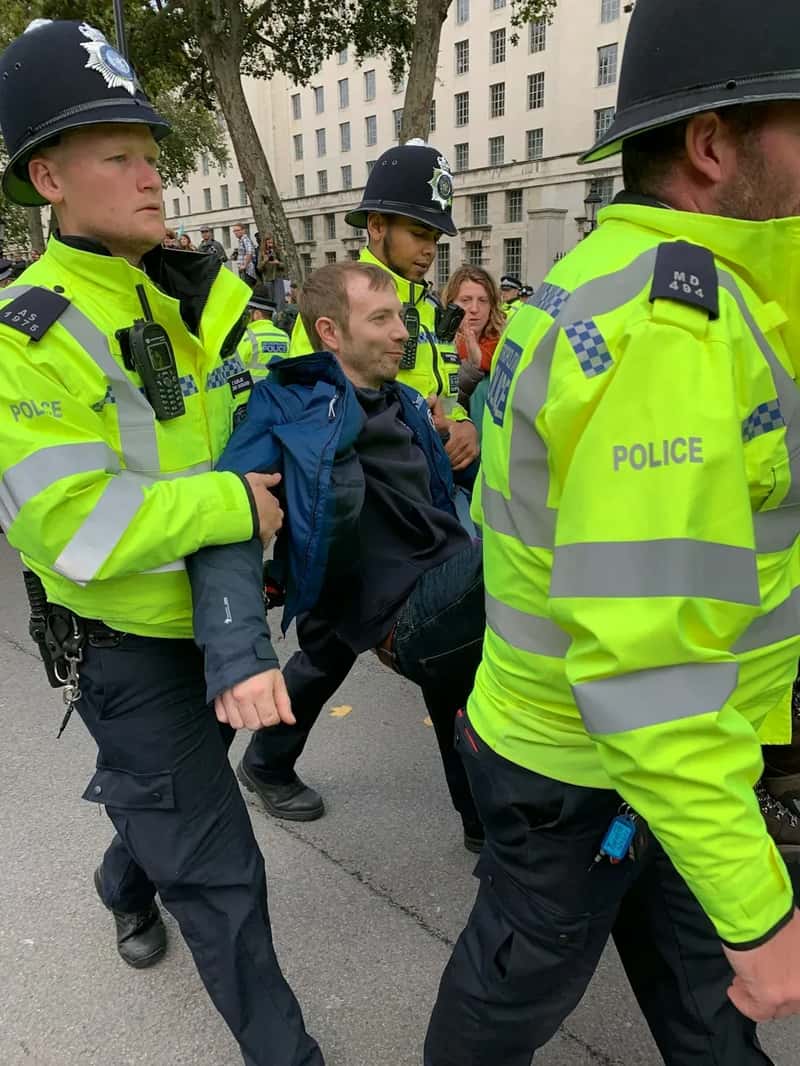
Think you can ignore those new beach curfews or parking restrictions? Think again. Officials launched a social media campaign with a video showing students on spring break finding that their wild vacation doesn’t go according to plan when police bust their public drinking, issue curfews and levy $100 parking tickets. These aren’t empty threats meant to scare tourists.
Throughout March, there will be hundred-dollar parking fees, sobriety checkpoints, curfews and limited sidewalk seating, among a long list of other restrictions. Law enforcement presence has intensified dramatically. Cities have made it abundantly clear they’re willing to arrest visitors who break rules that might have been overlooked in previous years. Your spring break could literally end with a criminal record if you’re not careful about following every regulation.
Florida remains a beautiful state with plenty to offer visitors. Yet the spring vacation experience has fundamentally changed from what many people remember or expect. Between the unwelcoming atmosphere in beach towns, dramatically higher costs, unpredictable severe weather, and increasing restrictions, the dream Florida getaway might be better enjoyed at a different time of year.
If you do decide to go, prepare thoroughly. Research current local ordinances, budget significantly more than you think you’ll need, purchase comprehensive travel insurance with weather coverage, and have backup plans ready. Most importantly, manage your expectations because the Florida spring break of today looks nothing like the one from five or ten years ago.
What’s your take on these changes? Are you reconsidering your Florida plans, or do the beaches and sunshine still outweigh the downsides? The choice is yours, but now you know what you’re really signing up for.