Picking up the keys to a rental car in a foreign country feels like freedom. The open road, a new landscape, no schedule to keep. But that moment at the counter, when a stack of paperwork gets slid across the desk and a pen is handed to you, is where many travelers unknowingly sign away hundreds, sometimes thousands, of dollars. The rental car agreement abroad is one of the most underestimated legal documents an average traveler will ever sign, and the traps buried inside it are entirely lawful.
The Fine Print That Voids Your Insurance Before You Even Start the Engine

When you rent a car in the US, your personal car insurance with collision and comprehensive coverage typically carries over to your rental. When driving abroad, however, your own insurance is unlikely to cover you. That shift in coverage is something rental companies are rarely eager to explain clearly. Baseline rates for European rentals nearly always include liability coverage for accident-related damage to anyone or anything outside the car. What they don’t always highlight is how little else is covered by default.
The most important practical point is that a waiver is not a blanket promise that you pay nothing. It is still subject to conditions and exclusions. Common exclusions include driving on unpaved roads where prohibited, using the wrong fuel, leaving keys in the car, unauthorised drivers, driving under the influence, or breaching geographic restrictions. If an exclusion applies, the rental company may pursue the full cost of repairs and associated fees, even if you purchased CDW or LDW. Many travelers discover this only after an incident, when it is far too late to negotiate.
The CDW Excess Trap: How a “Covered” Policy Can Still Cost You Thousands

Your booking almost always includes CDW and theft protection at a legally required minimum, which reduce your liability to an excess. The excess is often €1,200 to €2,000 on compact cars and €2,500 to €3,000 on SUVs. That is the amount you remain personally liable for even after the waiver kicks in. The excess becomes the fear lever. The clerk waves it like a bat and offers “super cover” to reduce excess to zero, but what they do not say first is that the basic CDW excludes glass, tires, roof, underbody, keys, and interior.
In a documented real-world case, a traveler was charged for car rental insurance even though she declined the coverage. On a rental with Enterprise in France, an extra charge of more than €210 appeared for various insurance protections, even though the driver had explicitly declined all of those when picking up the car in Marseille. Companies like Hertz offer options such as a Loss Damage Waiver (LDW) and a Partial Damage Waiver (PDW), while others like Alamo include a Collision Damage Waiver (CDW) in their rental car price and offer additional coverage as add-ons. The layering of these products is deliberately complex.
Undisclosed Damage Claims: The Charge That Arrives Weeks After You Land Home
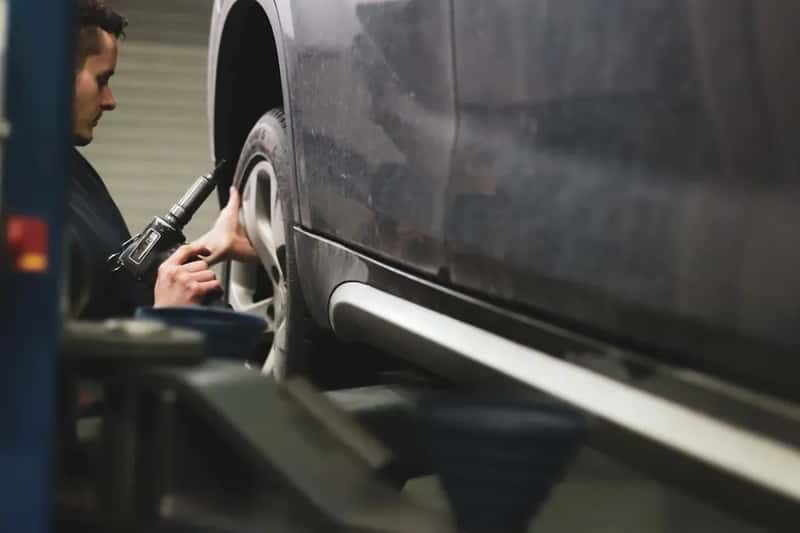
Rental car contracts frequently contain loopholes that allow companies to charge for undocumented damage. It is therefore essential to thoroughly inspect the vehicle before starting your journey and make sure the rental agreement accurately describes its existing condition. The problem is that inspections at pickup are often rushed, done in poor light, or skipped entirely by an overwhelmed desk agent. A 2024 Opinium survey found that one in four hire car drivers found damage on a hire car not highlighted on the checkout sheet, and 16% had charges added to their bill which they weren’t expecting.
Yet only half of renters take photos at pick-up and return, and fewer than one in five take a video. That is a staggering protection gap. Real cases illustrate what can go wrong – one driver who rented from SIXT in Germany in October 2024 noticed several pre-existing damages at pickup under poor lighting, immediately reported them via the app and by email with photo evidence. More than 11 hours after he returned the vehicle, SIXT conducted an inspection and later claimed a new scratch had appeared. Three months later, a vague SMS arrived from an unknown number demanding payment.
Cross-Border Clauses: The Contractual Trap Hidden in a Single Sentence
If you plan to cross a national border while driving a rental car, you’ll likely incur a cross-border fee, which covers additional insurance costs and taxes. This fee varies widely depending on the car company and the border you plan to cross. In general, you can expect to pay between EUR 20 and EUR 50 per rental. That number, however, can multiply quickly. Alamo, for instance, charges EUR 20 per rental for crossing borders within the EU and EUR 50 for crossing between non-EU countries. If you plan on visiting both EU and non-EU countries during your rental period, you will have to pay both fees, totaling EUR 70.
If you don’t receive permission from the car company to cross borders in your rental car, you’ll breach your contract and forfeit your insurance. You’ll also be subject to additional fees, including a potential fine for failing to declare that you drove your rental car abroad. Rental companies are generally flexible when it comes to travel within the European Union, but travel outside the EU requires prior written approval from the rental company when booking or picking up the car. This approval clause is often buried deep in the agreement, completely invisible to a hurried traveler.
Fuel Policies and Security Deposits: The Quiet Cash Drain

If you return a rental car with less fuel than what was in the tank when you picked it up, you’ll be charged a fueling fee. Some rental car companies also block a fuel deposit on your credit card to cover any fuel-related issues. A common option is the full-to-full policy, in which you can return the car with the same fuel level as you got it. The deposit is held on your credit card and refunded if you refill the tank. The catch is that refueling charges at rental company rates are often far above the local pump price.
There have been numerous reports of discrepancies regarding fuel charges. Even if you return the car with a full tank, insisting on a final inspection by a company representative and obtaining written confirmation of the fuel level is strongly advised. Beyond fuel, the security deposit itself can be a shock. One of the most common traveler questions is: “If I bought full insurance, why is there still a deposit?” The answer is that third-party and credit-card insurance protect you, not the rental company. A deposit protects the rental company from issues unrelated to insurance, such as fuel discrepancies, key replacement, cleaning costs, fines, or contract violations.
Young Driver Surcharges and the Age-Based Legal Fine Print

Drivers both under and over a certain age are normally subject to an additional fee when hiring a vehicle. The reason is that insurance companies charge more for drivers in these age groups, and the cost is passed on to the customer in the form of a surcharge. The ranges are inconsistent and the thresholds vary. The age limits that determine whether a younger driver will pay the fee tend to vary from company to company. Some car rental providers may charge this fee to drivers under the age of 26, while others might reduce the age limit to 19.
Example figures published by brands show daily surcharges that can reach over US$60 for 18 to 20 year olds and around US$25 to US$35 per day for 21 to 24 year olds. Elsewhere, a typical young driver fee for 21 to 24 year olds sits closer to US$20 to US$30 per day, but it still adds up quickly on longer trips. Young driver surcharges are normally added on top of the base daily rate, taxes, and airport fees. Some brands do not allow drivers under 25 to cross borders into Canada or Mexico, some restrict towing, and others limit certain premium models to older drivers only. These age-based restrictions sit inside the fine print and are rarely volunteered at the counter – especially when you are already standing there with your luggage and a flight to catch.