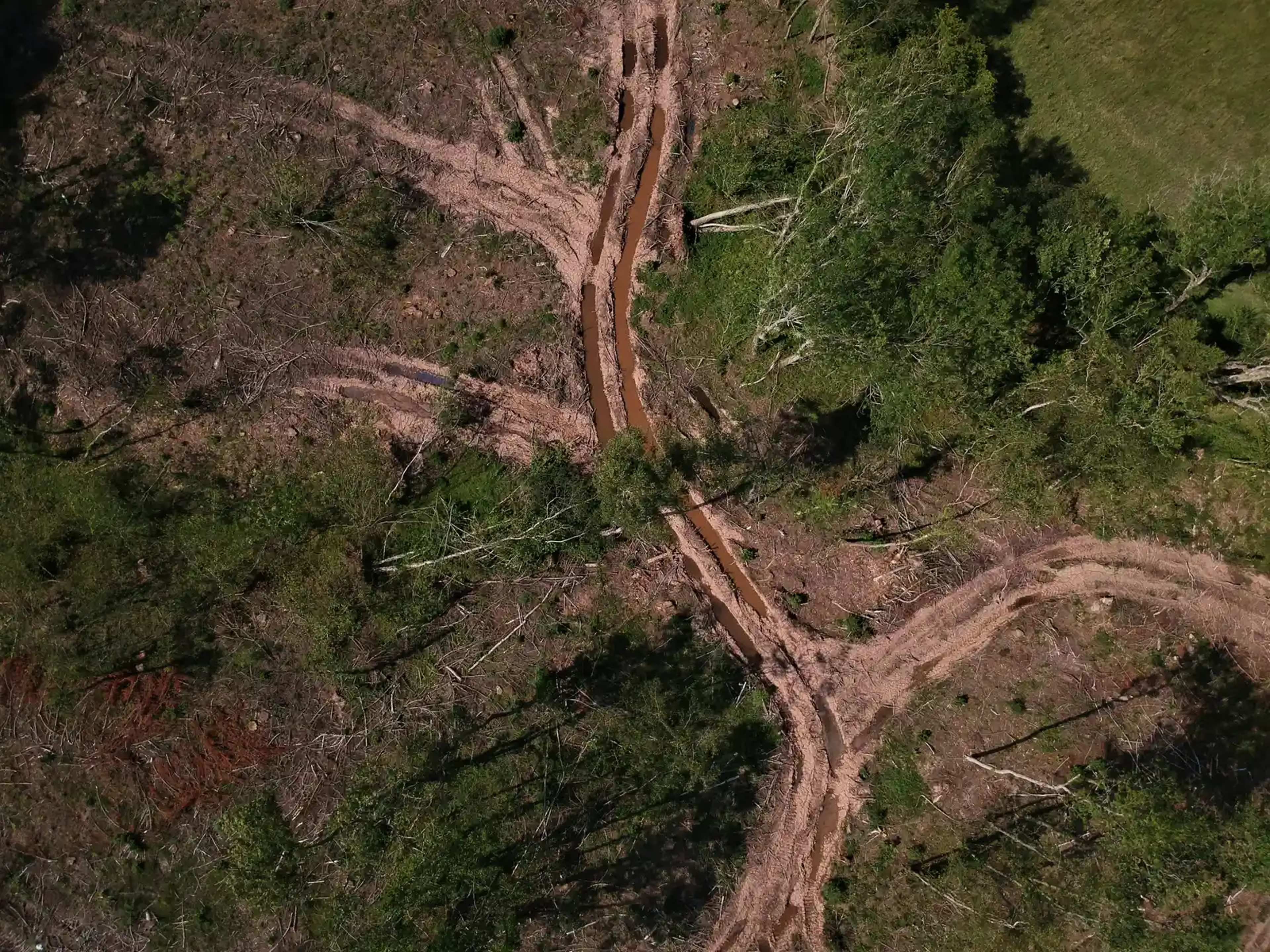
Wildfires have become a recurring summer challenge across parts of southern Europe, affecting popular destinations that draw millions of visitors each year. Travelers planning trips to Athens, Lisbon, Sardinia, Bordeaux, and Madrid now face added uncertainty as fire risks rise during peak season. This situation has prompted many to explore alternative locations that offer similar appeal with lower exposure to disruptions.
Why These Destinations Face Heightened Concerns
Athens and surrounding areas in Greece have seen repeated wildfire activity in recent summers, sometimes leading to temporary travel restrictions or air quality issues. Lisbon and other parts of Portugal experience similar pressures during dry periods, with fires occasionally impacting rural and coastal zones popular with tourists. Sardinia, a favorite for its beaches, has also dealt with seasonal blazes that can affect access and safety. Bordeaux in France and Madrid in Spain round out the list of spots where wildfire proximity has influenced visitor decisions. These locations remain attractive for their culture, food, and scenery, yet the pattern of summer fires has introduced practical considerations for those booking flights and accommodations.
Impact on Summer Travel Planning
For American travelers, the timing matters because many finalize European itineraries months in advance. Disruptions from fires can include flight delays, road closures, or last-minute changes to outdoor activities. The result is a growing interest in destinations that provide comparable experiences without the same level of seasonal risk. Travel advisors note that flexibility has become essential. Some visitors are shifting dates or choosing regions with stronger fire management records to protect their plans. This shift reflects broader awareness of climate-related factors affecting traditional hotspots.
Considering Fire-Safe Alternatives
The search for swaps focuses on European spots that maintain strong summer appeal while showing lower wildfire incidence. Options often include northern or central areas with milder conditions and robust prevention measures. These alternatives can deliver cultural depth, scenic variety, and reliable access during the same travel window. Travelers weighing options typically compare factors such as weather stability, infrastructure resilience, and proximity to major airports. The goal remains a rewarding trip that avoids the complications seen in higher-risk zones.
Practical Steps for Booking
Reviewing current travel advisories and local conditions forms a useful first step before finalizing reservations. Many travelers also look at insurance policies that cover weather-related cancellations. Monitoring updates from official sources helps keep plans adaptable as the season progresses. Ultimately, the emphasis stays on informed choices that balance desired experiences with current realities. Europe continues to offer diverse summer destinations, and awareness of fire patterns supports smoother travel for those willing to adjust their original selections.