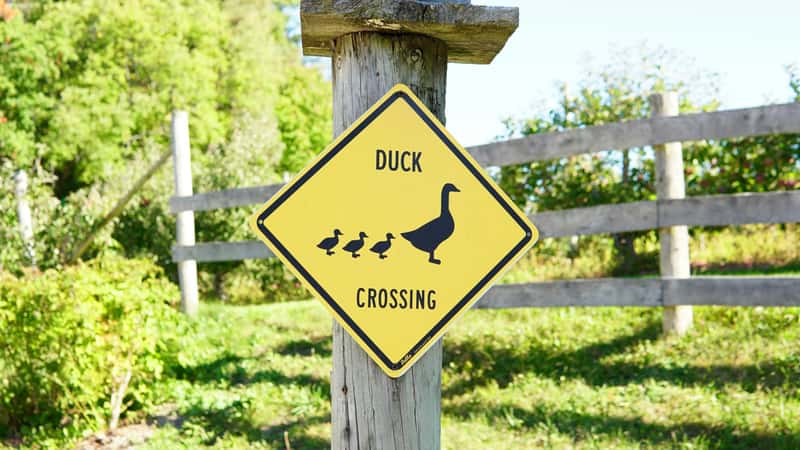
The growing global popularity of wildlife crossings – Image for illustrative purposes only (Image credits: Unsplash)
Highway networks have long sliced through natural landscapes, isolating animal populations and raising collision risks. In recent years that pattern has begun to shift as governments invest in dedicated structures that let wildlife move safely over or under busy roads. The change reflects both stronger scientific proof of effectiveness and broad political backing that crosses traditional divides.
Evidence Builds for a Practical Solution
Researchers have tracked wildlife use of crossing structures for decades. Data collected through 2026 now shows consistent results across species and regions. Animals from small mammals to large predators regularly adopt these passages, which in turn lowers vehicle strikes and supports healthier gene flow between groups.
Earlier doubts about whether the structures actually worked have largely faded. Officials and planners cite the accumulated studies as a key reason for expanded funding. The structures deliver measurable safety gains for drivers while addressing habitat fragmentation that roads create.
US Policy Moves Toward Permanence
A bill now before Congress would convert the existing Wildlife Crossings Pilot Program into a standing federal effort. Supporters point to strong public backing shown in recent surveys, where most Americans favor the approach. The measure enjoys unusual bipartisan interest because it combines infrastructure spending with conservation outcomes.
States have already used pilot funds to plan and build crossings in several regions. If the program becomes permanent, project timelines could shorten and more locations could receive support. Stakeholders ranging from transportation departments to wildlife agencies stand to benefit from clearer long-term rules and dedicated resources.
Notable Projects Signal Wider Adoption
One prominent example is the Wallis Annenberg Wildlife Crossing in California, a large overpass designed to reconnect habitat for mountain lions and other species. Similar structures appear in other parts of North America as well as in Europe and South America. Each project adapts to local terrain and target animals while following the same basic principle of safe passage.
Highway overpasses in particular draw attention because drivers can see them in use. Observers have described these visible spans as clear reminders of shared landscapes. The visual impact helps build public awareness during routine travel.
Global Momentum and Shared Benefits
Interest has grown steadily outside the United States as well. European countries have maintained crossing networks for years, while newer efforts in South America address expanding road systems. The common thread is recognition that roads need not remain permanent barriers.
Travelers on major routes may pass near or over these structures without realizing their purpose. The growing number of crossings turns ordinary drives into opportunities to notice how infrastructure can accommodate both people and wildlife. Continued construction suggests the trend will remain visible on future road trips.