With the right mindset, even the busiest airport can feel more predictable. Travel psychologists say the biggest time-saver isn’t luck. It’s how you think before you even arrive. By pre-planning small decisions like digital check-in, baggage setup, and queue strategy, you reduce the mental load that makes waiting feel longer than it is. Research also shows that proactive decision-making helps travelers stay calmer and move more efficiently through each step.
Airport specialists back this up: most travelers misjudge line efficiency, choosing the shortest queue instead of the fastest-moving one. Modern tools like real-time wait-time apps, virtual queues, and live security updates give passengers far better data – if they actually use them. Adopting a mindset that treats the airport as a system you can navigate, not endure, can save far more time than people expect.
The airport mindset shift that quietly changes everything
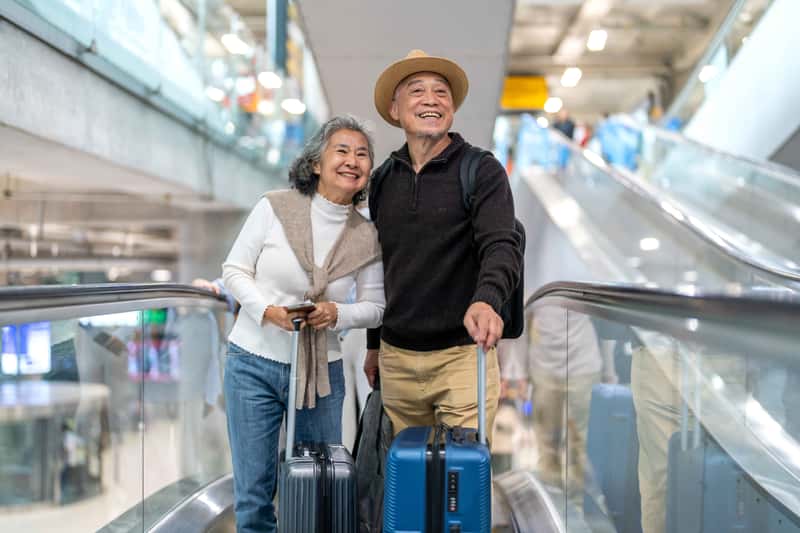
Most people walk into an airport like they walk into a mall: wandering, reacting, and hoping it all works out. That mindset is exactly why they end up rushing at the gate, stressed in security, and convinced airports are always chaotic. The surprising truth is that airports are actually highly predictable systems once you understand how they work and how people behave inside them.
When you stop thinking like a passenger and start thinking like a strategist, the whole place feels different. You stop asking where the time went and start deciding where your time goes.
I remember the first time I consciously tested this: same airport, same flight, same time of day as a previous trip, but a totally different mental approach. I pre-decided my steps, used data instead of vibes, and treated every line like a tiny optimization problem. I arrived at the gate with almost an hour to spare and felt like I had hacked the building, even though nothing outside me had changed. The airport did what it always does; I just showed up with a different brain.
Travel psychology: your brain is wired to waste time at airports
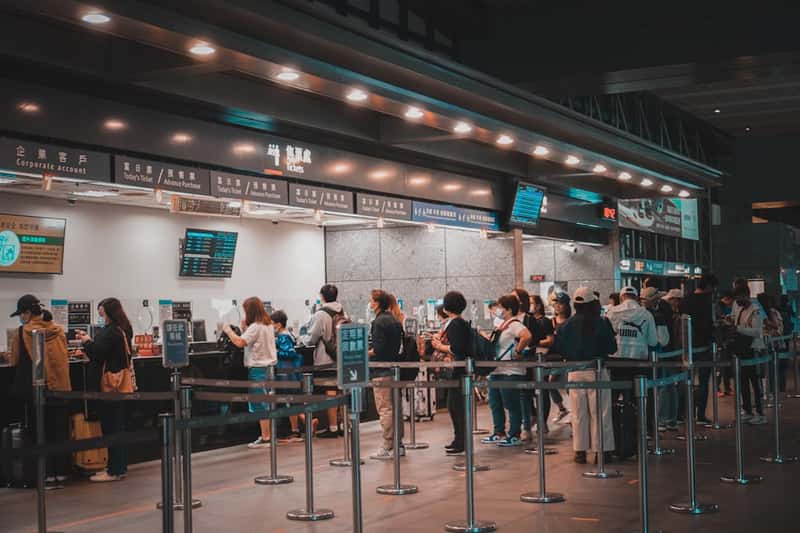
Airports are a perfect playground for all the mental shortcuts your brain uses to save energy, and that is exactly why they cost you time. In a noisy, crowded environment, you naturally copy what everyone else is doing instead of thinking it through, a behavior psychologists call social proof. That is why you see one long security line snaking forever while two shorter ones just a few meters away stay half empty. Your brain assumes the crowd must know something you do not.
On top of that, time feels distorted when you are anxious or on a deadline, so ten minutes in a security line can feel like half an hour. People overestimate how long they have already waited and underestimate how long the rest will take, which makes them jump lines, re-pack bags, and make impulsive choices that slow them down even more.
The result is a loop: stress leads to worse decisions, which leads to more stress. The mindset shift is to treat the airport as a series of predictable decisions you can prepare for, not a random storm you have to suffer through.
Pre-planning: the most underrated “time-saving device” you own

Pre-planning sounds boring, but in airport terms, it is basically extra time you create out of thin air before you even leave home. When you decide in advance how you will get to the airport, which terminal your airline uses, and what time you will physically stand at the security entrance, you remove dozens of tiny on-the-spot decisions later.
That frees up mental energy to notice faster lines, better signs, and clearer routes once you are inside. The person who planned yesterday moves faster than the person who is thinking for the first time today.
Simple things have an outsized impact: checking your terminal and gate in the airline app before leaving, saving a screenshot of your boarding pass so you are not hunting for Wi‑Fi, and packing your liquids and electronics so they are instantly accessible. It is like laying out your running shoes the night before a workout; you are making it harder for your future self to get stuck.
The more friction you remove from routine tasks, the more time you get back where it actually matters: clearing security and reaching your gate calmly.
Mental shortcuts: when to trust your gut and when to ignore it
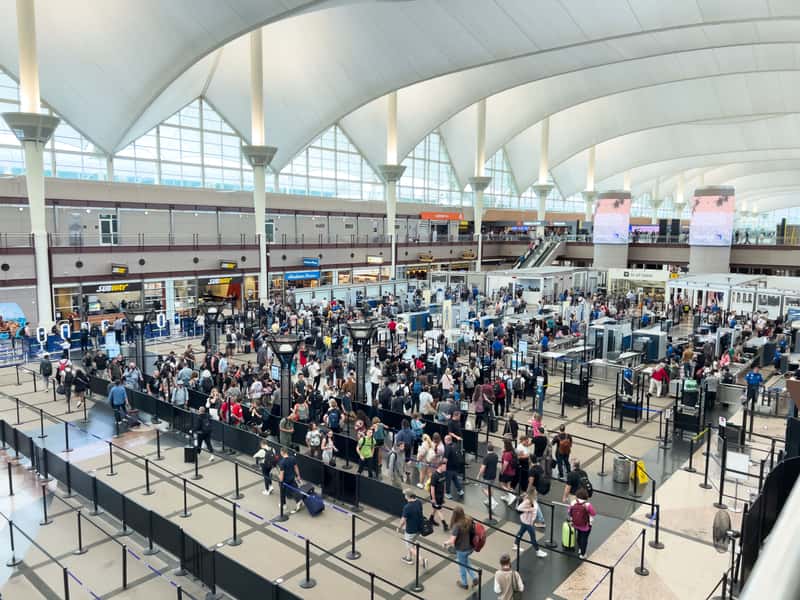
Your brain loves shortcuts like “long line equals long wait” or “families will always be slow,” but at airports, these rules of thumb can be wildly wrong. A slightly longer line staffed by a very efficient screener can move faster than a shorter one where the officer is dealing with repeated issues. A line full of frequent flyers with small backpacks can often move quickly than a short line with one unprepared group trying to reorganize three suitcases and a stroller. Your instincts are based on what looks busy, not on what actually flows.
A smarter mindset is to treat each decision as a small data problem. Look at how quickly people are actually moving through the scanner, count how many trays are waiting, and watch whether agents are waving people through or constantly stopping them.
If one lane has nearly everyone re-scanning bags, that is a red flag, no matter how short the visible queue is. Gut feelings are useful for spotting red flags, but you need a second step: pausing for ten seconds to watch real movement before you commit to a line.
What most travelers misjudge about security lines
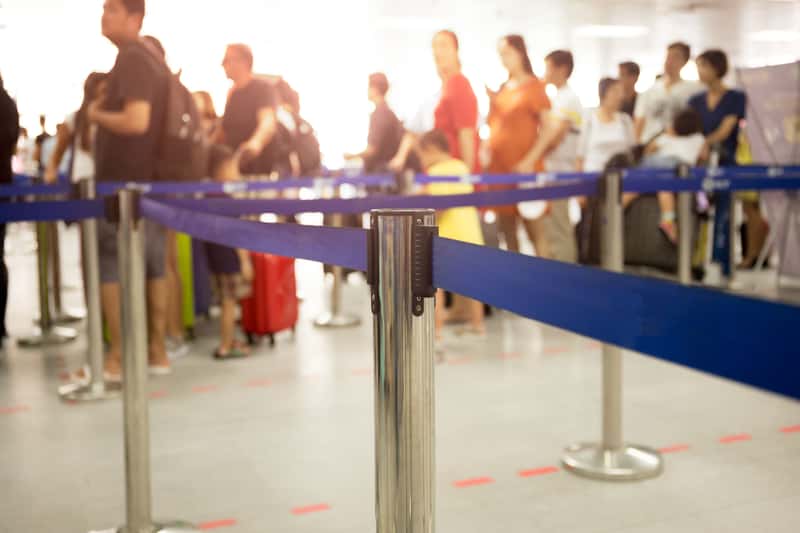
Most people obsess over how long the line looks and completely ignore how complex the screening rules are for the people in that line. A group with multiple checked bags, big coats, and no idea about liquids will clog a lane more than an entire row of solo travelers with one backpack each.
Travelers also forget that every extra question, secondary check, and re-scan multiplies the delay behind it. That means one confused passenger can cost everyone behind them more time than five prepared passengers combined.
Another big misjudgment is assuming the general security line is always slower than TSA PreCheck or other priority lanes. In many U.S. airports, during less busy times of the day, the regular lines can move just as fast or even faster than priority lanes that get briefly overloaded.
People also underestimate how much time they themselves add by unpacking at the belt instead of prepping in line. This is the mental shift: you are not just waiting in a line, you are a moving piece of a system, and how you behave changes the speed of everyone around you.
Airport experts on how they move through terminals differently
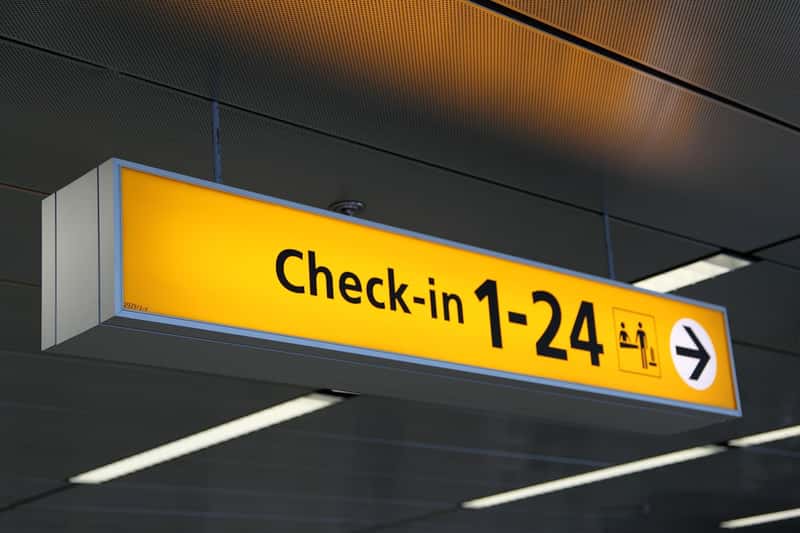
People who work in and around airports every day tend to view them more like factories than like travel experiences. Their mindset is that every step is part of a flow: curb, check-in, security, airside, gate, boarding. They notice choke points like cramped escalators, narrow corridors, and poorly marked checkpoints, and they plan routes that avoid these whenever possible. Many frequent travelers deliberately walk a little farther to a less obvious checkpoint if it means skipping the crowd funneling into the first one they see.
Experts also emphasize arriving informed rather than just early. They check security wait times, confirm runway or weather issues that could affect boarding, and study airport maps to know alternate routes between terminals or checkpoints. Instead of reacting to each surprise announcement or change, they already have a plan B in mind. The key difference is not magic status or secret access; it is a calm, data-driven approach that turns the airport from a maze into a map they already understand.
Why your definition of “early” is probably wrong
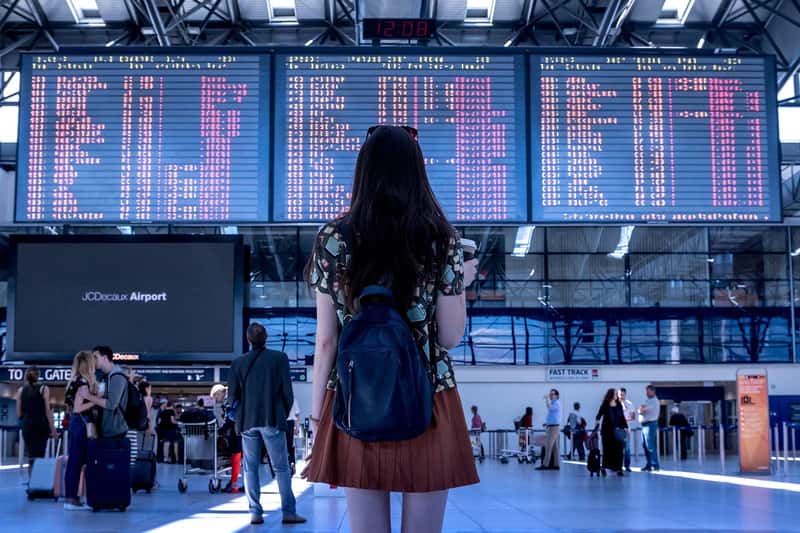
Many airlines suggest arriving about two hours before domestic flights and around three hours for international ones, and a lot of travelers treat those numbers like laws. In reality, what matters most is not the raw time before departure but the time before boarding, plus the specific conditions of your airport, day, and time slot.
Morning bank of departures, holiday peaks, and Mondays can compress thousands of people into similar departure windows, creating much longer queues than a quiet mid‑afternoon on a weekday. The same “two hours early” can either feel generous or dangerously tight depending on when you go.
A smarter mindset is to work backward from boarding time, not departure time, and then add a personal buffer that fits your risk tolerance. If your flight boards forty-five minutes before departure and you know your airport often has longer security lines, you might aim to be past security at least an hour before that.
That way, any unexpected delay is absorbed before you reach the gate, not while you are trapped at the ID chec,k wondering if you will miss the flight. This mental framing turns “two hours” from a vague rule into a customized safety margin.
Using data, not vibes: real-time wait-time tools and apps
One of the biggest missed opportunities today is that many airports and governments publish real-time security wait estimates, but most travelers still operate on guesswork. In the United States, the Transportation Security Administration offers an app and web tools that show typical busy times and current conditions at many airports.
Some airport websites and mobile apps display estimated waits by checkpoint, and in a few places even show which checkpoints are closed or temporarily congested. Airline apps increasingly integrate push alerts for heavy security lines or unusually slow processing times.
There are also third‑party tools and crowd-sourced platforms that estimate wait times based on user reports and historical patterns. While these are not perfect, they are often more accurate than standing in your kitchen trying to remember whether last Tuesday was busy or not.
The mindset shift here is simple: treat wait-time data like you would weather or traffic info. You would not leave for a long drive without checking a navigation app; checking real-time airport congestion is the same idea, just for people instead of cars.
Strategic route choices inside the terminal
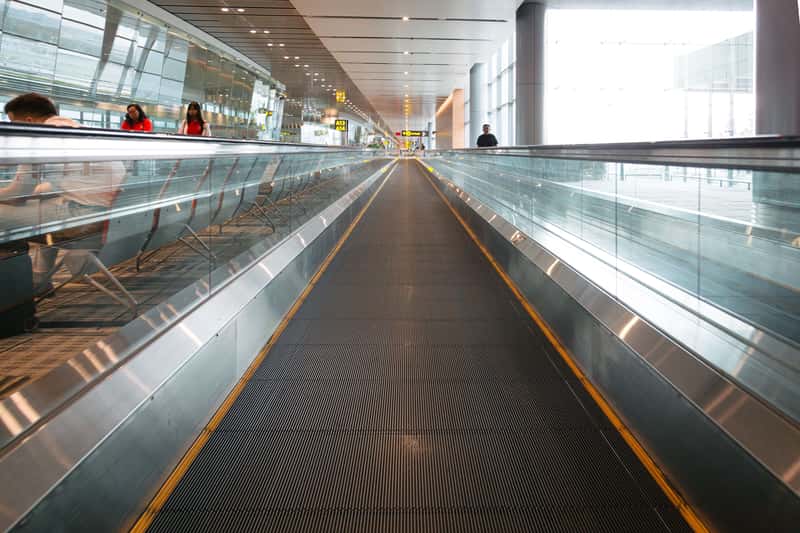
Once you are inside the terminal, time savings often come down to whether you follow the crowd or quietly peel off to smarter paths. Many airports have multiple security checkpoints feeding into the same airside area, but nearly everyone queues up at the first one they see after check‑in.
If your airport’s map or app shows an alternate checkpoint a short walk away, choosing that one can save you a shocking amount of time. It can feel odd to walk away from a line you could technically join, but that small discomfort is usually rewarded at the next checkpoint.
After security, experienced travelers avoid walking in the densest streams whenever they can, choosing side corridors, upper walkways, or parallel routes instead of staying in slow-moving clumps of people.
They also avoid bottlenecks like the first bathrooms after security or the first coffee stand everyone sees. Think of yourself as water finding the easiest path downhill. Your goal is smooth flow, not constant stopping and starting, where everyone else automatically piles up.
The small bag habits that save you minutes at every checkpoint
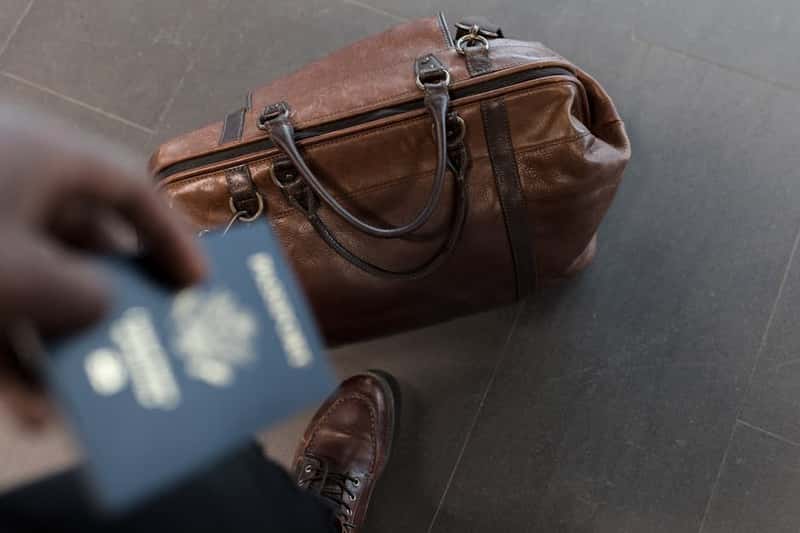
Your bag and how you pack it might be the single clearest reflection of your airport mindset. If reaching your laptop or liquids requires opening multiple zippers, rearranging clothes, or untying cords, you are guaranteeing a slower, more stressful experience at security. Travelers who fly often usually pack with the checkpoint in mind: laptop in a side pocket, liquids in a top pouch, no loose metal items buried deep in the main compartment. Their goal is to convert unpacking and repacking into a quick, almost automatic motion.
Even if your airport uses scanners that allow many items to stay in your bag, that situation can change without much notice, especially when certain security alerts are active. A mindset that assumes the strictest possible rules and packs accordingly means you are never surprised when an officer asks for extra separation of items.
Every second you are not fumbling at the belt is a second you keep the line moving and your stress level down. The benefit compounds across your entire trip, not just one checkpoint.
Rethinking how you choose lines: beyond “shortest is best”
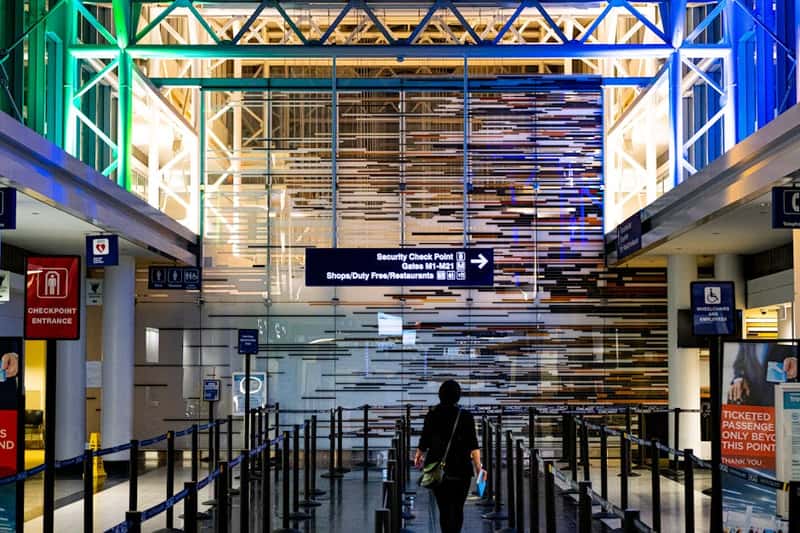
Most people choose the shortest visible line and assume they have made the smartest move. The more effective mental model is to think of each line in terms of “complexity” rather than just length. A line full of experienced business travelers with mostly soft bags and no kids is usually low complexity.
A line with multiple baby strollers, duty‑free bags, and people digging for passports at the last second is high complexity. It takes only a few seconds of observation to tell the difference if you pay attention.
It is also worth watching the staff. A proactive, communicative officer who is clearly moving people through quickly will usually outperform a distracted or overwhelmed one, no matter how long their line looks at first.
That might mean stepping into a medium-length line with a sharp officer instead of a shorter one where the agent seems to be constantly troubleshooting. You are not just choosing a number of people ahead of you; you are choosing the whole system that processes them.
Calm as a strategy: why your emotional state affects your speed
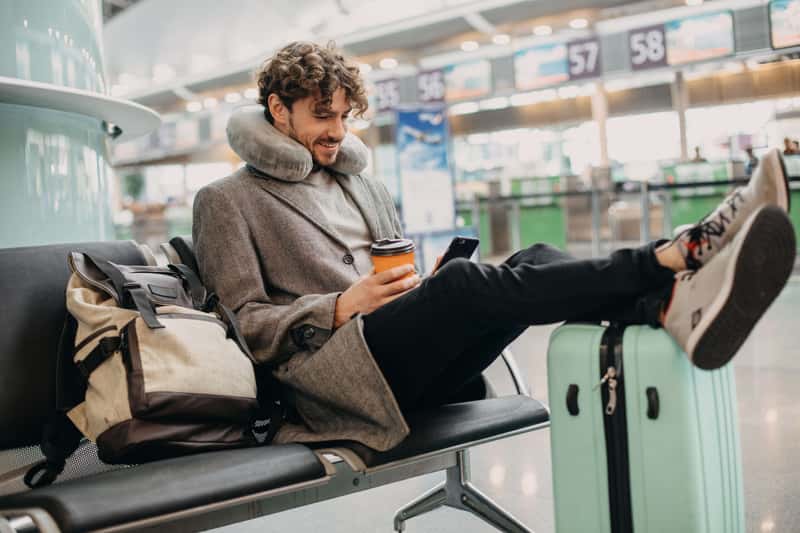
Stress at the airport is not just uncomfortable; it literally makes you slower and sloppier. When you are tense and rushed, you are more likely to forget items in your pockets, misplace your boarding pass, or mishear an instruction that sends you into a secondary screening. Each of those mistakes costs time and can ripple out into additional delays. People who appear relaxed are not always naturally calm; many of them simply have a plan and trust it enough not to panic.
A mindset that treats the airport as predictable, rather than hostile, changes how your body reacts. You walk with more purpose, pack with more intention, and listen more carefully to staff. Small rituals can help: reaching the security line with your ID already in hand, taking a breath before you step up to the scanner, double-checking your bins before you leave the belt.
Calm becomes a competitive advantage, not just a mood. And often, the calmest traveler in the terminal is the one who is moving the fastest without looking like they are trying.