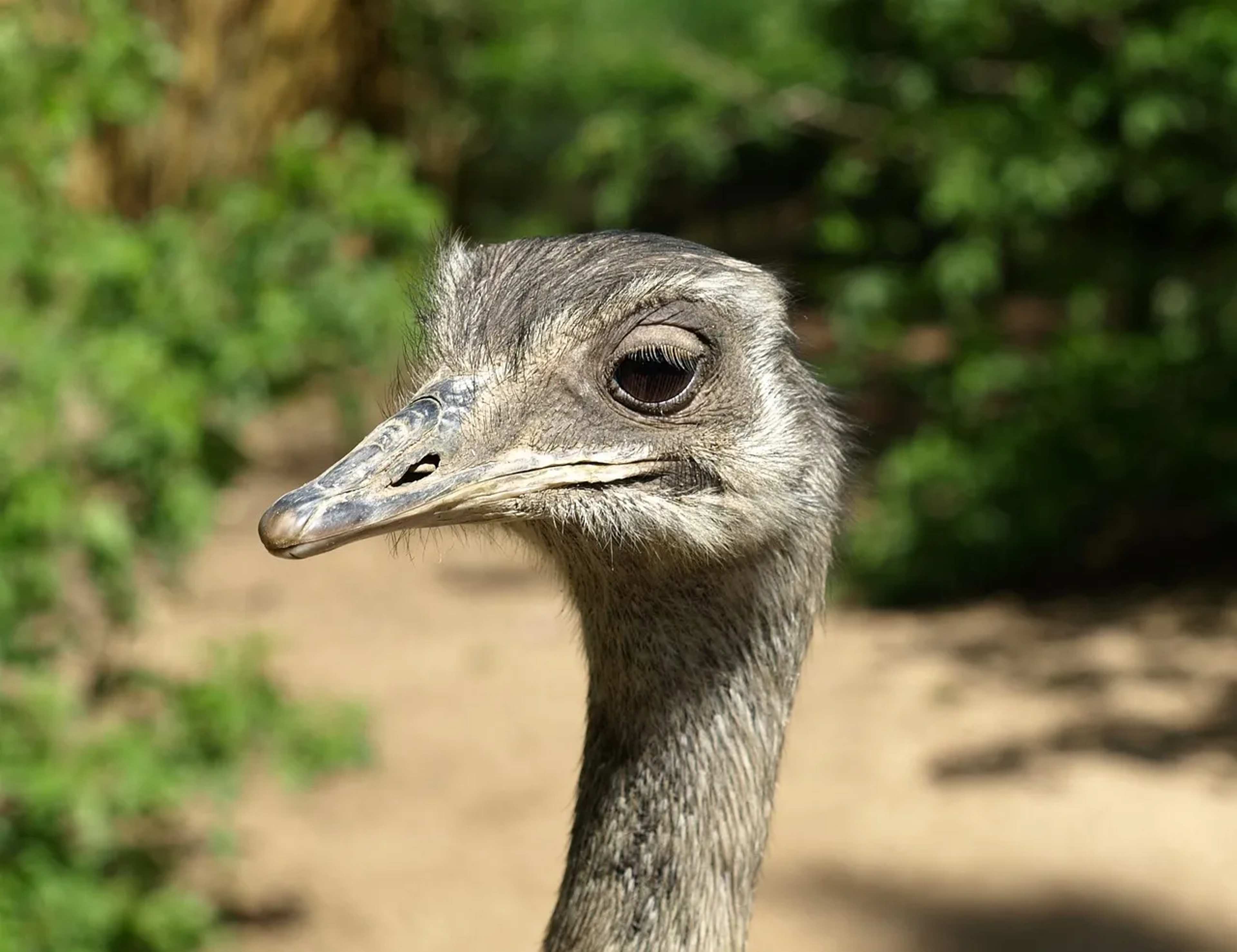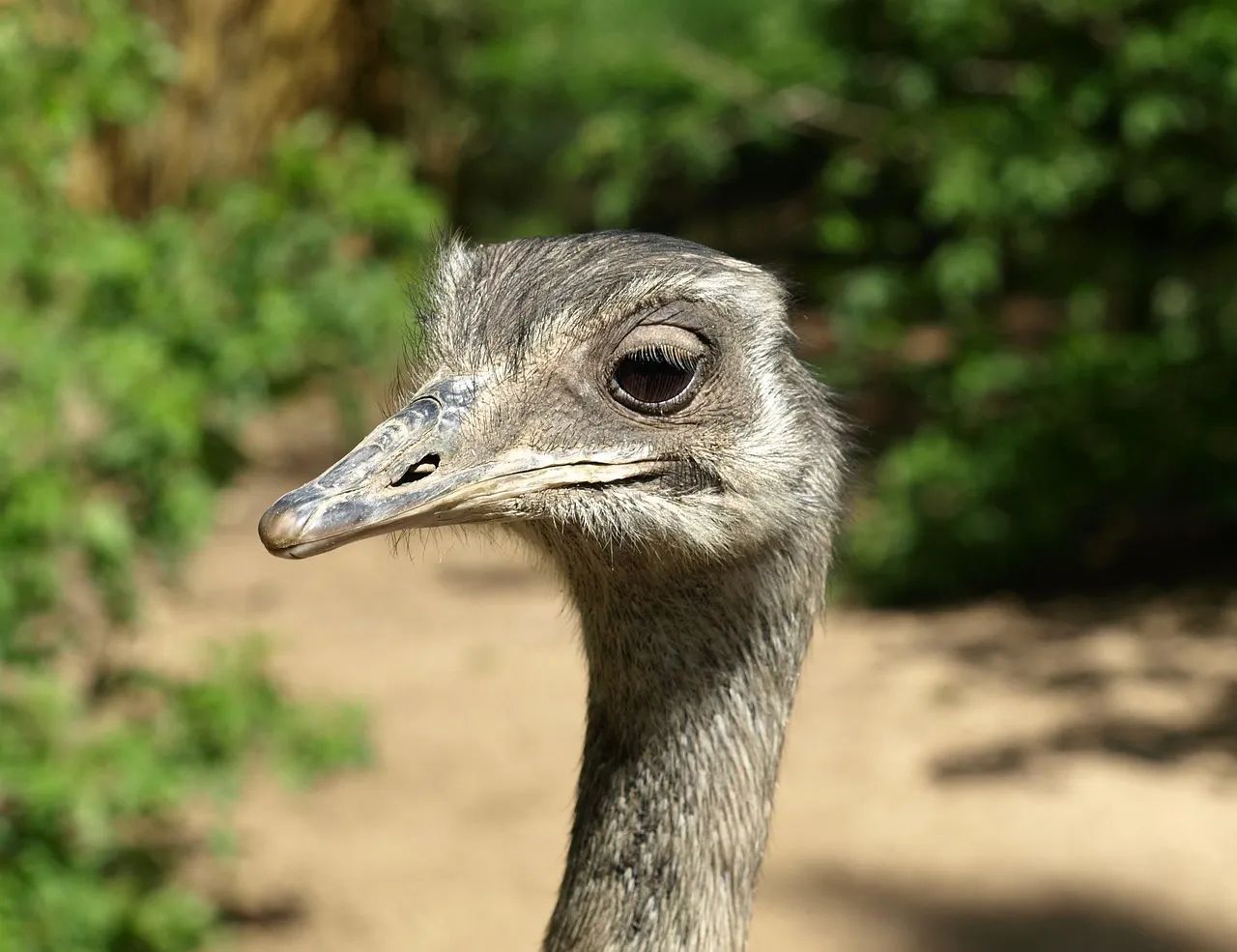
In Chile’s Patagonia National Park, a dedicated group of women is finalizing preparations to release 13 Darwin’s rheas into the wild. These large, flightless birds had nearly vanished from the region roughly two decades ago. The project seeks to rebuild a viable population of this emblematic species in one of South America’s most striking landscapes.
The Near Loss of a Regional Icon
Darwin’s rheas once ranged widely across the open steppes and grasslands of Patagonia. Habitat loss, hunting pressure, and changes in land use reduced their numbers sharply by the early 2000s. By the mid-2000s, sightings in many traditional areas had become rare. The species’ decline removed an important element of the local ecosystem and diminished the natural character of the landscape that draws visitors from around the world. Conservationists recognized that without targeted intervention, the bird could disappear entirely from parts of its historic range. The timeline of the drop-off, concentrated in roughly twenty years, underscored how quickly human activity can alter wildlife populations. Recovery efforts therefore focused on both protecting remaining individuals and reintroducing birds raised in controlled conditions.
Planning the Release of Thirteen Birds
The current effort centers on releasing a carefully selected group of thirteen rheas. Team members have spent months assessing the birds’ health, behavior, and readiness for life outside enclosures. Release sites within the national park were chosen for their suitable vegetation, water sources, and low levels of disturbance. Each bird receives individual monitoring before and after the release to track adaptation. The modest number reflects both the practical limits of captive rearing and the need to establish a foundation that can grow naturally over time. Success will depend on the birds forming stable groups and reproducing in the wild.
The Women Driving the Project
A team composed primarily of women has taken the lead in every stage of the work. Their responsibilities range from daily care of the birds to coordination with park authorities and local communities. This hands-on involvement has brought consistent attention to animal welfare and long-term monitoring needs. The women’s approach combines scientific methods with practical knowledge of the terrain. They have worked to involve nearby residents in protecting the released birds and the surrounding habitat. Their leadership demonstrates how local expertise and sustained commitment can advance species recovery even when resources remain limited.
Looking Ahead for the Species and the Park
Rebuilding a self-sustaining population of Darwin’s rheas will take years of observation and adaptive management. Early signs of nesting and chick survival will indicate whether the reintroduction is taking hold. Park managers view the project as part of broader efforts to maintain biodiversity in a region that supports both wildlife and growing tourism. The initiative also highlights the value of targeted reintroductions for flagship species. If the rheas establish themselves, they could help restore ecological balance and enhance the park’s appeal for visitors interested in authentic wildlife experiences. Continued support from local teams and authorities will determine how far the recovery extends.