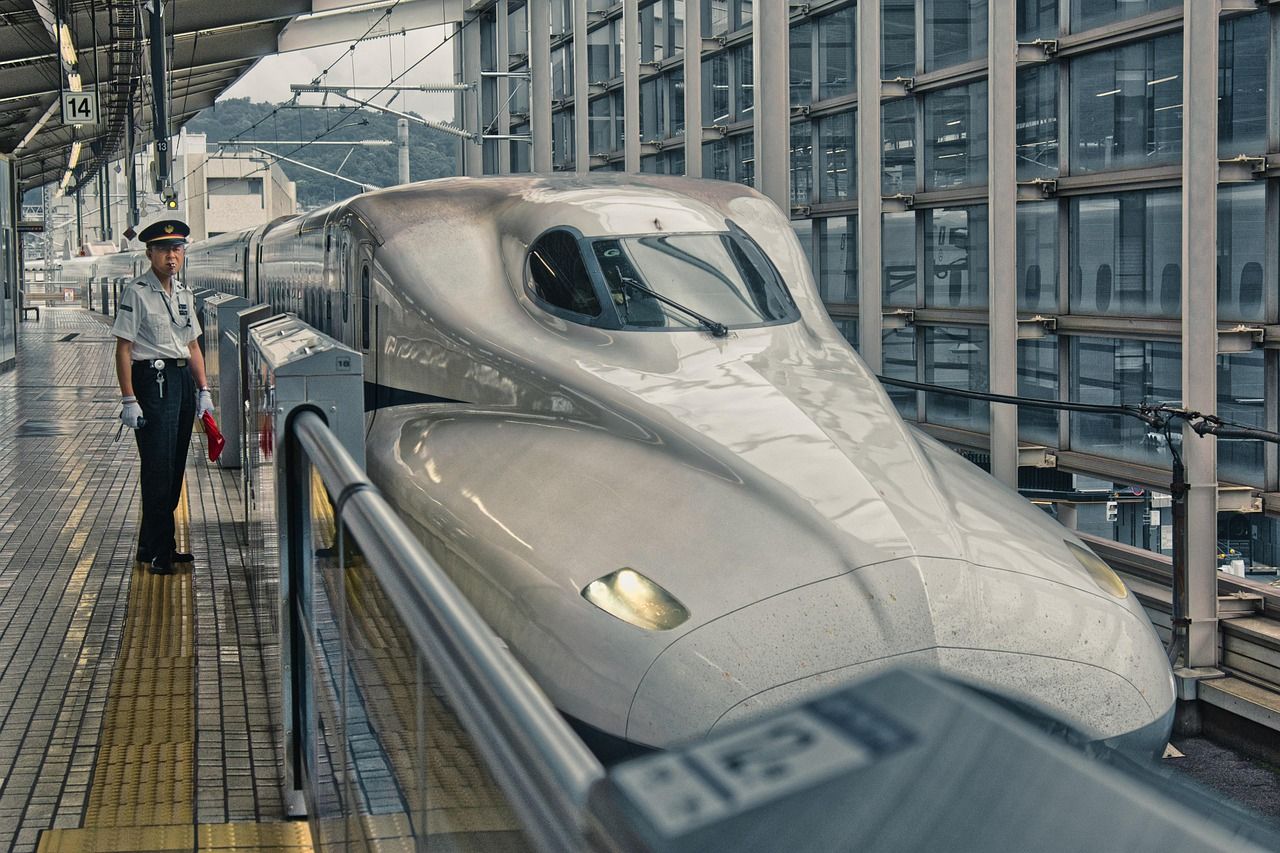
China opened four high-speed railway lines totaling 1,142 km on Sept. 28, extending the world’s largest bullet-train network ahead of the National Day holiday rush.[1] The timing matters. Tens of millions of people are about to travel, and new track gives them more options.
This article goes through the four lines one by one, then looks at what the openings mean for the wider network. The figures come from state media, Chinese railway operators and international reporting. Where sources disagree, the article says so.
Four Lines, Four Regions
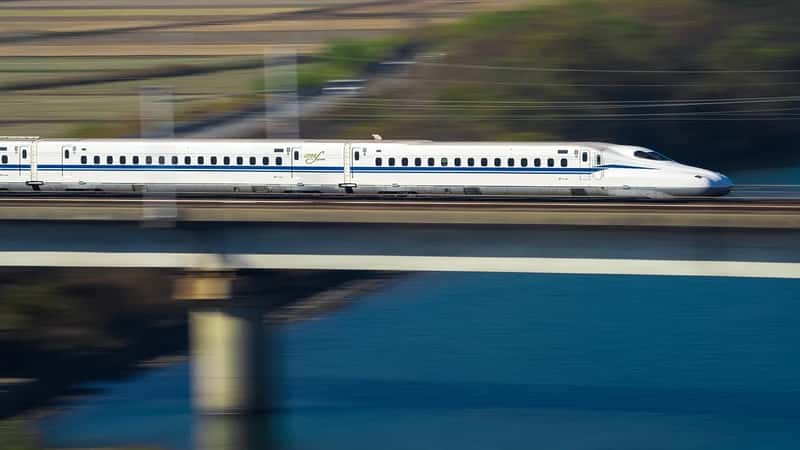
The new sections link Xiong’an in Hebei Province with Shangqiu in Henan Province, Xi’an with Ankang in Shaanxi Province, Yichang with Xingshan in Hubei Province, and Harbin with Yichun in Heilongjiang Province.[2] That spread covers northern, northwestern, central and northeastern China.[2]
The individual lengths add up to the headline figure. The Xiong’an–Shangqiu section is 552 km, Harbin–Yichun is 318 km, Xi’an–Ankang is 171 km and Yichang–Xingshan is 101 km. The lines are designed for top speeds of 250 kph to 350 kph, state broadcaster CCTV reported.[1]
Xiong’an to Shangqiu: The Longest Stretch
The longest is a 552 km section linking the Xiongan New Area in northern China’s Hebei Province with Shangqiu in central Henan Province, cutting the fastest trip between them to 2 hours and 27 minutes.[1] The railway passes through several cities and areas in Hebei, Shandong and Henan provinces before reaching Shangqiu.[2]
Up to 64 trains a day will run on it initially, including new services from Beijing West Railway Station to Hefei and Huangshan North, China Daily reported.[1] CCTV said the line would eventually connect both cities with a Beijing-Hong Kong line.[3] Independent railway specialist David Feng pointed out that Xiong’an had been a huge station with limited patronage[3] before it was tied into the national network.
Xi’an to Ankang Through the Qinling Mountains
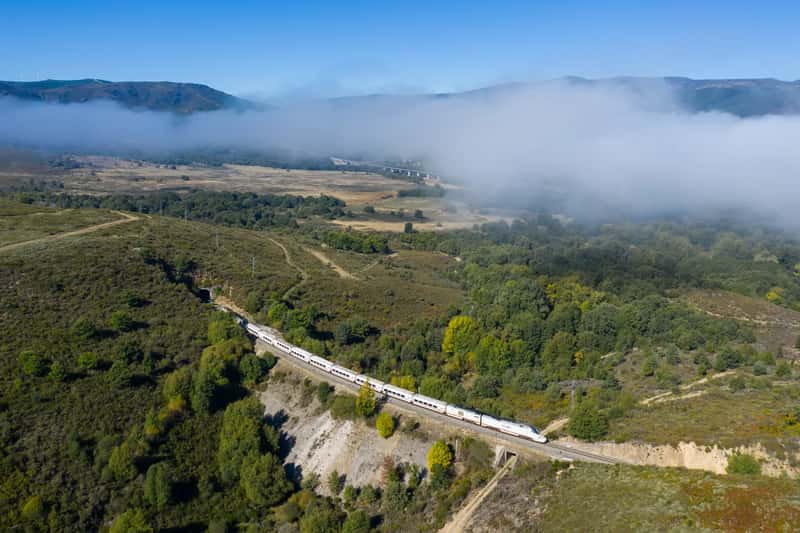
The 171-km Xi’an-Ankang section crosses the Qinling Mountains, overcoming complex geological challenges while also prioritizing ecological protection.[4] Qinling is a notable barrier. It is one of the ranges that separate North and South China.[5]
With a design speed of 350 km per hour, the train can travel between its two terminal stations in just 45 minutes.[4] The older Xi’an–Ankang railway, which opened in 2001, was designed for only 160 km/h in places. The new line is also a first piece of a bigger project. Xi’an–Chongqing is planned as a 653 km line, and Wikipedia’s entry lists the Ankang–Chongqing part as still to come. That entry is a secondary source, so treat its detail as indicative.
Yichang to Xingshan Links Two Major Arteries
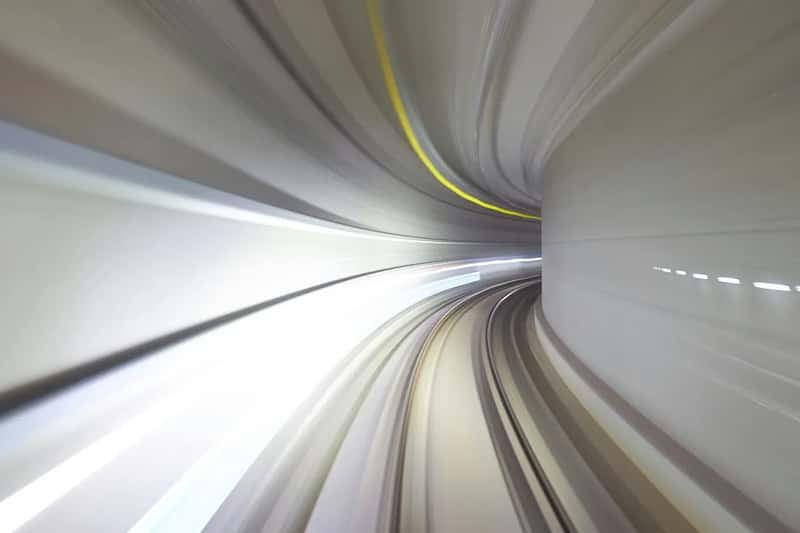
The 101-kilometer Yichang-Xingshan high-speed railway entered service on Monday, with a designed speed of 350 kilometers per hour.[6] Wikipedia gives a longer figure of about 109 km for the line. The 101 km number is the one Xinhua used, so this article follows it.
The line’s value lies in what it connects. It joins the Shanghai-Chongqing-Chengdu high-speed railway along the Yangtze River with the Zhengzhou-Chongqing high-speed railway.[2] It trims the fastest rail trip between Wuhan and Chongqing from 4 hours and 56 minutes to 3 hours and 54 minutes, China News Service reported.[1] Engineering was demanding too. The railway crosses the Daba Mountains through a 16.9-km deep-buried tunnel and over a major high bridge.[2]
Harbin to Yichun: High-Speed Rail in Permafrost Country
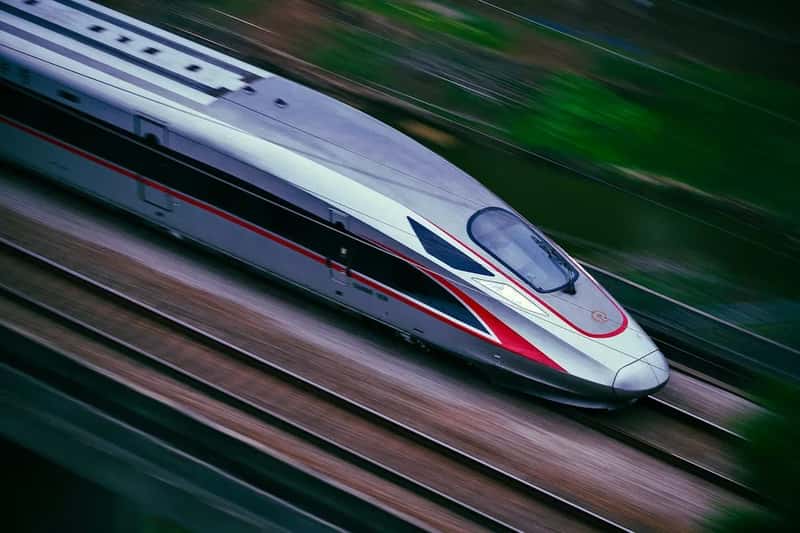
The 318-km Harbin-Yichun section is China’s northernmost high-speed railway ever constructed.[4] Its terminal, Yichun West Station, sits at 47 degrees north latitude and is China’s first high-speed railway station building constructed in a permafrost region, said Shi Qinwei, head of the station project at China Railway Construction Group.[4]
The line has a lower design speed than its siblings. With a designed speed of 250 kilometers per hour, the line cut travel time between Harbin and Yichun.[6] Xinhua’s exact figure is cut off in the material available, so this article doesn’t quote one. The story here is reach. The line pushes modern rail into northern regions that have seen little of it.
How Big the Network Has Become
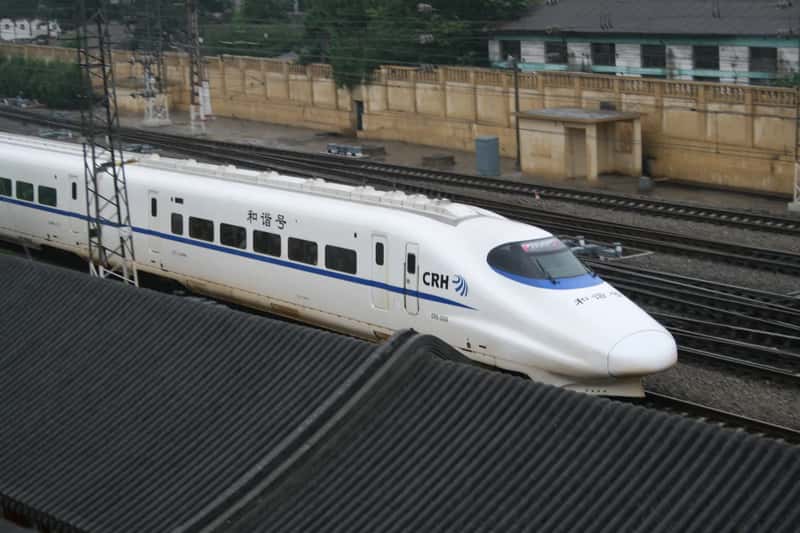
China’s high-speed network stood at 50,400 km at the end of 2025, according to China State Railway Group figures reported by Xinhua.[1] Total operating railway mileage had reached 165,000 km by then, including more than 50,000 km of high-speed rail.[4] The SCMP says the network now covers more than 50,000 km.
The global comparison is stark. China accounts for more than two-thirds of the world’s high-speed track, according to the International Union of Railways.[1] It is a remarkable climb for a system whose first line, between Beijing and Tianjin, opened in 2008.[1]