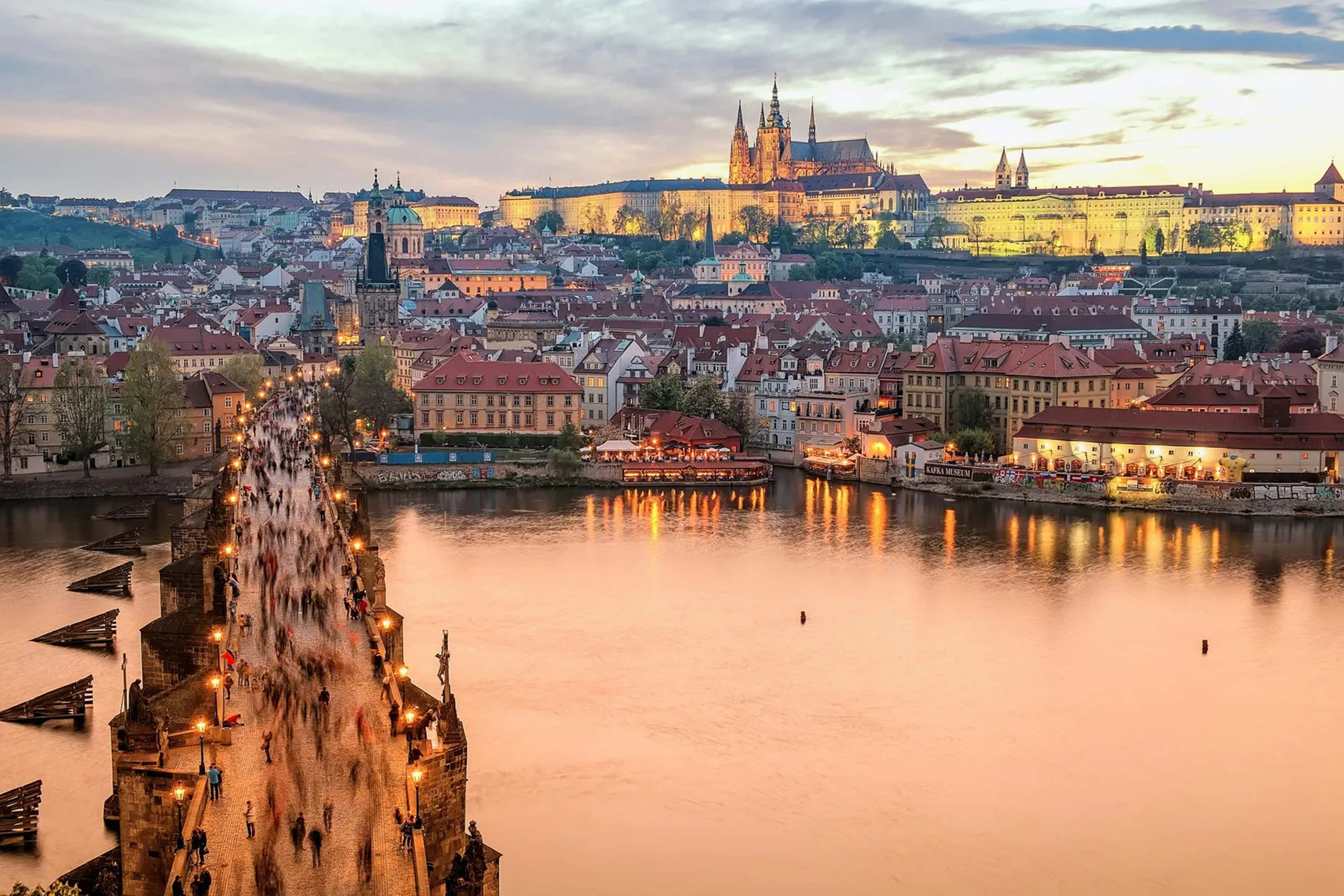
There’s a particular kind of heartbreak that comes with returning to a place you love only to find it unrecognizable. The quiet café is now a chain, the beach you remember has a roped-off section for a beach club, and the walk you used to take alone now involves dodging tour groups every few steps. It’s a common story these days, and it’s fair to wonder whether your favorite destination has simply been loved to death.
The good news is that plenty of beloved places are adapting rather than collapsing under their own popularity. The difference between a spot that’s still worth the airfare and one that’s lost its magic often comes down to a handful of concrete, observable traits. Here’s what to look for before you book that return trip.
Why So Many Favorite Spots Are Under Pressure Right Now

It helps to understand the scale of what’s happening before judging any single destination. Global tourism was expected to reach a record $11 trillion in 2024, with the UN World Tourism Organization reporting 790 million international tourists in the first seven months of the year alone, an 11% increase from 2023.[1] That kind of volume doesn’t spread evenly. With roughly eighty percent of travelers flocking to just ten percent of global destinations, overtourism has become a genuine threat to the authenticity and sustainability of travel in the places everyone wants to see.[1]
The friction this creates is no longer theoretical. Concerns about overtourism made headlines throughout 2025, with residents in popular European destinations such as Barcelona, Venice, and Santorini taking to the streets to protest mass tourism, as overcrowding, rising living costs, water shortages, and strain on local services fueled real tensions.[2] None of this means you should cross every popular place off your list. It just means the destinations still worth your time are the ones actively responding to these pressures rather than ignoring them.
Feature One: A Local Government Actually Managing the Crowds
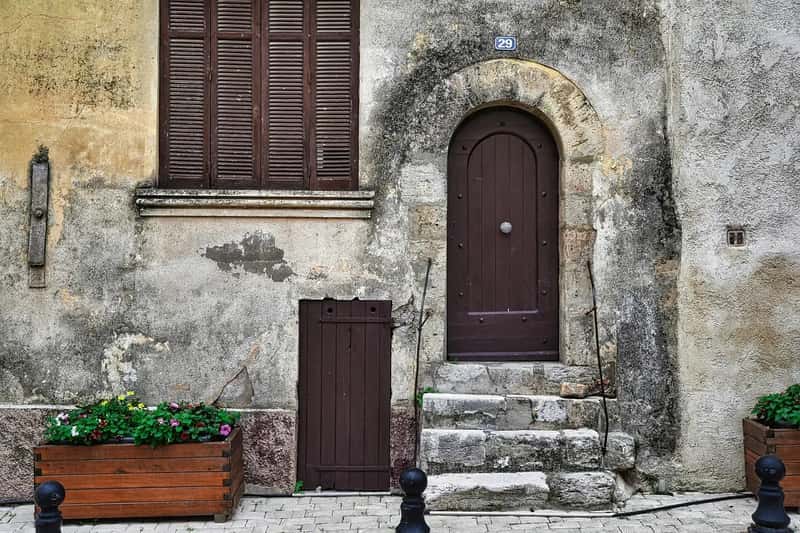
One of the clearest signs a destination still has its act together is visible management of visitor flow. In April 2024, Venice made headlines as the first city in the world to impose a five euro entry fee for day visitors[3], and that program has only expanded since. Cannes will limit cruise ships to vessels carrying fewer than 1,000 passengers starting January 1, 2026, with a daily cap of 6,000 passengers disembarking, while Nice has already implemented restrictions limiting ships carrying more than 900 passengers.[4] These aren’t signs of a place in decline; they’re signs of a place taking its own long-term survival seriously.
Entry fees and caps can feel like an inconvenience at first glance, but they usually indicate the opposite of neglect. By 2026, increased tourist taxes, new fees, and regulatory measures have taken center stage in several destinations, partly to ease pressure and partly to fund the infrastructure that keeps a place livable for residents and enjoyable for guests.[5] If your favorite spot has introduced a tax, a timed-entry system, or a visitor cap in the last couple of years, that’s usually a good sign rather than a red flag. It means somebody in charge is paying attention to the math.
Feature Two: Real Access During the Shoulder Season

A destination that only works during three frantic months a year is a destination in trouble. The best ones now offer a genuinely good experience outside of peak season, and travelers have noticed. HomeToGo reported shoulder-season search demand up 27% year-on-year for fall 2025 and 25% for spring 2026, with nearly half of US travelers planning off-peak trips.[6] That shift isn’t just about avoiding lines; it reflects a broader recalibration of when these places are actually at their best.
Airlines and hotels are adjusting to match this new rhythm rather than fighting it. Peak summer crowding in cities like Barcelona, Venice, and Kyoto has pushed a growing number of travelers toward April-May and September-October windows, and 2026 flight schedules show more capacity added to these shoulder months rather than concentrated purely on July and August.[7] Interestingly, this isn’t just a budget move for the destinations involved. An EY Tourism Advisory study covering five southern European markets found that the lowest-volume months actually carry the highest per-visitor spending, with fourth-quarter visitors skewing toward higher-spending segments.[6] If your favorite place has built a real off-season identity rather than just shutting down half the year, that’s a strong point in its favor.
Feature Three: Local Businesses That Still Feel Local

Walk down the main street of any oversaturated destination and you’ll notice the same thing: the shops start to look identical, selling the same magnets and the same overpriced gelato regardless of what country you’re in. A place worth revisiting is one where the family-run restaurant, the independent bookstore, or the neighborhood market has survived the tourist boom rather than being replaced by it. This is one of the harder features to measure with a statistic, but it’s usually obvious within the first hour of wandering around.
Governments in some of the most pressured destinations are actually starting to protect this quality on purpose. France, as the world’s most visited country, has introduced measures focusing on sustainable tourism, better visitor management, and protection of cultural heritage[4], an approach that includes tightening rules on short-term rentals that had been pushing longtime residents and small businesses out of city centers. When a destination fights to keep its actual community intact, it tends to keep its actual character intact too. That character is, more often than not, the reason you fell in love with the place to begin with.
Feature Four: Infrastructure Built to Handle the Load
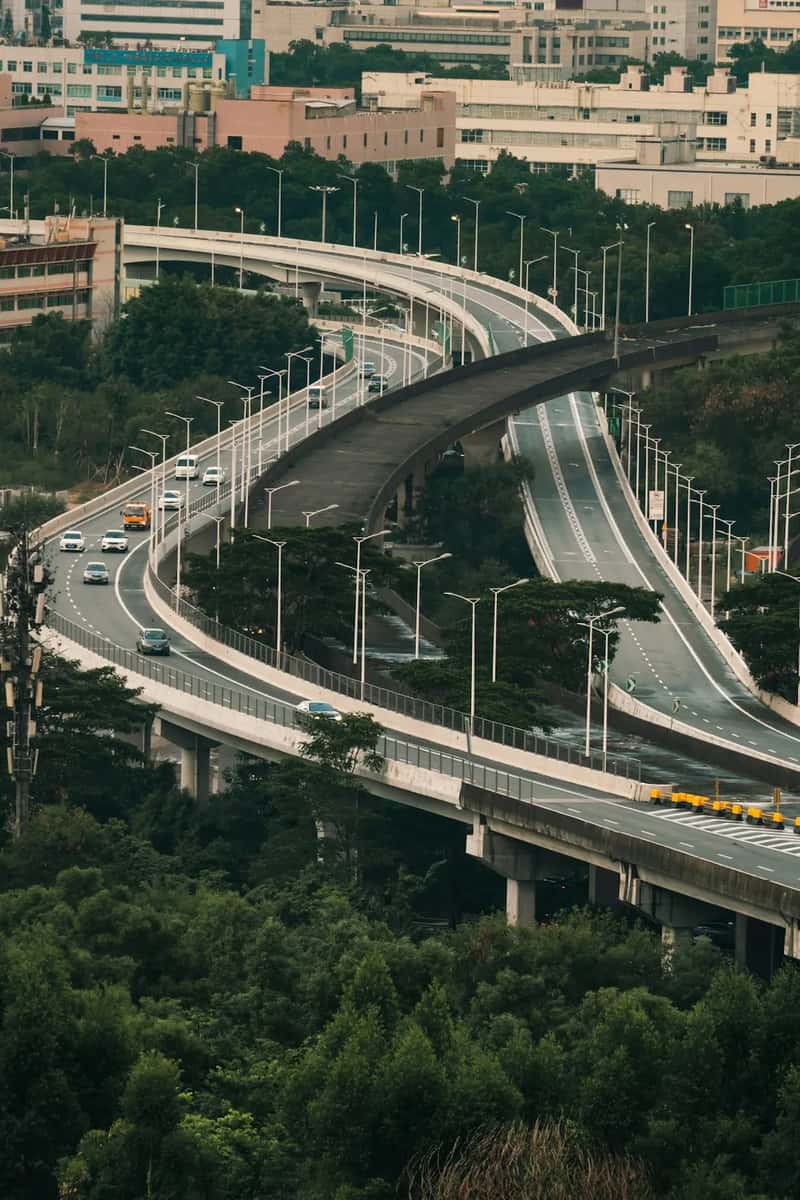
Charm can only carry a destination so far if the roads, water systems, and public transit are buckling under demand. This is where a lot of quietly struggling spots show their cracks first, long before it shows up in a headline. The UN World Tourism Organization has described overtourism as a situation in which residents or visitors feel tourism has harmed quality of life to an unacceptable degree, which can look like packed historic sites, disruptive noise, traffic congestion, and the replacement of local shops by stores catering purely to tourist preferences.[8] A place that’s kept its infrastructure current, rather than letting it erode while visitor numbers climb, is a place that’s planning to stay great rather than coasting on past glory.
The flip side is genuinely encouraging. In 2026, solutions that measure operations such as energy, waste, and mobility pressure, and that enable interventions based on data rather than intuition, are expected to accelerate, with more destinations using data to manage energy consumption, visitor flows, and seasonality.[5] Destinations investing in smarter capacity management, rather than simply hoping the crowds thin out on their own, tend to be the ones still delivering a good experience five or ten years down the line. If your favorite place has upgraded its transit system, added visitor centers, or introduced timed-entry booking for its most popular sites, take that as a sign of long-term commitment rather than bureaucratic red tape.
Feature Five: A Sense of Place That Hasn’t Been Hollowed Out
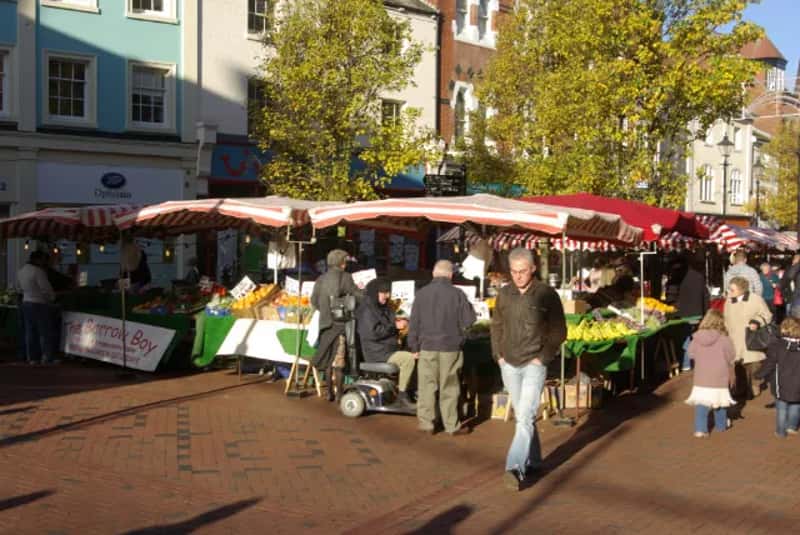
This is the hardest feature to quantify and the easiest one to feel the moment it’s missing. A destination that still has a sense of place is one where the landscape, the architecture, the food, and the daily rhythm of local life still feel distinct rather than generic. The irony of overtourism is that a destination’s popularity can start to chip away at the very qualities that made it appealing in the first place[8], and once that erosion sets in, it’s genuinely difficult to reverse.
The travelers who are getting this right in 2026 seem to understand the tradeoff intuitively. Instead of heading to crowded hotspots, many travelers now opt for destinations that offer tranquil and authentic experiences, often in less commercialized regions, as a direct response to overtourism and a desire to discover areas that offer authenticity without the crowds.[9] If you can still find a quiet corner of your favorite spot where it feels like a real place rather than a stage set for photos, that’s worth protecting and worth returning to.
Making the Call: When It’s Time to Go Back

So how do you actually decide whether your favorite spot still deserves a spot on your calendar? Look for the fingerprints of good management: entry systems instead of unchecked crowds, a genuine shoulder-season identity instead of a ghost-town off-season, local shops instead of souvenir chains, infrastructure that keeps pace with demand, and a sense of place that hasn’t been sanded down into something generic. Any one of these features on its own is a decent sign. All five together is close to a guarantee.
None of this requires becoming a travel researcher before every trip. A little bit of reading about recent news from your destination, a look at whether it’s introduced any new visitor policies, and an honest look back at your last trip there will usually tell you what you need to know. The places that are thriving under pressure tend to make that thriving pretty visible, and the ones that aren’t tend to show that too, if you’re willing to look closely before you book the flight.