Few conservation stories carry as much quiet drama as the recovery of Zimbabwe’s black rhinos. A species that once teetered on the edge of extinction within the country’s borders is now being talked about as a genuine success story, one built not on luck but on decades of stubborn, often dangerous work by rangers, trusts, and private landowners. It is not a tidy fairy tale. Poachers still strike, funding is still tight, and the species remains critically endangered worldwide. Still, the numbers coming out of Zimbabwe over the past couple of years tell a story that would have seemed impossible to most observers in the 1990s.
From Near Extinction to a Fragile Foothold
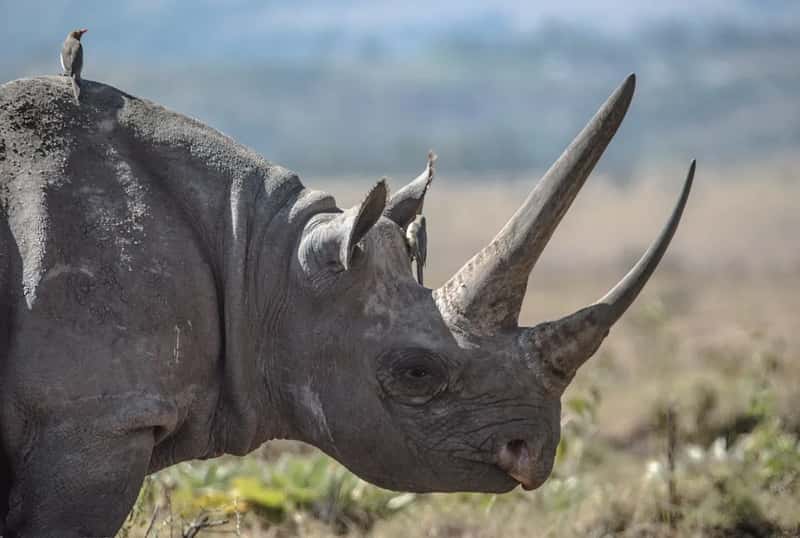
The scale of the collapse is hard to overstate. Rhino poaching in the country intensified dramatically in the mid 1980s, and rhino poaching started in Zimbabwe in November 1985 as Zimbabwe was the next country in the poachers’ sights, having nearly cleaned out Kenya, then Tanzania and then Zambia, with numbers plummeting from 2,500 in 1985 to just 270 in 1993. By the early 1990s the situation had become so dire that Zimbabwe’s rhino population was reduced to approximately 450 by 1992, forcing conservationists into emergency mode.
That crisis produced one of the boldest wildlife rescue operations in African history. To safeguard the remaining animals, the decision was made to move them to intensively protected conservancies in the south of the country, with roughly 300 rhinos transported from the Zambezi to safer destinations including the Save Valley Conservancy and Bubiana Conservancy. It was a gamble born of desperation, but it worked far better than anyone dared hope, and it laid the groundwork for everything that has followed.
Private Conservancies Became the Backbone of Recovery
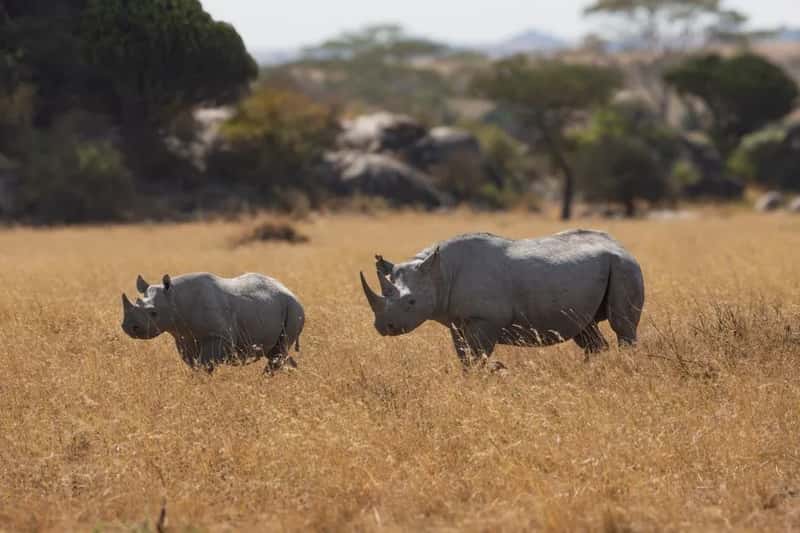
What makes Zimbabwe’s case unusual is how much of the heavy lifting has been done by private landowners rather than the state alone. The Lowveld region, home to Save Valley, Bubye Valley, and Malilangwe, effectively became the epicenter of black rhino conservation in the country. The program built up the black rhino population in that region from 4% of the national total in 1990 to 89% at the end of 2017, a shift that reflects just how central these privately managed conservancies became to the species’ survival.
The Lowveld Rhino Trust, founded by the late Raoul du Toit, has been the connective tissue behind much of this work. Zimbabwe is home to the world’s fourth-largest black rhino population after South Africa, Namibia and Kenya, and the Lowveld region includes Bubye Valley Conservancy, Save Valley Conservancy, Malilangwe Conservancy and Gonarezhou National Park, all managed through conservation activities undertaken by this Zimbabwean-registered trust. Bubye Valley in particular has become something of a flagship, with its population expanding steadily enough to support the reintroduction of other populations, such as rhinos going back to Gonarezhou National Park.
Crossing the 1,000 Rhino Threshold
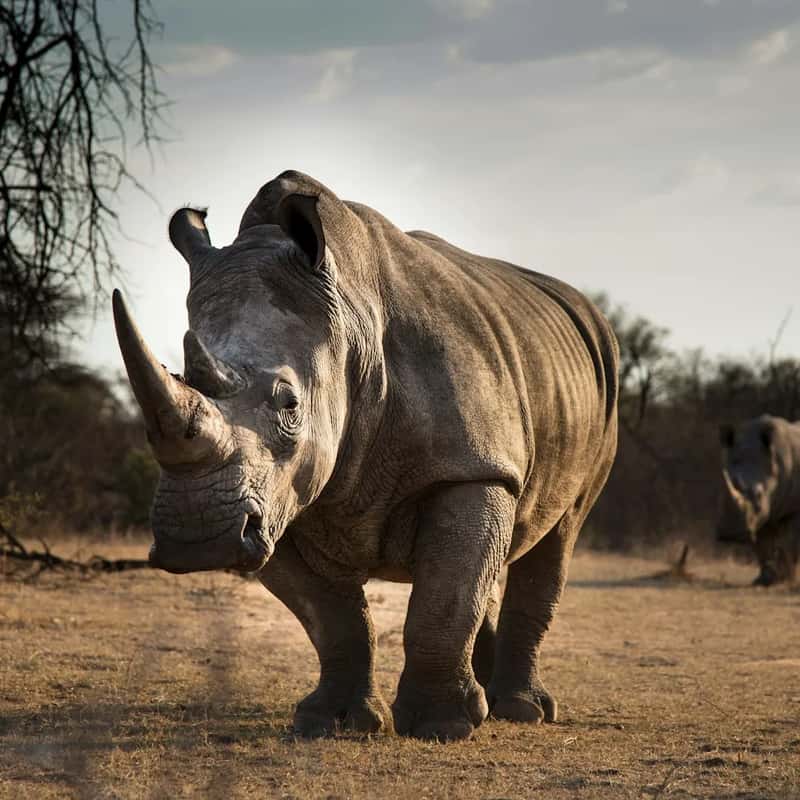
One statistic captures the turnaround better than any other. According to the International Rhino Foundation, the country is home to 616 black rhinos and 417 white rhinos, marking the first time that Zimbabwe has surpassed 1,000 rhinos in over three decades. That milestone, confirmed around 2022 to 2023, was not just symbolic. It represented the culmination of nearly thirty years of translocation, monitoring, and anti-poaching investment finally paying off in a measurable way.
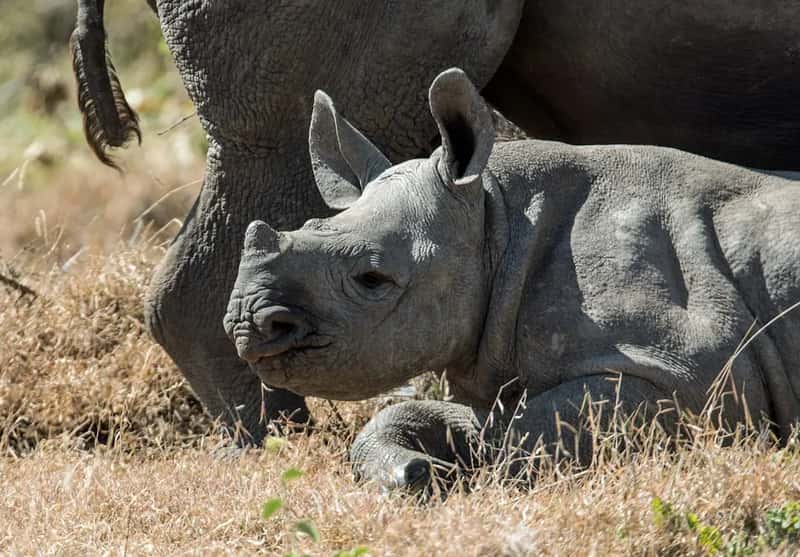
Favorable conditions helped too. Zimbabwe experienced two consecutive exceptional rainy seasons, creating a lush habitat for rhinos and other wildlife, which in turn supported stronger breeding rates. Calving activity in the Lowveld backed this up directly, with six black and two white rhino calves spotted in the Bubye Valley Conservancy in the first half of 2022 alone. Small numbers on paper, perhaps, but each birth matters enormously for a species with such a slow reproductive cycle.
Gonarezhou’s Long-Awaited Second Chance
Few reintroduction stories carry as much historical weight as Gonarezhou National Park’s. Black rhinos had vanished from the park not once but twice. In Gonarezhou, the black rhino went locally extinct around the 1940s, and a first reintroduction of 77 rhinos between 1969 and 1971 was successful at first, but the subsequent protection failed as the population was again eradicated by 1994 due to illegal hunting. That double failure made the park’s third attempt feel especially high stakes.
This time, the planning was far more deliberate. More than 25 years later, the Gonarezhou Conservation Trust, a partnership between the Zimbabwe Parks and Wildlife Management Authority and the Frankfurt Zoological Society, implemented a second reintroduction programme, releasing 29 rhinos in 2021 into a large fenced Intensive Protection Zone established for this purpose. Early signs have been encouraging. Rhinos selected for the move were chosen partly for their existing social bonds, and on release in the park one bull established his new home range encompassing familiar females from Bubye Valley, who have since quickly produced calves in their new home.
Matusadona Opens a New Chapter
The most recent development comes from Matusadona National Park, on the shores of Lake Kariba, where descendants of rhinos rescued from the Zambezi Valley decades ago are finally returning home. The first evening black rhinos were back in Matusadona this past May, park manager Mike Pelham grabbed a bedroll and walked out into the darkness, where 17 of the animals shuffled within their protective bomas as they acclimatized before release. It is a moment that closes a loop stretching back to the emergency translocations of the early 1990s.
The ambition here goes beyond a single release. The long-term vision is a genetically robust, interconnected network of black rhinoceros populations across Zimbabwe, in which Matusadona eventually becomes not just a recipient of rhinos, but a source contributing animals to help repopulate landscapes that have lost them entirely. That is a genuinely new phase for Zimbabwean rhino conservation, shifting the emphasis from rescue to expansion.
The Meta-Population Strategy
Behind these individual park stories sits a broader, more technical strategy that conservationists call the meta-population approach. The idea is to link genetically diverse rhino groups across multiple sites so that no single population becomes too small or too inbred to be sustainable. Currently there are only three meta-populations of black rhinos in Zimbabwe with more than 100 individuals, all on private lands, and the big agenda now is to start making the next meta-populations on public land.
Matusadona represents a deliberate step in that direction. Matusadona is only the second public site chosen for the start of an eventual meta-population, the first having been established in 2021 as 29 black rhinos were gradually released at Gonarezhou National Park, 500 miles away. Officials involved in the programme have been notably candid about crediting the government’s long-term thinking, with one park manager remarking that Zimbabwe now has “the most genetically healthy and diverse population of black rhino in Africa” thanks to decades of careful management.
Poaching Has Not Disappeared
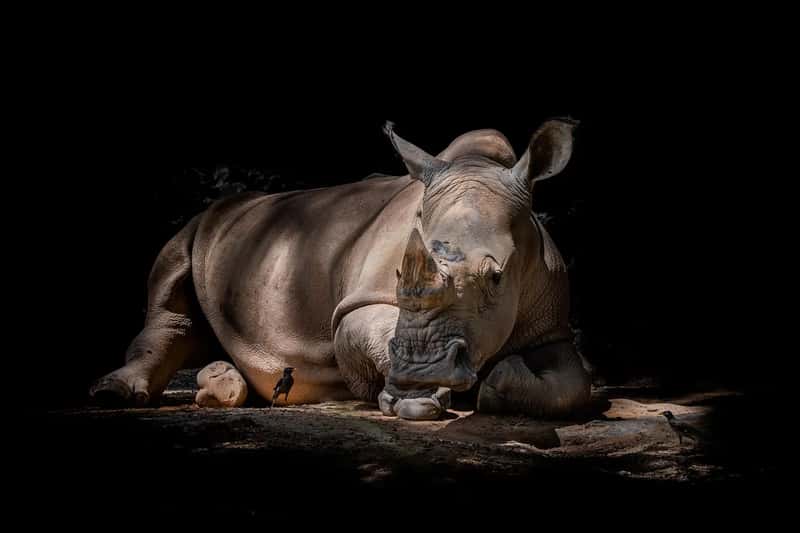
None of this progress means the threat has gone away. In April 2025, poachers broke into the Imire Rhino and Wildlife Conservancy and shot and killed a tame 22-year-old black rhino male called Gomo, then used an axe to remove its horns. The attack was a stark reminder that even well-known, closely monitored animals remain vulnerable, and it triggered fundraising campaigns aimed at bolstering security at the property.
The financial incentive behind these attacks remains enormous. The fight to protect rhinos is a never-ending battle as rhino horn brings as much as $60,000 per kilogram on the black market, a price tag that continues to incentivize poachers in a region where poverty and high unemployment perpetuate the illegal trade. Zimbabwe’s own historical toll underscores the point starkly: during the twelve-year period from 2008 to 2019 inclusive, poachers killed 702 rhinos in the country, an average of roughly 58 animals per year. The good news is that this rate has fallen considerably in more recent years, but the trust and its partner conservancies describe the threat as ever-present rather than resolved.