
English has become the world’s default language for business, travel, science, and casual conversation between people who don’t share a native tongue. Every year, EF Education First publishes its English Proficiency Index, drawing on millions of test results to see which nations have turned English into a genuine second skill rather than a classroom formality. The 2025 edition, based on test data gathered throughout 2024, offers one of the clearest pictures yet of where non-native English speakers are thriving.
What stands out is how consistently European countries dominate the upper tiers of these rankings, though the reasons behind each nation’s success vary quite a bit. From tourism-driven economies to countries that refuse to dub foreign films, here are ten countries that have made part of their national identity.
1. Netherlands

The Netherlands has topped the EF English Proficiency Index for years running, and the 2025 edition confirms that dominance once again. The Netherlands ranks first out of 123 countries and regions with a score of 624, placing it in the “very high” proficiency band. This isn’t a fluke either, since the country has held the number one position multiple times since the index began back in 2011.
Dutch schools introduce English early and treat it as a practical tool rather than a purely academic subject. Their success is largely attributed to early English education, widespread media exposure, high-quality teaching standards, and strong international orientation, with all top-performing countries treating English as a practical communication tool rather than a purely academic subject. Amsterdam in particular has developed a reputation for having some of the sharpest non-native English speakers anywhere in the world.
2. Croatia
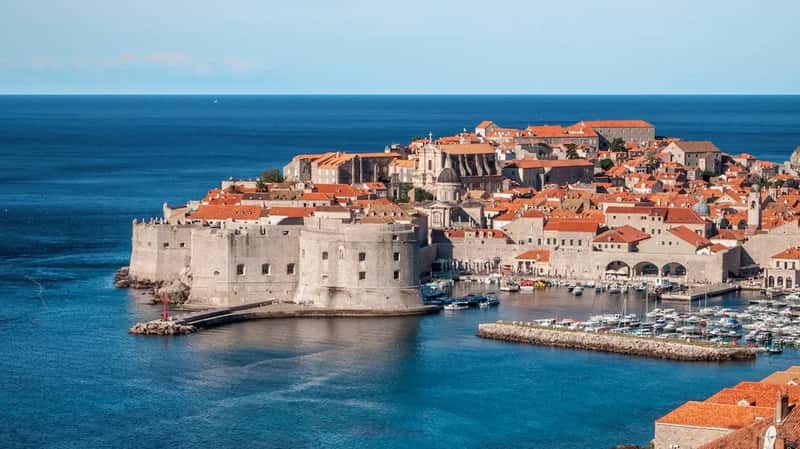
Croatia’s climb up the rankings has been one of the more surprising storylines in recent EF EPI editions. The country now sits in second place globally with a score of 617. That’s a notable achievement for a nation of under four million people, and it reflects a broader shift happening across Southeastern Europe.
Much of this success traces back to Croatia’s tourism-dependent economy, where fluent English is practically a job requirement in coastal cities and beyond. Much of Croatia’s success comes down to its education system and its heavy reliance on tourism, an industry that essentially requires English fluency for survival, while Croatian television tends to subtitle rather than dub English-language content, giving viewers constant passive exposure to spoken English from a young age. That combination of subtitled media and tourism pressure has quietly built one of Europe’s strongest English-speaking populations.
3. Austria

Austria has pushed its way into the top three, marking real progress compared to previous years. The country scored 616 in the 2025 index, landing it in third place overall. Given Austria’s central location and close economic ties to Germany and the broader European Union, strong English skills have become almost a necessity for professionals working across borders.
The 2025 report notes this wasn’t a stagnant result either. Austria climbed into third place in the 2025 edition with a score of 616, marking a notable jump from previous years. Vienna’s universities and its role as a hub for international organizations likely play a part in keeping English proficiency high among younger professionals.
4. Germany

Germany posted one of the more impressive jumps in this year’s rankings, moving into fourth place overall. With a score of 615, Germany sits just behind Austria in the current standings. Given the size of Germany’s economy and its role as a manufacturing and export powerhouse, widespread English fluency has direct economic implications for trade and international business.
EF’s own analysis flagged this as a standout result for the country this year. The Netherlands remains number one, followed by Croatia and Austria, both of which improved their rankings, while Germany climbed to fourth place with one of the biggest gains in Europe. That kind of upward movement suggests German schools and workplaces have doubled down on English instruction in recent years.
5. Norway
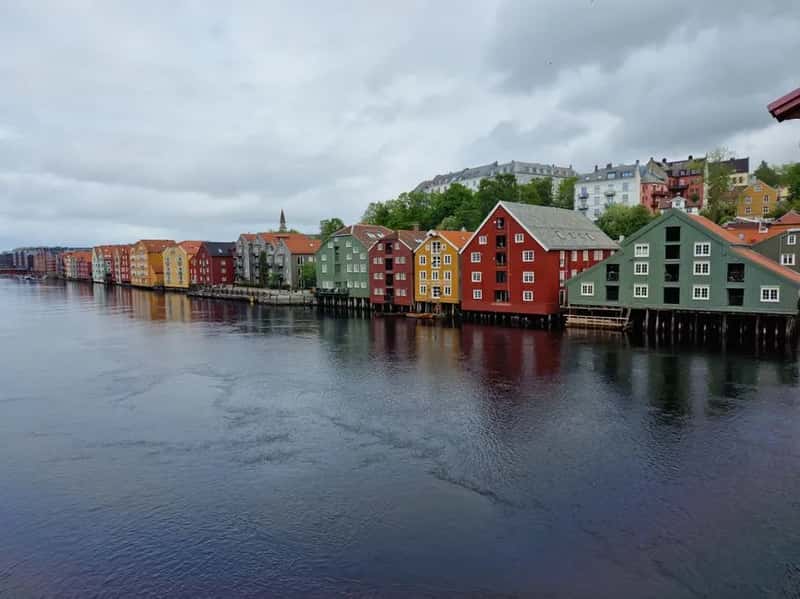
Norway has been a fixture near the top of these rankings for over a decade, and it hasn’t slipped much despite Singapore’s exit from the index. The country scored 613 in 2025, placing it fifth globally. Norwegian television rarely dubs English content, and the country’s small population combined with heavy reliance on international trade has made English almost a second national language.
In the previous year’s edition, Norway actually held an even higher spot. For the sixth consecutive year, the Netherlands retained the top spot, with Norway coming in second, followed by Singapore. Norwegians consistently score among the best non-native speakers thanks to a mix of strong public education and constant exposure to English-language film, television, and music.
6. Portugal

Portugal has quietly become one of Europe’s strongest English-speaking nations, landing at sixth place in the 2025 index. The country recorded a score of 612, keeping it firmly in the “very high” proficiency category. Portugal’s growing popularity as a destination for remote workers and international retirees has likely reinforced the value locals place on English fluency.
Like several of its European neighbors, Portugal benefits from a media culture that favors subtitles over dubbing, giving viewers regular passive exposure to spoken English. The country’s expanding tech and startup scene, especially in Lisbon, has also created strong incentives for young professionals to sharpen their English skills for international collaboration and remote job opportunities.
7. Denmark

Denmark continues to rank among the best non-native English-speaking countries in the world, coming in seventh place in the latest index. Denmark’s 2025 score stood at 611, just barely behind Portugal. Danish schools introduce English instruction early, and the country’s small domestic market pushes businesses to operate comfortably in English when dealing with international partners.
Within the Nordic region specifically, Denmark has managed to edge out its neighbors by a narrow margin. Denmark leads the Nordic region, edging out Sweden and Norway by a fraction of a point in the 2025 index, with differences between Nordic countries being small but Denmark’s consistent edge placing it at the top this year. That regional competitiveness among Nordic countries has arguably kept standards high across the board.
8. Sweden
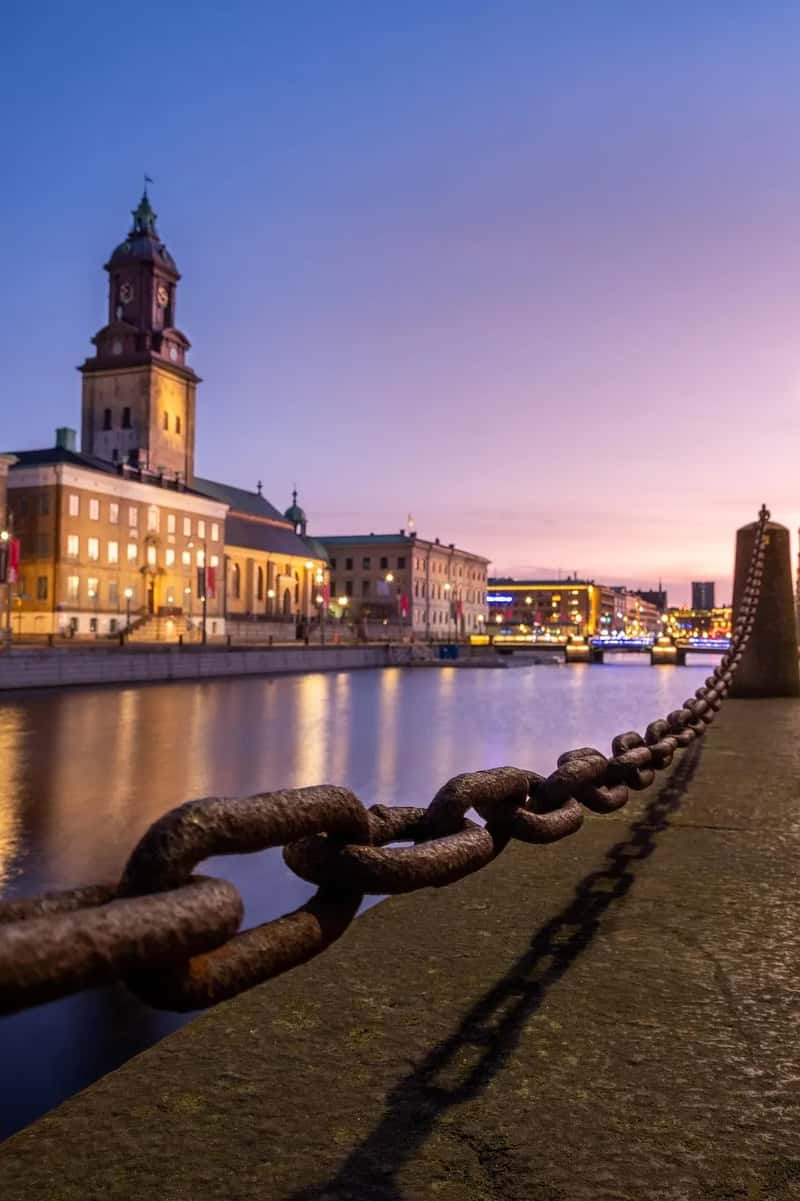
Sweden has long been recognized as one of the strongest non-native English-speaking countries, and it remains firmly in the top ten for 2025. The country scored 609, placing it eighth in the global rankings. Swedish television and film rarely use dubbing for English content, meaning most Swedes grow up hearing natural, unaltered English dialogue from childhood.
Sweden’s education system also places heavy emphasis on English from an early age, often starting formal instruction well before secondary school. In the 2024 edition of the index, Sweden ranked even higher among the very top performers. The Netherlands’ leading status was followed by Norway, Singapore, Sweden and Croatia, the top five non-native English-speaking populations in the world that year.
9. Belgium

Belgium rounds out the upper-middle tier of the 2025 rankings with a solid ninth-place finish. The country posted a score of 608, keeping it well within the “very high” proficiency band. Belgium’s multilingual culture, where Dutch, French, and German are all spoken regionally, may actually work in its favor, since many Belgians grow up navigating multiple languages and pick up English as a practical bridge between linguistic communities.
Brussels’ role as a hub for European Union institutions and international diplomacy has also reinforced the importance of English fluency among professionals. Belgian schools typically introduce foreign language instruction early, and the country’s dense international business environment gives residents constant real-world opportunities to practice and refine their English skills.
10. Slovakia
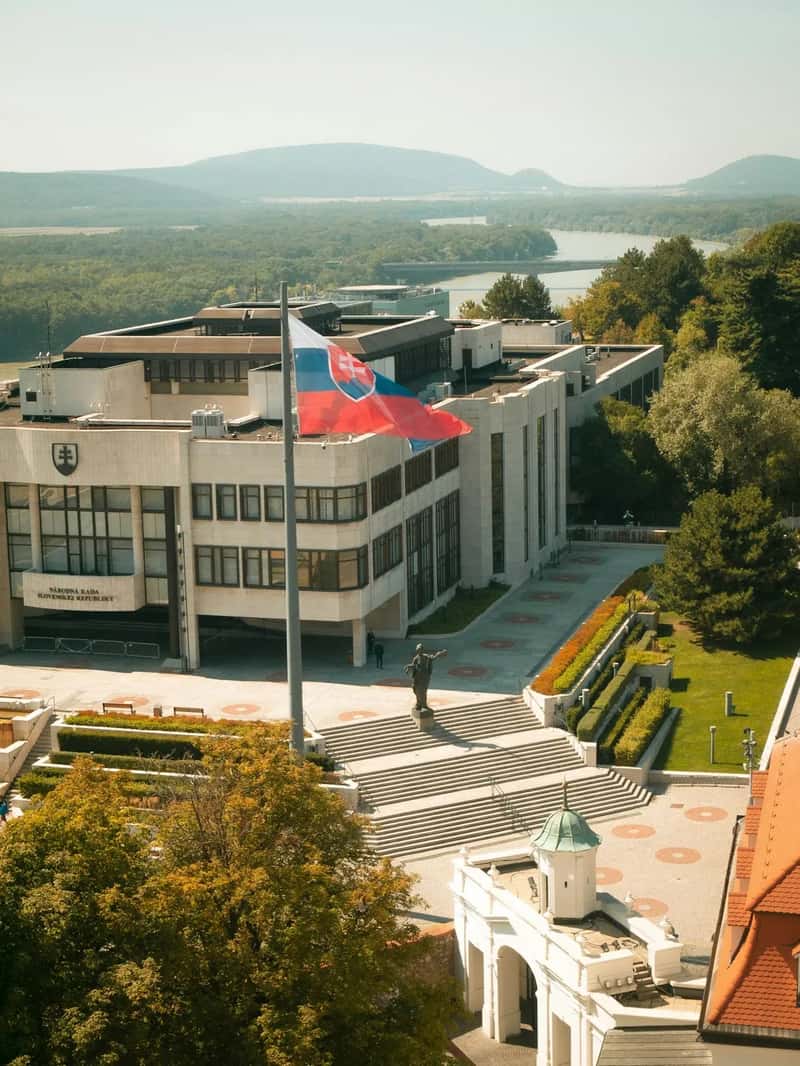
Slovakia closes out the top ten in the 2025 EF English Proficiency Index, a strong showing for a country that has steadily improved its standing over recent years. Slovakia scored 606, edging out several larger economies to secure the tenth spot globally. This reflects a broader trend across Central and Eastern Europe, where countries have invested heavily in English education as part of their integration into European and global markets.
Slovakia’s result places it just ahead of nearby Romania and Finland, both of which also scored well within the “very high” proficiency range this year. The country’s growing tech sector and its ties to multinational manufacturing firms have likely pushed younger professionals to prioritize English fluency as a career necessity rather than an optional skill.
Taken together, these rankings tell a story that goes beyond simple national pride. Countries that treat English as a practical, everyday tool, whether through early education, subtitled media, or economies built on tourism and international trade, consistently outperform those that treat it as just another school subject. It’s worth noting that Singapore, long a fixture near the very top of these lists, was removed from the 2025 edition after being reclassified as a native English-speaking country, which opened space for this cluster of European nations to claim the spotlight. Whether these rankings shift again next year, one thing seems clear: fluency in English has become less about linguistic ability and more about how deeply a country weaves it into daily life.