Turn on a tap almost anywhere in North America, Western Europe, or parts of East Asia and you can fill a glass without a second thought. That simple act, so easy to take for granted, is out of reach for a huge share of the world’s population, and not just in remote villages. In several sizable, well known countries, bottled water has quietly become part of the daily routine, not a travel precaution but a household budget line that families plan around every single month.
1. Mexico
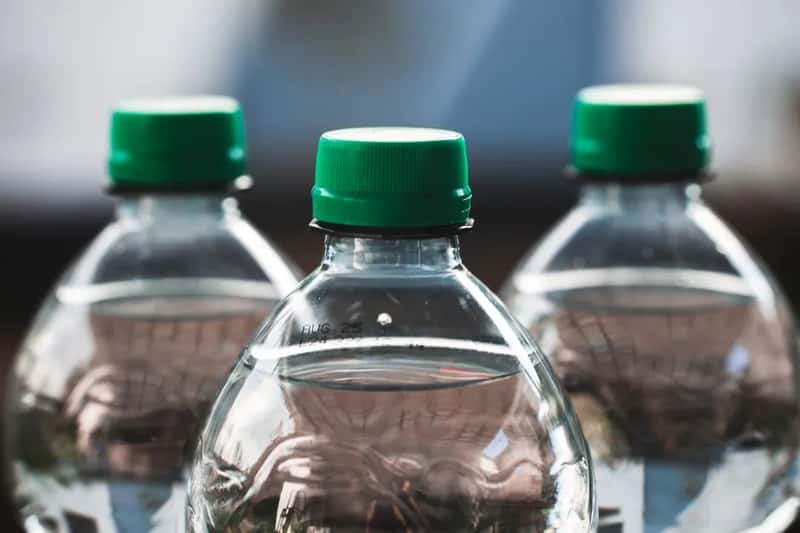
Mexico holds the distinction of being the world’s heaviest per capita consumer of bottled water. Mexico has become the world’s largest consumer of bottled water per capita, with an average of 274–286 liters consumed per person per year, which is five times the global average. That is not a preference for fizzy imported brands, it is a survival habit shaped by decades of distrust in municipal supply.
Eight out of every 10 Mexicans, and nine out of every 10 Mexico City residents, regularly consume bottled water, making the country the world’s top per-capita consumer of the product. Researchers point to aging pipes and inconsistent treatment as the root cause, and a 2025 water policy study found that 57% of Mexicans lack access to safe drinking water, driving the Mexico bottled water market growth. The financial toll is real too, with households across income brackets folding bottled water into essential monthly spending rather than treating it as a luxury item.
2. India

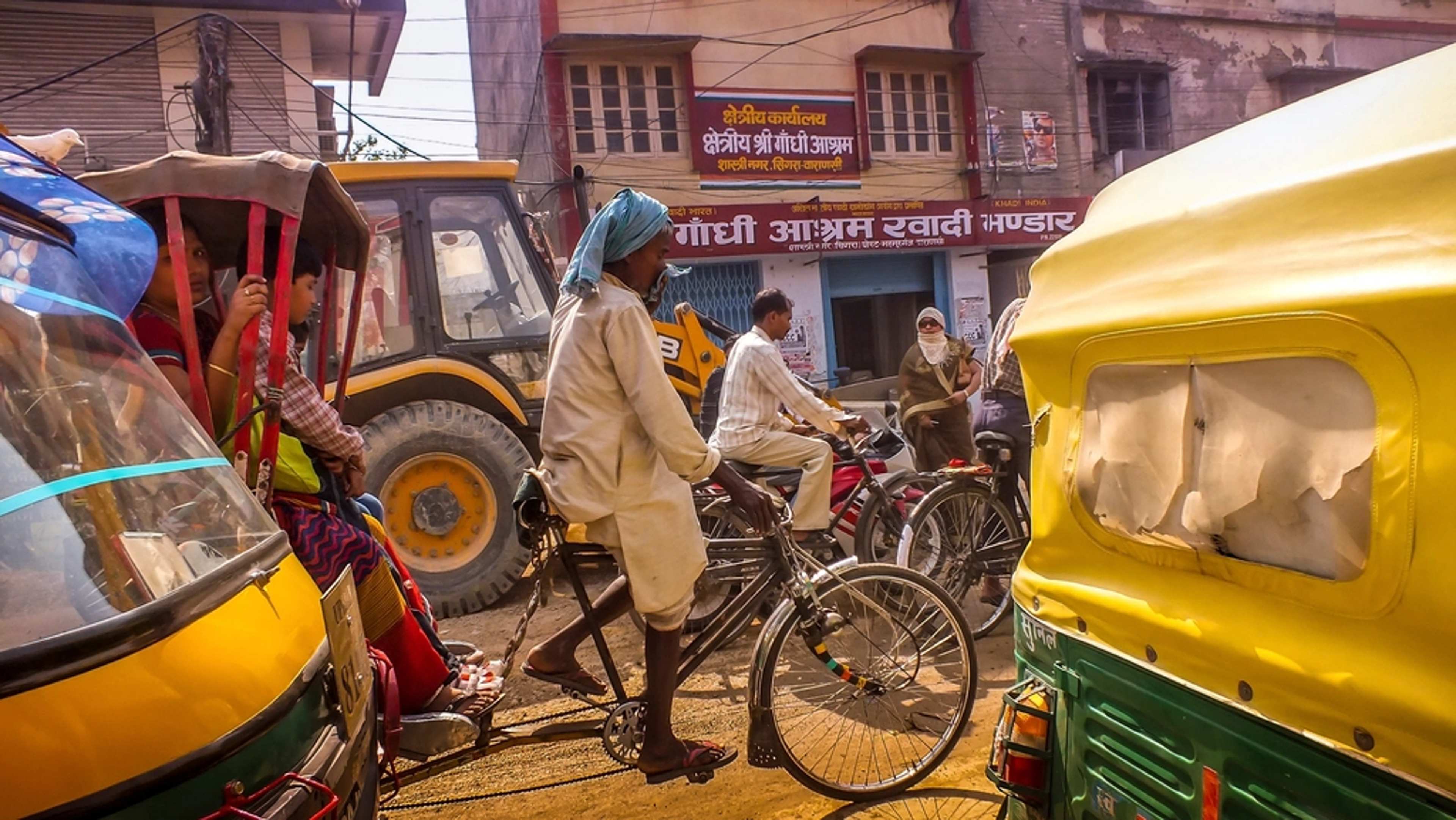
India’s relationship with tap water is complicated by scale. Hundreds of millions of people live in cities where pipes were laid decades ago and never fully upgraded, and the gap between water leaving a treatment plant and reaching a kitchen tap is where most contamination happens.
A national survey found that only 2% of Indians get potable tap water, and 65% use a filtration system, which tells you how normalized home filtration and bottled alternatives have become. The consequences of skipping that step can be serious, since around 37.7 million people are annually affected by water-borne diseases in the country. As recently as December 2025, a contamination incident in Indore left residents dealing with vomiting and dehydration after drinking municipal water, a reminder that these are not just historical statistics.
3. Pakistan
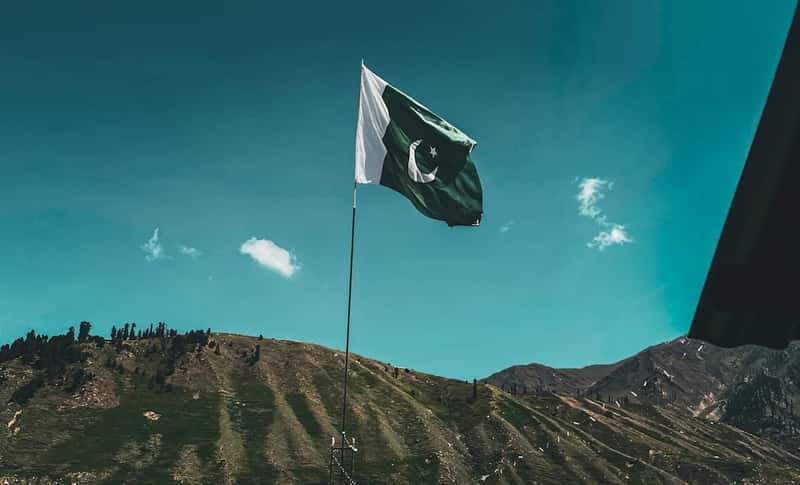
Pakistan’s water supply looks reasonably good on paper, with coverage numbers that suggest most households have some kind of access. The reality inside the pipes tells a different story entirely.
According to Wikipedia’s summary of national data, access to safe drinking water in Pakistan remains a serious challenge, with only 36% of the country’s water supply deemed safe for consumption, and despite having 92% water supply coverage, over 70% of households use bacterially contaminated water. Even major urban centers are not spared, since 61% of water sources in major cities like Karachi and Multan are unsafe for drinking. The human cost is steep too, as the same contamination problem contributes to the deaths of over 53,000 children under five each year due to diarrheal illnesses, which explains why bottled and filtered water dominate daily life rather than acting as an occasional backup.
4. Philippines
Across the Philippine archipelago, buying water has become as routine as buying rice. Even in the capital region, distribution problems undo whatever treatment happens upstream.
Tap water in the Philippines is unsafe for drinking in most areas, and while water treatment plants exist in major cities like Manila, Cebu, and Davao, the distribution system is often compromised by aging pipes, illegal connections, and poorly maintained infrastructure, so even in Metro Manila, tap water frequently becomes contaminated during distribution. National data backs this up at scale, with 53% of households in the Philippines lacking access to a safely managed water supply. The upside is affordability, since bottled water is very affordable, with 500ml bottles running roughly 0.30 to 0.60 US dollars, and available everywhere from convenience stores to refilling stations.
5. Indonesia
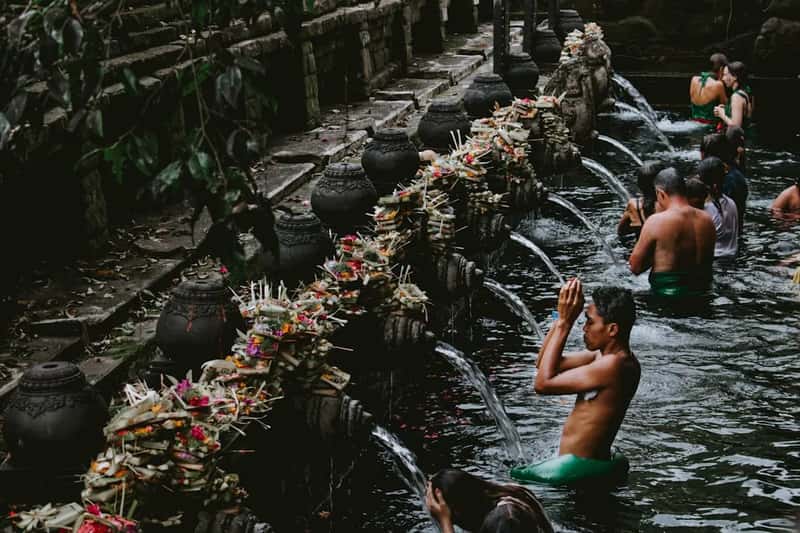
Indonesia’s thousands of islands each come with their own patchwork of water infrastructure, and consistency is the biggest casualty. Even the country’s most visited destination struggles with this basic issue.
The water treatment systems across the islands vary widely, and even in Bali, the country’s top tourist destination, tap water is not safe to drink straight from the faucet, with bacteria, parasites, and chemical contamination being the main concerns. Nationally the numbers are stark, with one dataset showing Indonesia at 69.5 percent without access to safely managed drinking water, among the highest rates recorded in Asia. As a result, most hotels provide bottled water, and locals typically boil or filter water before drinking it at home.
6. Lebanon
Lebanon’s water troubles are tangled up with its broader economic collapse. Electricity shortages mean pumping stations cannot always run, and when supply drops, bottled water fills the gap out of necessity rather than choice.
Most Lebanese households depend on bottled water for their drinking needs, in part because of concerns over the quality of tap water. UNICEF has documented how public utilities have struggled to keep pace, noting that water supplies from the four Water Establishments have decreased dramatically, often falling short of the 35 litres per capita per day considered the minimum acceptable quantity. For families already squeezed by inflation, adding bottled water to the weekly shopping list is simply one more strain on a stretched budget.
7. Nigeria
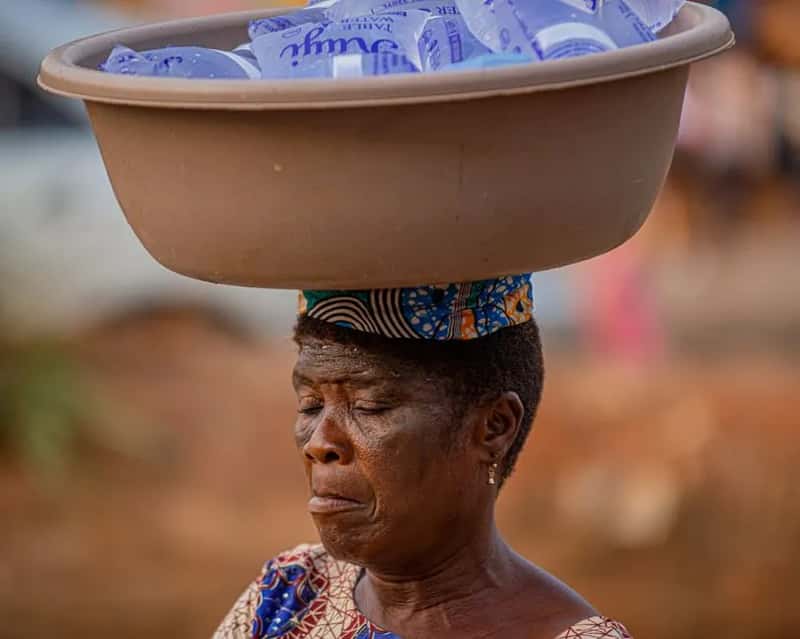
Nigeria’s rapid urban growth has outpaced its water infrastructure investment for years, leaving both cities and rural regions dependent on private and informal water sources. Sachet water, sold in small plastic pouches on nearly every street corner, has become as iconic to Nigerian daily life as bottled water is elsewhere.
Nigeria appears among the countries where access to safe drinking water remains below 50% of the population, indicating significant infrastructure and coverage gaps. That shortfall has fueled an enormous informal market of vendors selling packaged water by the roadside, a business built entirely on the fact that municipal taps cannot be trusted for direct consumption in most neighborhoods.
8. Bangladesh
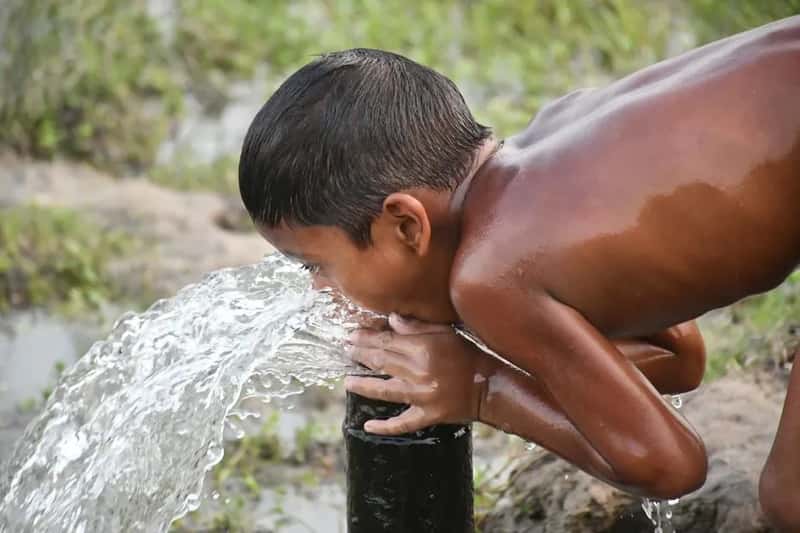
Bangladesh faces a somewhat different challenge than pipe corrosion or treatment gaps, namely naturally occurring arsenic contamination in groundwater across large parts of the country. That geological problem has pushed millions of households toward purchased or specially treated water as their default source.
Bangladesh is listed among nations where access to safe drinking water remains below 70% coverage, a category that groups it with several other South and Southeast Asian countries facing similar structural gaps. For urban families in Dhaka and other major cities, bottled and filtered water has effectively replaced the tap as the trusted daily source, particularly for children and anyone with a compromised immune system.
9. Peru
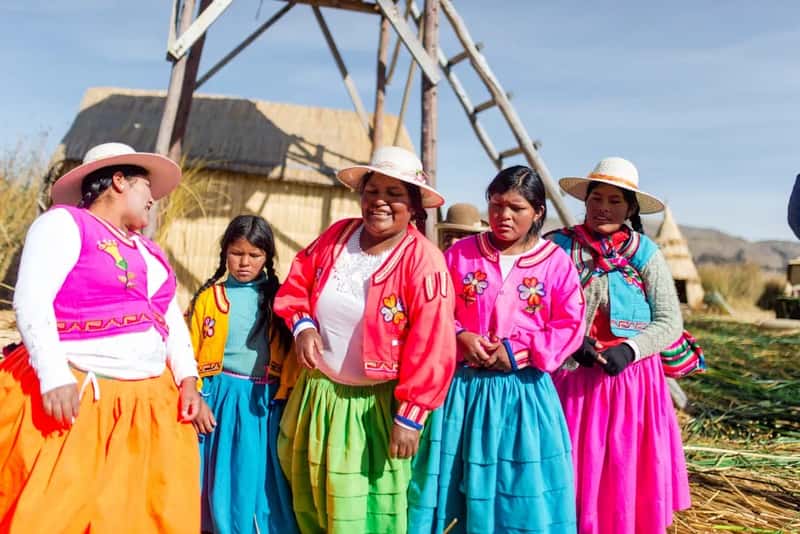
Peru’s water story is shaped heavily by geography, with Andean mining activity and a struggling municipal network combining to make tap water an unreliable option in much of the country. Travelers are warned early on, but for residents it is simply a permanent fact of daily life.
Peru is struggling with life-upending water scarcity, and toxins have been detected in water sources in the country, so residents are better off with bottled or filtered water. Rural highland communities face the added burden of inconsistent supply, meaning that even when water is technically available it may not run through the pipes every day, pushing bottled water from convenience to necessity.
10. South Africa
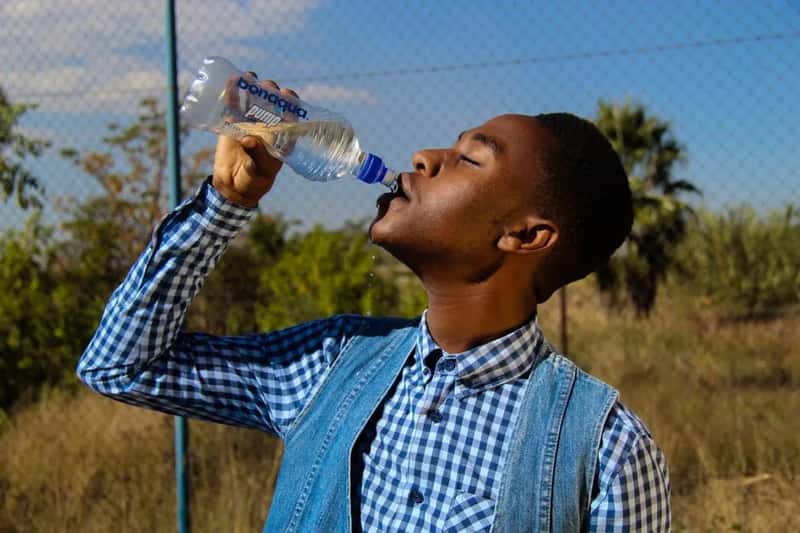
South Africa presents an interesting case because its major cities, particularly Cape Town, are often described as reasonably safe for tap water compared to much of the rest of the continent. Still, outside those urban cores, the picture shifts considerably.
A 2025 assessment noted that conditions had largely held steady rather than improved, and that thanks to run-down equipment and the need for boreholes in more rural areas, issues including the presence of microplastics, heavy metals, pesticides, and E. coli may be present. Travelers heading beyond the main cities are routinely advised to stick with bottled water, and many South African households in smaller towns and rural provinces have made that same switch permanent rather than occasional.
Taken together, these ten countries show that the line between rich and poor water access does not always follow the line between rich and poor economies. Mexico and the Philippines both have sizable middle classes, yet bottled water spending eats into household budgets there just as it does in lower income nations facing infrastructure gaps. The common thread is trust, or the lack of it, in pipes and treatment systems that were often built for smaller populations decades ago and never fully modernized since.