Cruise brochures sell a tidy idea. You unpack once, wake up somewhere new, and let someone else handle the logistics. It’s an appealing pitch, and for plenty of people it holds up.
The public record tells a more complicated story, though. Pricing, illness reports, crowding and emissions all look different when you read the data instead of the ads. Here’s what the numbers show as of late 2026.
The Advertised Fare Is Only the Starting Point
Cruise fares can look surprisingly affordable, but the price advertised is rarely the amount travelers ultimately pay.[1] In 2026, rising gratuities and charges for drinks, internet, dining, and activities can quietly add hundreds of dollars to a vacation.[1] One cost guide estimates that on most cruise lines, these extras add 50 to 150 percent to your base fare.[2]
Another calculator suggests a realistic total budget runs one and a half to two and a half times the advertised fare.[3] By its math, a couple who spent $1,200 on their cabin often ends up closer to $2,500 to $3,500.[3] These are travel industry estimates, not official figures, so your own total will move with how much you drink, tour and stay online.
Gratuities Rise and You Can’t Really Opt Out
Automatic gratuities generally run about $17 to $24.50 per passenger, per day, depending on the line and cabin.[1] Carnival raised its rates to $17 for standard cabins and $19 for suites on April 2, while Celebrity increased its rates to between $19.50 and $24.50 on July 29.[1] Royal Caribbean currently charges $18.50 to $21.[1]
The daily charge adds up quickly. Two people on a seven night Royal Caribbean sailing pay about $259 in gratuities alone.[4] A family of four on the same cruise is over $500, before anyone has ordered a drink.[4] Some lines let guests adjust the amount onboard, though these charges support crew compensation.[1]
The Drink Package Math Is Harder Than It Looks
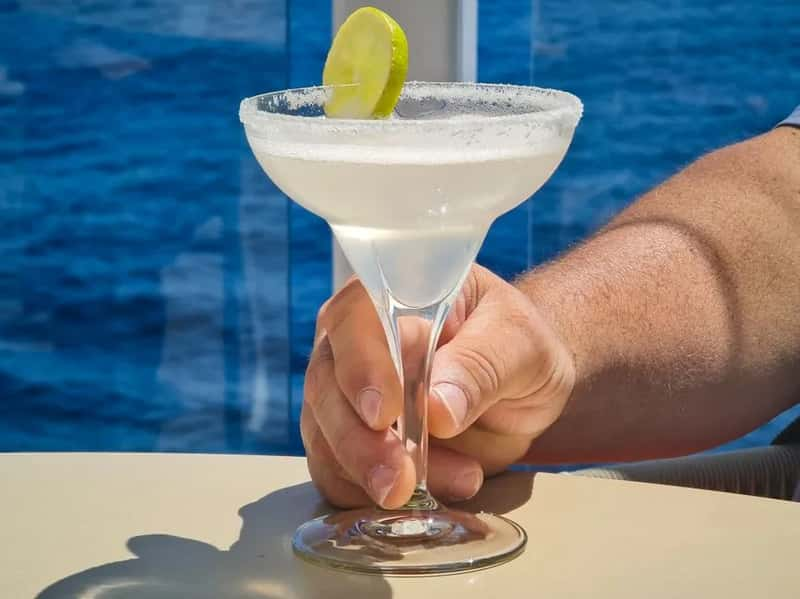
Drink packages can cost roughly $10 per day for soda to $100 or more for alcohol, often with an additional service charge.[1] Carnival’s alcoholic package starts around $69.95 per adult, per day.[1] Royal Caribbean and MSC both add an eighteen percent charge on drink purchases, and a package carries it too.
Whether a package pays off depends on your habits. One pricing guide says that if you drink 5+ drinks per day, the package saves money.[5] Another example puts two drink packages at roughly $84 a day plus service charge at about $1,390[4] for a week. That’s a big sum to commit before you’ve seen the first port.
Internet and Shore Excursions Add Up Quietly
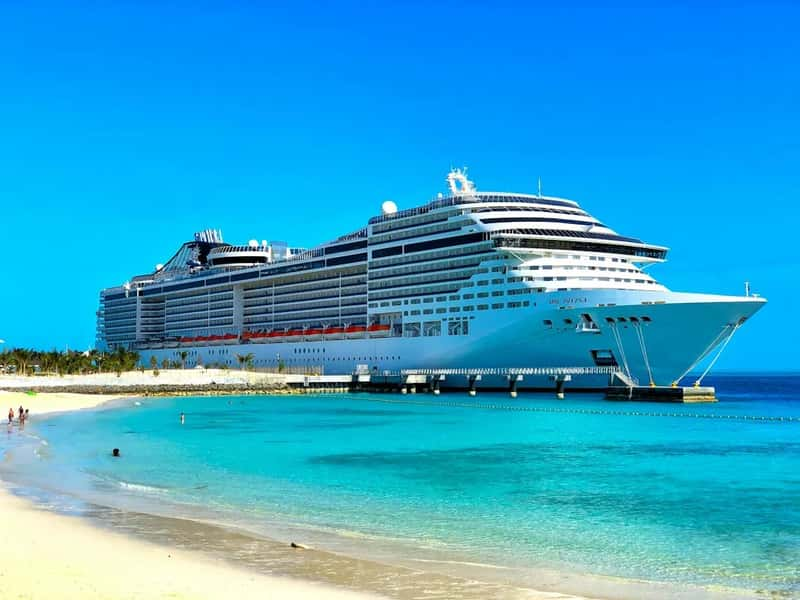
Staying connected at sea isn’t cheap. Cruise ship internet plans can range from $15 to $30 per day, depending on speed and data limits.[6] Even unlimited packages often come with restrictions on streaming or multiple devices.[6]
Excursions are the other soft spot. Nearly 70 percent of cruise travelers book shore excursions[7], according to CLIA figures cited by one travel group. One cost guide describes them as frequently the single largest variable cost, since ship booked tours run 30 to 60 percent above independent options.[3] Booking on your own can trim the bill, but it also means more planning.
Stomach Bugs Are a Documented Risk

One tally of CDC data says that the agency posted 23 cruise ship gastrointestinal outbreaks in 2025, with norovirus causing 18 of them.[8] The 2026 count is lower so far. Nine outbreaks have been posted on cruise ships in 2026, according to the CDC’s Vessel Sanitation Program[9], and only five were confirmed as norovirus.[9]
Individual cases show how fast it spreads. On Holland America’s Rotterdam in January, eighty one passengers plus eight crew members reported diarrhea and vomiting.[10] A Cunard voyage in 2025 left 224 passengers and 17 crew members ill.[11] For balance, the CDC says norovirus in most healthy adults lasts one to three days[11], and one tracker notes that none of this year’s outbreaks cancelled a cruise.
A Floating City Shared With Millions
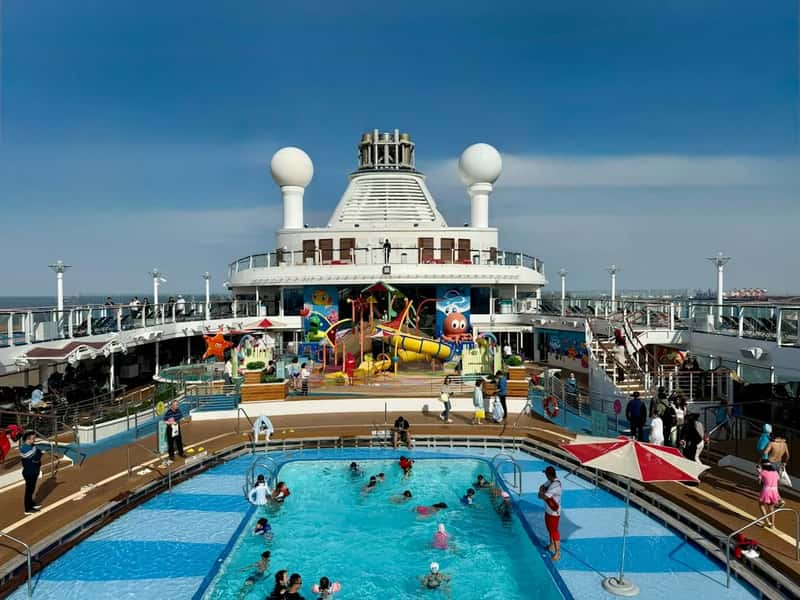
Cruising has never been more popular. Global cruise passenger volume reached a historic high of 37.2 million in 2025[12], and the industry is forecast to carry 39.1 million passengers in 2026.[13] That demand lands in a handful of places, since Miami remains the top ocean going cruise port globally, with an estimated 9.3 million passenger movements.[13]
Supply is growing to match. For 2026, CLIA counts 325 ocean going ships in its member fleet, representing roughly 690,000 lower berths[14], and it projects about 42 million annual passengers by 2028. More people means longer lines for the same ports, tenders and pools.
Ports Are Starting to Push Back
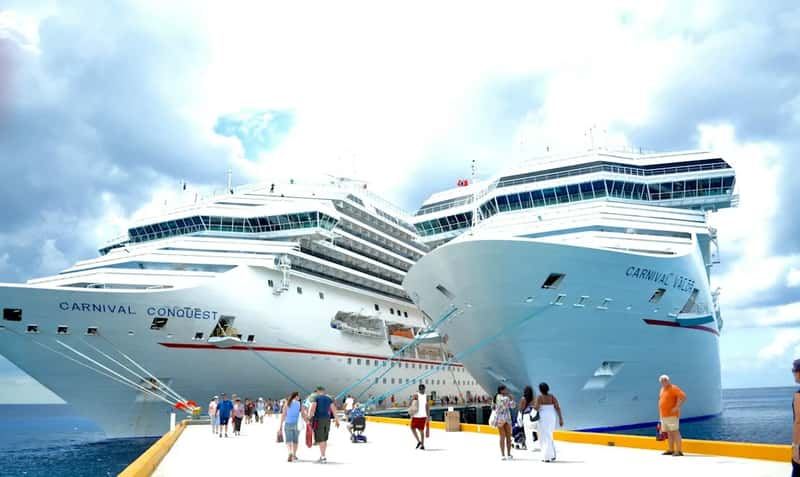
Juneau, Alaska, shows the tension clearly. The city has struggled to balance the influx of cruise passengers with residents’ complaints of overtourism resulting in overcrowded streets in downtown.[15] Juneau and CLIA agreed to a cap of five cruise ships per day, and this year are adding a limit of 16,000 passengers per day and 12,000 on Saturdays.[15]
Europe is seeing similar friction. One industry report notes ports contend with a hardening overtourism backlash and Barcelona’s doubled tourist tax.[14] Venice went further and banned large ships from its port in 2021. For passengers, that can mean more rules and busier visits, though the effect varies a lot by destination.
The Environmental Bill Is Hard to Ignore
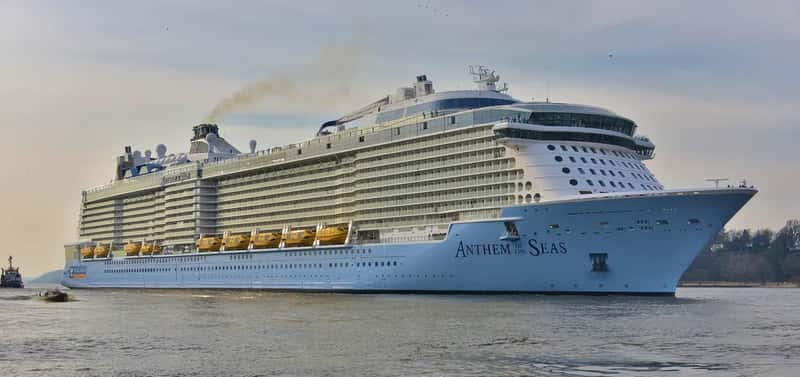
A 2023 study by the campaign group Transport & Environment looked at 2022 data. It found that Europe’s 214 cruise ships still emitted more sulfur than one billion cars in 2022.[16] The same group estimated that cruise ships sailing in European waters in 2022 emitted more than 8 million tonnes of CO2.[17]
Cleaner fuel isn’t a simple fix either. Liquefied natural gas cuts some pollutants, yet it is extremely damaging from a climate perspective due to methane leaks from engines.[18] Venice offers a counterpoint, since air pollutants from cruise ships fell 80 percent following the city’s ban on large cruise ships.[18] Keep in mind that T&E is an advocacy group and these figures date from 2022, so they’re a snapshot rather than a current reading.
What the Industry’s Own Data Shows
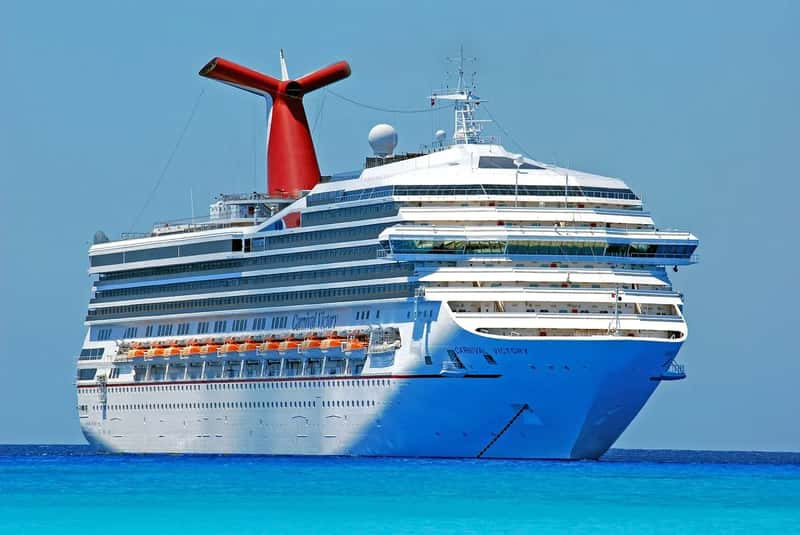
None of this has dented demand. CLIA’s 2026 report found that nearly 90 percent of passengers surveyed said they intend to sail again, the highest level recorded by CLIA.[19] The industry also continues to attract new guests, with 31 percent of cruisers first time passengers.[19]
So the evidence cuts both ways. Extra costs, outbreak reports, crowded ports and emissions are all documented, and so is the large number of travelers who keep coming back. Which side outweighs the other depends on your budget, your tolerance for crowds and what you want from a week away.