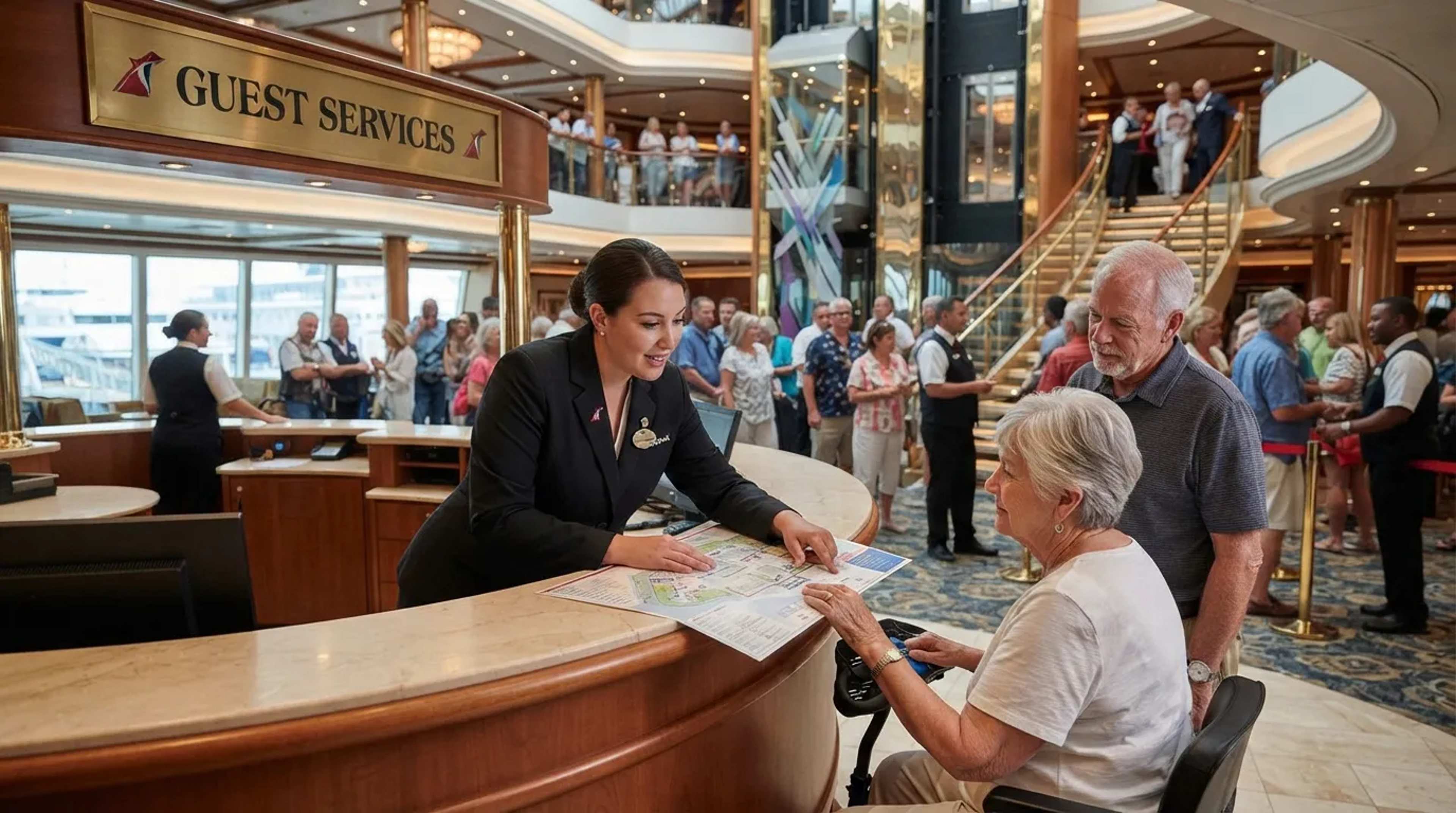
A room listed at $200 a night can easily turn into $260 or more by the time the final bill arrives. The gap rarely comes from one big charge. It builds from smaller line items that each look reasonable on their own.
Federal rules changed how hotels advertise prices in 2025, so some of these charges are easier to spot than they used to be. Others still sit outside the headline number. Here are six worth knowing before you hand over a card.
Resort and Destination Fees

A resort fee is a mandatory daily charge added on top of the advertised room rate.[1] A NerdWallet study of 160 hotels found fees averaging about $33 per night, with a range from roughly $15 to $50 a day.[2] Chain matters too, since the same study reported an average of $50 at Marriott and $25 at Wyndham, where a fee applies.[2]
Since May 12, 2025, the FTC’s Rule on Unfair or Deceptive Fees has required businesses advertising short term lodging prices in the US to show the total price, mandatory fees included.[3] That helps with comparison, but the rule does not ban resort fees or any other fee.[4] In Las Vegas, most major Strip hotels charge between $45 and $55 per night before tax.[5] Some chains offer relief, as Hilton Honors and World of Hyatt waive resort fees on bookings made with points.[2]
Parking Charges
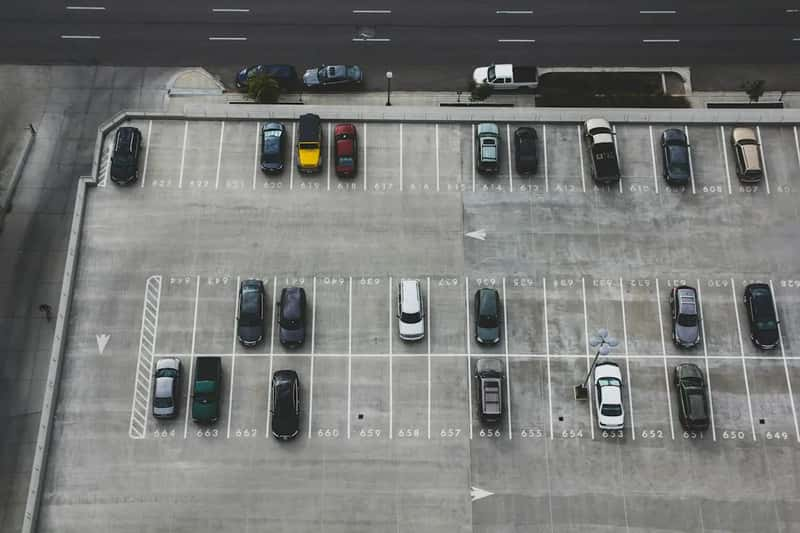
Parking is the line item that quietly wrecks a good hotel comparison. One 2026 roundup says self parking at urban hotels now averages $38 per day in US cities.[6] Another puts self parking at $30 to $45 per night, with valet parking exceeding $70 per night in downtown areas.[7] Over a long weekend, parking alone can add $120 to $280 over a four night stay.[7]
Suburban hotels aren’t immune. Reporting on Orlando found that Fairfield Inn & Suites Orlando at Flamingo Crossings Town Center doubled its parking price from $10 in 2023 to $20.[8] Optional extras like this usually fall outside the advertised total, since parking, WiFi upgrades, early check in, and minibar purchases are not required to be in the advertised total.[9] A quick map search can also show whether nearby public lots cost less than the hotel does.[10]
Early Check In and Late Checkout Fees

Standard check in is 3pm at most hotels.[6] Arrive earlier and you may pay, since early check in before noon costs $25 to $75 at many midrange and upmarket properties, and a few upscale brands charge $100 or more.[6] Late checkout works the same way, with charges that can reach $100 for extensions beyond 2 p.m.[7]
Pricing can be tiered. One example is Hyatt Place Denver/Downtown, which lists early check in at $50 before noon and $35 between noon and 3 PM, subject to availability.[11] Because the fee often depends on how full the hotel is, asking ahead can help. Fees often run $45 to $75 flat, and they’re sometimes negotiable, with loyalty status helping.[10]
Minibar Sensor Charges

The minibar looks harmless until you learn how some of them work. Some hotel minibars use weight sensor technology that automatically charges your room if items are moved, even if you put them back.[9] Prices are steep to begin with, with individual items costing $8 to $20.[7]
The bill may not show up right away. Some hotels may charge for the item, and possibly a restocking fee, and these charges can show up days later on your credit card.[12] A simple habit helps, which is to take a quick photo of the minibar when you arrive for a record of what was there.[13] If a charge looks wrong, ask the front desk to have housekeeping verify the contents before the bill is finalized.
Housekeeping and Other Itemized Add Ons

Some hotels are moving toward itemized pricing. One 2026 roundup says the base room rate looks lower, but early check in, premium WiFi, resort access, and even daily housekeeping are billed separately.[6] It adds that some hotels now charge $10 to $20 per day for daily service, with every other day service as the default.[6]
Treat the broader numbers with some caution. That same roundup cites an April 2026 Hospitality Net analysis saying discretionary fee structures are now standard at roughly 35 percent of US hotel properties, up from 22 percent in 2024.[6] I couldn’t confirm that figure against the original analysis. It’s still a reasonable signal that these extras are spreading, so check the fee list before you book.
Taxes Added at the Last Step

The total price rule has a gap that surprises people. Hotel taxes are still added at checkout, because government charges are excluded from the total price under the rule.[14] So the number you see while shopping can still rise before you pay.
Taxes can also apply to the fees themselves. One Las Vegas guide says Clark County’s transient lodging tax adds 13.38% to a resort fee, so a $55 fee becomes $62.36.[15] The rule also requires that before you agree to pay, you see the final amount and any fee left out of the total price.[3] One practical check is to compare your confirmation total to the search page price you saved.[14]
What to Check Before You Pay
Compare hotels on the full stay cost, including parking if you’re driving and any arrival or departure fees you’d realistically use. Look at the final amount screen before confirming, and keep a screenshot of the price you were first shown.
At the property, photograph the minibar and review the itemized bill before you leave. Resort fees can still be charged, but under the 2025 FTC rule they have to appear in the total price you see first.