Here is the part nobody says out loud at the counter: turning 60 does not wipe out most of the fees below. Age alone rarely moves an agent, but the right rule, card or program does.
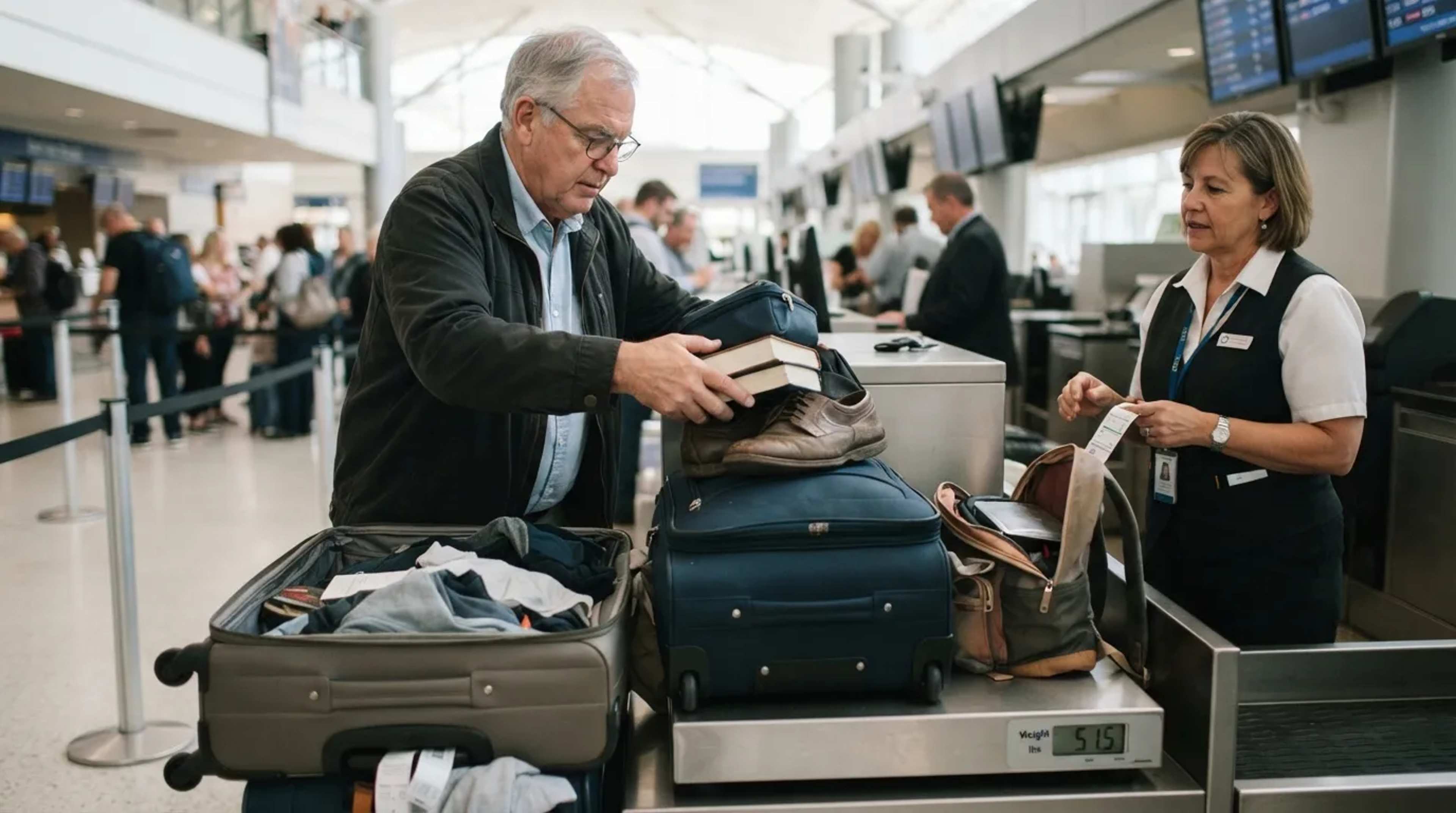
A first checked bag now runs $35 to $45 each way at carriers such as Delta and Southwest. That means one suitcase can cost $70 to $90 on a round trip.
Hotels pile late checkout, early check-in and resort charges on top. The waivers that actually stick come from medical-device rules, refund rights, status, cards and a few foreign senior programs.
Sixteen of them follow, and the last one has no cap at all and can be worth thousands of dollars. Stay for it. We start at the hotel desk, where the sums are smallest and the asking is easiest.
#16 – Late Checkout Without the Fee, With an AARP Card

Some hotels bill extra to hold your room past 11 a.m., and an AARP card is a quick way to get that charge dropped. Hilton brands let members request a checkout as late as 2 p.m. at no additional fee, and Wyndham pairs it with up to 10% off.
Read the wording closely: you can request a late checkout until 2 p.m., granted when available. The answer depends on the hotel’s occupancy, not on your birthday.
On a slow Sunday, holding a room two more hours costs the hotel almost nothing. On a sold-out Friday, mentioning your age won’t move anyone.
So carry the card and watch the calendar. In some cases you’ll need to show your membership card at check-in.
Getting into the room early is a different request, and one hotel brand ties it to loyalty tiers instead of to your age.
#15 – The Early Check-In Charge You Can Decline

Hotels sometimes list a fee for early check-in, but the charge is optional, and it only appears on your bill if you used the service. A polite request to waive it can work, particularly with loyalty status or open availability.
The phrase that governs the whole subject is “subject to availability.” If your room is already cleaned and empty, the hotel gives up nothing by letting you in.
Best Western’s AARP page lists early check-in and late check-out as perks for its Platinum and Diamond tiers, subject to availability. A Gold member with an AARP rate shouldn’t count on it.
At a Glance
- The early check-in fee is optional and only lands on your bill if you use the service.
- Best Western lists early check-in and late check-out for Platinum and Diamond AARP tiers.
- Hilton-brand AARP late checkout can run as late as 2 p.m., when available.
- Best timing: ask when you book or the day before you arrive.
So the useful move is to ask in advance, when you book or the day before you arrive. A desk can only promise a room it already knows will be empty.
Then there’s a discount that never shows up unless you ask for it by name.
#14 – The Full Room Rate You Pay Without ID
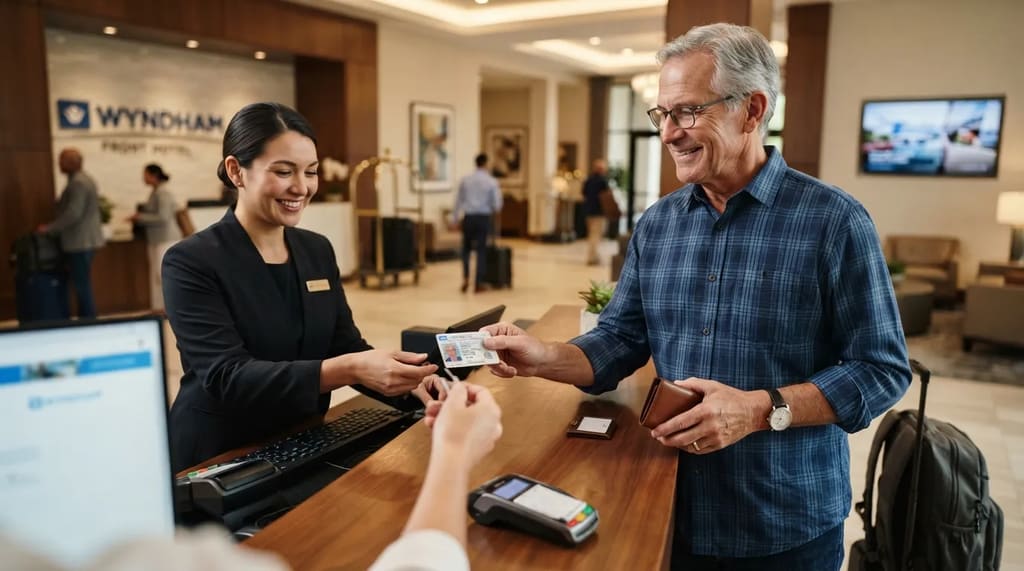
Some chains hold a lower rate for guests over 60, but you have to claim it. Wyndham gives guests 60 and older savings on its Standard Rate at participating locations when they show valid ID at check-in.
Choice Hotels offers up to 10% off to guests 60 and older, or AARP members, who reserve in advance. Online, pick Senior/AARP from the special rate dropdown, or ask for the senior rate when you phone the reservation line.
Marriott’s program requires proof of age at check-in and limits the rate to two rooms a night. Whatever the chain, show valid ID at check-in and book ahead to hold the rate.
Here’s where I’d push back on the usual advice: AARP hotel savings run 5% to 10% off the best available rate, and the discount comes with an advance-booking requirement. Compare it with the public price for the same night, because a sale rate can beat it.
Even a 10% cut in the room rate means little when a mandatory daily charge sits on top of it, and the rules on that charge have changed.
#13 – The Resort Fee That Vanishes When Challenged

A resort fee added automatically at check-in can sometimes disappear when a guest notices it and pushes back politely. It usually takes the right person at the right moment.
Since May 2025, an FTC rule has required hotels to show the total price, mandatory fees included, up front.1 That gives you a number to point to.
So contact the front desk a few days before arrival and ask whether the senior rate applies and whether the fee can be reduced or removed. If something goes wrong during the stay, ask for the fee to be waived as compensation, for example after a delayed check-in or a long line.
Points stays that skip resort fees can be another way around the charge.
Airport counters work differently, and the first thing to learn there is which senior programs are still on offer.
#12 – A Senior Pass You Show at the Airport
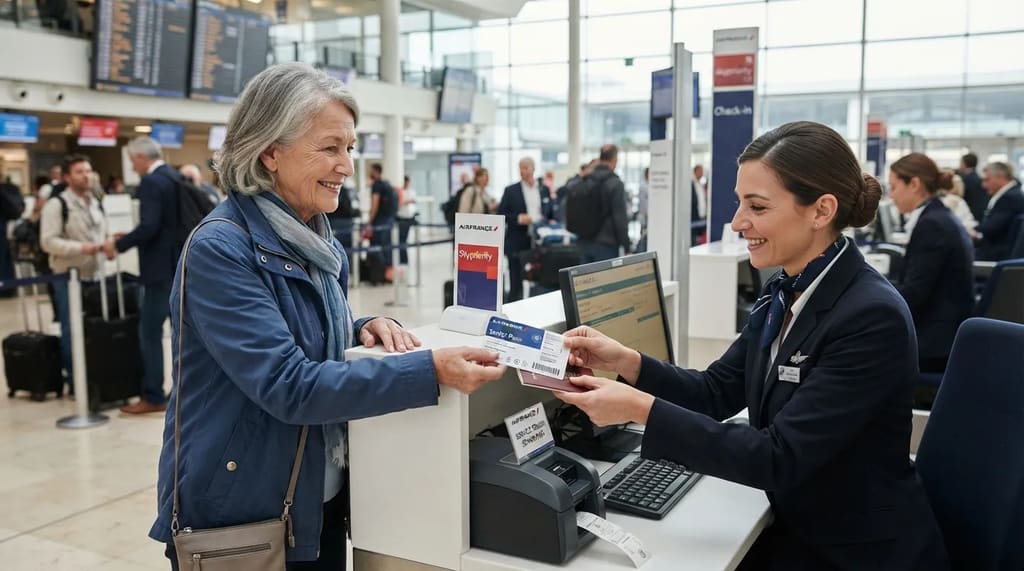
At a U.S. airline counter, age rarely waives anything on its own. The standing waivers come from medical-device rules, refund rights, status, cards, family gear and a few foreign senior programs such as Air France’s.
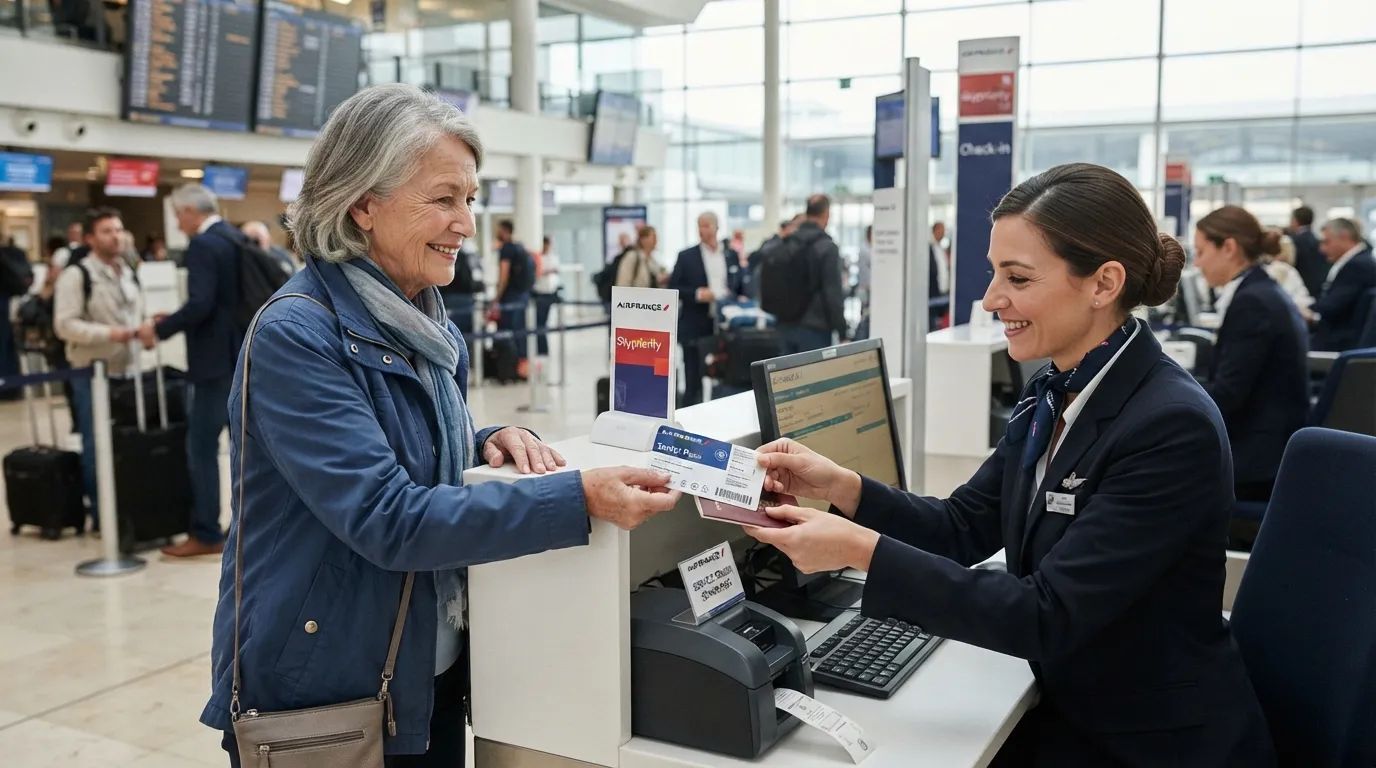
Air France offers a Senior Pass with benefits and discounts that you present at the airport, so confirm the age cutoff for your route before you book. Air India offers 10% off for passengers 60 and over.
Whichever carrier it is, bring government ID showing your birth date to the counter. The fare applies only to the senior traveler, not to everyone on the reservation.
On U.S. carriers, I’d skip the afternoon of hunting for a senior fare. Senior fares sometimes cost more than promotional fares, and United excludes Basic Economy.
The age-free route to a free bag runs through a credit card or a status tier, and the first airline to look at is one that used to include bags in every fare.
#11 – Southwest’s Free Bags Ended, but Not for Everyone
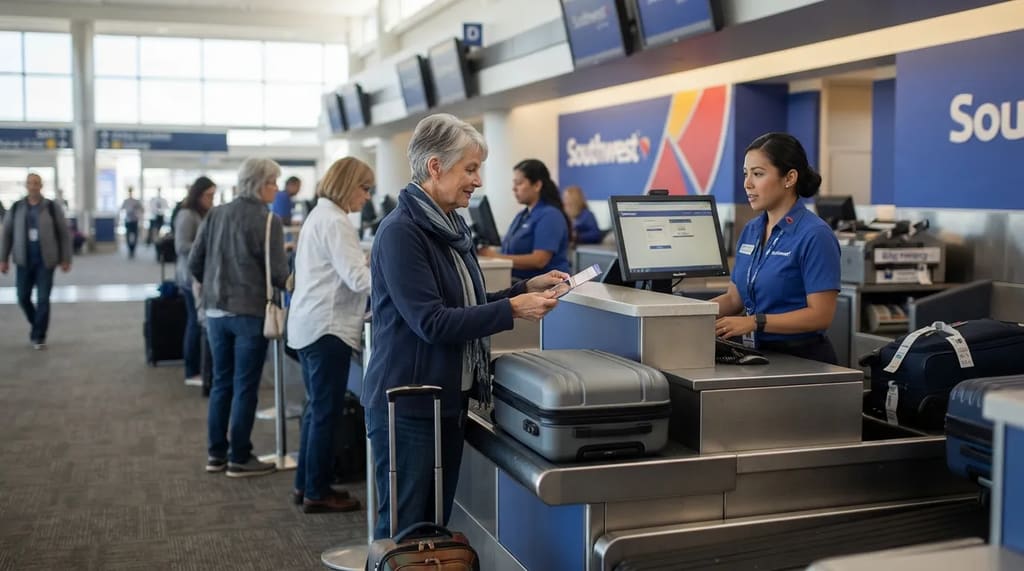
Southwest now charges $35 for the first checked bag and $45 for the second unless you have a qualifying credit card, elite status or an eligible fare class.2 3 Older articles still promise two free bags for every passenger, which stopped being true once the airline began charging.
Any site still promising a Southwest senior discount is out of date, too. Don’t spend counter time asking for one.
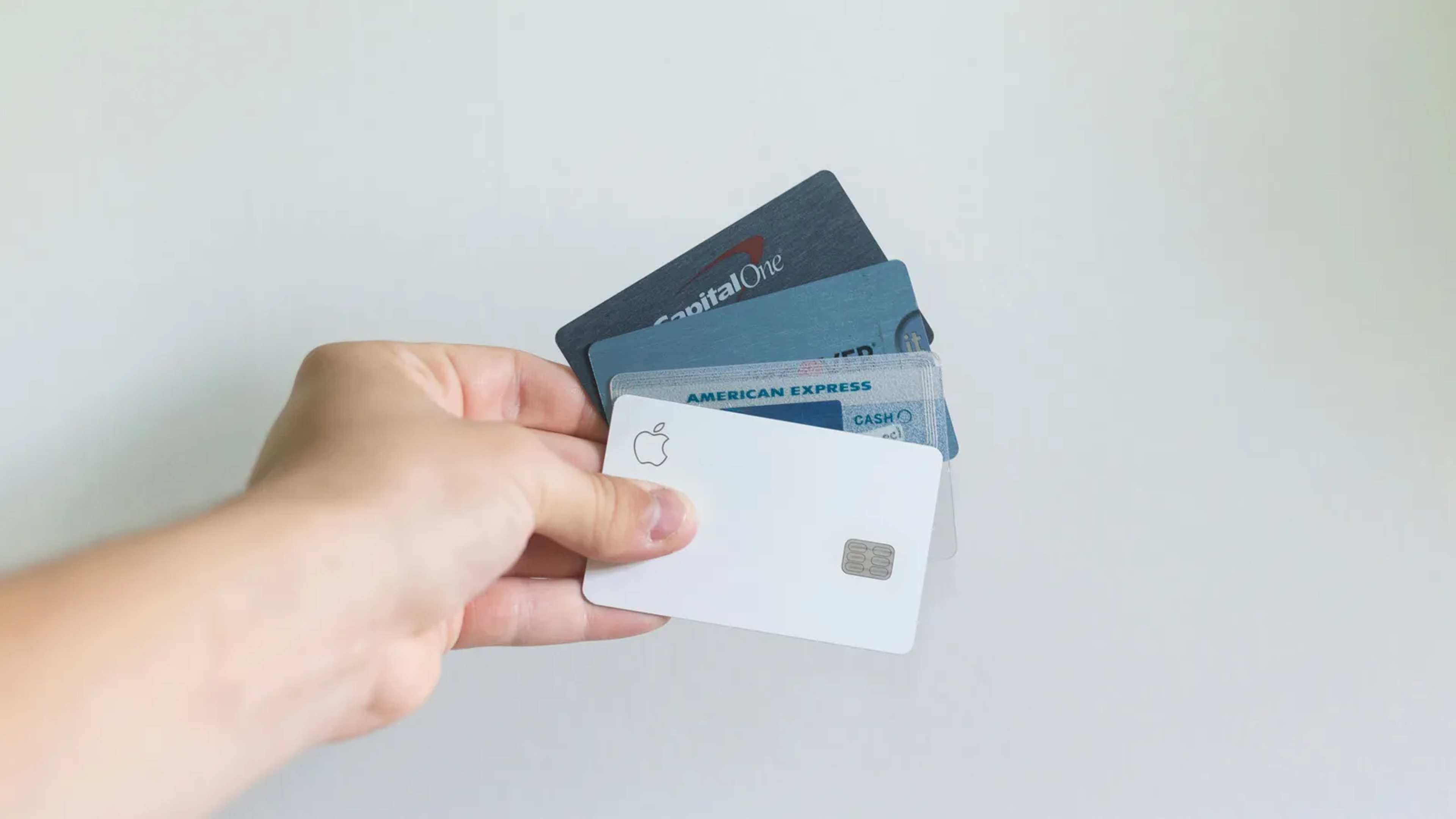
The fixes are card and status: A-List members get one free checked bag, and A-List Preferred members get two.3 Eligible Rapid Rewards cardmembers get their first standard checked bag free, and the Priority card extends it to up to eight additional passengers on the same reservation.4
Card waivers aren’t built alike. United’s stops at one companion, and the savings math changes with it.
#10 – A United Card Covers Your Companion’s Bag
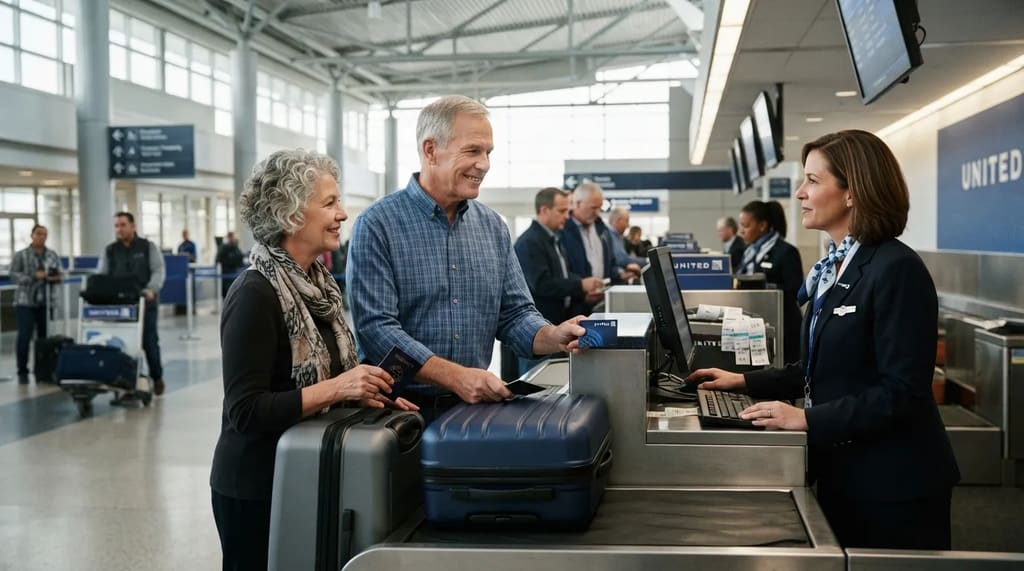
The United Explorer Card gives the cardholder and one companion a free first checked bag. Both travelers must be on the same reservation, on United-operated flights.
United normally charges $40 for a first checked bag. A couple checking one bag each would pay $160 on a round trip, which is the amount the card can wipe out in one trip.
The annual fee has been about $95 and is often waived the first year, so check the current terms. One round trip for two roughly covers it, and a second trip is profit.
If you travel alone, the math is thinner, since you’d only avoid $80.
Delta’s version covers far more people on one reservation, and since June it covers a second bag too.
#9 – Delta’s Card Covers Eight Companions Too
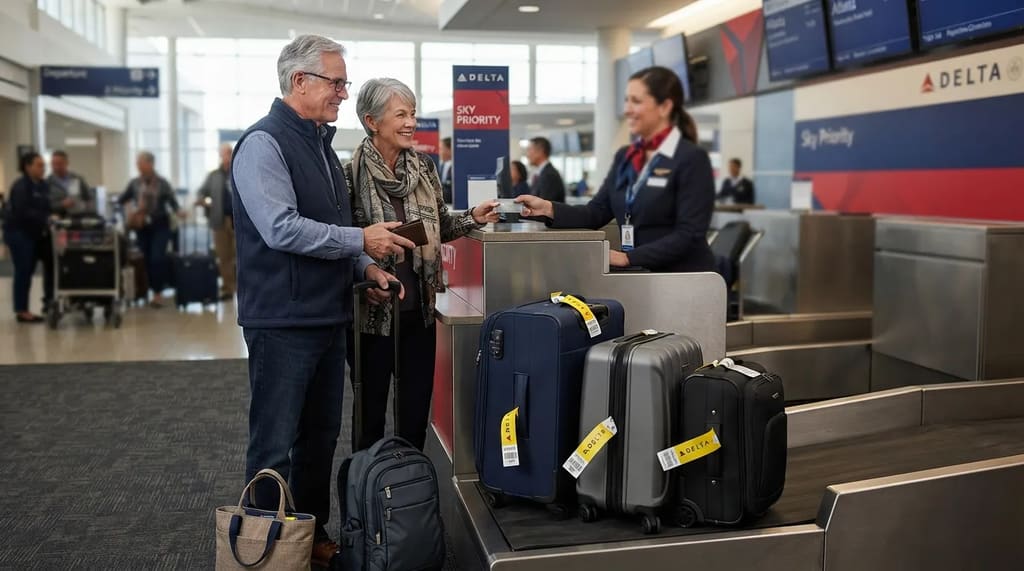
Delta’s Amex co-brands waive the first checked bag for the cardholder and up to eight companions on the same reservation. Since June 4, 2026, each Basic Card Member on the reservation also gets a free second bag on domestic Delta flights.5
The SkyMiles Gold card charges nothing the first year, then $150. Delta’s first bag runs $45 each way, so two travelers with one bag each avoid $180 on a single round trip, which is more than the fee.
Quick Compare
- Delta Amex co-brands: cardholder plus up to eight companions.
- Southwest Priority card: up to eight additional passengers on the same reservation.
- United Explorer Card: cardholder plus one companion.
That makes the card a fair deal for a couple who fly Delta twice a year. Opening one for a single trip is the overrated move here.
Make sure the cardholder’s SkyMiles number is attached to the reservation, or the waiver won’t apply. SkyMiles Silver Medallion status and above also earns a free first bag.
Cards and status only help while the bag stays in your hands, and a separate federal rule pays you back when it doesn’t arrive.
#8 – The Bag Fee Refunded When Luggage Arrives Late
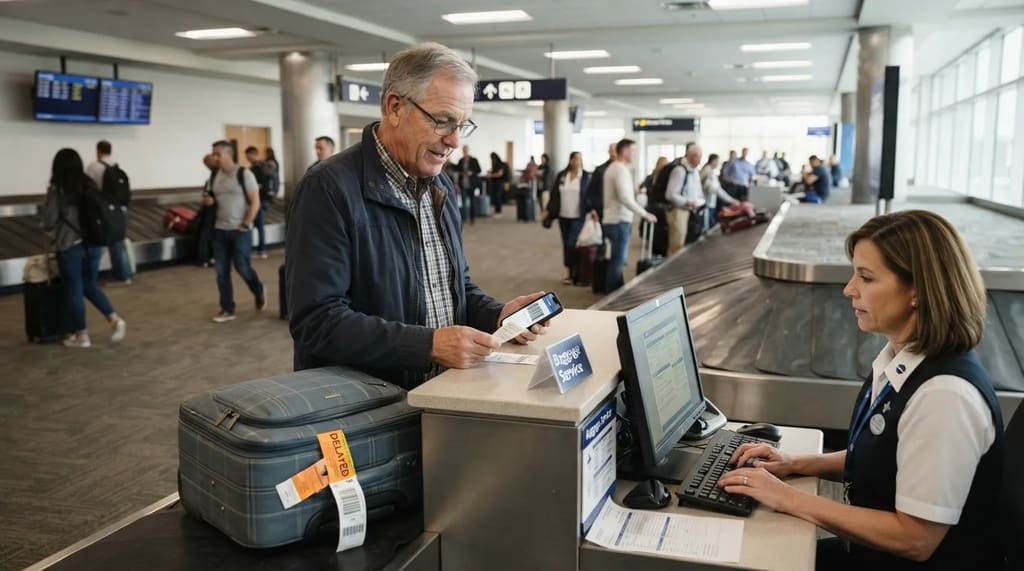
An airline owes you the bag fee back when your suitcase shows up late. Under a 2024 DOT rule, airlines must refund the checked-bag fee when a bag is significantly delayed.
On domestic flights, the Department of Transportation’s threshold is 12 hours after arrival. File a delayed-baggage report with the airline before you leave the airport, because the airline must refund your bag fee when a bag is significantly delayed, and the report gives you a paper trail.
The refund matches whatever you paid. If a card waiver from the earlier sections covered the bag, you paid nothing, so there’s nothing to refund.
Some travelers over 60 bring a different kind of companion through the terminal, and no airline may bill for it.
#7 – Service Dogs Fly Without a Fee
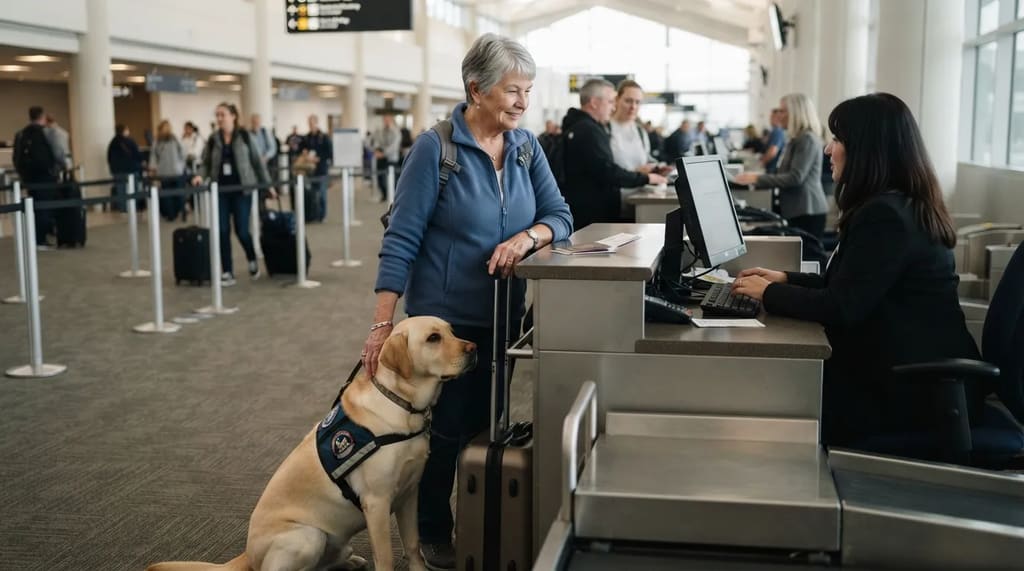
Pets cost money in the cabin, but a trained service dog doesn’t. The airline can’t charge a fee for it.
Under Department of Transportation rules, service animals are limited to dogs trained to perform tasks for a person with a disability.6 That definition is narrow, so an ordinary pet still pays the airline’s pet fee.
Airlines may also ask you to complete a DOT service animal form before departure, so check the carrier’s disability page when you book.6 Unlike a bag waiver, this one needs no card and no status.
A trained service dog flies with no fee. The only cost is the paperwork.
Equipment that keeps a traveler mobile or breathing gets even broader protection.
#6 – Medical Equipment in the Cabin Costs Nothing
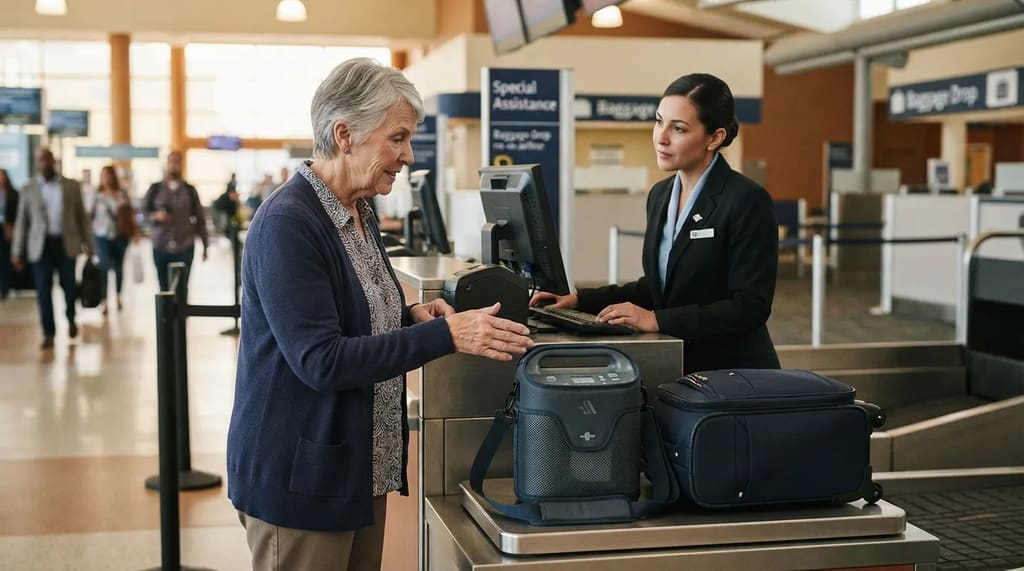
A medical device isn’t a carry-on bag, and airlines can’t treat it like one. Airlines must allow assistive devices in the cabin free of charge, consistent with safety rules, including medical devices and a personal amount of medication.
American’s guidance to agents amounts to this: mobility aids and life-sustaining medical equipment get waivers. The waiver covers equipment that assists passengers with a disability, with functions such as mobility, hearing or communication.
Items outside that definition are charged the standard first-bag fee on the spot. The waiver isn’t a loophole for oversized gear, and if you’re unsure, DOT says to contact your airline’s disability or special assistance desk.
Getting that equipment through a long terminal is its own challenge, and the help with that is free too.
#5 – Wheelchair Help From Curb to Seat Costs Nothing
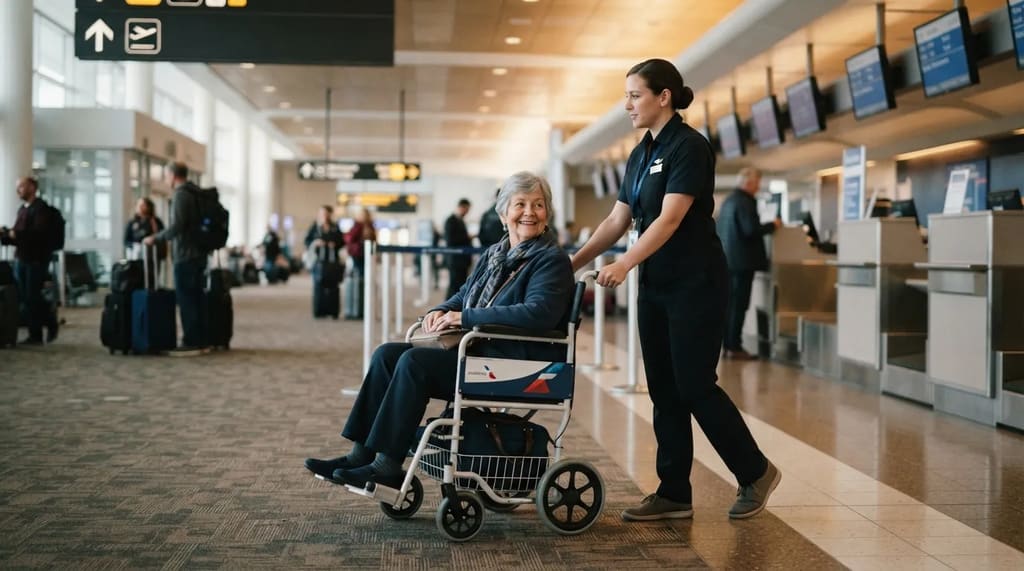
If the terminal walk is the hard part, airlines must provide wheelchair assistance at no charge. That covers help moving through the airport, boarding and getting to your seat.
Request it when you book, or call the airline’s disability line ahead of travel, so someone is waiting when you arrive. The service itself is free, and any tip is your choice.
You don’t have to be unable to walk at all to ask. Passengers who can manage a few steps but not a half-mile concourse can still request it.
It matters most on the day a tight connection and a far-off gate collide.
Frequent flyer status can erase the bag fee quietly, if you can reach it.
#4 – Entry-Level Status That Makes the First Bag Fee Vanish
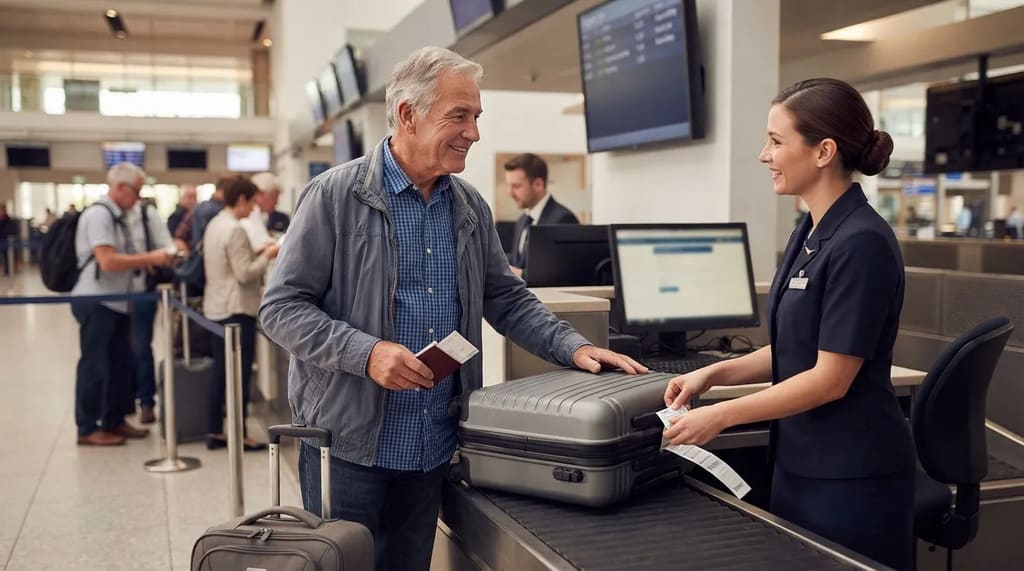
Status turns the bag fee into someone else’s problem. At the big three, the entry tiers that include a free first checked bag are Delta Silver Medallion, United Premier Silver and American AAdvantage Gold.
A solo traveler who checks one bag on four round trips a year dodges about $320 at $40 each way. That’s the quiet value of a tier most people never think about until the counter.
Related Stories From Travelbinger


Fast Facts
- Delta: Silver Medallion is the entry tier with a free first bag.
- United: Premier Silver is the entry tier.
- American: AAdvantage Gold is the entry tier.
- Your frequent flyer number has to be on the reservation for the agent to see the waiver.
The catch is that status takes real flying. A traveler who takes a trip or two a year usually won’t reach it.
Check each airline’s tier chart before you plan around it, because qualification rules change. Then make sure your frequent flyer number is on the reservation, or the agent won’t see the waiver.
Some fees never have to be waived, because you can cancel before they apply.
#3 – The 24-Hour Cancellation Window
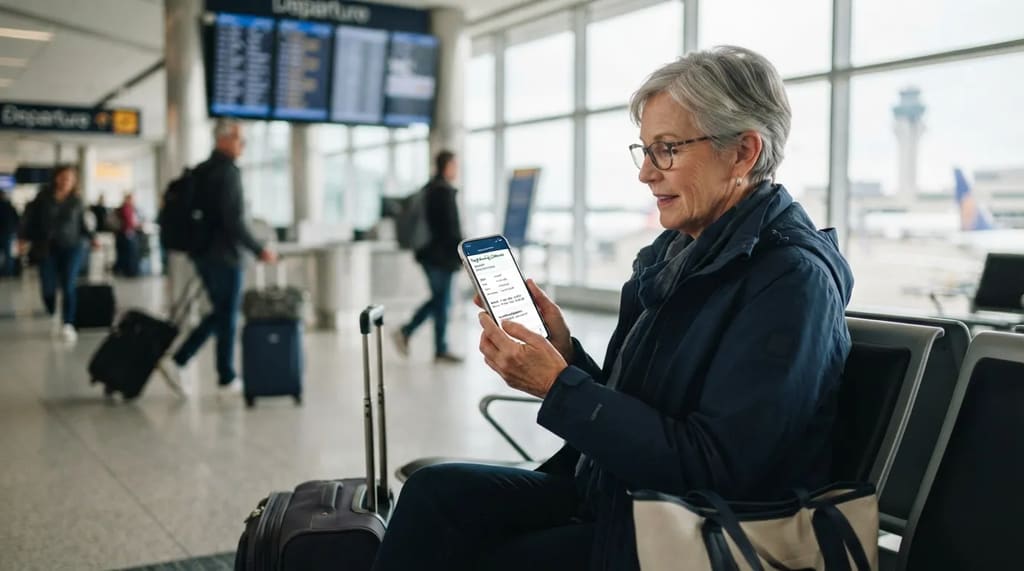
Book a flight, regret it by dinner, and the penalty disappears. Under DOT’s 24-hour rule, an airline selling directly to you must either hold the fare for 24 hours or let you cancel for a full refund in that window.
It applies when you book at least seven days before departure. That makes it the cheapest second-guessing you’ll ever do.
Spot a wrong date or a better fare, and you can cancel and rebook without paying a penalty. Past that window, check the fare rules before you assume anything.
Most main cabin fares at the big carriers no longer carry change fees, but Basic Economy fares often come with tighter rules. Screenshot your confirmation and booking time, because that timestamp is your evidence.
The next refund is for something you paid for and never actually got.
#2 – The Seat Fee You Paid For and Never Got
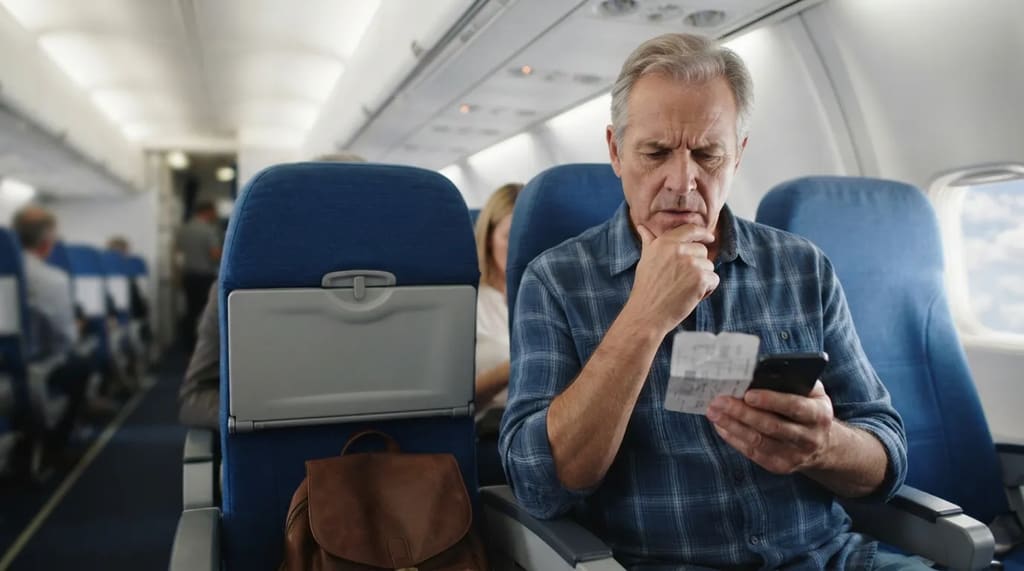
Paying for an aisle or extra-legroom seat is a small bet on comfort. When the airline moves you, you can win that bet back in cash.
Under DOT’s 2024 refund rule, airlines must refund fees for extras they fail to provide, including seat selection and in-flight Wi-Fi that doesn’t work. If you’re moved to a seat that isn’t the one you paid for, you’re owed that fee back.
Don’t wait for it to appear on its own. Ask through the airline’s refund form, and keep the receipt and a photo of your boarding pass.
The rule treats a refund as the default, not a favor. Applied to the whole ticket, it becomes the biggest waiver on this list.
#1 – The Entire Ticket Back When Your Airline Cancels or Rewrites Your Trip
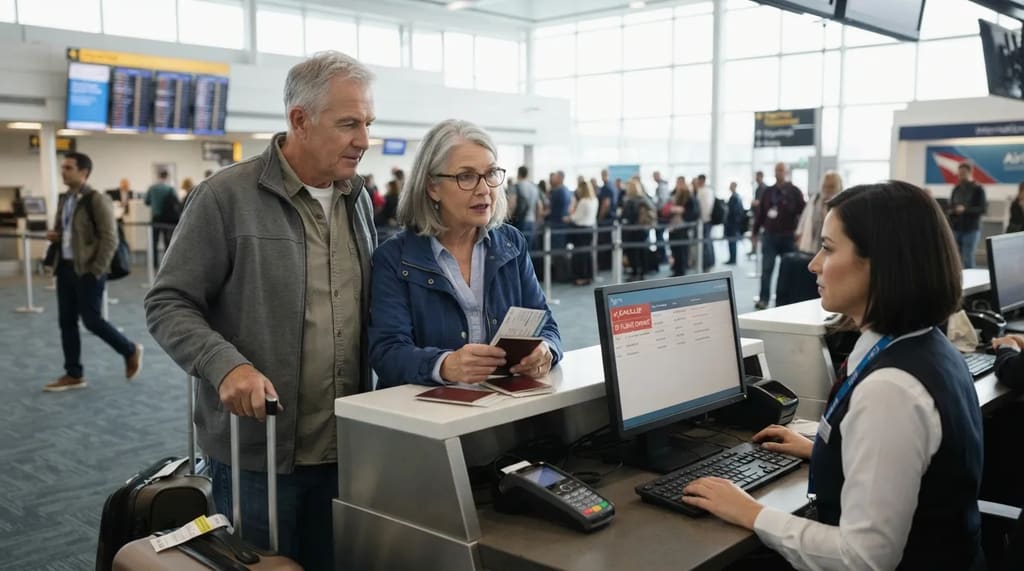
Here it is, the waiver with no ceiling. When an airline cancels your flight or changes it significantly and you decline the alternative, you are owed a refund in your original form of payment, even on a nonrefundable fare.7
DOT’s 2024 rule counts a domestic departure or arrival time moved by three hours or more, or six hours or more on international trips, as significant. A different airport, an added connection or a downgrade in class can count too.
This refund isn’t limited to a bag fee or a seat fee, so it has no cap. It is the fare itself, which for a couple on a long international trip can run into the thousands, plus any extras you paid for and can no longer use.
Worth Knowing
- A “significant” change is three hours or more domestically, six hours or more internationally.
- Card payments are due back within seven business days.
- Other payment types are due within 20 calendar days.
- Decline the new flight first, and the refund applies even to nonrefundable fares.
Card payments are due back within seven business days, and other payment types within 20 calendar days.7 Say the word “refund” before you accept any new flight.
Age alone will open very few doors at the counter, but a rule you can name opens a lot of them. Every item on this list works the same way: someone had to ask first.
So pick the two or three that match your next trip, put the card, the ID or the screenshot in your carry-on, and ask before the fee lands on the receipt.
- FTC Junk Fees Rule Guide: https://pirg.org/edfund/articles/junk-fees-finally-new-protections-against-surprise-charges-for-event-tickets-hotels/
- CBS Southwest Bag Fee: https://www.cbsnews.com/news/southwest-airlines-new-checked-bag-fee-35/
- TPG Southwest Card Bags: https://thepointsguy.com/news/southwest-credit-cards-waive-bag-fees
- Southwest Optional Travel Charges: https://www.southwest.com/html/customer-service/travel-fees.html
- Delta Amex Second Bag: https://onemileatatime.com/news/delta-amex-card-second-free-checked-bag/
- DOT Service Animals: https://www.transportation.gov/resources/individuals/aviation-consumer-protection/service-animals
- Federal Register Refund Rule: https://www.federalregister.gov/documents/2024/04/26/2024-07177/refunds-and-other-consumer-protections