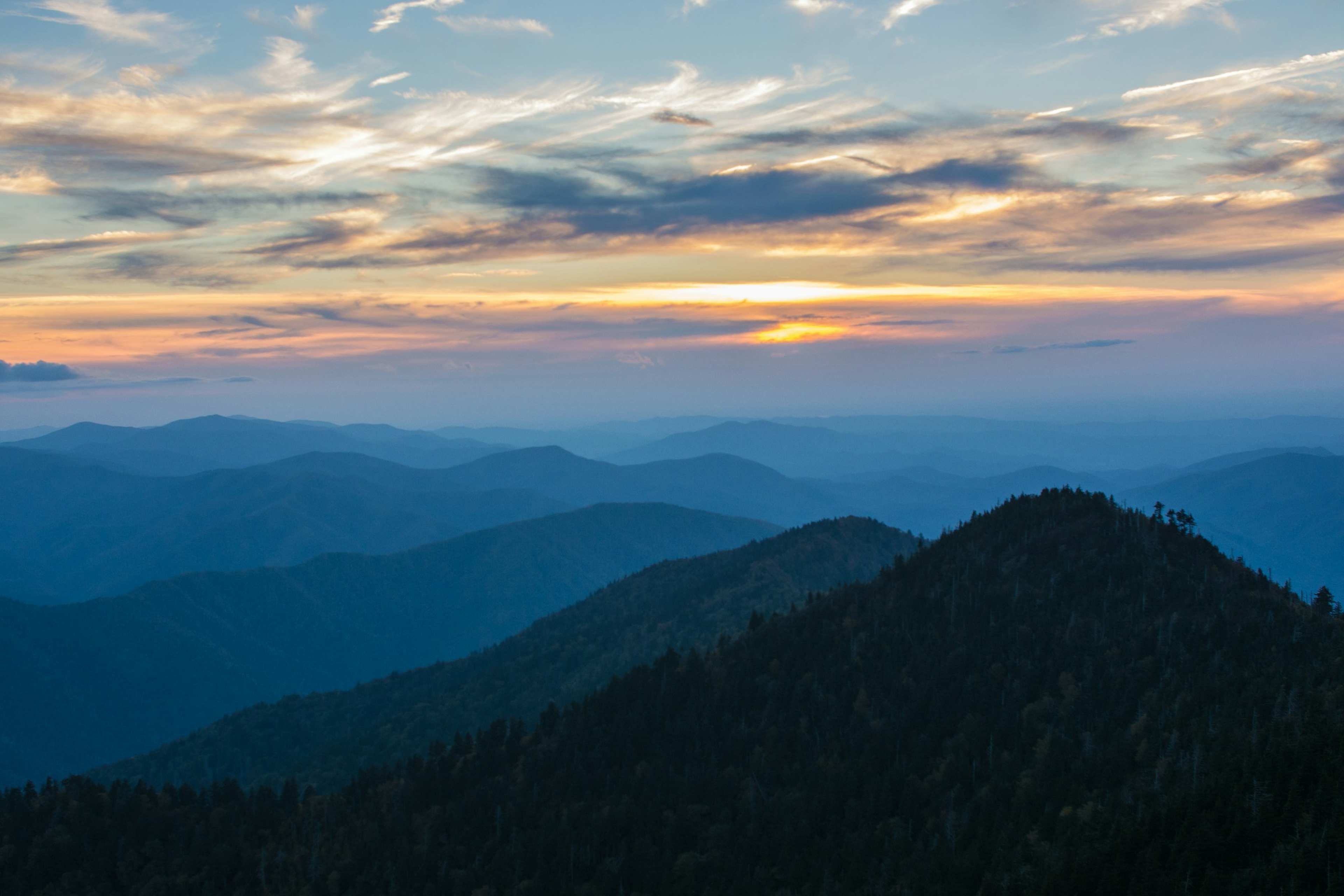
The Blue Ridge Parkway runs 469 miles through Virginia and North Carolina, and in late January 2026 most of it was closed. Only a short stretch in Asheville stayed open. That is the winter surprise: the famous road on your map and the road you can actually drive can be two very different things, and the gap can cost you a tank of gas and a long, frustrating backtrack.
Ten checks follow, and most take a minute or less. The last one is the hazard that keeps whole stretches shut long after a storm has passed, and the forecast barely mentions it. Before that, there is one webpage worth opening before you even start the car.
#10 – The Park Service Page That Beats Any Forecast
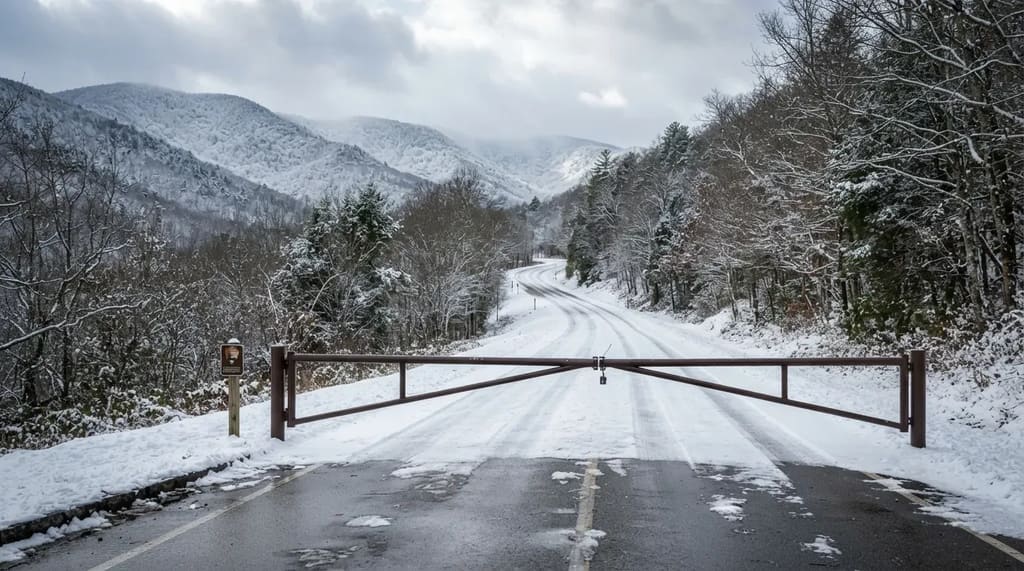
The National Park Service keeps a Road Status and Closures page that details closures gate to gate, so it is the one place that tells you which stretch is open today. It also shows the reason for each closure, such as scheduled winter maintenance or a full closure due to weather.1 A town forecast cannot do that job, because the gates follow conditions on the ridge, not the weather in the valley where you are staying.
Timing matters as much as the page itself. Closures are not always posted far in advance, and a check on the morning of the drive is worth more than one made the week before. The parkway also posts winter updates on its Facebook page, which is a useful second look if the website is slow to refresh. If you are out for the whole day, look again at lunch.
Reading the page correctly also means knowing that a closed gate can mean three different things.
#9 – Three Kinds of Closed Gate With Three Sets of Rules
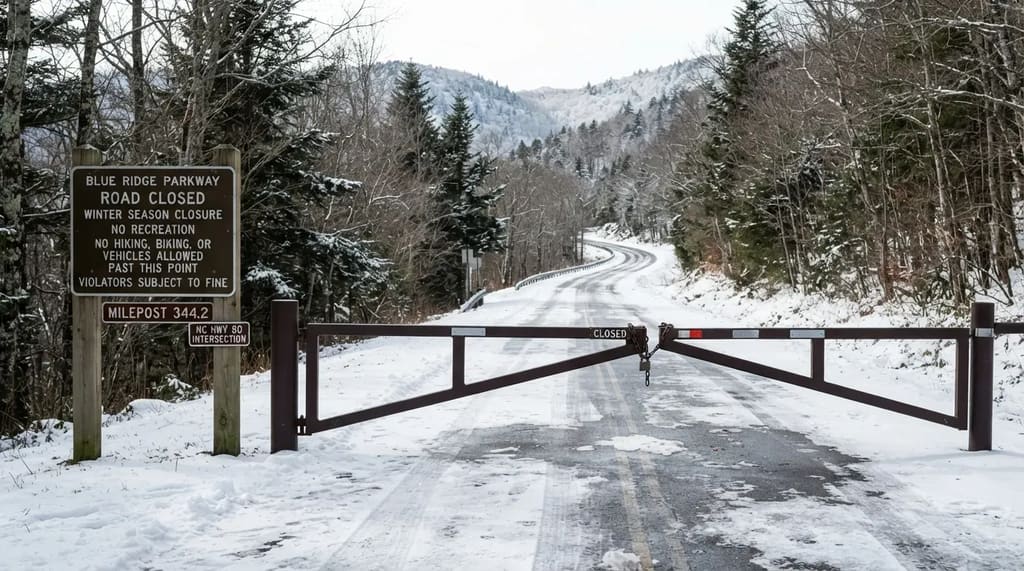
A closure for snow is not the same as a closure for storm damage. The park says recreation is authorized only in sections closed for winter weather, while sections closed for Hurricane Helene are closed to all forms of recreation. Closures for other road projects fall in between: those are open to trail use only. A gate that looks like an invitation to walk may be one you are not allowed to pass.
The Helene sections have not all come back. One local guide listed the stretch between NC 80 and Mount Mitchell State Park, mileposts 344.2 to 355.3, as closed to all recreation, including hiking. Maintenance closures are strict too, since they shut the full two-lane road to cars, bicycles and hikers alike to protect work crews.2 If the page does not say a closed section is open to walkers, stay out of it.
Open pavement does not mean open facilities, which close on a calendar of their own.
#8 – The Visitor Centers That Close Before the Snow Does
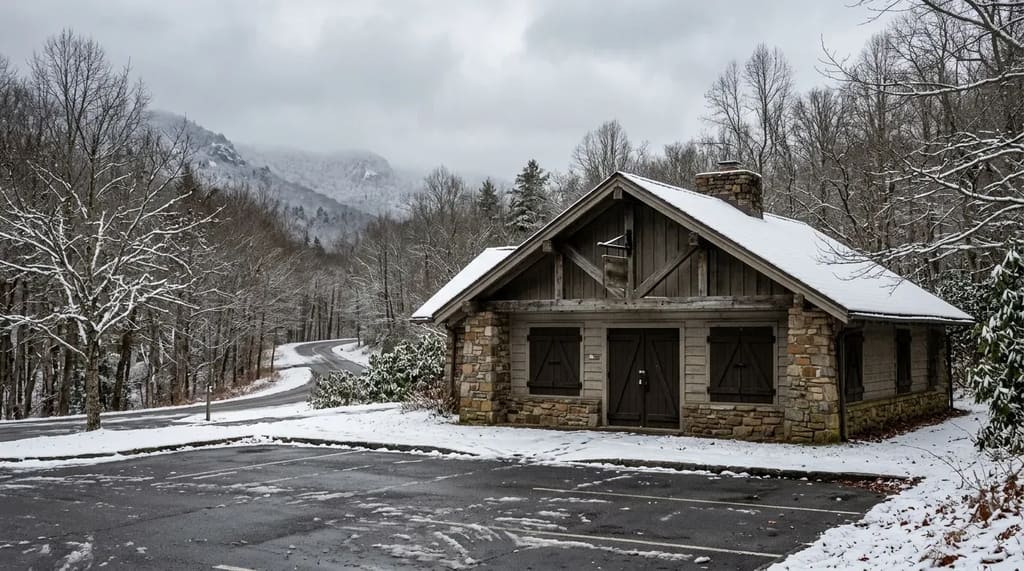
Campgrounds and visitor centers shut early. In 2025, all parkway campgrounds closed on October 27, and most visitor centers closed in early to mid November. By Thanksgiving, do not count on a restroom, a ranger desk or a free paper map. The foundation that supports the parkway keeps a list of what is open, and it is worth a look before you set out.
The road itself offers no fallback. The parkway has no billboards, no stoplights and no direct access to towns, so gas and food mean leaving the road and finding your way back to it. Fill the tank in town, carry water and snacks, and treat any open lodge as a bonus. Some do stay open: one hotel near Little Switzerland planned to stay open for the winter season for the first time in 2025.
Fast Facts
- The parkway runs 469 miles, from milepost 0 at Rockfish Gap, Virginia, to milepost 469 at the Great Smoky Mountains National Park boundary in North Carolina.
- Its highest point, Richland Balsam near milepost 431, tops 6,000 feet.
- There are no stoplights, no billboards and no direct town access along the way.
- All parkway campgrounds closed on October 27 in 2025.
Supplies are the easy part of being far from town, and the harder part is being far from help.
#7 – The Stretches Where Your Phone Goes Quiet
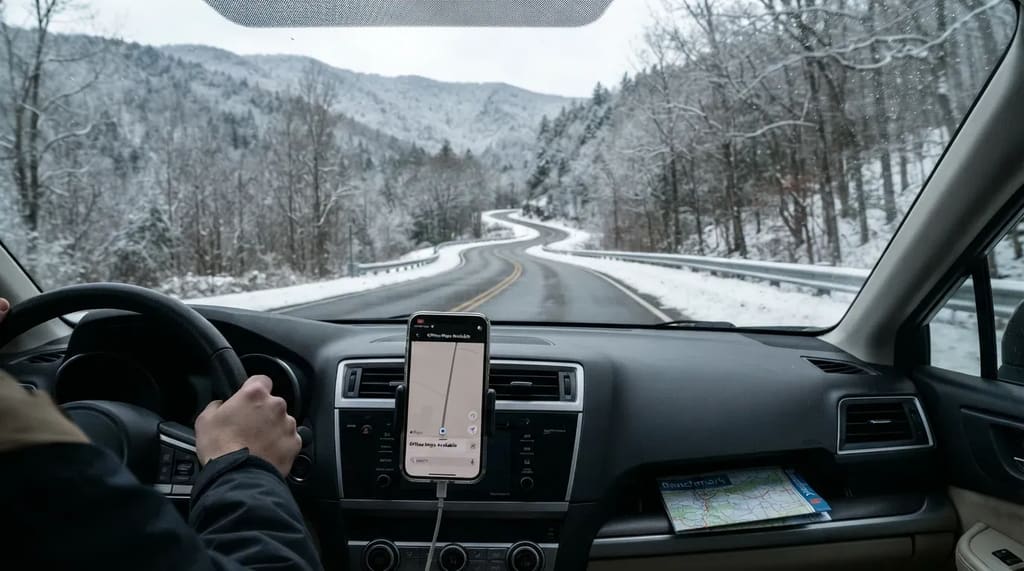
Park officials warn that cell service is limited in many areas and encourage visitors to leave an itinerary with someone at home. They also say to expect delayed emergency response times in closed sections. A navigation app that worked fine in the valley can freeze on the ridge, so download an offline map before you lose signal. A paper map in the glove box costs almost nothing and never runs out of battery.
An itinerary does not have to be elaborate. Tell someone which entrance you will use, which exit you are aiming for, and what time they should start worrying if they have not heard from you. Keep your tank above half, since a detour in this country can run long. That small note at home is what turns a stranded afternoon into a short one.
Help is slowest at a closed gate, which is also where drivers make their worst parking decision.
#6 – The Gate You Should Never Park in Front Of
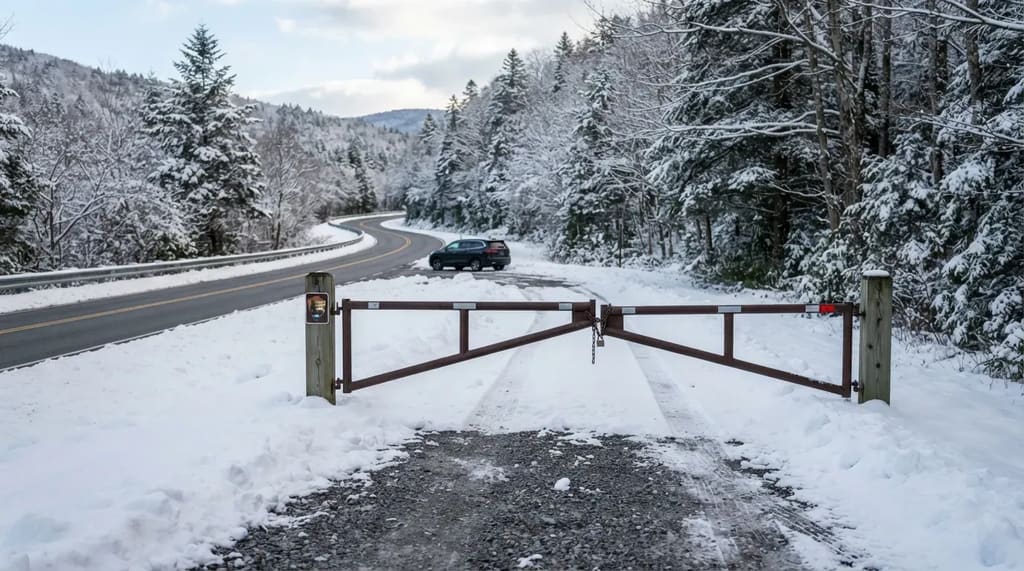
The park asks one thing of visitors more than almost anything else: do not block the gates, in case of emergency. Crews may be working in the area, and a car pulled across the entrance, even for a quick photo, can stop an ambulance or a plow-equipped truck from getting through. Park well off the pavement or skip the stop.
If you reach a closed gate while driving, you turn around, and that is where your route planning pays off. The park tells visitors to know their alternate routes in case of a closure.2 Because the parkway has no direct town access, pick two exits ahead of time. Near Asheville, two short sections stay ungated and open except in emergencies: the Folk Art Center to US 70, and Park Headquarters to US 74. For a short winter drive based in that area, those make a better fallback than a long haul down to the highway.
At a Glance
- Found a closed gate? Turn around rather than squeezing past it.
- Never park across the entrance, even for a minute.
- Choose two exits before you leave, not one.
- Short Asheville-area sections, Folk Art Center to US 70 and Park Headquarters to US 74, stay ungated except in emergencies.1
#5 – Mild Valleys and Frozen Ridgelines
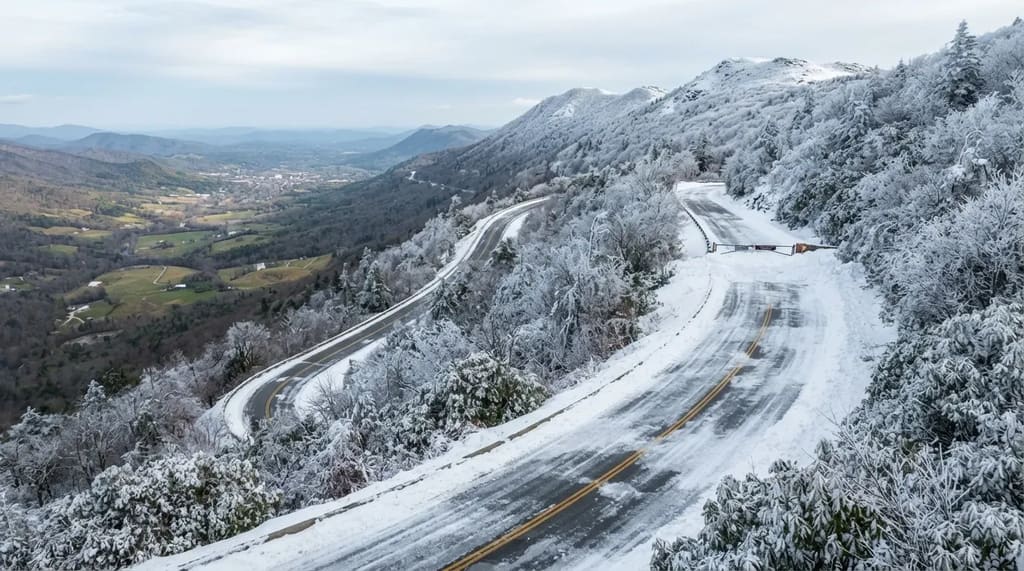
A 45-degree afternoon in town says little about the road above it. The parkway’s own travel guidance says sections are closed in winter for road conditions and extreme temperatures, even when it is warmer down in the valleys.3 Higher stretches like Craggy Gardens and Mount Pisgah can stay gated for weeks or months at a time. The drive up is where the temperature falls, and the ice follows it.
The park points to north-facing slopes, tunnels, high elevations and limited sight distances as the reasons winter weather can close the road for extended periods. A north-facing slope gets little direct sun, so ice there can last days after the sunny side of the same mountain has melted. Layers are worth packing for the same reason, since sudden changes in weather are common.3
That ice lingers because nothing on the parkway is set up to clear it.
#4 – No Plows, No Salt, and a Long Wait for the Thaw
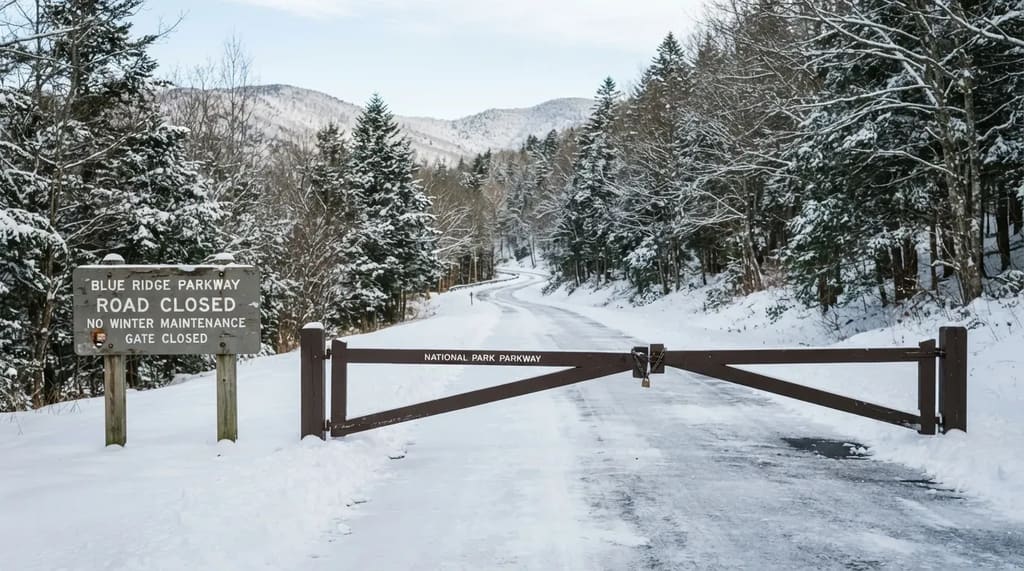
The Park Service does not treat the road the way a county highway department does. The park says ice and snow regularly close sections, and its natural resource protection priorities limit the use of ice melting chemicals.2 So a closed section waits for the weather, and staff reopen road access when safe travel can resume.
After the January 2026 storm, closures were expected parkwide from the evening of January 23 and were to stay in place until staff could assess the roads and clear storm debris.4 That is why four-wheel or all-wheel drive is overrated for this trip. It helps a car get moving on a slick grade, but it does little for stopping on glare ice, and if the road is gated, your drivetrain does not change that. A better investment is a spare day on either end of the trip, so a closure shifts your plans rather than ruins them.
#3 – Dry Pavement, a Shady Curve, and Then Glass
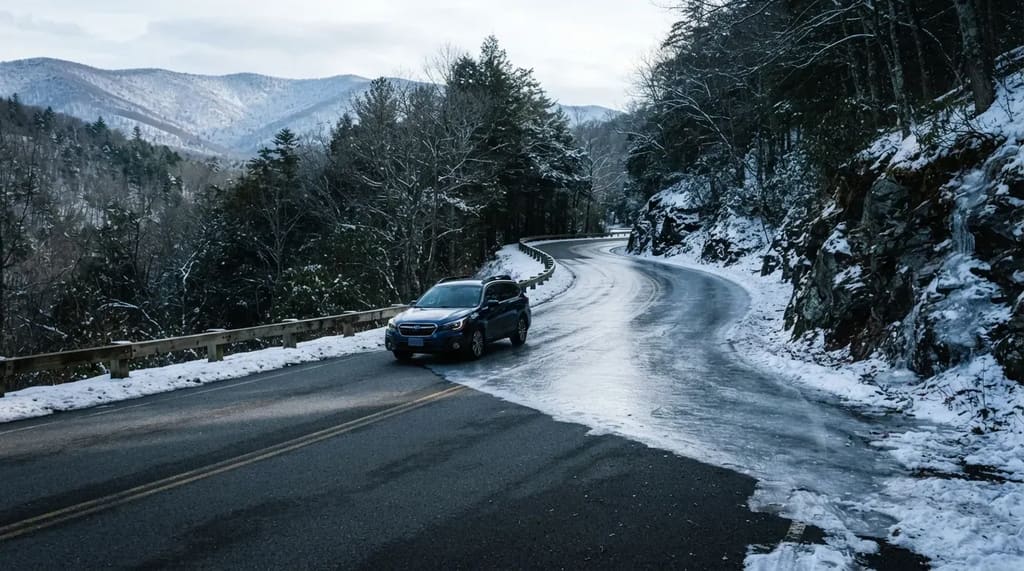
The road does not warn you before it changes. A National Parks Traveler motorists’ guide notes that dry pavement can turn wet in a shady curve, and in colder months that can mean a sudden change to glare ice. The posted limit is 45 mph, with occasional areas of 35 and 25 mph near congested pedestrian areas. In winter, treat 45 as a ceiling you will probably never reach.
Going slowly has a social side too. There are few passing zones, and many locals use the road as their route between home and work, so use an overlook to let faster traffic by. Deer often dart out, which is one more reason to leave yourself room to stop. The parkway’s own signs advise drivers to avoid the Parkway in fog, snow and ice, and that is advice worth taking literally.
Fog makes the problem worse by hiding both the curve and the ice in it.
Related Stories From Travelbinger
#2 – Fog Thick Enough to Close a Gate
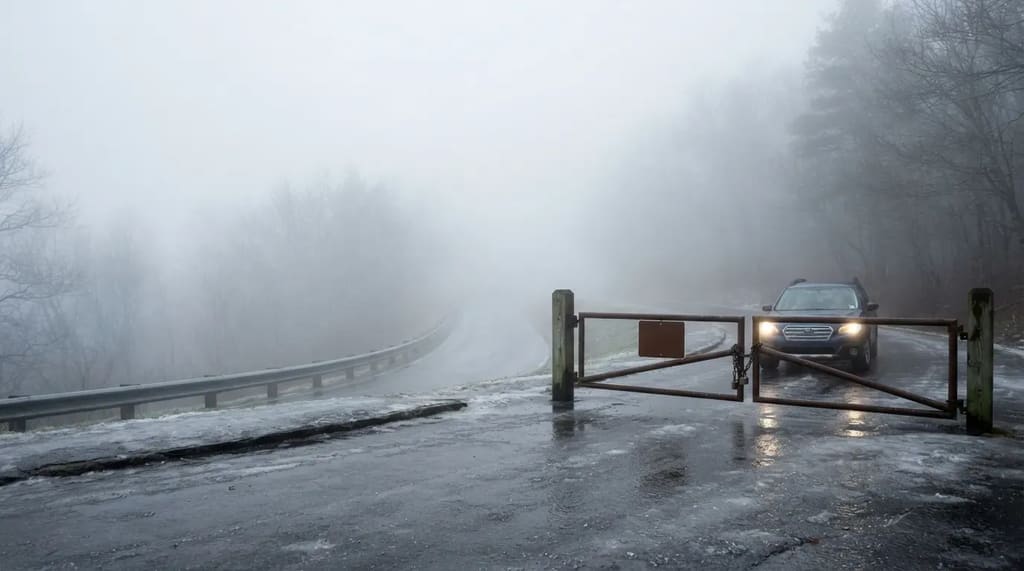
On the high stretches, you can drive inside a cloud. The same National Parks Traveler guide says you will never see fog denser than on the Parkway, and at the high elevations you can find yourself driving in a cloud. That is bad for visibility on its own, and in cold weather low clouds can create freezing fog that coats the road with ice, which is how black ice forms with no snow in sight.
Rangers know this. Along the parkway, dense fog is among the problems that lead rangers to close gates. If you are caught in it, slow down and turn on your headlights. The better move is to skip a foggy day entirely, because the reason to drive this road is the view, and as one travel guide notes, fog blocks all the epic long views. The overlook you came for will still be there next week.
Worth Knowing
The headlights you switch on for fog are the same ones the tunnels require.
#1 – Tunnel Ice That Keeps a Whole Stretch Closed
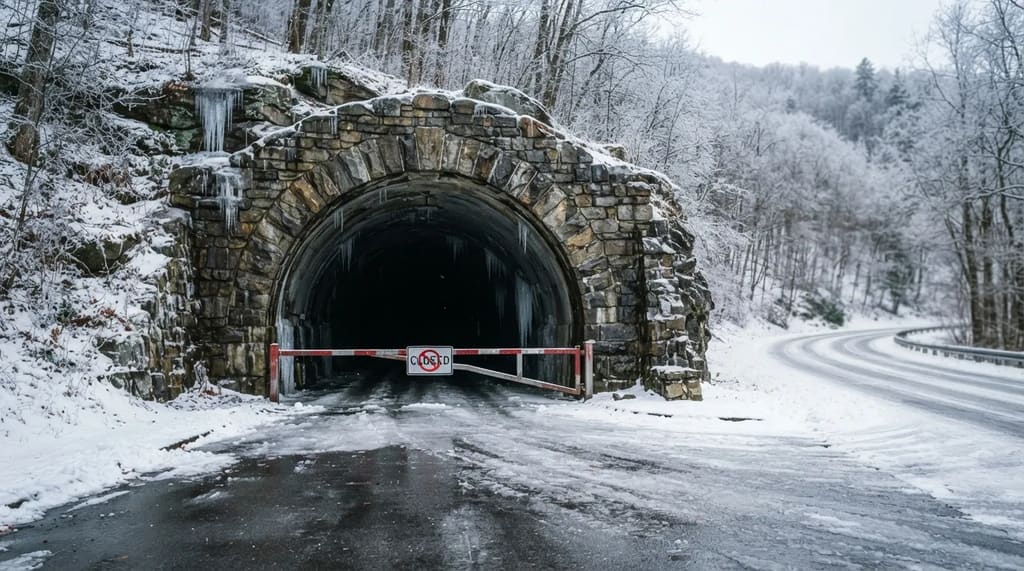
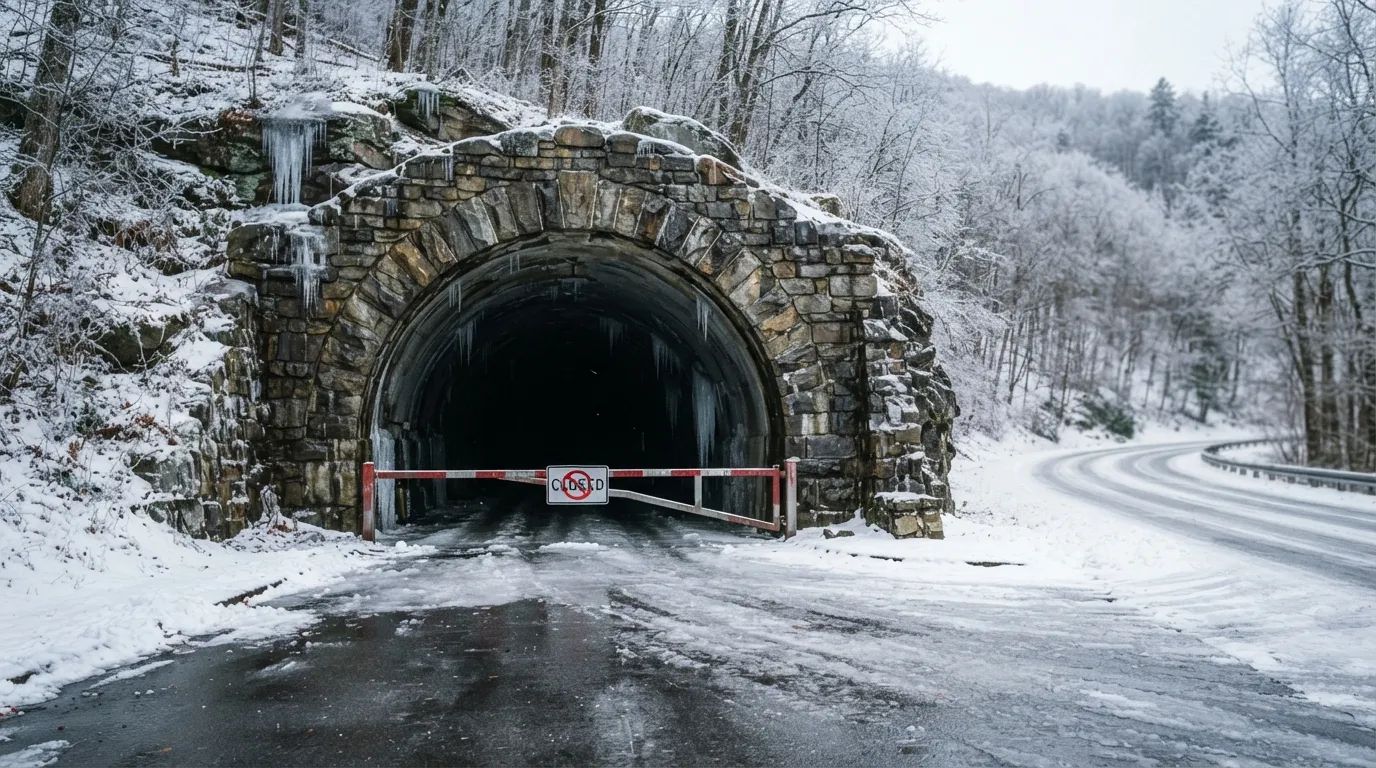
This is the hazard the forecast says least about. Water drips inside the tunnels, and in colder weather this can cause icy spots. The park lists tunnels alongside north-facing slopes and high elevations among the reasons winter weather can affect parkway access for extended periods. Sections near the tunnels are often closed in winter due to icy conditions, so one icy tunnel can hold a gate shut over miles of clear road.6
The practical rules are simple. Turn on your headlights in the tunnels and watch for bicycles, and take off your sunglasses so your eyes adjust to the sudden dark. If you drive an RV or tall vehicle, check the minimum height chart on the parkway’s tunnel page before you go. Slow down before the portal, not inside it, because braking on ice in the dark is the worst time to find out it is there.
Every item above comes back to the same point. On the parkway in winter, the gate makes the decision, and the drive goes better when you ask it each morning instead of assuming the answer.
A spare day, a second exit and a full tank can absorb a closure without much damage. The mountains will still be there when the ice lets go.
- NPS Road Status and Closures: https://www.nps.gov/blri/planyourvisit/roadclosures.htm
- NPS Winter Travel Reminder: https://www.nps.gov/blri/learn/news/winter-parkway-travel-2021.htm
- Parkway Travel Tips & Regulations: https://www.blueridgeparkway.org/travel-tips-regulations/
- NPS Winter Storm Closures: https://www.nps.gov/blri/learn/news/blue-ridge-parkway-initiates-preemptive-temporary-closures-along-entire-route-due-to-incoming-winter-storm.htm
- NPS Bicycling the Parkway: https://www.nps.gov/blri/planyourvisit/bicycling-the-parkway.htm
- Blue Ridge Parkway Overview: https://en.wikipedia.org/wiki/Blue_Ridge_Parkway