A cold beer on a park bench sounds harmless enough, but whether that’s a relaxed afternoon or a brush with the law depends entirely on where you happen to be standing. Alcohol laws vary wildly from one border to the next, and travelers are often surprised to learn that something totally normal in one country can trigger a fine just a short flight away. Here’s a practical look at ten places where cracking open a drink outside is simply part of daily life, followed by six where the same habit could cost you.
Germany
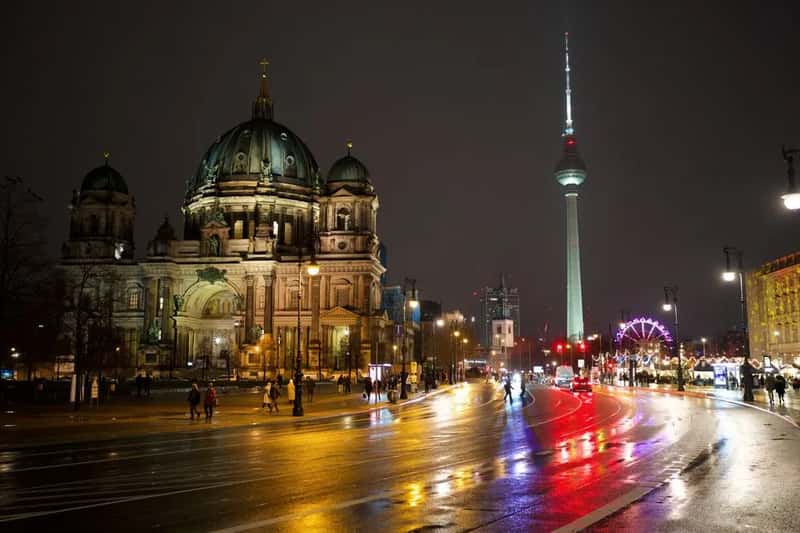
Germany has no nationwide law banning alcohol consumption in public, which is why it’s common to see people sipping beer on train platforms, in parks, or while walking down the street. Berlin in particular has a reputation for allowing drinks on public transport, and convenience stores selling cold beer to go are part of the everyday landscape. There’s no need to hide a bottle in a paper bag here.
That said, individual cities and venues can set their own rules for specific plazas or events, so it pays to read posted signage in busy tourist areas. Large gatherings or visible drunkenness can still draw police attention under general public order laws. Outside of those narrow exceptions, though, a beer in the park remains a completely normal sight.
Czech Republic
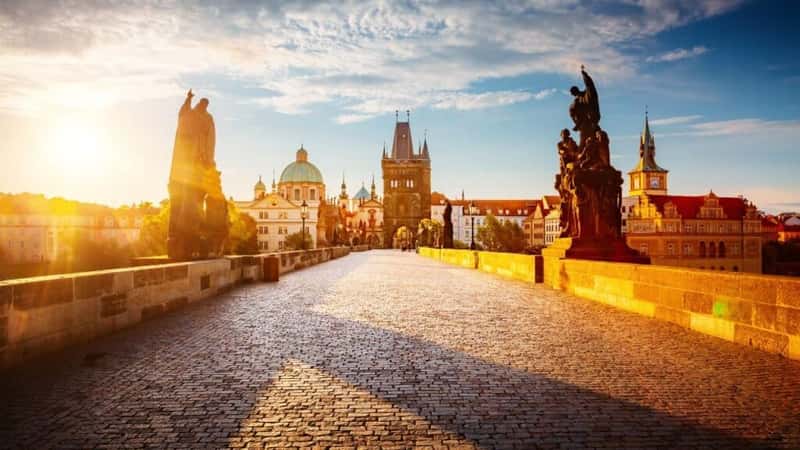
The Czech Republic has one of the most relaxed drinking cultures in Europe, and public consumption of beer or wine is widely accepted in cities like Prague. Locals often carry drinks between bars or enjoy them along the riverbanks without any legal concern. Beer here is also famously inexpensive, which only reinforces the casual, everyday nature of drinking outdoors.
There isn’t a blanket law prohibiting it, though public intoxication that leads to disorderly conduct can still be addressed under general nuisance regulations. Tourists visiting popular squares will notice plenty of open containers without a single police officer batting an eye. It’s a country where drinking outside is treated as ordinary rather than risky.
Spain
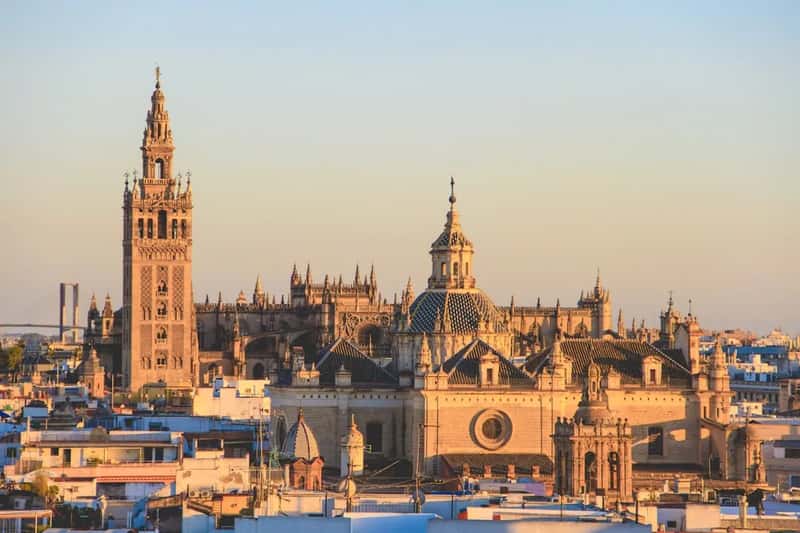
Spain generally allows drinking in public spaces, and having a glass of wine on a beach or a beer on a bench is a normal part of daily life in most towns. The exception is large, organized outdoor drinking gatherings known as “botellón,” which several major cities including Madrid and Barcelona have restricted through local ordinances due to noise and litter complaints. A single person enjoying a drink alone, however, isn’t typically the target of those rules.
Because enforcement is handled at the municipal level, the specifics can shift from one city to another. Coastal towns during peak tourist season sometimes tighten restrictions around late-night beach parties. Still, the baseline experience across most of Spain remains casual and permissive.
Portugal
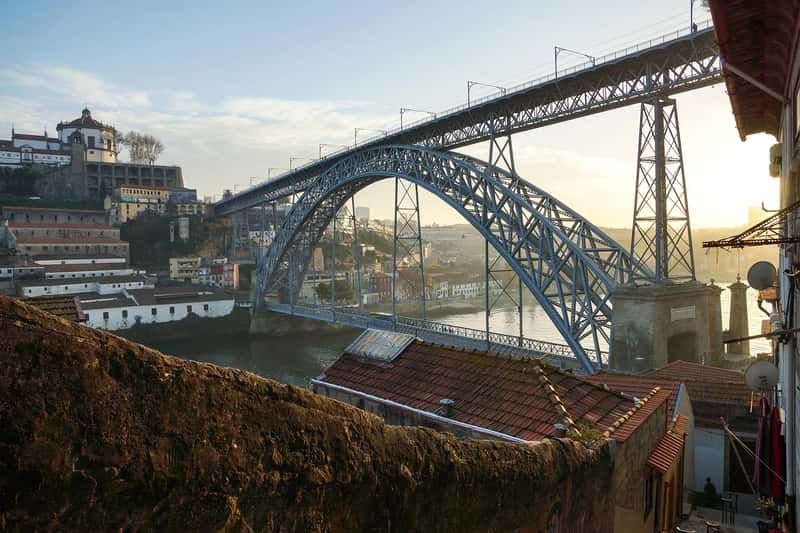
Portugal shares a similarly relaxed approach to Spain, with no nationwide ban on drinking alcohol in public spaces. Lisbon’s riverside areas and Porto’s plazas are popular spots where locals and visitors alike sip wine or beer outdoors without issue. Grocery stores and kiosks selling chilled drinks to enjoy on a nearby bench are part of the local rhythm.
As in Spain, some municipalities have introduced targeted restrictions in specific nightlife zones to manage noise late at night. These rules tend to focus on rowdy behavior rather than the simple act of having a drink. For the average traveler strolling with a bottle of local wine, Portugal remains an easygoing destination.
Austria
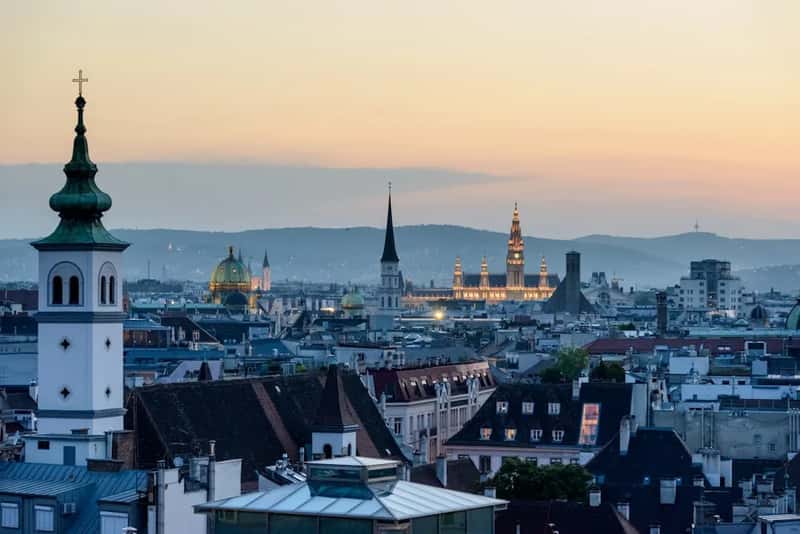
Austria doesn’t enforce a blanket restriction on public drinking, and it’s common to see people enjoying a beer at outdoor markets, along the Danube, or in city parks. Vienna’s Christmas markets, for example, are built around the idea of mulled wine consumed while standing outside. This openness reflects a broader Central European comfort with casual, public alcohol consumption.
Local authorities retain the ability to address specific problem areas if disorderly behavior becomes a recurring issue. In practice, though, most visitors will never encounter a restriction simply for holding an open drink outdoors. The culture here treats moderate public drinking as unremarkable.
Netherlands
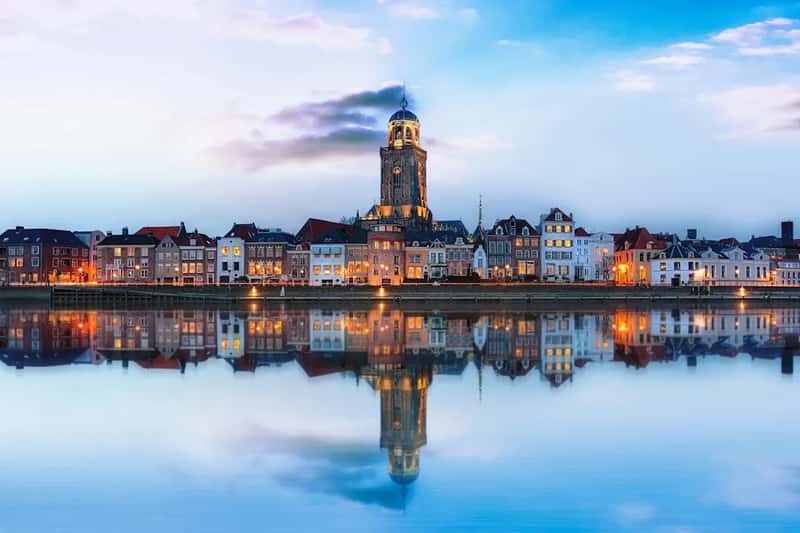
In the Netherlands, drinking in public is broadly legal, and it’s not unusual to see people with a beer or wine on a canal-side bench or during outdoor festivals. Amsterdam has designated certain busy nightlife districts where stricter rules apply due to overcrowding and noise, but this is a local carve-out rather than a national ban. Elsewhere in the country, the practice remains largely unregulated.
Dutch cities generally rely on general public order laws to manage disruptive behavior rather than targeting alcohol consumption itself. Cyclists, picnickers, and park-goers routinely enjoy drinks outdoors without drawing scrutiny. It’s a country where the emphasis is on personal responsibility rather than blanket prohibition.
Japan
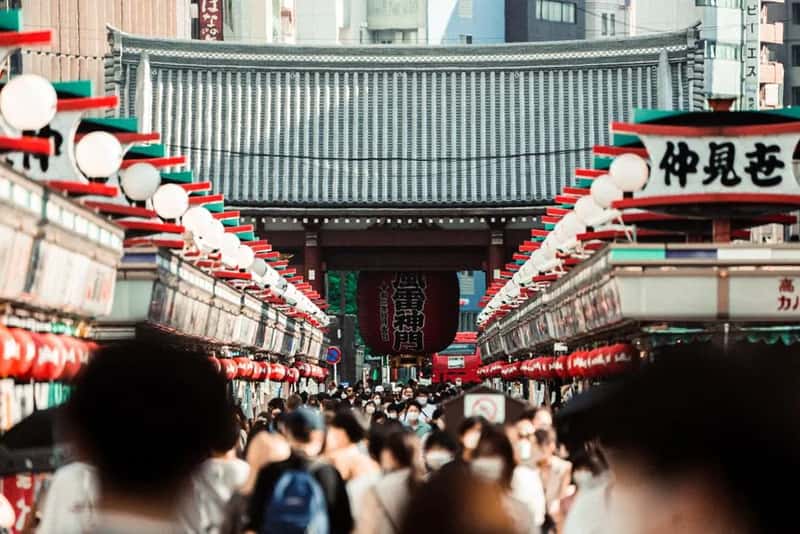
Japan is famous for its permissive stance on public drinking, and there’s no national law preventing someone from enjoying a canned highball on a train platform or a beer during a spring hanami picnic under cherry blossoms. Vending machines and convenience stores selling alcohol around the clock make it easy to grab a drink and consume it wherever you like. This openness is deeply embedded in everyday social life, from after-work gatherings to festival crowds.
Public intoxication that leads to disruptive behavior can still draw police involvement, but simply holding an open can isn’t an issue. Trains and public transit see plenty of commuters with drinks in hand, especially during commemorative holidays. For visitors used to stricter rules back home, it can feel refreshingly uncomplicated.
Argentina
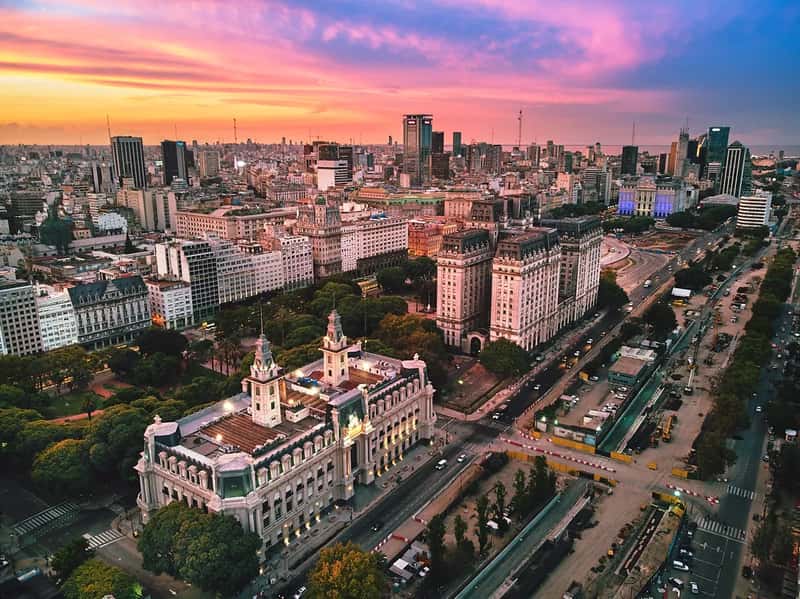
Argentina has a long-standing culture of enjoying wine, beer, and mate outdoors, and there’s no nationwide prohibition on public drinking. Buenos Aires parks and plazas regularly host groups sharing bottles of Malbec on a Sunday afternoon, a scene considered entirely ordinary. Street festivals and outdoor asados almost always come with alcohol served openly.
Individual provinces occasionally introduce localized restrictions around specific events or election days, when alcohol sales and consumption can be temporarily limited. Outside those narrow windows, though, drinking outdoors is treated as a normal social activity rather than something requiring discretion. It reflects a broader South American comfort with casual public consumption.
Vietnam
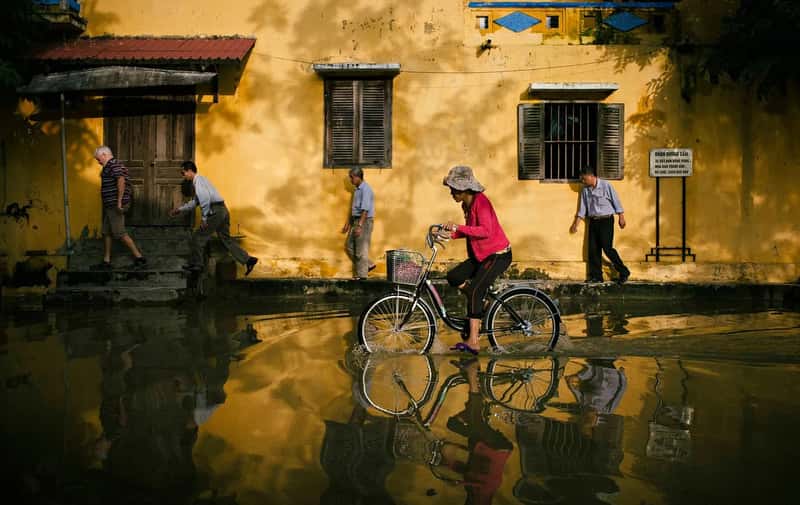
Vietnam is known for its bia hơi culture, where cheap draft beer is served on plastic stools directly on the sidewalk in cities like Hanoi. Public drinking is legal and deeply woven into everyday social life, from street-side gatherings to riverside hangouts. There’s no equivalent of an open-container law restricting where a drink can be consumed.
Local authorities focus enforcement on traffic and public safety issues rather than the act of drinking itself. Visitors will find that joining locals for an evening beer on a busy street corner is one of the most typical ways to experience Vietnamese nightlife. It’s an environment built around openness rather than restriction.
Cambodia
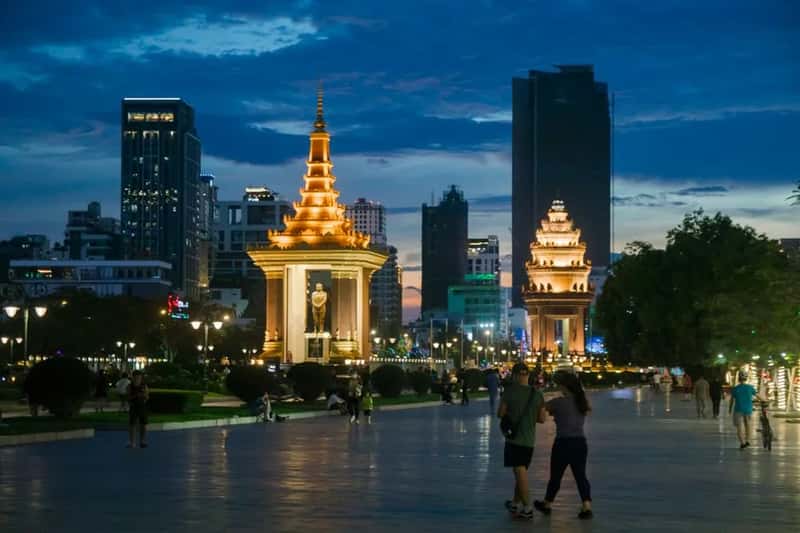
Cambodia is another Southeast Asian destination where public drinking carries no legal restriction, making it a popular stop for travelers accustomed to more regulated environments elsewhere. Riverside bars in Phnom Penh and backpacker strips in Siem Reap often spill out onto the street, with drinks carried freely between venues. Convenience stores selling cold beer for immediate consumption reinforce the casual atmosphere.
There’s no equivalent of a public intoxication statute targeting ordinary drinkers, though disruptive behavior can still draw police attention under general order laws. The overall approach reflects a broader regional pattern of leaving alcohol consumption largely unregulated outside of licensed venues. For many visitors, it’s one of the more surprising freedoms compared to home.
Rules look very different once you cross into countries that actively police public drinking, where fines are written into law rather than left to informal enforcement.
United States
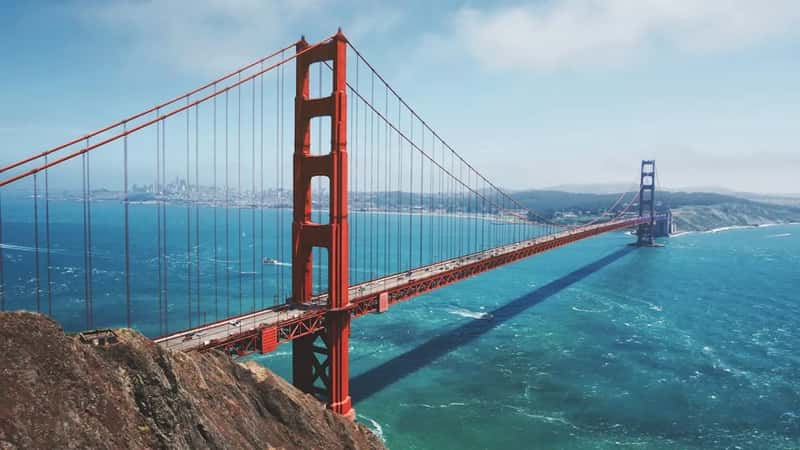
In the United States, open-container laws are state laws rather than federal laws, and they vary from state to state. The majority of U.S. states and localities prohibit possessing or consuming an open container of alcohol in public places, such as on the street, while 24 states do not have statutes regarding the public consumption of alcohol. Penalties differ enormously depending on location.
In New York City, an open container violation is worth just a 25 dollar fine that can be paid by mail, while in Hawaii and New Mexico a person charged with the same violation could receive a ticket of up to 1,000 dollars or a jail sentence lasting as long as six months. Seven states currently allow open containers in public, including Missouri, Arkansas, West Virginia, Mississippi, Virginia, Delaware, and Connecticut, but there’s no comprehensive standardization across the states and counties that do enforce it. That patchwork makes it easy for travelers to unknowingly break a local rule while crossing state lines.
United Kingdom
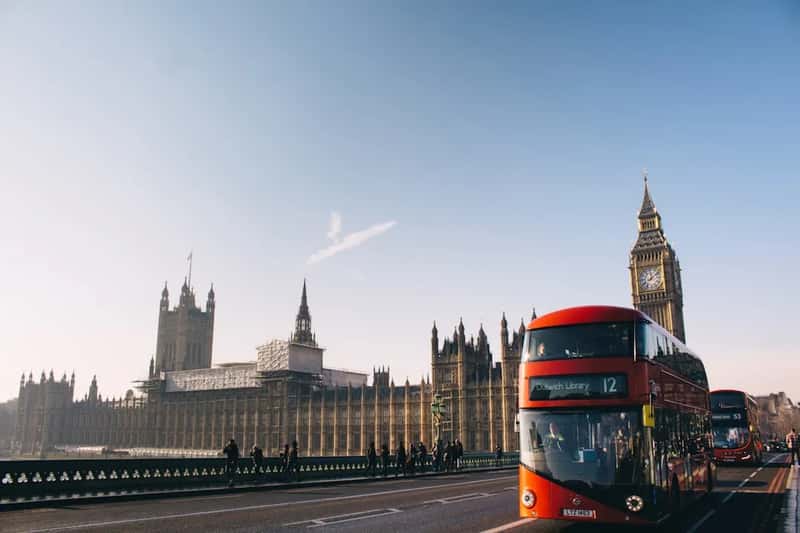
England and Wales rely on Public Spaces Protection Orders, or PSPOs, to manage alcohol consumption in designated areas rather than banning it outright everywhere. In cities like Oxford, it isn’t technically an offense to drink alcohol in a public place, but it is an offense to fail to comply with a request to stop drinking or surrender alcohol within the designated boundary. Refusing that request is where the legal trouble actually begins.
Breaching a PSPO without reasonable excuse is a criminal offense punishable by a fixed penalty notice of 100 pounds or, on prosecution, a fine up to level 3 on the standard scale, currently 1,000 pounds. Some councils, such as Hackney, set their maximum court fines even higher, with a person guilty of an offense liable on summary conviction to a fine up to 1,000 pounds. The rules are locally enforced, so the same drink in a park could be a non-issue in one town and a fineable offense a few miles away.
Singapore
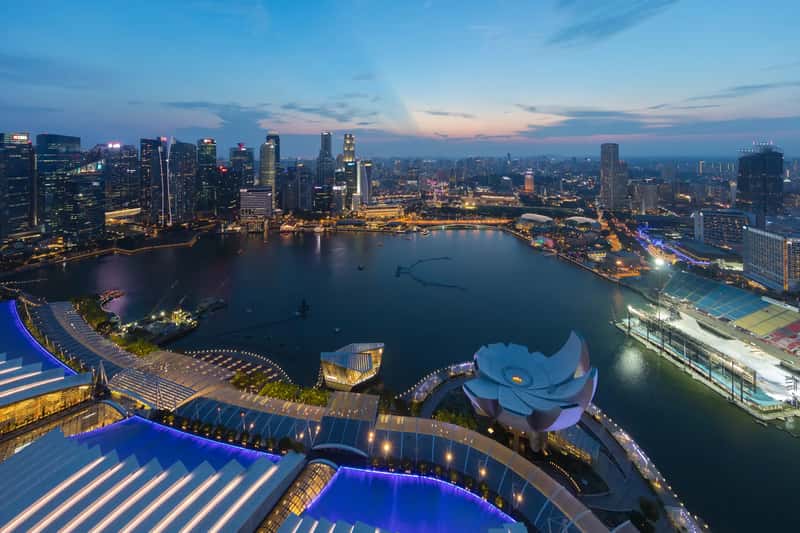
The Liquor Control Act prohibits alcohol consumption in public places between 10:30 PM and 7:00 AM. This measure followed serious unrest in the city, since the Liquor Control (Supply and Consumption) Act introduced in April 2015 was essentially a response to riots that occurred in 2013 in Little India and is still in force today.
Individuals caught consuming alcohol in public between 10:30 PM and 7:00 AM face fines of up to SGD 1,000 for a first offense. Certain neighborhoods face even tighter restrictions, as in Liquor Control Zones like Little India and Geylang, the ban extends to weekends from Saturday 7 PM to Monday 7 AM and public holidays. Drinking at home or inside a licensed bar remains unaffected by the curfew.
Russia
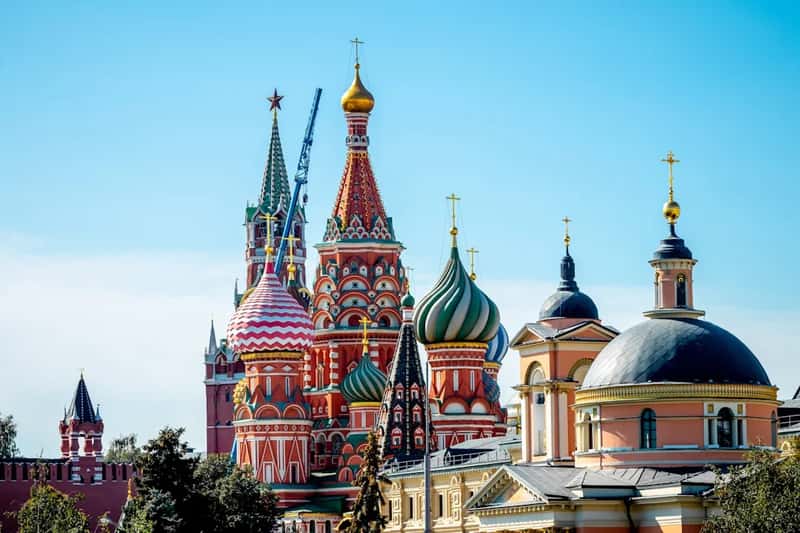
Russia treats public alcohol consumption as a straightforward legal violation rather than a matter of local discretion. Legal consumption is essentially limited to two places, a private residence and licensed establishments like bars or restaurants, and walking around with an open bottle means breaking the law regardless of what’s inside it. Streets, parks, courtyards, and public transport are all off limits.
Public-space consumption of drinking in parks, squares and public transport is now a misdemeanor punishable by a fine of up to 5,000 rubles. Retail sales are also time-restricted, since there is a nationwide ban on retail alcohol sales between 11 p.m. and 8 a.m., though bars, restaurants, and other licensed venues serving drinks for on-site consumption are not affected by that nighttime cutoff. For visitors, the safest approach is simply keeping any drink inside a licensed venue.
France
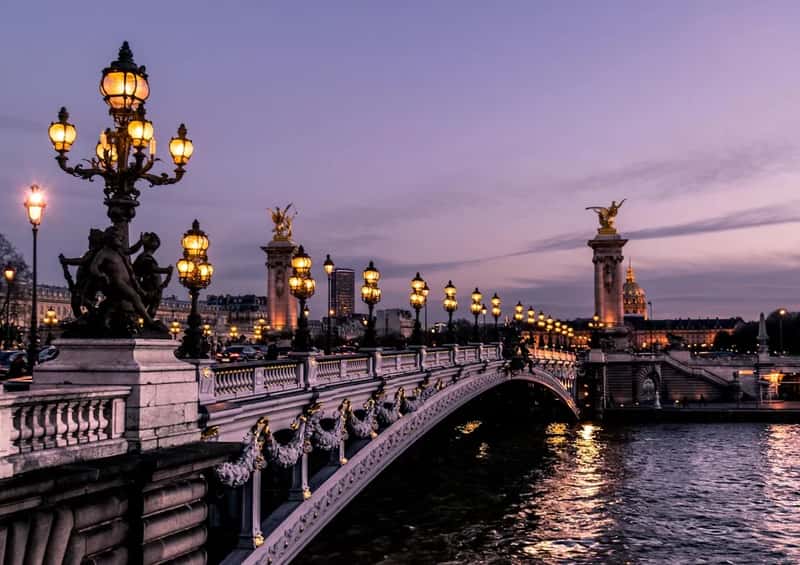
France takes a more localized approach than Russia or Singapore. In general, the consumption of alcohol on public roads is not strictly forbidden in France, meaning it’s technically possible to drink a glass of wine, a beer, or a cocktail in a public space such as a street, park, or beach. The catch is that individual towns can override this default.
Municipal orders can restrict or ban alcohol consumption in certain specific locations, often motivated by the need to prevent nuisances, violence, or disruptive behavior linked to alcohol. Beyond location-specific bans, visible public drunkenness itself carries a real penalty, since public and obvious intoxication is punished under Article R3353-1 of the public health code, an offense that can lead to a flat fine of 150 euros or even police custody if the individual poses a danger. The rules essentially reward moderation and awareness of local signage.
Australia
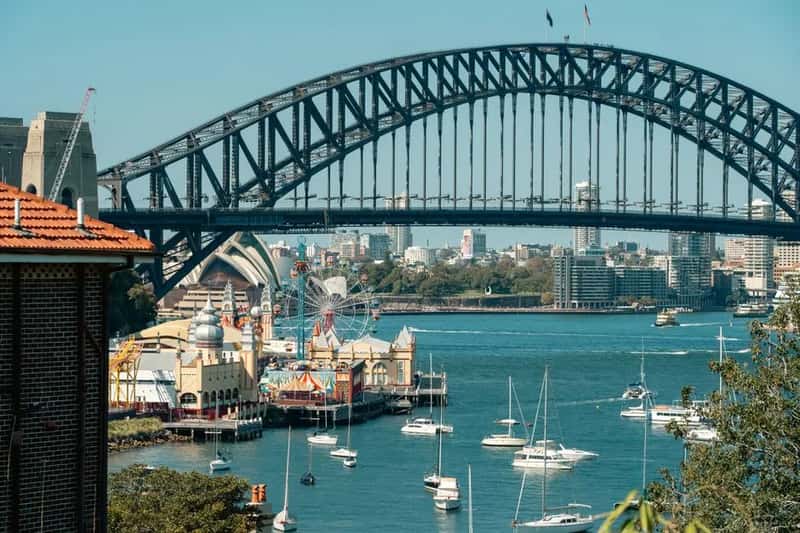
Australia handles public drinking through a system of alcohol-free zones and dry areas declared by individual state and local governments rather than a single national law. Councils in cities such as Sydney and Melbourne regularly designate specific streets, parks, or entertainment precincts where drinking is prohibited during certain hours, often in response to complaints about noise or antisocial behavior. Signage typically marks these zones clearly, and police have the authority to confiscate alcohol and issue on-the-spot fines to anyone found drinking within the boundaries.
Outside of these designated areas, having a drink in a public park or at a beach barbecue is generally accepted and even a normal part of Australian outdoor culture. The system essentially splits the country into permissive default spaces and clearly marked exceptions rather than a blanket restriction. Travelers who stick to open parkland away from posted signs are unlikely to run into any trouble at all.
Knowing these differences before a trip can save a traveler an unnecessary fine, or at least an awkward conversation with a police officer. The line between a relaxed evening drink and a legal problem often comes down to nothing more than a city border, a posted sign, or the clock striking a certain hour.