Ask most people to name the best non-native English speakers on the planet and you’ll hear the same handful of countries every time: the Netherlands, Sweden, maybe Singapore. Fair enough, those countries earned their reputation. But the latest global proficiency data tells a more interesting story, one where former Soviet bloc nations, southern African countries, and outsourcing hubs quietly outperform expectations.
Some of these results come down to history, some to economics, and some to sheer necessity in places with dozens of local languages and no single native tongue to fall back on. Here’s a closer look at ten countries where English fluency runs deeper than most outsiders assume.
1. Croatia
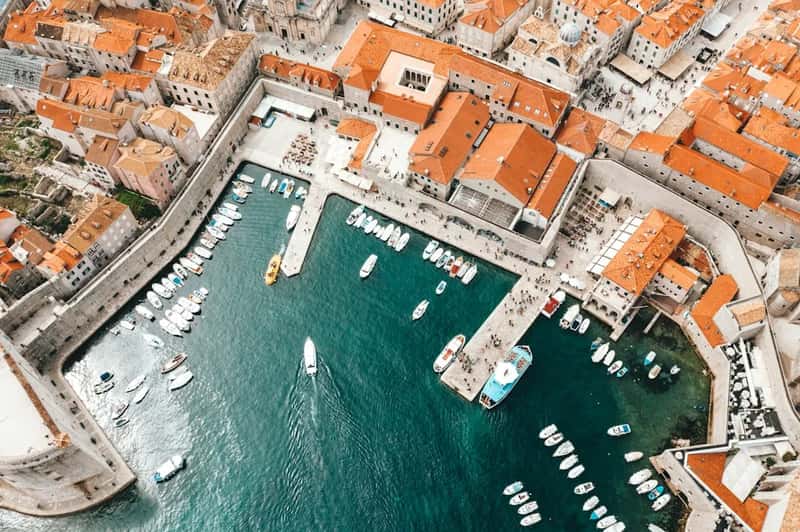
When the 2025 EF English Proficiency Index came out, Croatia didn’t just crack the top five, it landed in second place globally. The Netherlands remains number one, followed by Croatia and Austria, both of which improved their rankings.[1][2] That’s a striking result for a country of roughly four million people better known internationally for its Adriatic coastline than its classrooms.
Croatia never had colonial ties to Britain and its language sits nowhere near English on the family tree, which makes the jump even more notable. Much of the credit tends to go to a media culture that relies on subtitles rather than dubbing, exposing generations of viewers to spoken English from childhood. Add a tourism-dependent economy that rewards English-speaking staff, and the pieces start to make sense.
2. Slovakia

Slovakia landed in the “very high proficiency” band of the 2025 index, a tier reserved for the world’s strongest non-native English performers. According to the ranking table, Slovakia scored 606, placing it inside the global top ten. For a country that spent decades inside the Soviet sphere with Russian as the mandatory second language, that’s a genuine turnaround.
Since joining the European Union, Slovakia has leaned hard into English instruction, partly out of necessity given its close economic ties to Austria and Germany. Younger Slovaks grew up with English-language internet culture, gaming, and streaming rather than state-controlled media. The shift happened fast enough that it still surprises people who remember the country’s Eastern Bloc past.
3. Romania

Romania sits right behind Slovakia in the same very high proficiency band, scoring 605 in the 2025 index. That puts a country once cut off behind the Iron Curtain ahead of nations with far longer histories of open access to English media. It’s a reminder of how quickly language habits can shift once isolation ends.
Bucharest has become something of a regional tech and outsourcing hub, and companies there recruit heavily for English-fluent staff to serve Western European and American clients. Romanian youth culture also leans heavily on English-language music, film, and online content, more so than many of its regional neighbors. The combination of economic incentive and cultural exposure has pushed proficiency up steadily over the past decade.
4. Portugal

Portugal scored 612 in the 2025 EF index, landing in sixth place worldwide and squarely in the very high proficiency category. That’s a small country with roughly ten million people outperforming much larger, wealthier nations on this particular measure. It mirrors a pattern seen elsewhere in Europe: smaller domestic markets tend to push harder toward English fluency out of pure economic logic.
Like the Netherlands, Portuguese television and film rely on subtitles instead of dubbing, which keeps English audio in front of viewers constantly rather than replacing it. Tourism plays an outsized role in the national economy, and Lisbon in particular has become a magnet for remote workers and digital nomads who expect to get by in English. Locals, especially younger ones, have adapted quickly to that reality.
5. Zimbabwe
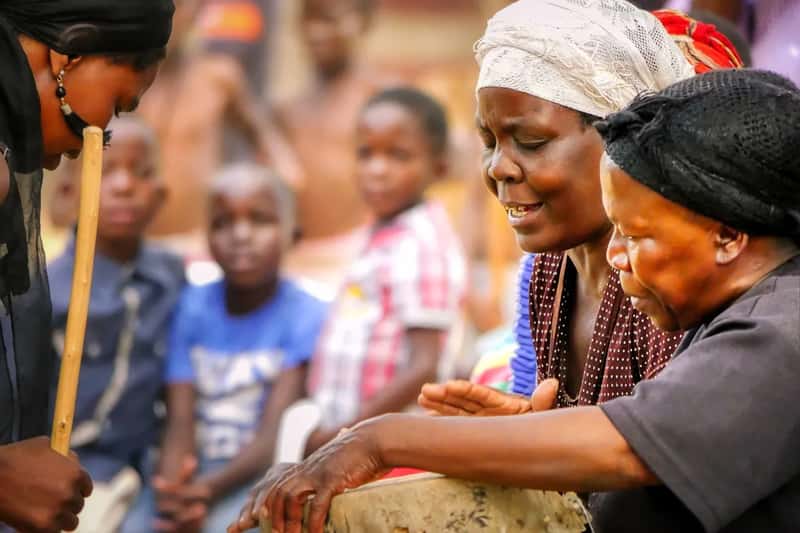
Zimbabwe rarely comes up in conversations about global English proficiency, yet it tied for the very top spot in Africa in the 2025 index. South Africa and Zimbabwe tied for the top position, both ranking 13th globally with a score of 602 in the Very High proficiency band.[3] That places a country better known for its economic struggles ahead of several wealthy European nations on this specific metric.
The explanation traces back to Zimbabwe’s history as a former British colony, when it was known as Southern Rhodesia. English remains the primary language of instruction in schools, government, and the courts, even though the country recognizes sixteen official languages in total. Decades of English-medium education left a durable mark on how fluently the population handles the language today.
6. Kenya
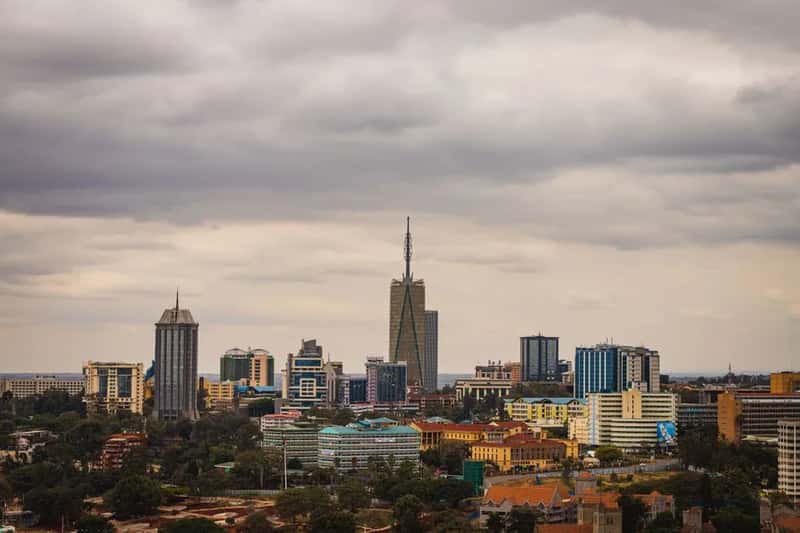
Kenya often gets filed mentally under “Swahili-speaking East Africa,” but its English scores tell a different story. Kenya ranked 19th globally with 593 points, placing it in the high proficiency band.[3] For a country of over fifty million people, that’s a meaningful result on a global scale.
English functions as an official language alongside Swahili, and it dominates higher education, legal proceedings, and much of the private sector. Nairobi has earned the nickname “Silicon Savannah” for its booming tech and outsourcing scene, much of which runs on English-language business communication. Schools introduce English early, and for many Kenyans it becomes a working language well before adulthood.
7. Zambia

Zambia doesn’t get nearly the attention that Kenya or Nigeria do in discussions of African English use, but its numbers hold up. Zambia ranked 27th globally with a score of 573, also landing in the high proficiency band.[3] That outpaces several countries with far more international visibility.
The roots go back to Zambia’s colonial period as Northern Rhodesia, after which English became the country’s sole official language following independence. With more than seventy local languages spoken across the country, English serves as the practical common ground in schools, courts, and government offices. It’s less a matter of choice than of necessity in a nation this linguistically diverse.
8. Nigeria
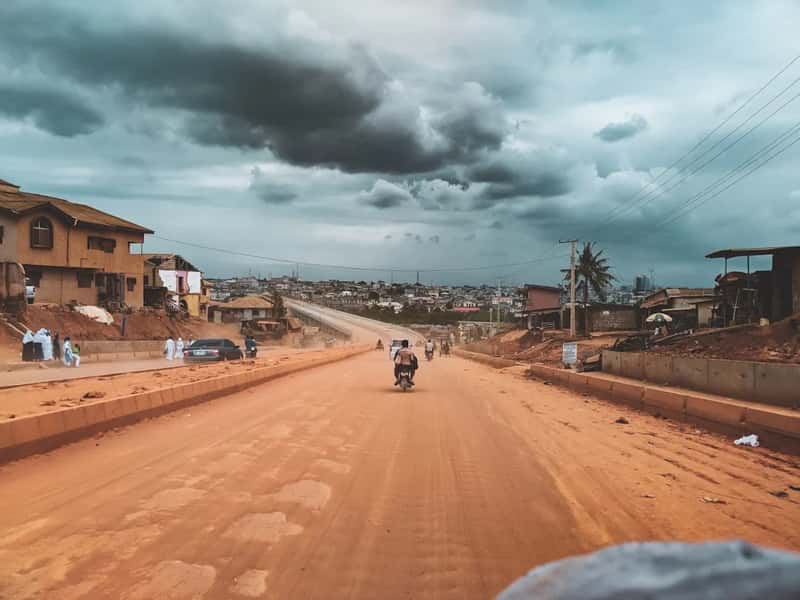
Nigeria’s proficiency score itself is respectable, landing 29th globally in the high band, but the raw numbers are what really stand out. English is the most widespread language in the country due to the many different ethnic groups and languages spoken.[4] With well over five hundred indigenous languages spoken across the country, English became the practical glue holding communication together at a national level.
Nollywood, Nigeria’s massive film industry, exports English-language content across Africa and increasingly to global streaming platforms, reinforcing the language’s everyday presence. Lagos operates as a major business hub where English dominates commerce, banking, and higher education. Given the country’s population size, that adds up to one of the largest English-using populations anywhere on earth.
9. Philippines

The Philippines built its modern economy partly around English fluency, and the numbers back that up in a big way. Over 60 million people aged five years or more can speak English[4] in a country of roughly 110 million. That level of penetration puts the Philippines well ahead of what most people assume about Southeast Asian English use.
The country’s bilingual education system, a legacy of American colonial administration in the early twentieth century, still shapes how English gets taught from primary school onward. Manila and Cebu have grown into two of the world’s largest business process outsourcing centers, employing millions of Filipinos whose jobs depend entirely on spoken English fluency. That combination of history and industry has made the Philippines a genuine outlier in the region.
10. Malaysia
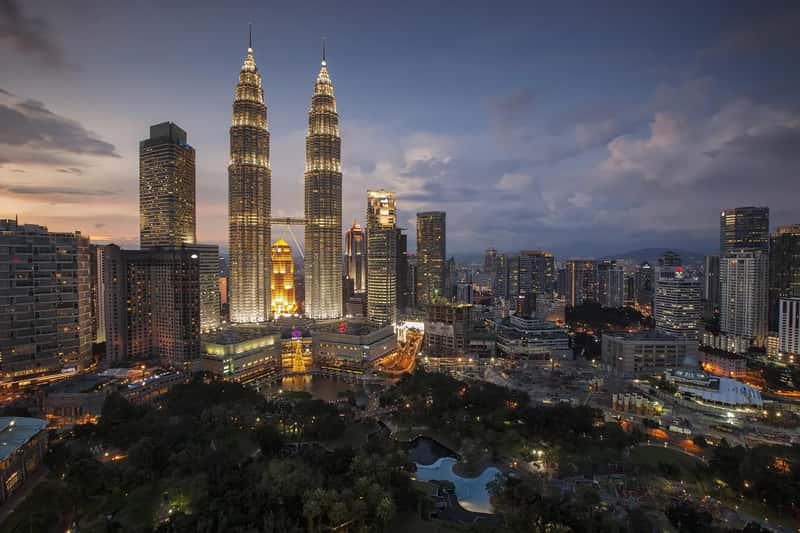
Malaysia topped every other country in Asia in the 2025 EF English Proficiency Index, a result that surprised even some regional observers. Malaysia ranks top among Asian markets studied when it comes to English proficiency, according to the EF English Proficiency Index (EF EPI) 2025.[5] The country’s score jumped 15 points from the previous ranking.[5]
As a former British colony, Malaysia retained English as a language of higher education, law, and international business long after independence. Its multiethnic population, spanning Malay, Chinese, and Indian communities, often relies on English as a neutral common language in mixed settings. Malaysia and the Philippines have done well in English proficiency[5] compared to several other markets in the region, reinforcing Southeast Asia’s growing role in the global English-speaking landscape.
What ties these ten countries together isn’t a shared history or a single obvious cause. It’s a mix of colonial legacy, economic pressure, media habits, and sheer linguistic necessity, each pushing English fluency higher than casual assumptions would suggest. The rankings shift year to year, and EF’s own data shows plenty of movement even among top performers, but the broader pattern holds steady: fluency in English has stopped being a story about a handful of famous countries and become a much wider, messier, and more interesting global picture than most people realize.