Rent has become the word that makes people wince in most Western cities. Yet while headlines in the United States, the United Kingdom, and much of Western Europe keep tracking rising housing costs, there are still places on the map where a decent one-bedroom apartment costs less than a typical car payment back home.
These aren’t obscure micro-nations either. Some are popular with retirees and remote workers, others are simply large countries where wages and rents have stayed tied together in a way that keeps housing genuinely affordable. Here is a look at ten countries where average rent, especially outside the priciest capital neighborhoods, still sits comfortably under 500 dollars a month.
Pakistan

Pakistan consistently ranks near the top of global affordability lists, and its rental market is a big reason why. The average rent for a one-bedroom apartment in the city center is $77.0 nationally, with capital rent at $197 in Islamabad and $60.0 in Muzaffarabad. Even in Lahore, the country’s cultural hub, prices follow a similarly modest pattern once you move away from the busiest commercial strips.
What makes Pakistan notable is the sheer size of the gap between local rents and what renters pay in comparable cities elsewhere in South Asia. A family can often rent a spacious multi-room apartment for what a single studio costs in many Western cities. This isn’t a temporary dip either, it reflects a rental market built around local incomes rather than international demand.
Nepal
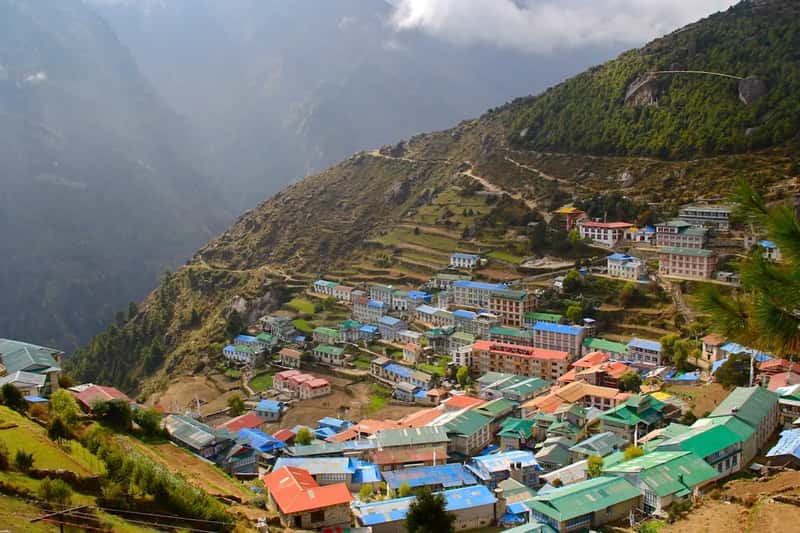
Nepal offers one of the more consistent examples of low-cost housing in the region. Beyond Kathmandu, in smaller towns and rural districts, prices drop even further, making Nepal one of the more consistently affordable places to settle for months at a time. Even within the capital, rents for standard one-bedroom units rarely approach the levels seen in neighboring countries with larger economies.
Nepal also appears on broader affordability rankings alongside its regional neighbors. Egypt, Pakistan, Libya, Bangladesh, India, Nepal, and Tunisia appear on both Living Cost’s and Numbeo’s lists of the least expensive countries to live in. For renters willing to live outside Kathmandu’s tourist-heavy core, monthly housing costs staying under 500 dollars is closer to the rule than the exception.
Bangladesh

Bangladesh doesn’t get as much attention as some of its neighbors when people talk about cheap living abroad, but the numbers hold up. It shows up repeatedly on international cost comparisons as one of the more budget-friendly places to rent a home. Egypt, Pakistan, Libya, Bangladesh, India, Nepal, and Tunisia appear on both Living Cost’s and Numbeo’s lists of the least expensive countries to live in.
Outside Dhaka’s central business districts, rents for standard apartments tend to sit well below the 500 dollar mark. The broader pattern across South and Southeast Asia holds true here too. Stepping even slightly outside a capital’s busiest districts can cut housing costs dramatically, often without giving up much in terms of comfort or access to daily life.
Vietnam
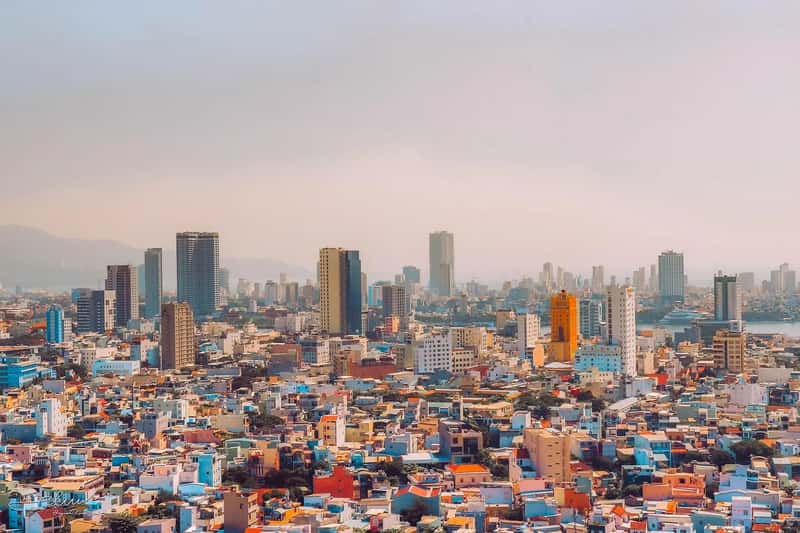
Vietnam has become a magnet for remote workers precisely because its rental costs haven’t caught up with its growing reputation. Cities like Da Nang and Hue offer modern apartments at a fraction of what similar units cost in Ho Chi Minh City’s priciest districts. Even within the bigger cities, moving a short distance from the central core often cuts the rent bill substantially.
Vietnam is part of the wider pattern researchers keep pointing to across the region. Currency values shift, rental markets tighten in certain neighborhoods, and reforms like Egypt’s ongoing rent law changes can reshape a city’s pricing within a few years. Still, for renters focused on value, Vietnam remains one of the more reliable choices in Southeast Asia.
Cambodia

Cambodia’s rental market has long attracted expats and long-term travelers looking to stretch a modest budget. Phnom Penh has grown more expensive in its most central pockets, but plenty of comfortable apartments outside those few blocks remain well within reach. Siem Reap and smaller provincial towns tend to be even gentler on the wallet.
The country fits into the same broader affordability story shared by several of its neighbors. The broader pattern across Nepal, Pakistan, Vietnam, Egypt, Bangladesh, Cambodia, and Laos points to the same conclusion. For renters not tied to a specific downtown address, Cambodia keeps housing costs low without much compromise.
Laos

Laos rarely tops anyone’s list of famous rental markets, which is part of why it stays so affordable. Vientiane, the capital, has a small enough footprint that even central neighborhoods rarely push rents into uncomfortable territory. Outside the capital, in cities like Luang Prabang, monthly rent for a decent apartment is often a minor line item in an overall budget.
Laos consistently appears alongside its regional neighbors in comparisons of low-cost housing markets. The assumption that decent housing always demands a large chunk of income simply does not hold up everywhere. Laos is one of the clearer examples of that reality in Southeast Asia.
Egypt
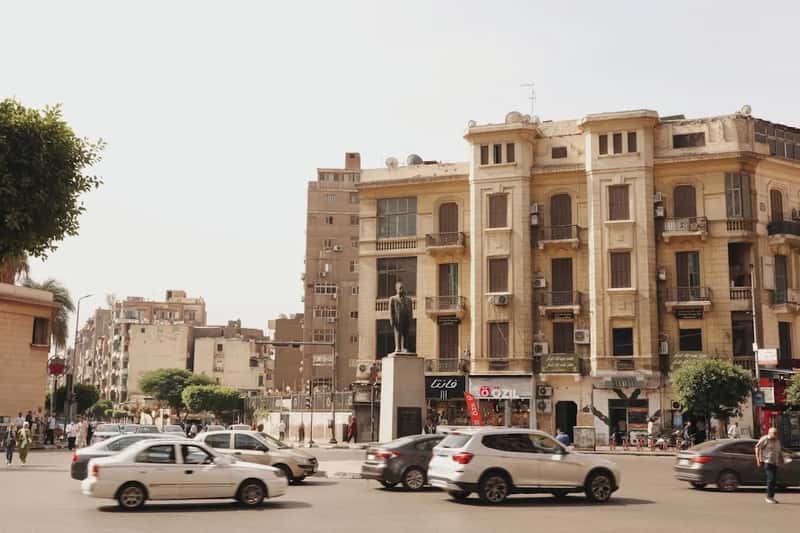
Egypt combines a large population, a sprawling capital, and rental prices that remain modest by global standards. Cairo’s outer districts and mid-sized cities like Alexandria offer plenty of one-bedroom apartments priced well under 500 dollars a month. Even within Cairo, the gap between the most fashionable neighborhoods and everywhere else is significant.
Egypt’s housing market has been shifting recently, which is worth noting for anyone planning long term. Reforms like Egypt’s ongoing rent law changes can reshape a city’s pricing within a few years. For now, though, Egypt remains grouped with the world’s more budget-friendly rental markets. Egypt, Pakistan, Libya, Bangladesh, India, Nepal, and Tunisia appear on both Living Cost’s and Numbeo’s lists of the least expensive countries to live in.
Bolivia

Bolivia holds a firm spot among the most affordable rental markets in South America. The lowest rental prices in the region are currently found in Bolivia, Paraguay, Ecuador, Peru, and Colombia. A one-bedroom apartment in La Paz or Santa Cruz’s city center typically costs well within the range that keeps monthly housing spending modest for both locals and newcomers.
According to regional data, the range for these standout countries is fairly consistent. The average rent for a one bedroom apartment in these countries is about $250 to $500 in the city centers of major cities and $180 to $360 outside central districts. Bolivia sits comfortably within that band, making it one of the more approachable rental markets on the continent.
Paraguay

Paraguay quietly ranks alongside Bolivia as one of South America’s cheapest places to rent. Asunción, the capital, offers reasonably modern apartments at prices that would be considered a bargain almost anywhere else on the continent. The lowest rental levels among South American countries are currently found in Bolivia, Paraguay, Ecuador, Colombia, and Peru.
Paraguay’s overall cost structure supports this affordability well beyond just rent. These countries lead not only in low rental prices but also in overall affordability of living costs. That combination makes Paraguay one of the more overlooked budget destinations for anyone weighing housing costs against quality of life.
Montenegro

Montenegro doesn’t get talked about as much as its Balkan neighbors, but it remains genuinely inexpensive to rent in, especially outside the most polished coastal resort towns. This remains one of the cheapest places to live in Europe and there’s a small but thriving expat community. Even seaside living here doesn’t carry the price tag people might expect from a Mediterranean coastline.
The numbers back up the reputation rather convincingly. Even if you live by the sea, it’s not that expensive to rent an apartment here and Numbeo estimates that monthly rent for a one-bedroom apartment in seaside Herceg Novi is $73. That figure alone puts Montenegro among the more surprising entries on any list of affordable European rental markets.
Across every one of these countries, the pattern holds steady. Moving even a short distance from a capital’s busiest neighborhoods tends to cut rent significantly, often without sacrificing much in comfort or convenience. For renters keeping an eye on their budget in 2026, these ten countries remain some of the clearest examples that affordable housing still exists, just not always where people expect to find it.