Anyone who has traveled expecting to tap a card everywhere knows the mild panic of hitting a cash-only counter with an empty wallet. Despite years of digital payment hype, plenty of popular destinations still run largely on paper money and coins, sometimes for cultural reasons, sometimes because of banking infrastructure gaps, and sometimes because of politics that have nothing to do with convenience. Below are ten countries where travelers in 2026 still need to plan around cash rather than assume a card will get them through the day.
Japan
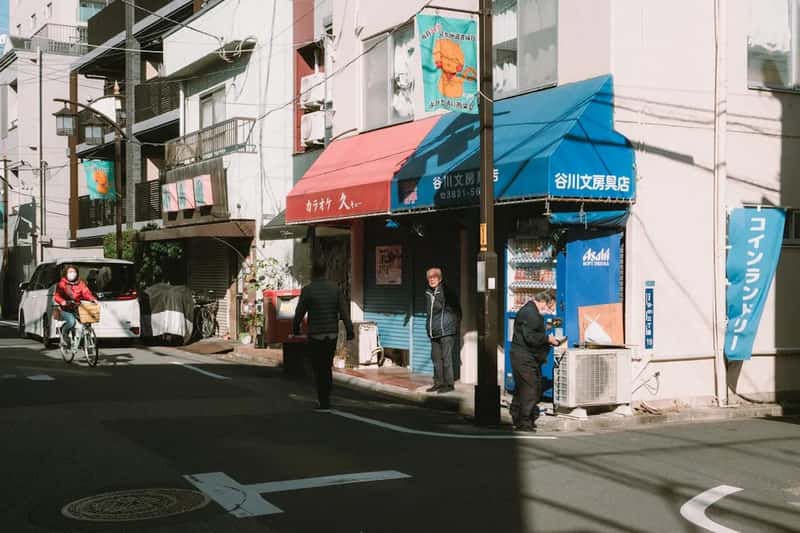
Japan’s reputation as a tech-forward nation makes its attachment to cash almost surprising, yet the habit runs deep. Japan’s reputation as a high-tech society makes its cash preference seem paradoxical, but it’s a deeply ingrained cultural norm. Tokyo and Osaka have become more card-friendly in recent years, but cash is still the default payment method for most restaurants, small shops, and temples, and vending machines primarily accept coins and bills.
Travelers often assume that once they leave the cities, cards will be even less useful, and that assumption holds true. Popular areas like Kyoto, Hiroshima, and Nara have good card acceptance at tourist-oriented businesses, but traditional establishments often prefer cash, while smaller towns and rural areas have significantly lower card acceptance rates. Even finding a working ATM can be tricky, since not every machine in the country accepts foreign cards around the clock.
Germany
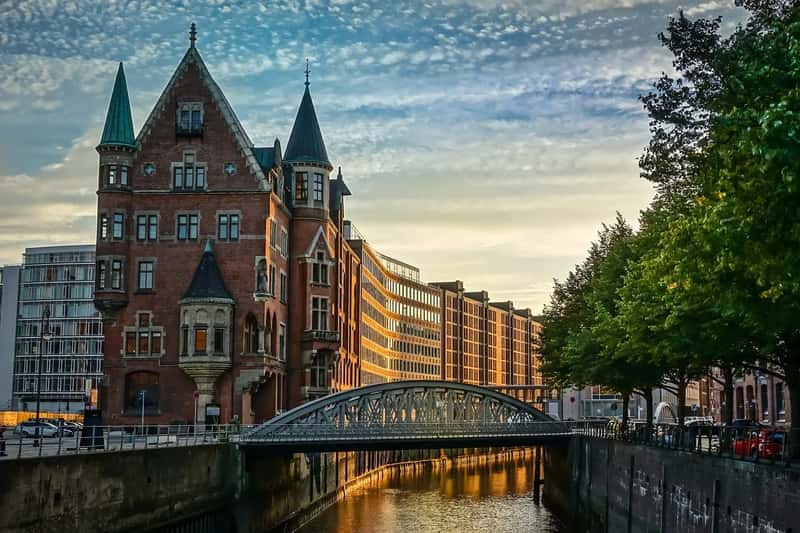
Europe’s largest economy is often the destination that surprises visitors most, since a country so industrially advanced still leans heavily on paper money. A 2023 study found that 51% of all German-based transactions were made using cash. Many restaurants, shops, and even some hotels simply do not accept cards, particularly outside major cities.
Debit cards do have a strong presence, largely through the domestic Girocard network rather than international credit cards. Germany has one of the highest national percentages of debit card use, particularly the Girocard, and in the first half of 2025 debit cards made up 31% of noncash payments. Visitors relying purely on a foreign credit card can still run into flat refusals at smaller eateries and market stalls.
Egypt
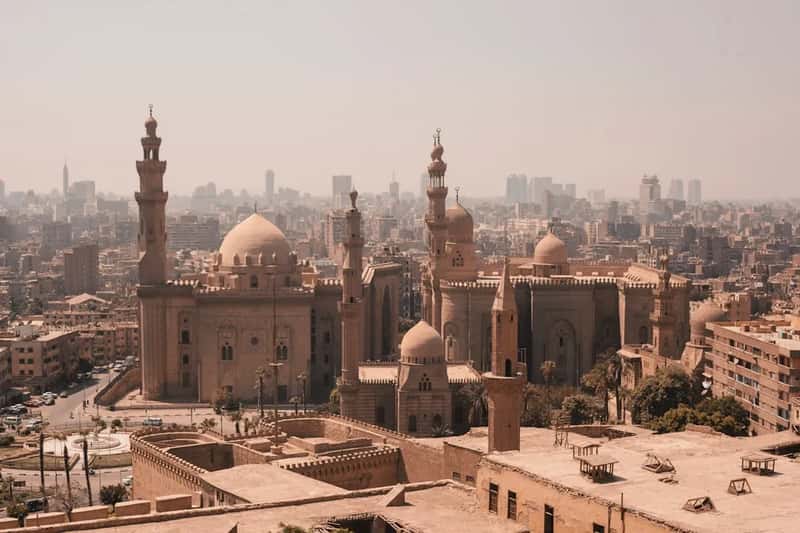
Egypt remains one of the more cash-dependent destinations for anyone touring the pyramids, the Nile, or the Red Sea coast. Cash is king in Egypt, with only 3% of the population owning credit cards and around 70% of transactions made in cash. That statistic reflects daily life for locals as much as it does the tourist experience.
Bigger hotels and upscale restaurants typically take cards, but that acceptance thins out quickly once travelers step into markets or smaller local spots. Cash is especially essential for dining at local restaurants, shopping at markets, and booking tours, and while high-end hotels and restaurants typically accept cards, it is always wise to confirm beforehand. Carrying Egyptian pounds in smaller denominations also helps with tipping, which is a common expectation throughout the country.
Romania

Romania stands out even within Europe for how firmly cash remains embedded in daily commerce. Romania is one of the most cash-reliant countries in Europe, with cash accounting for 76% of transactions and 42% of the population remaining unbanked. That combination means tourists cannot always assume a card machine will be sitting behind the counter, even in fairly ordinary shops.
Some of this preference is cultural rather than purely practical. Many Romanians feel more comfortable using cash because they perceive the value of their money more clearly when paying this way, and cultural factors, including a large informal economy where only cash is accepted, reinforce the habit. Major cities like Bucharest are gradually catching up on card acceptance, but rural areas and smaller businesses still expect Romanian lei in hand.
Cuba
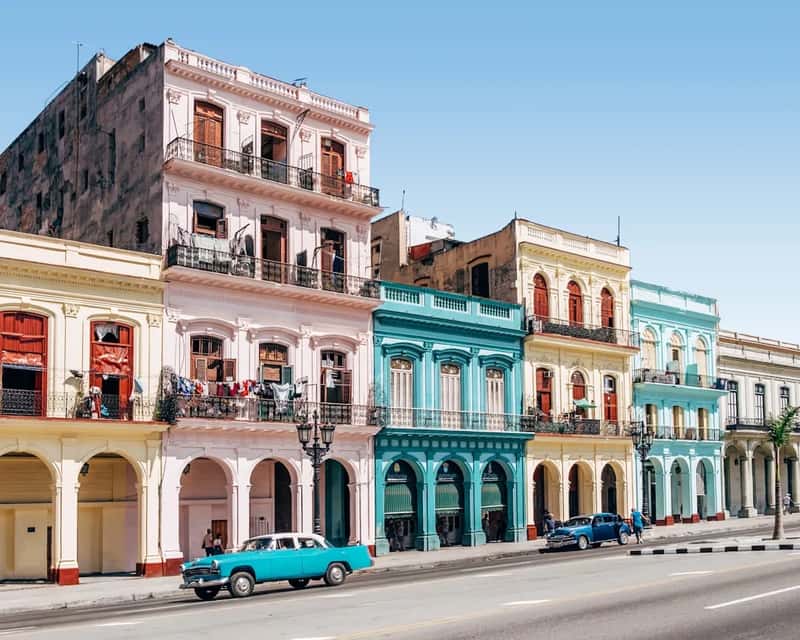
Cuba is a genuinely unusual case because the cash requirement is tied directly to international sanctions rather than local preference alone. U.S. credit and debit cards cannot be used in Cuba, so travelers must ensure they have sufficient cash, and U.S. dollars can be exchanged into Cuban currency at the airport, hotels, or exchange houses. This makes Cuba one of the few places where an entire nationality of travelers is effectively locked out of card payments altogether.
Even non-American visitors face limits, since not every foreign-issued card works reliably on the island. Cards issued by U.S. banks do not work due to ongoing sanctions, though Visa and some Mastercard-branded cards from non-U.S. banks may work at ATMs and in larger hotels or resorts. ATMs can also run dry or go offline during busy tourist periods, which makes bringing enough cash for the whole trip a genuinely practical strategy rather than just cautious advice.
Vietnam
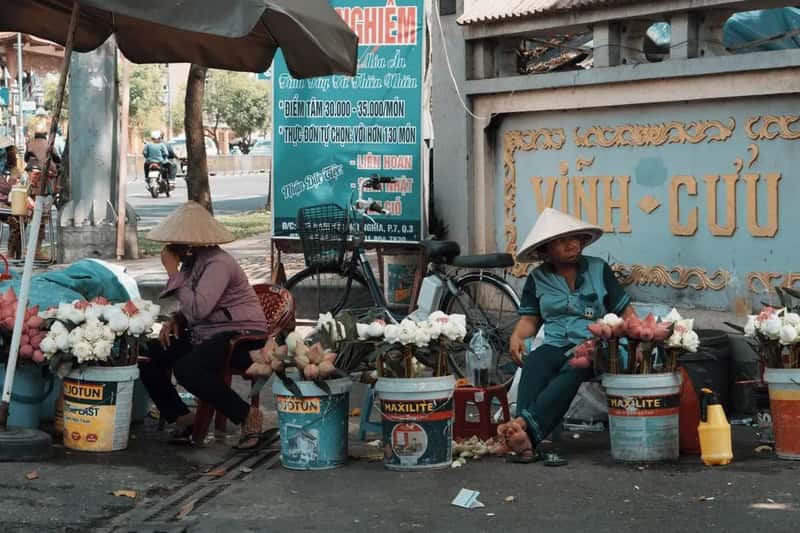
Vietnam has leapfrogged straight into mobile QR payments rather than following the card-first path many Western countries took, which creates an odd gap for travelers who only carry plastic. Vietnam is a QR-first country, and while cards work in hotels and malls, many cafes, markets, and local shops prefer QR or cash. For visitors without a local bank account or QR setup, that effectively means falling back on cash for daily spending.
The split becomes obvious once you leave chain establishments behind. Cards usually work at hotels, shopping malls, larger restaurants, supermarkets, and international chains, but street food, small cafes, markets, salons, and smaller independent shops frequently use QR or cash only. Street food stalls and floating markets, two of the country’s biggest tourist draws, are firmly cash territory.
Morocco
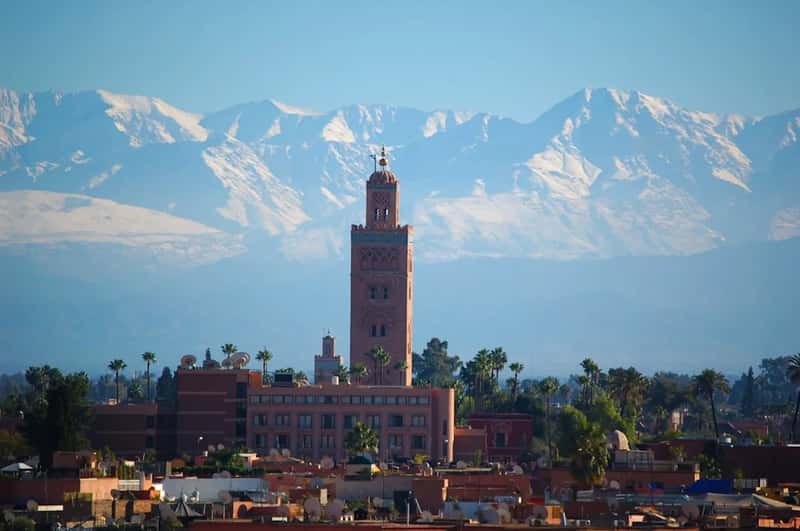
Morocco has built a reasonably strong ATM network in its major cities, yet cash remains the currency of everyday transactions. Cash is widely used in Morocco, while electronic payments are increasingly accepted only in urban areas. Visitors touring the medinas of Marrakech or Fez quickly learn that dirhams, not cards, get things done.
Some of the most iconic tourist experiences in the country simply will not take plastic. Taxis do not take cards, souk sellers do not take cards, and most small restaurants, hammams, and street food stalls run entirely on dirhams. A steady supply of small notes is also useful, since ATMs tend to dispense larger bills that vendors struggle to break.
Myanmar

Myanmar’s card infrastructure remains thin more than a decade after international sanctions began easing, and that gap is felt directly by travelers. In 2016, the U.S. lifted financial sanctions on Myanmar, allowing international credit card providers such as Visa and Mastercard to offer services, but because there was little to no reliable credit card infrastructure at the time, the rollout has been slow. Years later, that slow start still shapes how visitors need to plan their money.
Outside of the country’s biggest hotels, cards are still the exception rather than the rule. While credit cards are accepted at major hotels and other tourist attractions, they remain relatively rare in the majority of the country. Anyone heading to Myanmar is generally advised to bring in enough cash for the length of their stay, along with a buffer for anything unplanned.
Algeria
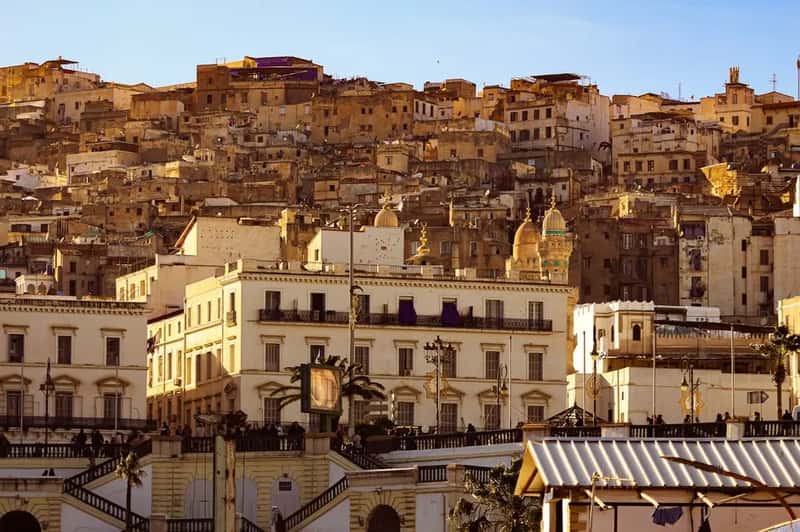
Algeria consistently ranks as one of the toughest countries in the region for card-dependent travelers, despite growing tourism interest in its coastline and desert landscapes. Algeria has a relatively small number of credit card owners at just 2%, and a limited number of POS terminals, around 150. Even where a card machine exists, merchants often quietly steer customers toward cash anyway.
The gap between having the infrastructure and actually using it is a real pattern here. Even when merchants do accept credit cards, indicated by a sign or a visible POS, many of them may still prefer cash and discourage card payments, and cash is king in souks and with other local vendors, with even many gas stations cash-only. Compared with its regional peers, Algeria stands out as the country where tourists are most likely to need physical currency for almost everything.
Albania
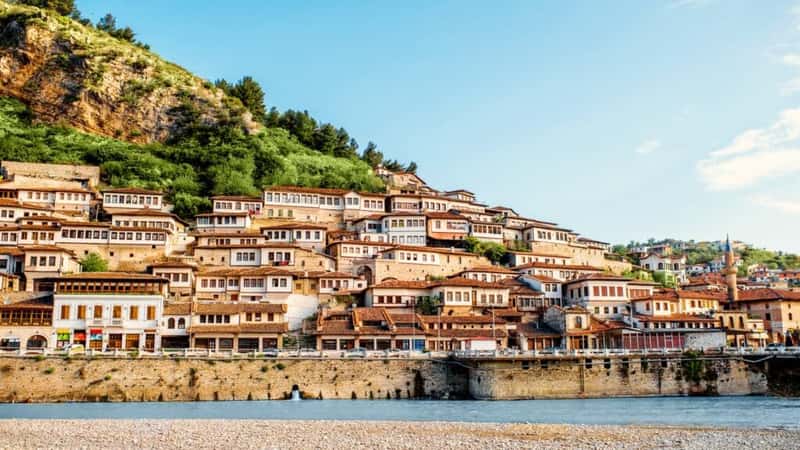
Albania’s tourism scene has grown quickly along its Adriatic coast, but payment habits have not fully kept pace with that growth. Albanian Lek is the best form of payment for taxis, local shops, markets, and rural vendors, but card payments are quickly becoming more common, particularly in hotels, supermarkets in larger cities such as Tirana, and tourist venues. Outside those pockets, cash still does most of the work.
Travelers venturing beyond Tirana and the main coastal resorts will notice the shift fastest. Rural guesthouses, family-run restaurants, and local transport options in smaller towns rarely have card readers at all, so keeping a reserve of Albanian lek on hand avoids awkward standoffs at the till. The trend toward cards is real, but it is concentrated in tourist-heavy zones rather than spread evenly across the country.
Cash habits like these rarely change overnight, since they are usually tied to banking infrastructure, informal economies, or geopolitics rather than simple consumer preference. For travelers heading to any of these ten countries, the safest approach remains the same one guidebooks have recommended for years: carry local currency, know where reliable ATMs are located, and treat card acceptance as a bonus rather than a guarantee.