

For many of us who grew up watching the Indiana Jones or The Mummy films, we dreamed of a day when we could set foot in the deserts of Egypt and feel its mysticism and charm. Ever since I can remember, I was this way – hoping for the day when I too would enter an undiscovered tomb, stumble upon an ancient treasure, or gaze out over the Nile River.
After visiting the country 8 times, it is safe to say that the nation holds a special place in my heart. A destination that, no matter how many times I see the same archaeological sites or try the same foods, calls me back for more. And no place within Egypt calls me in the way that Luxor does. As the ancient capital of the Egyptian empire, the city once known as Thebes is home to numerous temples, tombs, and sites that have survived for thousands of years. Split between the two banks of the Nile River, this city holds the allure of the Egyptian past while also functioning as a modern town, with hotels, restaurants, shopping districts, and nightlife, all set against the remains of the past.
While tourism is on the rise in the city, the unmistakable authenticity of Egyptian culture does not waver or change, regardless of the number of visitors each year. Whether it is walking through the souq, eating a traditional Egyptian meal, or strolling through the ruins and talking to a “custodian of the site,” the country’s culture seeps into every second.
As a history lover and wannabe Egyptologist, I found this the perfect city to truly begin to understand the country’s past through its smaller archaeological sites and stories. While Cairo and the Pyramids of Giza are grand, Luxor not only contains temples but also evidence of villages, daily life, rituals, and moments in time that capture what life would have been like. After 10 years of visiting this mystifying city along the Nile, here are 6 cultural and historical experiences that are sure to captivate any lover of the ancient past.
1. Luxor Temple at Sunset
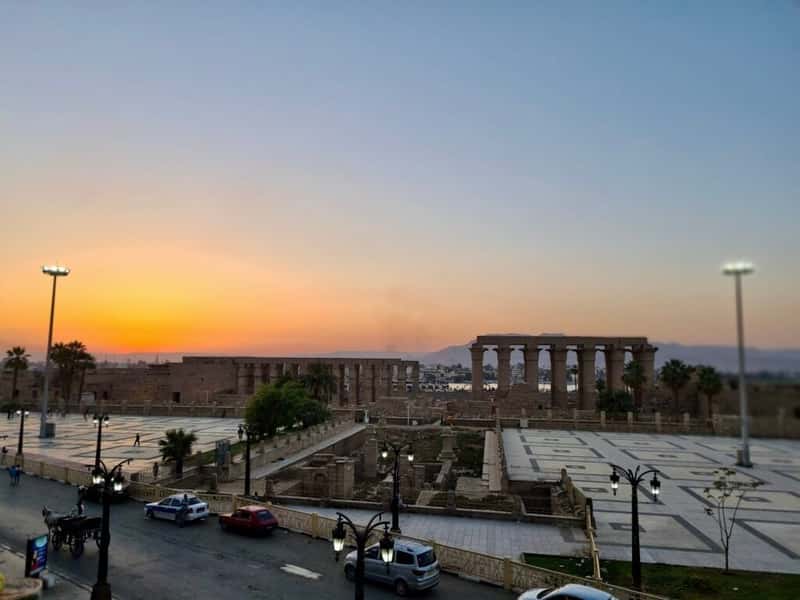
Sitting directly on the banks of the Nile, in the heart of the city, Luxor Temple was once one of the most important sites, connected to Karnak Temple by the Avenue of the Sphinxes. Walking through the site at dusk, the warm glow of the sun reflects off the sandstone, lighting up the whole place in hues of gold and orange. With the haze of the sand lingering in the air and the scent of restaurants and grilled meats cooking in the distance, the evening is truly the best time to experience this magical temple. As the heat cools, local families come out to the square in front of the temple to play, laugh, and socialize. Many also come to the archaeological site, eager to take pictures and ask where you are from.
One of my favorite parts about walking through the temple at this time is hearing the call to prayer echo off the temple walls and columns. With a thousand-year-old mosque built into the temple, the melodic chant rings through the halls and beyond, the open-air temple feeling even more mystical than before.
2. Medinat Habu and Deir El Medina
The West Bank of the Nile was said to be the land of the dead, reserved for tombs and burials rather than for the living. However, there are two archaeological sites that directly defy this notion. The first is the temple of war, Medinat Habu, dedicated to Ramses III as a mortuary temple. However, it also contains evidence of a nearby palace where he would stay during construction, ensuring every detail was perfect. Walking through the palace outside the temple in the sand, there is a strange sense of familiarity, from the living rooms to the bedroom layout, and even the toilet.
Deir El Medina holds an even more intriguing secret: it was a city never meant to be found. As each pharaoh sought to reach eternal life through an intact tomb, they had to be constructed in secret. This meant that the architects and workers of the tombs had to be isolated from the rest of society, living in a hidden town in the desert.
Looking out over the city in the midday heat, I could still identify the tight streets and homes, a wall encircling it in its entirety. While only the bases of the buildings remain, I could still make out enough to imagine what this crammed, isolated city would have looked like. On the hills above, the tombs of the architects and head workers remain, they themselves covered head to toe in painted hieroglyphics.

3. Valley of the Kings & Queens
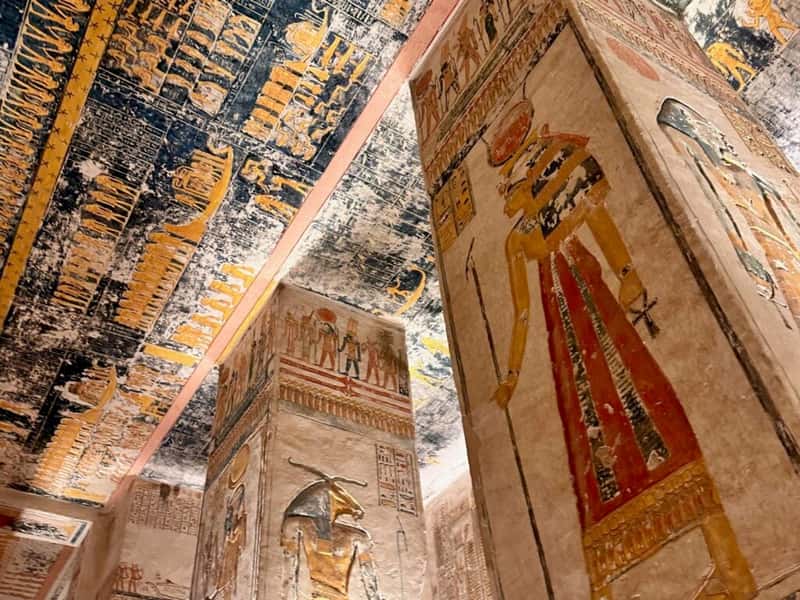
Each time I visit the Valley of the Kings and Queens, it is a different experience. The first few times, I was on a guided tour, getting a quick overview of the tombs. However, I always felt rushed and had too little time to analyze the intricate paintings covering the walls.
Recently, I decided to visit on my own, taking my time in each tomb to decipher hieroglyphs to the best of my ability and analyze what the images might have meant.
For hundreds of years, pharaohs, queens, and nobility were buried in decorated tombs with their treasures, hoping to reach the afterlife. While the only tomb uncovered intact so far is King Tutankhamun’s, the valley is filled with colorful paintings that appear as if they were just finished drying. It is incredible to imagine how old these images are, the desert’s dryness keeping them from peeling off from moisture.
4. Karnak Temple
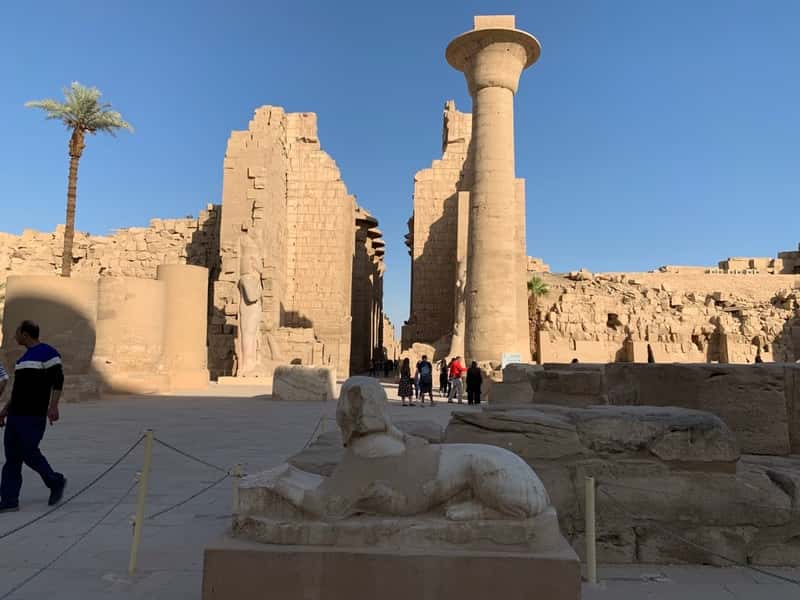
Standing under the hypostyle colonnade of hundreds of large columns soaring towards the sky in Karnak Temple, one can’t help but feel small. Everything feels larger than life, from the imposing pharaoh sculptures to the hieroglyphs on the walls, often the size of my hand.
As the temple is reconstructed each year, the walls and facades reach new heights, bringing images and reliefs back together to tell the stories they once told. Indeed, on my most recent visit, I finally had the chance to walk down the Avenue of the Sphinxes, which runs through the city from Karnak to Luxor for over a kilometer.
One of the best parts about this temple is exploring the site beyond the main walkways, where artifacts and forgotten carvings lie hidden in plain sight. Archaeologists and local excavators often work in the open, sifting through buckets of sand for pottery, figurines, or coins. For a history lover, any opportunity to watch “real-life Indiana Jones” is a win.
5. Felucca Ride Down the River
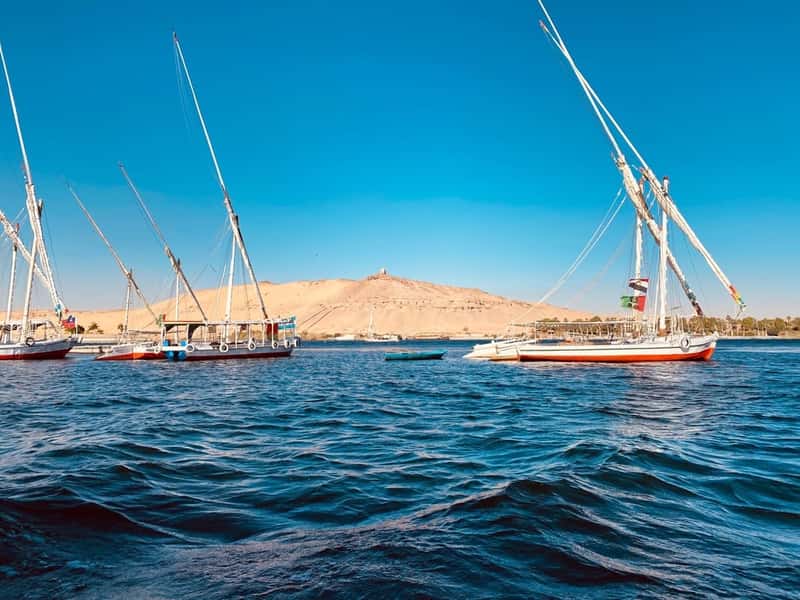
Sailing down the Nile in a felucca is one of the best ways to see the city from the water. As a traditional boat used for centuries, it feels as though you are stepping into another time. White paint covers the entire boat up to the mast, with colorful cushions lining the sides. A ride at sunset is nothing short of mystical, watching the sun hide behind the distant sand dunes.
From the river, I love watching the city’s movements. Modern life hustles around the unmoving ancient temples that rise between apartment buildings. Fishing boats and party boats with local families cruise by, all enjoying the magic of these dark waters that have lived here for millennia. Indeed, not much has changed about this landscape, other than the electrical wiring and sounds of cars in the distance.
6. Stroll Through the Souq
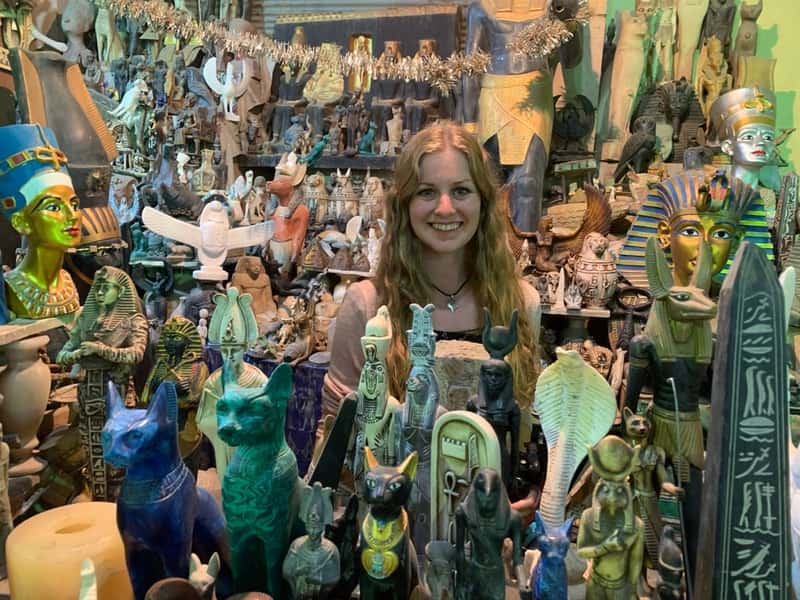
Shopping in a souq is an experience that every visitor to Egypt should have at least once. While the bargaining and chaos can appear overwhelming at first, it is one of my favorite ways to immerse myself in the culture and learn from the people. The main souq in Luxor is a maze of small shops filled with spices, lanterns, trinkets, and clothes. It is a colorful explosion of textures, metals, scents, and sounds.
As you walk through, each shop owner will attempt to make conversation and bring you into their shop, hoping to make a sale. Walking through, I love marvelling at all of the different items that hide in shops, from hand-crafted musical instruments to pharaonic jewellery and replicas of artifacts.
At the heart of the souq lie cafes that serve traditional mint tea and shisha, where you can relax and people-watch in the chaos bustling around you. Sitting at one of the small plastic tables in the evenings, I love gazing out at the busy scene of locals buying spices for their next meals and tourists bargaining for a good deal. The souq is a place to step beyond the city’s historic center and into its modern life.
While Luxor may seem like nothing more than a city worth checking off a bucket list, it is actually a place to truly experience the magic of Egypt’s past and modern-day culture.
Each time I visit, I fall in love with another part of the country’s great history, offering me another glimpse into a world that existed in the same place, yet feels so far away.