Asia is a continent of breathtaking contrasts. Ancient temples brushing the sky, emerald jungle trails, fluorescent night markets, and coastlines that look like something out of a fever dream. It draws hundreds of millions of travelers every single year, and honestly, most of them have a wonderful time.
Still, hidden beneath all that beauty are places and situations that even seasoned locals treat with extreme caution. Some are physically dangerous. Others are psychological traps designed to drain your wallet, your freedom, or worse. What looks like a tourist highlight on Instagram can be something far darker in real life. Prepare to be surprised by what’s really out there. Let’s dive in.
1. Sihanoukville, Cambodia: The Coastal City That Became a Crime Hub
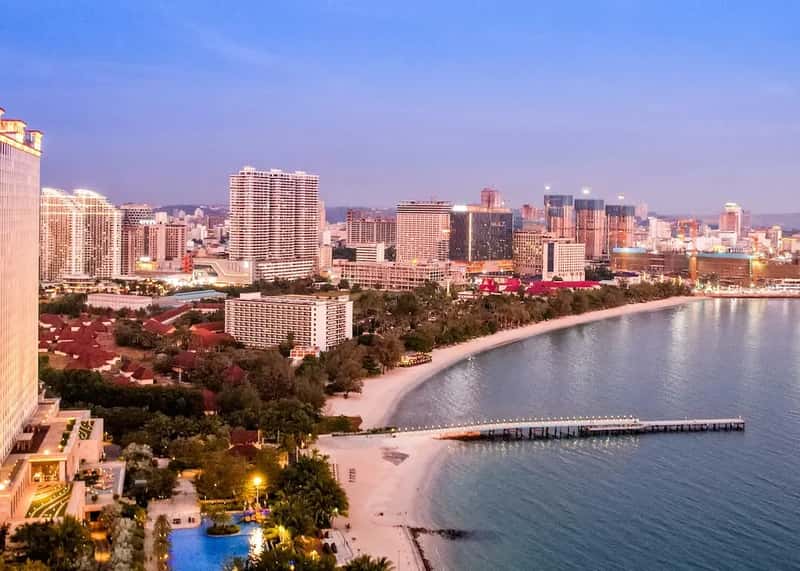
Once upon a time, Sihanoukville was a laid-back backpacker’s paradise on Cambodia’s southern coast. Beautiful beaches, cheap beer, friendly locals. Then everything changed. Once a thriving backpacker’s haven, Cambodia’s Sihanoukville is now a symbol of cybercrime and human exploitation. The city, home to a growing number of Chinese-built casinos, has become a base for forced labour and cyber fraud operations.
In a report published in June 2025, Amnesty International stated that it had identified at least 53 active scam compounds across 13 different areas in Cambodia. The special economic zone of Sihanoukville is home to many of these centers, located in hotels, casinos, office buildings, and residential neighborhoods. Think about that for a moment. You could be sipping a cocktail on a rooftop bar while people are being held against their will in the building below you.
There are reports of criminal operations in the seaside resort of Sihanoukville and the Special Economic Zone. The criminal activity includes employment scams, drug and human trafficking. The Canadian government has even issued explicit travel warnings about this. In 2024, Cambodia ranked among the 25 most corrupt countries in the world, placing 22nd on Transparency International’s Corruption Perceptions Index. Locals who know the situation well simply don’t go near certain parts of town after dark.
Sihanoukville stands as a stark example of how unregulated investment, coupled with systemic elite capture, can transform an entire city into a haven for organised crime, trafficking, and digital exploitation, all under the protection of selective law enforcement and state complicity. As land prices soared and local oversight crumbled, criminal syndicates transformed casino compounds into digital fraud operations. It is honestly one of the most chilling transformations of any tourist town in modern history.
2. The Golden Triangle Borderlands: Where Tourism Meets Trafficking
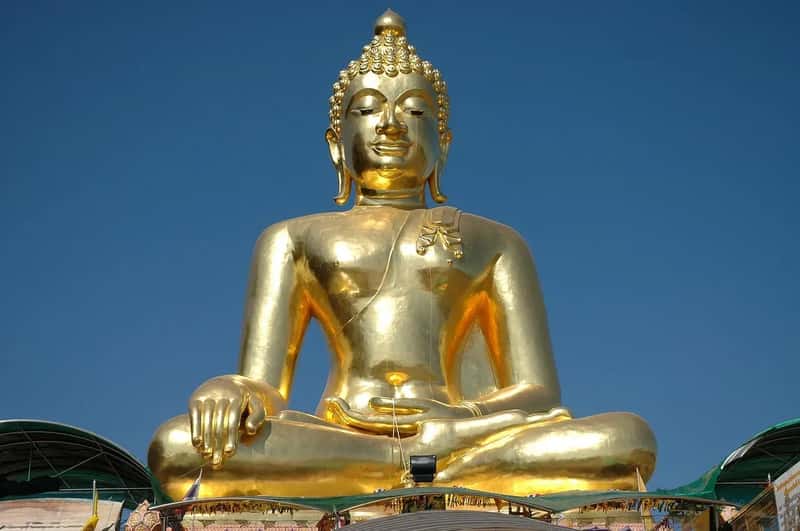
The Golden Triangle, where Thailand, Myanmar and Laos meet, has long been defined by rugged terrain, porous borders and shadow economies. Once dominated by the narcotics trade, the region is now the epicentre of one of the world’s fastest-growing forms of exploitation: the mass trafficking of men, women and increasingly young people into forced criminality within cyber-scam compounds.
Recent reports estimate tens of thousands have been trafficked into these compounds. UN investigations in 2024-2025 show that scam centres generate tens of billions of dollars each year, rivalling the scale of the global drug trade. Tourists who wander into border towns here, lured by cheap gambling and the thrill of crossing multiple countries in one day, often have no idea what kind of operations surround them.
In Myanmar’s Karen State, a small village has transformed into one of the most infamous scam hubs in Southeast Asia. Shwe Kokko, which now operates under the name Yatai New City, is a fortress-like area run by both local militias and corrupt officials. The city has become a lavish resort area featuring casinos, hotels, and a plethora of cyber-scam centres. Trafficked workers, often foreign nationals, are lured to the area with promises of well-paid jobs, only to be detained and forced into online scams.
Crackdowns by regional authorities, such as the high-profile demolition of KK Park in Myanmar in November 2025, often disperse rather than dismantle the networks. Trafficking victims simply disappear into neighbouring compounds, while operators rapidly rebuild elsewhere. No guided tour, however adventurous, is worth placing yourself in this kind of orbit.
3. Ubud Monkey Forest, Bali: More Dangerous Than It Looks
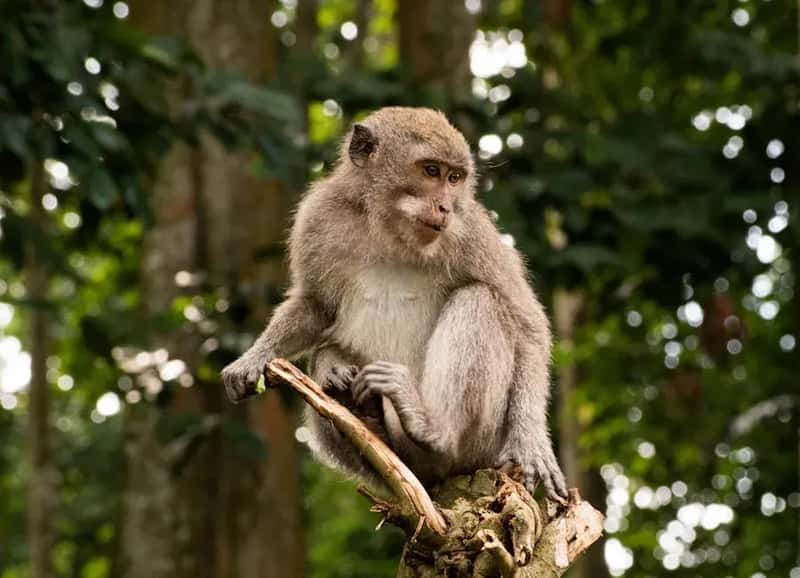
Bali’s Sacred Monkey Forest in Ubud is one of those places that floods every travel feed. Lush trees, ancient temples, hundreds of cheeky macaques. It looks magical. It is also, at times, genuinely lethal. The travel community is grappling with safety concerns after a tragic accident at the Monkey Forest in Ubud, Bali, where two tourists lost their lives when a large tree fell unexpectedly. The incident occurred on December 10, 2024, around midday local time.
Heavy rain in Ubud accompanied by strong winds caused several trees in Monkey Forest to be uprooted and hit some foreign tourists in the area. Among the uprooted trees were a Beringin tree, Pule tree, and Kresek tree. A French woman and a South Korean woman died. A third tourist was severely injured and required surgery.
Over the last three days following the incident, over 50 disasters were reported to Bali’s Natural Disaster Management Agency, ranging from fallen trees to landslides and flooding. Tourists were urged to take a risk-averse approach as the rainy season prevailed in Bali, a season that was already being referred to locally as the worst in recent history. Beyond falling trees, the monkeys themselves pose real risks, as they are known to bite, scratch, and snatch belongings from unsuspecting visitors with zero warning.
At least 15 foreign nationals died in Bali in 2024 due to various incidents, including accidents and unexpected events. An Italian tourist tragically died after falling from a cliff while taking a selfie at a waterfall in Tabanan Regency, Bali, on August 4, 2024. The Monkey Forest is beautiful. It is also a reminder that nature operates on its own schedule.
4. Damnoen Saduak Floating Market, Thailand: A Photogenic Scam Machine
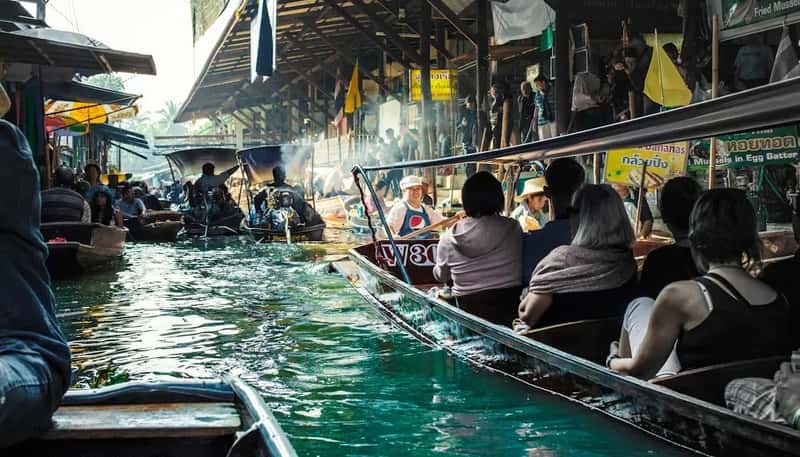
The floating markets near Bangkok look like a postcard brought to life. Wooden boats piled high with fruit, vendors in conical hats, a riot of colour on the water. The floating market in Bangkok is one of the popular tourist destinations. The colorful boats full of fresh crops, souvenirs, and street foods are quintessentially Thai, but some may be left disappointed. Markets like Damnoen Saduak are often crowded with tourists, and prices are typically inflated.
Damnoen Saduak might look magical, but it’s built for tourists. It’s crowded, overpriced, and far from the local charm you’re probably looking for. Here’s the thing: no self-respecting local goes there for their weekly shopping. The market exists almost entirely to extract money from visitors.
There have been reports of this happening at Damnoen Saduak Floating Market when tourists are charged upwards of 2,000 Baht for boat trips that should cost no more than a few hundred Baht. That is not a small difference. That is being charged roughly ten times the fair price. Another common scam involves the floating markets near Bangkok, where many taxi drivers have deals with boat operators, dropping you off far from the market, claiming it’s the closest they can get, and that you must continue by boat. It is a layered, well-practiced con.
5. Patpong and Phuket’s Nightlife Districts, Thailand: Where Fun Gets Expensive and Dangerous
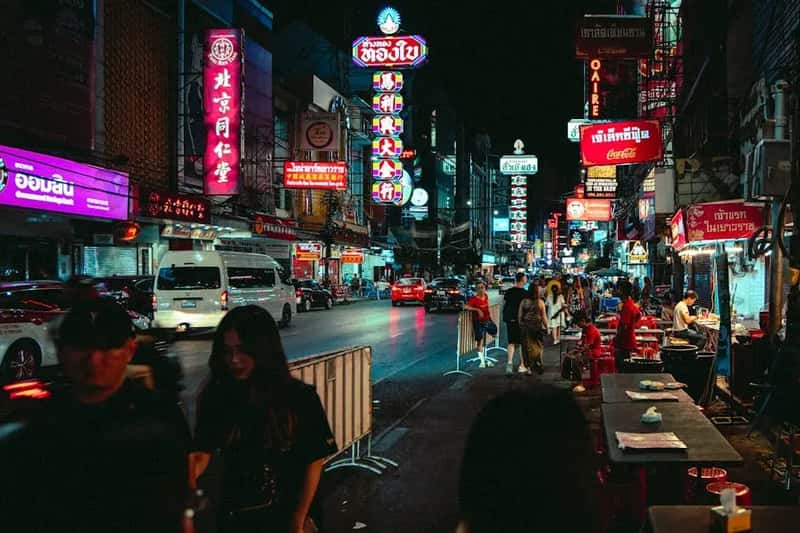
Thailand recorded the highest tourist visits among Southeast Asian countries in 2024, and its nightlife is a massive part of the draw. But the entertainment districts of Patpong in Bangkok and Patong in Phuket hide some genuinely dangerous territory beneath the neon lights. Scams can occur anywhere, from in person to online before you even arrive, but generally, there is a higher concentration of Thailand scams in tourist centres like Bangkok, Pattaya, Chiang Mai and Phuket.
Jet ski and scooter scams occur most often in popular beach destinations like Phuket and Pattaya. When you rent one of their vehicles, companies often demand your passport and a deposit fee. Upon your return scammers will claim your jet ski or scooter has been damaged in some way and that they will keep your items, including your passport, until you agree to pay their fine. Losing your passport abroad is not a minor inconvenience. It is a nightmare.
Some people utilize the “fake tourism authorities” scam in Thailand to trick tourists and take their cash. A person posing as a representative of the government or a member of the tourist police contacts tourists and accuses them of breaking the law. In exchange for keeping the tourist out of jail or for solving the issue, they might demand cash. The fake police uniform, the official-sounding language, the implied threat of imprisonment. It is more sophisticated than it sounds and it works on smart people every day.
6. Manila’s High-Risk Districts, Philippines: Crime in the Capital
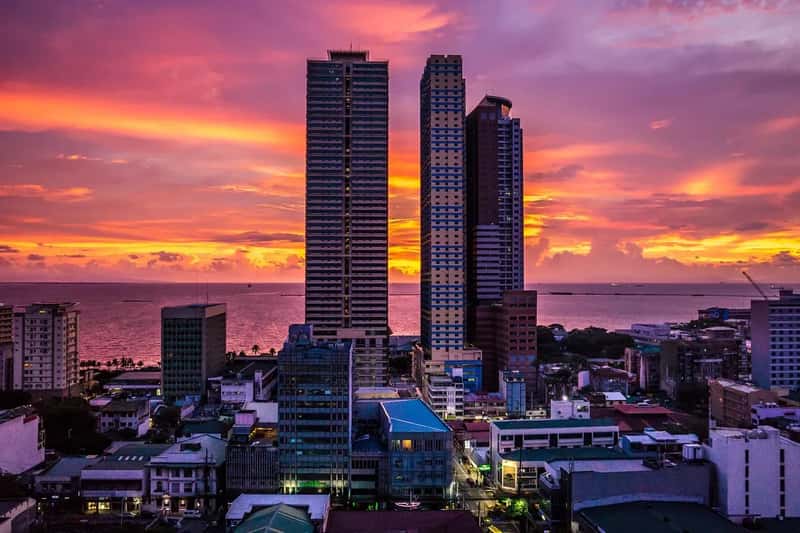
Manila is a city of enormous energy and genuine charm. Its history is fascinating, its food is extraordinary, and parts of it are perfectly safe. Parts of it, however, are absolutely not. The capital city of the Philippines, Manila, is known for its historical landmarks, vibrant street markets, and friendly locals. However, it is also one of the cities listed among the most dangerous for tourists due to high crime rates, particularly in certain districts. Petty theft, scams, and even violent crime are concerns in some parts of the city.
Manila receives more than 1 million tourists every year. Rich in sightseeing opportunities, shopping, culture, and nightlife, the city has plenty to offer. However, the city has very high rates of poverty, with drug abuse common and a high homicide rate. In addition, pickpocketing and other forms of theft are common, contributing to a crime index of 64.35.
Locals in Manila are acutely aware of which streets to avoid and which areas shift in character after sunset. Tourists, by contrast, tend to wander freely with cameras, phones, and no mental map of where the danger concentrates. For tourists planning to explore the city, it is important to stay in well-known, secure areas and avoid showing valuables in public spaces. That is advice most locals follow automatically, out of habit formed over years.
7. Basilan Island, Southern Philippines: Kidnapping Territory
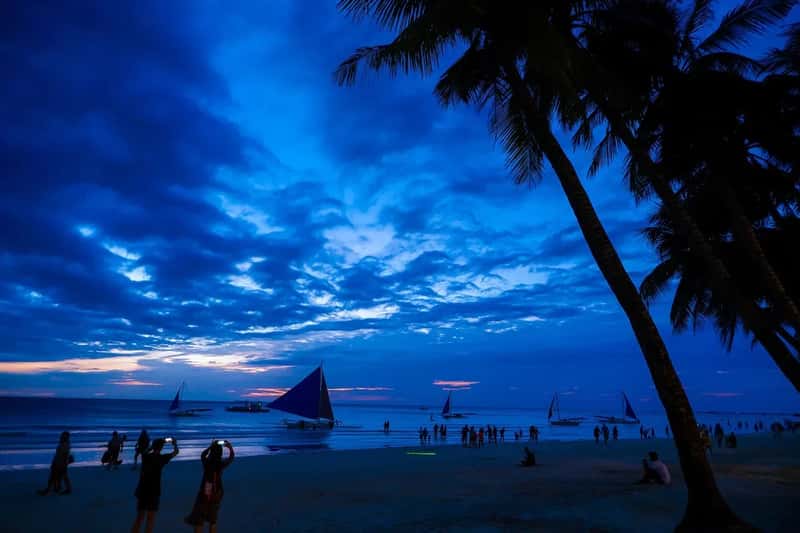
Honestly, this one is less of a “tourist trap” and more of a place that should never appear on anyone’s travel itinerary at all. Yet it still draws adventurous visitors drawn by the idea of unexplored Philippine islands. Basilan, an island in the southern Philippines, is one of the most dangerous areas in the country due to the presence of extremist groups like the Abu Sayyaf Group (ASG). The island has seen numerous attacks, bombings, and kidnappings targeting both locals and foreigners.
It is hard to say for sure how many tourists have wandered here without understanding the situation, but the numbers are concerning enough that multiple governments have issued formal advisories. The most dangerous countries in Asia include those with ongoing insurgencies, and within the Philippines, specific regions remain classified as extreme-risk zones for international travelers.
The eastern coast of Sabah, Malaysia, is similarly dangerous due to its proximity to the Sulu Archipelago and the associated risk of kidnapping by militant groups. While kidnappings have decreased and the Malaysian government has increased security, it’s still not a wise destination to pick. The region is also prone to piracy, which poses an additional risk for those traveling by sea. The allure of remote, undiscovered islands here carries a cost that no travel experience is worth paying.
8. Southern Thailand’s Deep South: Ongoing Conflict That Tourism Ignores
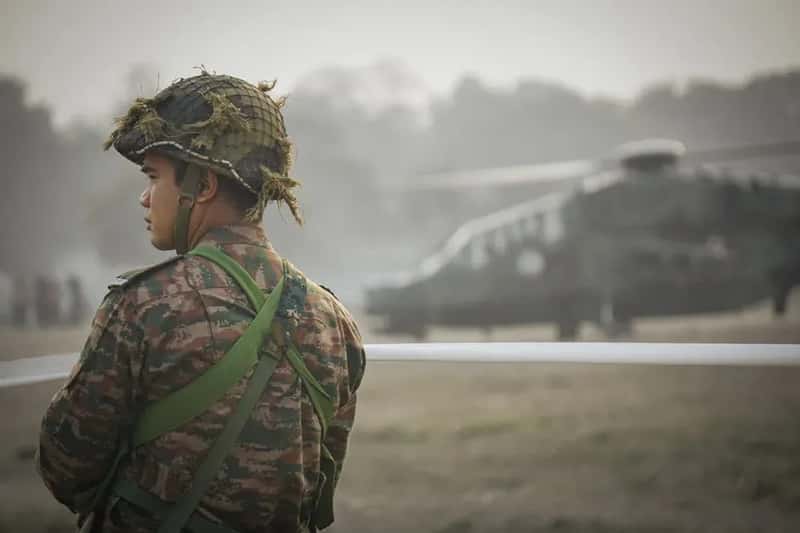
Most tourists who visit Thailand never hear about the deep south. They are in Phuket, Koh Samui, or Chiang Mai, worlds away. The southernmost provinces of Pattani, Yala, Narathiwat, and parts of Songkhla tell a very different story. In 2022, an Emergency Decree was extended in each of these provinces for the 68th time, since its first issue in July 2005. These areas see regular bombings, shootings, and other violent incidents, which often result in civilian casualties. Due to the persistent unrest and danger to both locals and foreigners, these provinces are best avoided by tourists.
Local Thais from Bangkok and other northern cities treat this region with extreme caution. They know its history. The insurgency there has been grinding on for over two decades, quiet enough not to make international headlines most weeks, but deadly enough that an Emergency Decree has been continuously renewed for nearly twenty years running.
Vietnam and Timor-Leste are entirely under Level 1 travel caution, while countries like Laos, Malaysia, Myanmar, Indonesia, Cambodia, Thailand, and the Philippines have regional alerts ranging from Level 2 to Level 4. Thailand’s southern provinces sit at the extreme end of that scale. No beach, no matter how beautiful, justifies wandering into an active conflict zone.
9. Agra’s Tourist Triangle, India: Where Scams Surround Sacred Sites
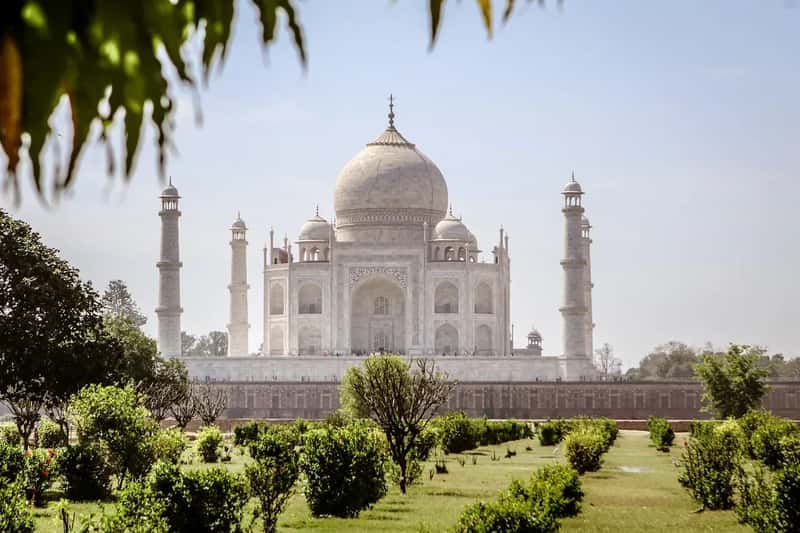
The Taj Mahal is one of humanity’s greatest architectural achievements, full stop. Visiting it is a deeply moving experience. Getting there and back, though, is a gauntlet of scams so relentless that even seasoned Indian travelers from other cities brace themselves. Let’s be real: Agra has a well-documented reputation that goes far beyond “a few pushy vendors.”
There are several common travel scams in Asia, for example overpriced tuk-tuk or taxi rides in Bangkok, Ho Chi Minh, and Phnom Penh, currency exchange scams, cheap but fake travel agents, and temple donation scams in Bali and Cambodia. Agra runs a remarkably similar playbook. Fake guides, closed-gate scams, overpriced rickshaws, and gem shops that have arrangements with every driver in the city are all standard operating procedure here.
Drivers tell tourists the main entrance is closed for a government event, then deposit them at a shop where they spend hours being pressured to buy overpriced souvenirs. Possibly the most common scam across Asia, taxi and tuk-tuk drivers will tell tourists that a certain attraction is closed due to a public holiday. In some Thailand travel groups, dodgy security staff at the attractions may even come out to back up the driver’s story. This is an attempt to take you elsewhere, which will likely involve visits to shops like jewellers or overpriced stores, resulting in a costly trip. The Taj Mahal is worth it. The circus surrounding it is another matter entirely.
10. Aceh, Indonesia: Natural and Legal Dangers Combined
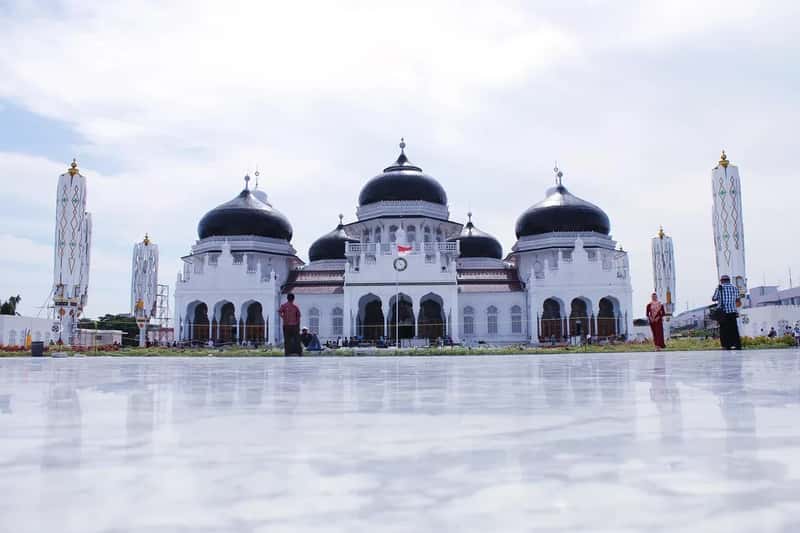
Aceh sits on the northern tip of Sumatra and is visually stunning. Dramatic coastlines, thick jungle, and genuine historical significance. It is also the one place in Indonesia where foreign tourists can find themselves in serious legal jeopardy simply by existing. Aceh is known for its strict implementation of Sharia law, which applies to both Muslims and non-Muslims. While the province has stabilized since the 2004 tsunami and the end of the separatist conflict in 2005, tensions remain. Foreigners may find themselves inadvertently breaking laws or cultural norms, which can lead to severe penalties. Additionally, Aceh is prone to natural disasters like earthquakes and tsunamis, adding another layer of risk.
Think about that combination. Strict legal codes that apply even to foreign visitors, limited infrastructure in some areas, and a geographic position that sits directly on one of the world’s most active seismic zones. The 2004 Indian Ocean earthquake and tsunami devastated Aceh, killing over 160,000 people in the province alone. The geological reality has not changed.
Nearly half of all reported tourist fatalities globally take place in Asian countries. That statistic puts every entry on this list into sobering context. While many parts of Southeast Asia are perfectly safe, it is important to be aware of certain destinations where the risks might outweigh the rewards. Traveling in Southeast Asia can be a rewarding experience, but it is crucial to be aware of areas where your safety might be at risk. Aceh is genuinely worth visiting for the right kind of traveler, one who has done deep research, understands the cultural expectations completely, and checks seismic and weather conditions before heading out.
Know Before You Go

Asia is not a dangerous continent. That needs to be said. The vast majority of the billions of visits made to Asian destinations every year end with nothing worse than sunburn and an overloaded camera roll. Like every other place in the world, Asia may not be completely danger-free, and safeness in Asia varies widely depending on the country. Context always matters.
What this list shows is that there is a meaningful difference between a destination that looks appealing on a travel app and the reality on the ground. Sihanoukville was once genuinely wonderful. Ubud’s Monkey Forest is still a remarkable place. The floating markets around Bangkok have real cultural roots. The danger is not always the destination itself. Sometimes it is the conditions surrounding it, the people operating within it, or the moment you arrive unprepared.
Always check the latest travel advisories and consult with local authorities when planning your trip to ensure that you can enjoy your travels safely. Stay informed, stay aware, and remember: the locals avoiding certain places are not being overcautious. They just know something you don’t yet. What would you have guessed was the most dangerous tourist trap on this list before reading this?