Along the Içana River in Brazil’s upper Rio Negro Basin, Baniwa fishermen and giant otters pursue the same fish in the same stretches of water. The dark, tea-colored river supports both groups, even as fish remain relatively scarce. Researchers watching from the bank noted the two sets of hunters operating within sight of each other on a single morning. ([1])
Shared Waters, Separate Methods
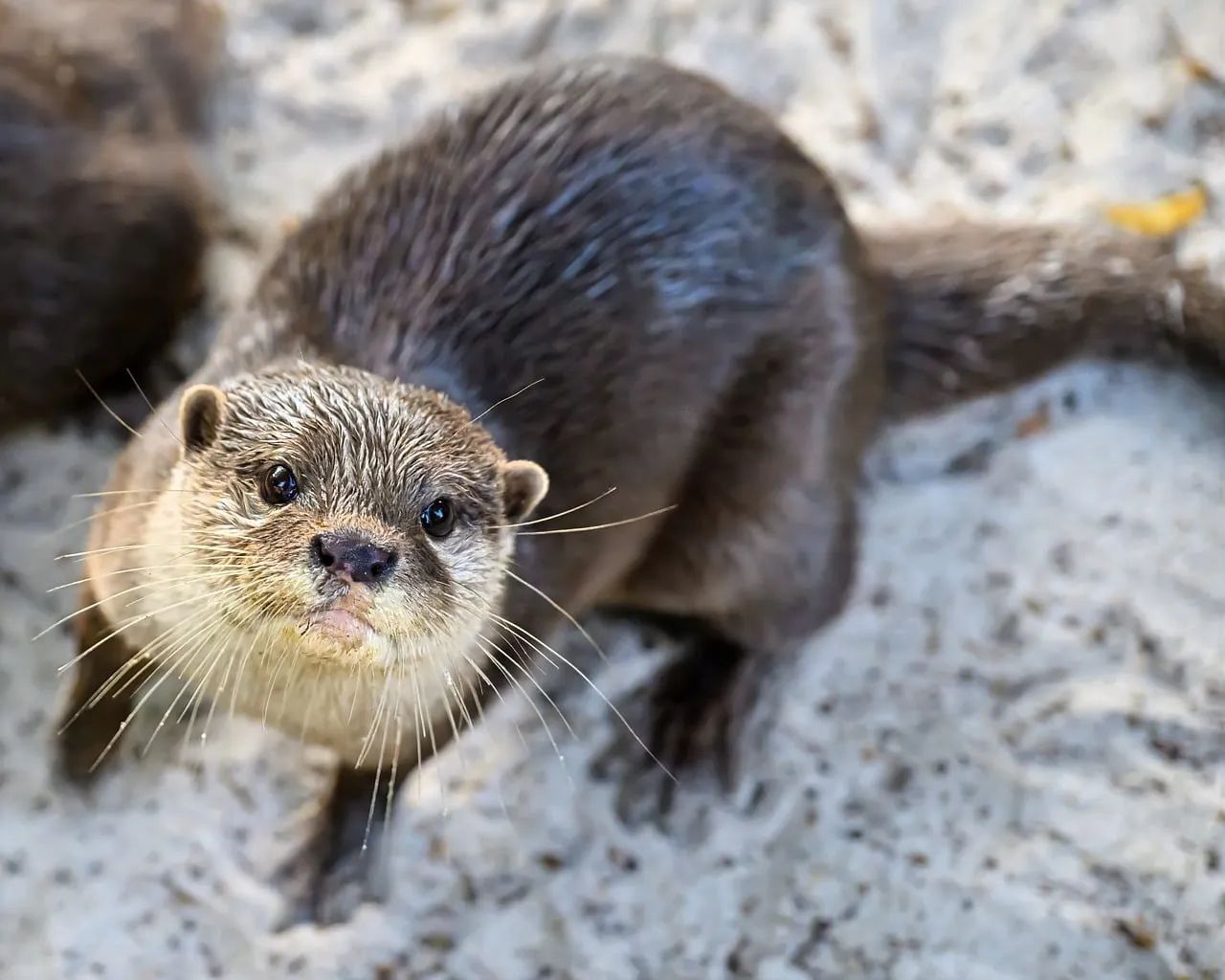
Baniwa men set traps in shallow, fast-moving sections and return later to collect the catch. The fish provide essential protein for communities living along the river and its tributaries near the Colombian border. A short distance downstream, giant otters move through the same current, surfacing and diving in quick succession. The otters work in family groups of nine to twelve. One animal surfaced holding a striped fish between its front paws, then climbed onto the bank to eat. The sound of bones cracking and scales tearing carried across the water. The feeding site quickly filled with fish remains and the strong smell of waste.
Giant Otter Behavior and Visibility
Giant otters stand out in the landscape. Their size, group living, and noisy feeding make them difficult to overlook. Ecologist Jansen Zuanon, who contributed to a 2026 study on the Baniwa and otters, noted that the animals are almost impossible to ignore. The otters’ presence adds pressure to an already limited fish supply. Yet the two hunters continue to use overlapping sections of river without immediate reports of direct clashes in the observed area.
Reverence, Hunting, and Daily Realities
For the Baniwa, fishing forms a core part of daily life and food security. The same river that sustains their traps also supports the otters. This overlap creates a practical tension between cultural views of the animals and the need to secure protein. The 2026 study examines how these relationships have evolved. It tracks the balance between traditional respect for the species and the pressures that can lead to conflict over resources. The work highlights that coexistence remains an ongoing process rather than a settled state.
Looking Ahead on the Içana
The Içana’s acidic waters and diverse but not abundant fish populations shape the choices available to both people and otters. Continued observation will show whether the current pattern of shared use holds or shifts with changes in fish numbers or human activity. The study provides one record of how Indigenous communities and a large predator navigate the same stretch of Amazon river.